The Ultimate Guide to Connecting Across Europe: Navigating eSIM Data Plans for International Travelers


The landscape of international telecommunications for travelers visiting Europe has undergone a fundamental transformation in recent years, shifting away from physical plastic SIM cards toward embedded digital technology known as eSIMs. Traditionally, tourists arriving at European airports or navigating foreign city centers would seek out local kiosks to purchase prepaid physical SIM cards, often grappling with language barriers, tiny SIM-ejector tools, and the risk of losing their domestic carriers’ cards. Today, modern smartphone architecture has largely embraced eSIM technology, allowing international visitors to download, install, and activate regional data plans before they even board their flights. This technological shift offers unprecedented convenience, yet travelers must navigate a complex ecosystem of pricing models, coverage limitations, data caps, and technical prerequisites to avoid unexpected expenses.

The evolution of mobile connectivity in Europe is deeply intertwined with regulatory changes enacted by the European Union. Historically, using a mobile phone across multiple European borders incurred exorbitant roaming fees, forcing consumers to purchase new plans or pay steep per-megabyte charges upon entering a different country. However, following the European Union’s landmark decision to outlaw mobile data roaming fees within member states, a single data plan purchased in one EU nation now functions seamlessly across the entire bloc. Consequently, a traveler landing in Paris and purchasing a French eSIM can travel through Italy, Germany, Spain, and Poland without incurring additional roaming costs. Nevertheless, regulatory nuances remain: non-EU members such as Switzerland and post-Brexit United Kingdom operate outside these mandatory roaming regulations, requiring consumers to carefully verify whether specific regional data packages extend coverage to those territories.

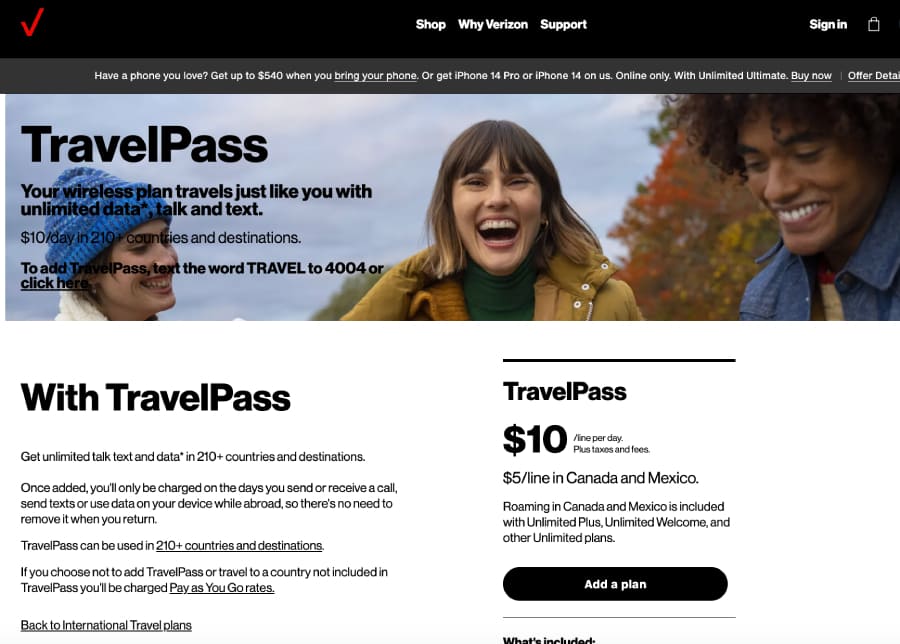
When analyzing the financial implications of staying connected abroad, third-party prepaid eSIM providers consistently outcompete traditional domestic carriers based in North America and Australasia. Major US and Canadian operators routinely market international daily roaming passes priced at approximately $10 per day, which accumulate rapidly over a standard two-week vacation. Furthermore, these traditional international plans frequently throttle data speeds down to sluggish 3G or 2G speeds after a meager daily threshold of two gigabytes is exceeded, rendering essential modern applications like real-time navigation and digital ticketing virtually unusable. In contrast, dedicated European eSIM data packages offered through third-party platforms typically cost between $2.50 and $5 per day, representing a savings of up to 80 percent compared to traditional home-carrier international add-ons.
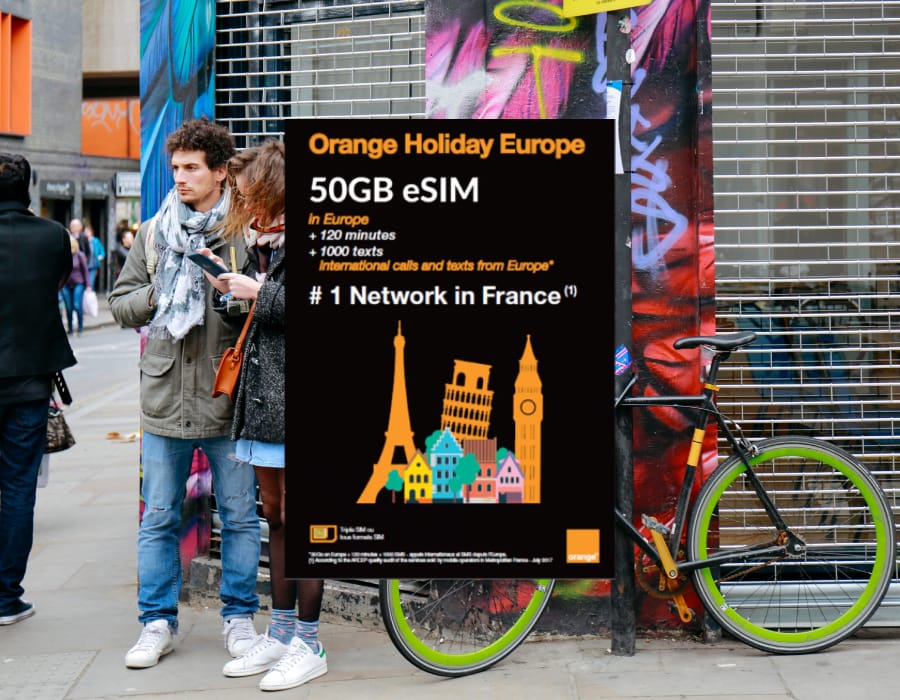
Industry analysts categorize the current European eSIM market into several prominent providers, each catering to different consumer priorities, trip durations, and data consumption habits. Holafly has established a robust market presence by offering unlimited data plans spanning durations from one to ninety days, appealing primarily to heavy data users who stream media, upload extensive photo galleries, or rely heavily on remote work tools. Meanwhile, SimOptions operates as an official digital retailer partnering with major European telecommunications infrastructure giants such as Orange, Bouygues Telecom, and O2. These operator-backed plans generally provide fixed data allocations ranging from 10 gigabytes to 70 gigabytes, frequently including assigned European phone numbers capable of traditional voice calls and text messaging across the continent.

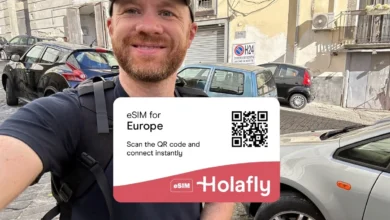
Examining the operational logistics reveals distinct advantages to adopting dual-SIM smartphone functionality during international travel. Modern devices, including recent iterations of Apple’s iPhone and various flagship Android units, support both physical SIM cards and multiple active eSIM profiles simultaneously. This dual-capability preserves the user’s primary home-country phone number for critical security functions, such as receiving two-factor authentication codes from financial institutions or urgent fraud alerts, while simultaneously routing cellular data through the foreign eSIM provider. Furthermore, Apple’s implementation of automatic eSIM installation features in recent iOS updates has streamlined the initial setup process, enabling travelers to scan an emailed QR code and complete configuration with minimal technical friction.
Despite the profound conveniences of digital SIM technology, prospective users must satisfy specific technical criteria before purchasing a plan. Most importantly, consumer smartphones must be carrier-unlocked; many mobile network operators in the United States and other markets lock devices to their proprietary networks via software until contracts are fulfilled or specific financial conditions are met. Consumers are strongly advised to contact their home network providers well in advance of departure to request an official network unlock. Additionally, device compatibility varies significantly by manufacture date and regional regulatory standards, with United States models of the iPhone 14 and newer entirely abandoning physical SIM card trays in favor of an exclusively eSIM-dependent architecture.

Industry experts emphasize that transitioning to a digital-first mobile connectivity model requires strategic data management to optimize both financial investment and device performance. Studies tracking consumer telecommunications habits indicate that the average traveler consumes between five and seven gigabytes of data per week, though heavy utilization of bandwidth-intensive social media platforms can easily double that figure. To mitigate unnecessary data consumption, travelers are advised to leverage complimentary local Wi-Fi networks whenever available, download offline regional maps through navigation applications like Google Maps prior to departure, and restrict background data synchronization for non-essential applications. By pairing a reliable, high-speed regional eSIM plan with proactive data management strategies, international visitors can ensure seamless, cost-effective communication throughout their European journeys.