The Ivindo River: A Geological and Ecological Context
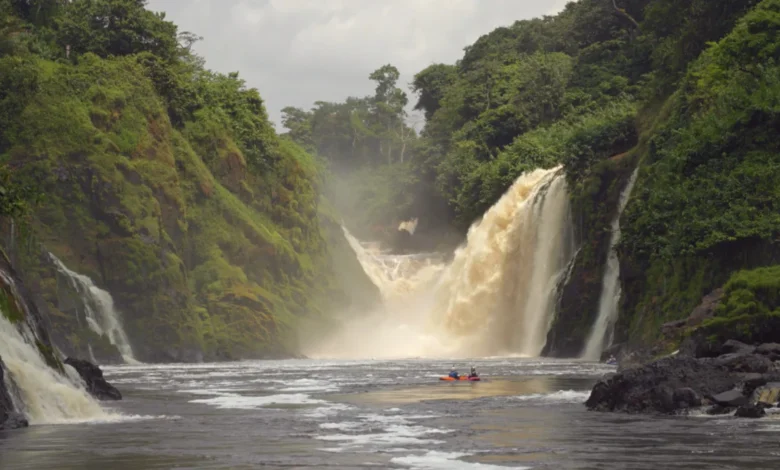
The Ivindo River is a primary tributary of the Ogooué River and serves as a vital artery for the Ivindo National Park, a UNESCO World Heritage site known for its exceptional biodiversity. Flowing through the heart of the Congo Basin, the river is defined by its massive, stepped waterfalls and isolated gorges. For decades, the region’s volatile water levels and dense, inhospitable rainforest terrain made comprehensive exploration nearly impossible for recreational paddlers.
The geological makeup of the river includes four distinct, high-intensity whitewater zones: Kongou, Mingouli, Kouata Mango, and Tsengue Lelendi. These sections are not merely obstacles; they are massive hydraulic systems that require precise technical execution. The complexity of the riverbed, often littered with hidden boulders and subterranean currents, presents a high risk of equipment damage and personal injury. The expedition highlights the logistical reality of operating in such a remote environment, where local experts like Juste Parfait Zangonga play a critical role in mitigating risks associated with local megafauna, including hippos, crocodiles, and forest elephants.
Chronology of the Expedition
The project originated from a desire to complete what a 2007 scouting mission started. In 2007, a pioneering team led by filmmaker Olaf Obsommer attempted to map the river but was forced to portage—or carry their kayaks around—the majority of the most dangerous sections due to safety concerns and a lack of precise topographical data.
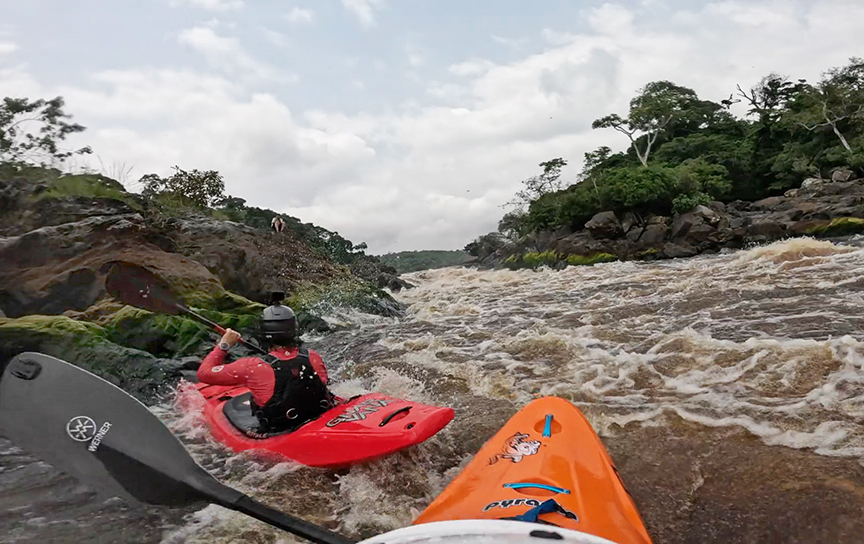
The modern expedition, filmed nearly two decades later, aimed to leverage advancements in boat design and drone-assisted aerial scouting to complete the descent. The timeline of the 2026 expedition unfolded as follows:
- Preparation and Deployment: Following years of rigorous logistical planning, the team established a base camp, balancing their technical equipment needs with the constraints of a self-supported jungle expedition.
- Phase One: The Kongou Labyrinth: The team arrived at the first major section, Kongou Falls. Here, the river splits into a complex network of channels. The risk of error was absolute, as navigating the wrong branch would result in an unintentional plunge over a 25-meter waterfall. The team utilized slow-motion, section-by-section navigation to ensure safe passage.
- Phase Two: The Mingouli Rollercoaster: Moving downstream, the team encountered the Mingouli rapids. Unlike the restrictive geometry of Kongou, Mingouli offered a more open, high-volume environment. This section allowed the team to execute the first successful descents of several major rapids, marking a significant milestone in the history of the river’s exploration.
- Phase Three: The Kouata Mango Breakthrough: At this stage, lead paddler Adrian Mattern successfully navigated a major waterfall, a feat that served as a psychological turning point for the team.
- Phase Four: The Tsengue Lelendi Assessment: The final phase involved the most difficult section of the river. Despite exhaustive drone reconnaissance and on-site analysis, the team determined that a specific portion of the final rapids remained unrunnable under the prevailing conditions. The decision to bypass this section underscored the professional restraint that separates elite athletes from reckless amateurs.
Technical Innovations in Remote Exploration
The documentary provides a detailed look at the infrastructure of a modern expedition. Filmmaker Olaf Obsommer and his crew operated under extreme conditions, utilizing high-end camera equipment and aerial drones to document the journey. This level of documentation serves two purposes: it provides a visual record of the geography and offers a case study in risk management.
The use of drones in this expedition represents a fundamental shift in how remote whitewater is scouted. Traditionally, paddlers relied on shoreline observation, which often failed to reveal the full nature of hydraulic features hidden from view. Drones allowed the team to view the river from a vertical perspective, identifying safe entry and exit points in sections of the river that were previously deemed too dangerous to approach.
Environmental and Ethical Considerations
One of the most poignant moments of the expedition occurs when the team reaches the final, unrunnable rapid at Tsengue Lelendi. While the temptation to "force" a first descent is high in the extreme sports community, the team’s collective decision to portage the final, most dangerous sections highlights a shift toward sustainability and respect for the natural environment.
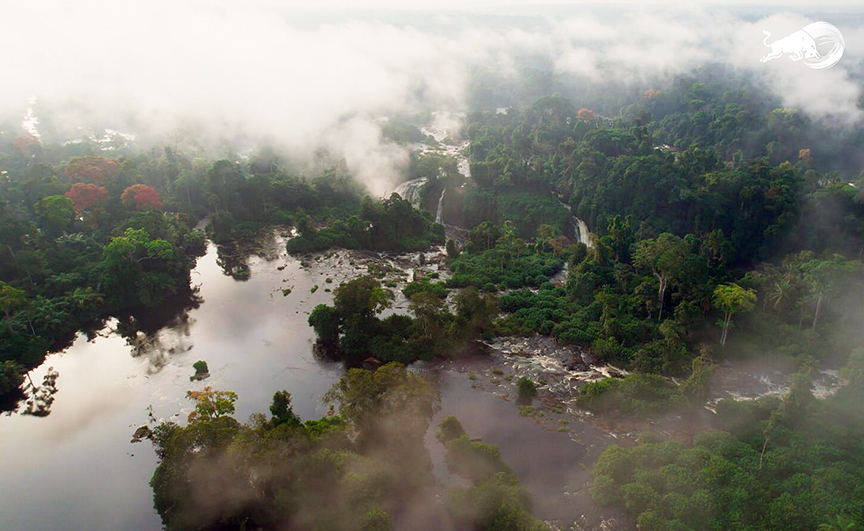
As narrator David Arnaud concludes, there is a certain integrity in leaving parts of the river untouched. This philosophy aligns with the broader conservation goals for the Ivindo National Park. By documenting the river’s challenges without forcing an total, reckless conquest, the team highlights the importance of the Ivindo not just as a playground for athletes, but as a critical, pristine ecosystem that requires protection from human interference.
Implications for Adventure Sports
The success of the Gabon Uncharted mission has implications for the future of international adventure sports. First, it demonstrates that even in a hyper-connected, GPS-mapped world, there remain significant "blank spots" on the map that require human ingenuity to navigate. Second, it highlights the necessity of professional collaboration between athletes and documentary crews. The synergy between the kayakers and the production team was essential for both the safety of the participants and the success of the mission.
Furthermore, the expedition serves as a benchmark for safety protocols in remote environments. The reliance on local knowledge—specifically regarding the movement patterns of large wildlife—demonstrates that the most important tool for an explorer is not a kayak or a camera, but an understanding of the environment and the humility to accept when a section of a river is, for the time being, master of the human.
Institutional and Public Reaction
The release of Gabon Uncharted: Sending Ivindo Falls on the Red Bull TV platform has generated considerable interest within the kayaking community. Industry analysts have noted that the film sets a high bar for documentary storytelling in the adventure space. By focusing on the "missing links" of the river rather than a singular, death-defying feat, the film appeals to a broader audience interested in geography, wildlife, and the philosophy of exploration.
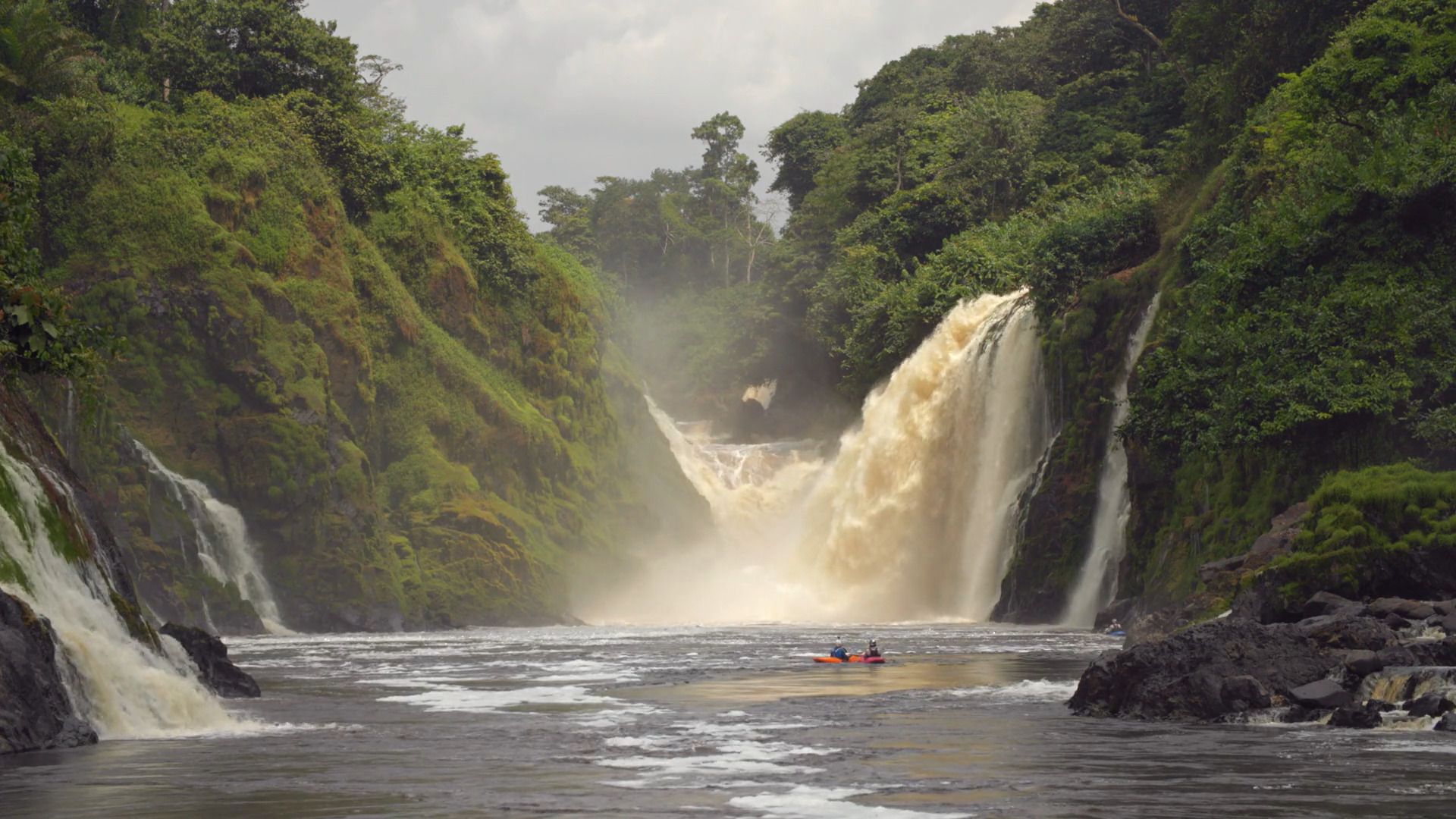
While some enthusiasts may critique the decision to skip certain rapids, the prevailing consensus among experts is that the team’s cautious approach enhances the credibility of the sport. In an era where extreme sports are often criticized for their disregard for safety, the team’s ability to balance ambition with objective risk assessment provides a sustainable roadmap for future expeditions.
Conclusion: The Uncharted Future
The Ivindo River remains one of the most enigmatic waterways on the planet. While the team successfully navigated significant portions of the river, their expedition ultimately proved that some environments are meant to remain partially wild. The film is more than a record of a kayaking trip; it is an acknowledgment of the limits of human achievement.
For those interested in the logistical, technical, and environmental nuances of this journey, the film serves as a primary resource. It bridges the gap between the raw, untamed reality of the Gabon rainforest and the refined, high-definition storytelling of modern documentary filmmaking. The expedition serves as a reminder that as we continue to push the boundaries of what is possible, our success should be measured not just by what we conquer, but by what we choose to preserve. The full account of their progress, including the stunning aerial footage of the Ivindo’s remote gorges, is available for public viewing via the Red Bull digital distribution network, offering a window into one of the world’s last great frontiers.