Walking the Tightrope of Recovery: How Nepal Balances Urgent Tourism Appeals with Post-Disaster Infrastructure Realities

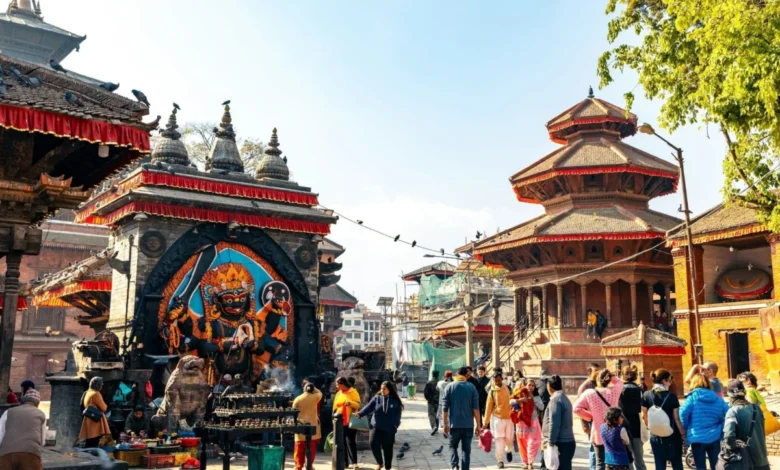
The devastating late-August floods that swept across Nepal and neighboring Tibet have left a profound mark on the Himalayan nation, claiming at least 1,386 lives and leaving thousands more missing. As the country mobilizes to rescue survivors, clear debris, and restore essential utilities, tourism officials and local communities face an agonizing dilemma. In a nation where one in seven jobs relies directly on the visitor economy, officials are urgently calling on international travelers not to cancel their trips, attempting to avert a secondary economic crisis while simultaneously grappling with shattered infrastructure and fragile communities that may not yet be ready to receive them.
The catastrophe has highlighted the delicate, high-stakes balance destination management must maintain in the wake of natural disasters. While the immediate humanitarian priority remains rescue, relief, and the rehabilitation of basic services, the broader economic fallout threatens to extend far beyond the geographical boundaries of the floods. For Nepal, navigating this complex landscape requires a nuanced approach to traveler communication, risk assessment, and targeted recovery strategies rooted in lessons from past crises.
Chronology and Scale of the Late-August Disaster
The crisis began in late August, when relentless monsoon rains triggered catastrophic flooding and massive landslides across multiple districts in Nepal and Tibet. Rivers overflowed their banks, washing away roads, bridges, and entire settlements, cutting off remote mountain communities and trapping both residents and travelers.
As search-and-rescue operations commenced, international aid agencies and local authorities quickly realized the immense scale of the destruction. With the death toll soaring past 1,386 and thousands still unaccounted for, the initial weeks were justifiably dominated by emergency response efforts. Hospitals filled with the injured, temporary camps were established for displaced families, and engineering teams raced to reopen critical trade and transit routes.
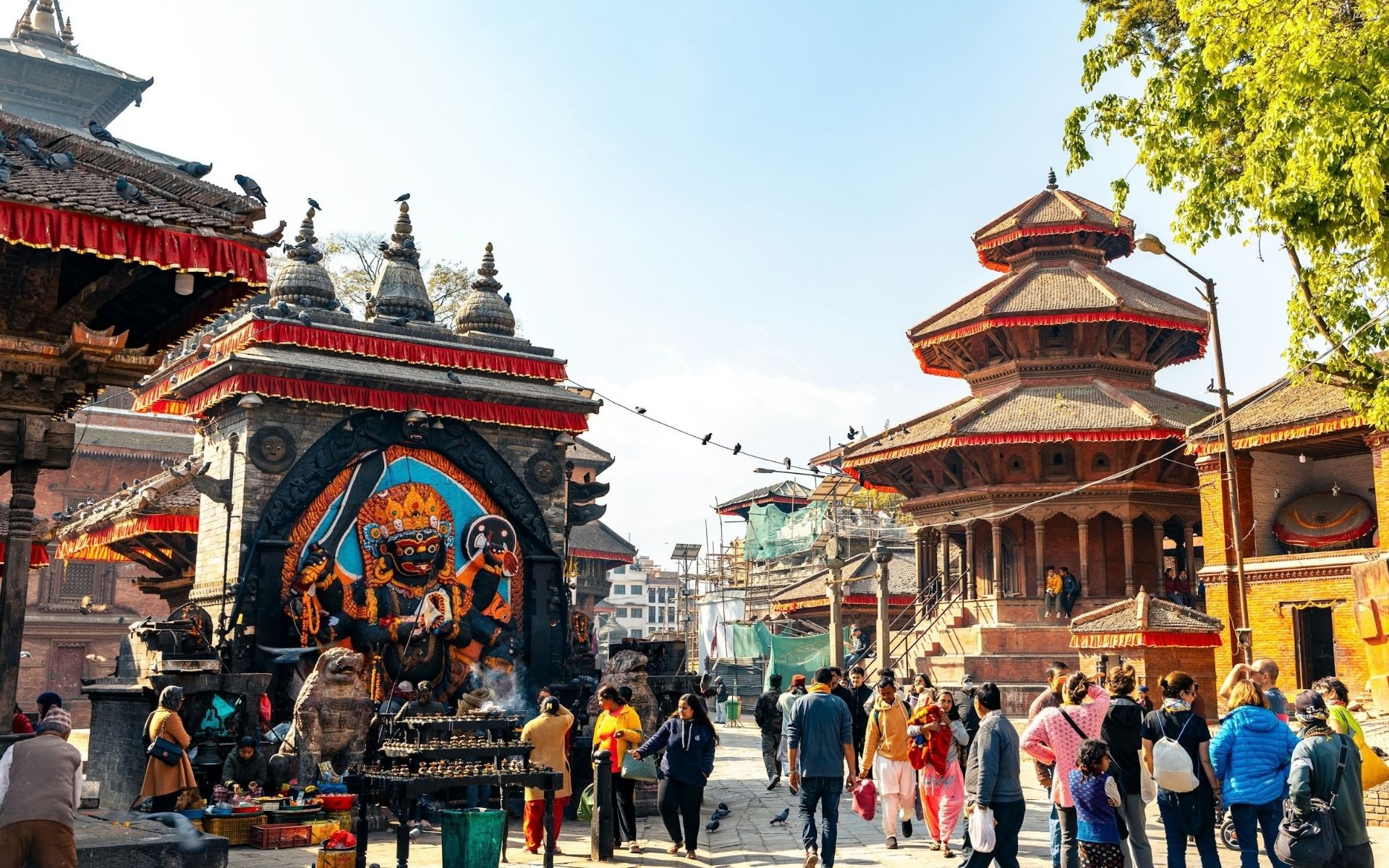
However, as the immediate search operations began to wind down, the economic realities of the disaster came to the forefront. Recognizing that a prolonged tourism standstill would devastate livelihoods nationwide, the government and local stakeholders initiated a concerted public relations campaign to reassure the global community that large portions of the country remained open and safe for travel. Utilizing the digital rallying cry #NepalCalling, tourism boards and operators took to social media to urge visitors to maintain their itineraries, emphasizing that staying away would inflict a financial wound far deeper than the floods themselves.
The Economic Weight of Nepal’s Tourism Sector
To understand the urgency behind Nepal’s appeals, one must examine the staggering economic footprint of the country’s tourism industry. Last year, nearly 1.16 million foreign tourists visited Nepal, marking its strongest performance since the devastating COVID-19 pandemic disrupted global travel.
According to recent labor and economic data, tourism supports approximately 15 percent of Nepal’s total employment—translating to roughly one in every seven jobs. This vast employment network spans multinational hotel chains, domestic trekking companies, mountain guides, porters, local restaurants, transport operators, and artisans in remote villages who rely on seasonal traveler spending for their annual income. Overall, the sector contributes between six and eight percent of Nepal’s gross domestic product (GDP).
When a disaster strikes a tourism-dependent economy, communities far removed from the physical damage often suffer disproportionately. A canceled trek in an unaffected region can mean the loss of school fees for a porter’s family or unpaid debts for a guesthouse owner hundreds of miles away from the flood zones. Consequently, failing to encourage a swift, calculated return of travelers risks transforming a localized natural disaster into a nationwide economic emergency.
The Perception Footprint: Lessons from the 2015 Gorkha Earthquakes

The challenge facing Nepal today is not entirely unprecedented. Tourism researchers and disaster management experts frequently point to the psychological phenomenon known as the "perception footprint," wherein the perceived risk of traveling to a disaster-stricken country vastly outstrips the actual, localized danger.
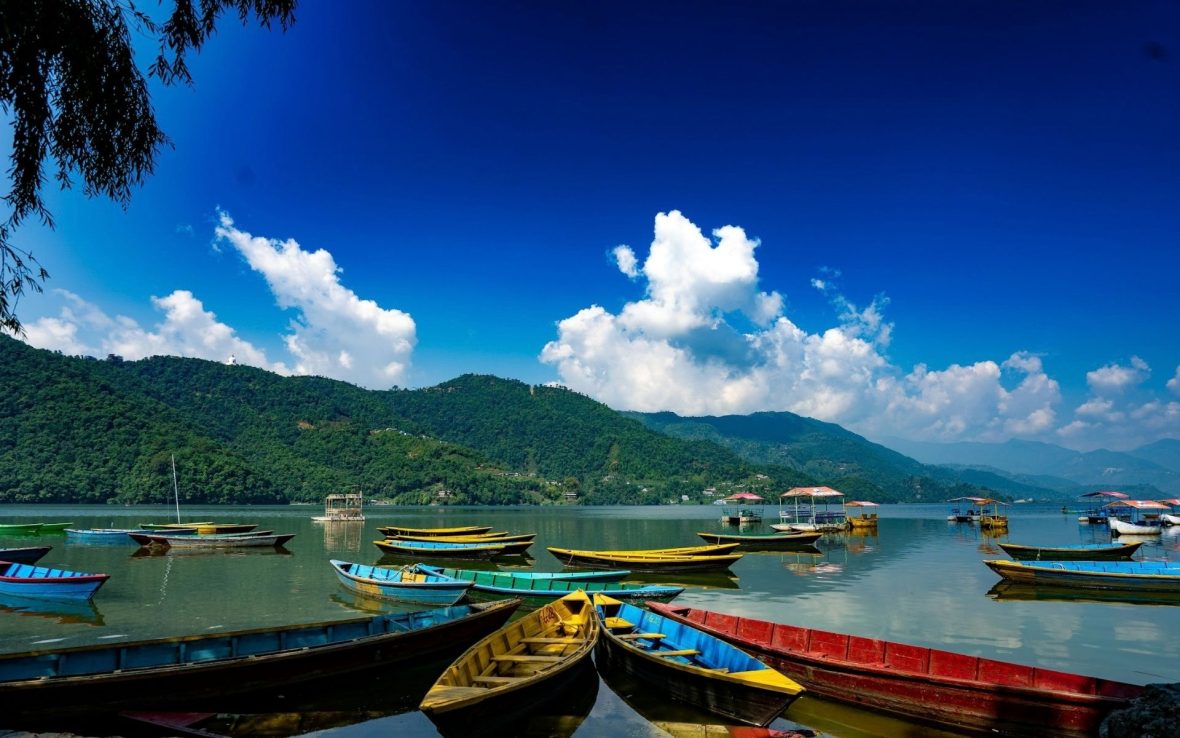
A prime historical parallel occurred following the catastrophic 2015 Gorkha earthquakes, which claimed over 8,800 lives. Despite the immense tragedy, major tourist hubs such as Pokhara in the Himalayas and Chitwan National Park were not structurally compromised and remained entirely operational. Yet, international media coverage heavily featuring images of destroyed historic temples and collapsed urban buildings created a generalized impression that the entire country was devastated and unsafe.
Consequently, international visitor arrivals plummeted by 32 percent in 2015 compared to the previous year. The broader psychological barrier took months to dismantle. It required a strategic, coordinated effort by Nepalese tourism authorities, who leveraged international media partnerships, diplomatic channels, and authentic traveler-generated content on social media to demonstrate that large parts of the country were welcoming guests safely. The strategy worked: visitor numbers rebounded strongly by 2016, ultimately reaching a then-record 940,000 arrivals in 2017.
Global Parallels in Disaster Tourism Recovery
The phenomenon of the perception footprint is not unique to Nepal. Similar challenges have been documented globally following major environmental crises. In 2011, catastrophic floods in Queensland, Australia, claimed 33 lives and affected an area roughly the combined size of France and Germany. Academic studies following the disaster revealed that while many potential travelers felt a strong moral desire to support local economic recovery through tourism, they experienced deep uncertainty regarding whether their presence would drain local resources or place them in harm’s way.
Further research into post-crisis consumer behavior—including studies following Cyclone Marcia in Queensland—highlights a critical principle for destination recovery: travelers respond not just to physical reality, but to media narratives and official communications. Academic findings consistently indicate that when attempting to accelerate tourism recovery, destinations achieve the highest success rates by targeting repeat visitors rather than first-time travelers. Individuals who have visited a region multiple times possess a more accurate understanding of local conditions, harbour stronger personal ties to the community, and are significantly more inclined to return during times of need.
Striking the Balance: Timing, Safety, and Transparent Information
Despite the urgent economic need to revive tourism, experts warn against the perils of rushing the reopening process. Encouraging visitors to return prematurely can overwhelm recovering infrastructure, divert vital logistical resources away from displaced residents, and expose tourists to unnecessary safety hazards.
Sustainable disaster recovery dictates that traveler confidence must be earned through meticulous, credible, and transparent communication. As Nepal gradually restores its tourism apparatus, prospective visitors require verified, up-to-date information regarding infrastructure status, transport availability, and regional safety before finalizing travel plans.
To facilitate this, the Nepalese government and industry stakeholders are actively publishing real-time updates through official channels and digital platforms using the #NepalCalling initiative. Travel authorities stress that prospective visitors should consult official government travel advisories—such as the United States State Department, Australia’s Smartraveller, and New Zealand’s Safetravel platforms—to make informed decisions.
Furthermore, industry analysts note that travelers visiting friends and relatives (VFR travelers) and seasoned repeat visitors will likely form the vanguard of the returning tourist demographic. These groups possess the contextual knowledge and personal networks necessary to navigate the recovering nation responsibly.
Ultimately, Nepal’s ongoing challenge extends far beyond declaring the country officially "open" for business. It requires a high degree of precision in communicating which specific regions are fully prepared to welcome guests, ensuring that the return of tourism actively reinforces community recovery rather than complicating relief efforts. By managing perceptions, prioritizing safety, and targeting the right demographic of supportive travelers, Nepal aims to chart a resilient path forward through one of the most testing chapters in its modern history.