Your Ultimate Madrid Itinerary: A Comprehensive Guide to Spain’s Cultural Capital

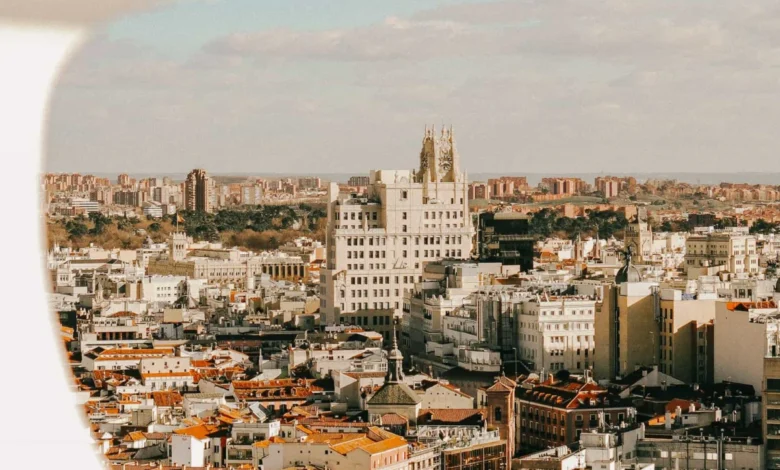
Madrid, the high-altitude capital of Spain, serves as the nation’s political, economic, and cultural epicenter. Situated on the Manzanares River in the center of the Iberian Peninsula, the city has evolved from a medieval fortress into a sprawling metropolis of over 3.3 million residents. For travelers, Madrid offers a unique confluence of Hapsburg-era architecture, world-class art institutions, and a culinary landscape that balances traditional Castilian roots with contemporary gastronomic innovation. Navigating the city requires a strategic approach to maximize exposure to its historical significance while acknowledging the logistical realities of a dense, vibrant urban environment.

Historical Context and Urban Development
The significance of Madrid as a travel destination is deeply rooted in its status as the administrative heart of the Spanish Empire. Established as the capital by King Philip II in 1561, the city underwent rapid expansion, resulting in the "Madrid of the Austrias," characterized by its distinctive grid of narrow, winding streets and expansive, regal plazas. This historical layer is preserved through the preservation of the Landscape of Light (Paisaje de la Luz), a UNESCO World Heritage site that integrates the city’s urban landscape with its expansive green spaces. The site, which encompasses the Paseo del Prado and the Retiro Park, stands as a testament to the 18th-century Enlightenment ideals of urban planning, where culture and nature were synthesized to enhance public welfare.

A Structured Chronology for the Discerning Traveler
While a multi-day visit is recommended to absorb the city’s nuance, a structured five-day itinerary provides a balanced overview of Madrid’s primary assets.

Day One: The Golden Triangle of Art and Royal History
The inaugural day focuses on the "Golden Triangle of Art." The Prado Museum (Museo del Prado) remains the cornerstone of this sector, housing one of the world’s most extensive collections of European art, including works by Velázquez, Goya, and El Greco. Data suggests that the museum annually hosts over 3 million visitors, making it a critical pillar of Madrid’s tourism economy. Following a morning in the Prado, visitors typically transition to the Reina Sofía Museum to view 20th-century masterpieces, most notably Pablo Picasso’s Guernica. The day concludes with a walk through the historic Hapsburg district, leading toward the Royal Palace of Madrid. As the official residence of the Spanish monarchy—though primarily used for state ceremonies—it represents one of the largest palaces in Western Europe, spanning 135,000 square meters.

Day Two: Culinary Heritage and Market Dynamics
The second day shifts toward the socio-economic importance of Madrid’s food markets. The San Miguel Market, an iron-structure landmark dating back to 1916, provides a window into the evolution of Spanish culinary retail. Unlike traditional neighborhood markets that focus on raw staples, San Miguel has transitioned into a high-end gastronomic hub, reflecting broader trends in European urban gentrification and tourism-driven commerce. Afternoon exploration should extend into the La Latina neighborhood, known for its high density of tabernas and its proximity to the site of the medieval city walls.

Day Three: Parks, Palaces, and Green Infrastructure
Retiro Park functions as the city’s primary "green lung." Historically reserved for the Spanish Royal Family until the 19th century, the park now serves as a public space for environmental and social engagement. Fact-based analysis indicates that the park’s management is currently focused on the preservation of its 15,000 trees and the restoration of the Crystal Palace, an iconic example of 19th-century glass and iron architecture. The afternoon should be dedicated to the Almudena Cathedral, a structure whose relatively recent completion in 1993 belies a religious history on the site dating back to the 10th century.

Day Four: Religious Architecture and Cultural Synthesis
The penultimate day emphasizes the city’s ecclesiastical and colonial heritage. The Monastery of Las Descalzas Reales and the Royal Monastery of La Encarnación offer deep insights into the role of religious orders in the political life of Hapsburg Spain. These institutions currently function as museums, housing significant collections of sacred art. The day ends at the Temple of Debod, an authentic ancient Egyptian temple donated to Spain in 1968. The relocation and reconstruction of the temple underscore the international cultural exchange programs that have helped define Madrid’s identity as a modern European capital.

Day Five: Modern Urban Planning and Leisure
The final day allows for an exploration of the Casa de Campo, a public park five times the size of New York’s Central Park. This space highlights the scale of Madrid’s commitment to urban green space. The itinerary concludes with a visit to the upscale Las Salesas district, a neighborhood that has become the focal point for independent fashion designers and artisanal retailers, illustrating the city’s shift toward a diversified, boutique-based economy.

Supporting Data and Economic Implications
The tourism sector is a vital component of Madrid’s economy, contributing approximately 6-7% to the regional GDP. Official statistics from the Community of Madrid reveal that the city has consistently prioritized the "quality over quantity" model, focusing on attracting cultural and business tourists who engage with the city’s institutional offerings. The development of high-speed rail (AVE) connections has further solidified Madrid’s role as a transit hub, allowing for day-trip accessibility to peripheral cities such as Toledo, Segovia, and Cuenca.

Expert Perspectives on Urban Tourism
Urban planners and tourism experts generally agree that the success of Madrid’s current model relies on the careful management of "tourist pressure" in historic centers. The city council has, in recent years, implemented measures to regulate short-term holiday rentals, particularly in districts like Centro and Chamberí, to ensure that local residents retain access to housing. This policy reflects a broader European trend of balancing economic growth from tourism with the maintenance of urban livability.

Broader Impact and Conclusion
Madrid’s trajectory as a travel destination is marked by its ability to integrate its deep-seated history with the demands of a modern global city. The investment in cultural institutions, such as the ongoing expansion of the Prado and the renovation of historical sites, serves as an economic catalyst that extends beyond the immediate hospitality sector. By focusing on a diverse range of experiences—from the intellectual rigor of its museums to the communal atmosphere of its markets—Madrid offers a comprehensive model for urban tourism.

For the prospective visitor, the city remains a complex, multi-layered environment. The "ultimate" experience is not merely found in the high-profile monuments, but in the observation of how those monuments interact with the daily life of the city’s inhabitants. As the administrative capital of a nation with a rich and varied history, Madrid stands as a primary case study in how a historic city can sustain its relevance in the 21st century. Whether one is analyzing the architectural evolution of the Royal Palace or the socio-economic shifts within the Mercado de San Miguel, the city provides an endless array of data points for those interested in the intersections of history, culture, and urban development. Those planning a visit should prioritize advance booking for major sites, as the high volume of interest often necessitates structured planning to avoid logistical bottlenecks. By adhering to a balanced schedule, travelers can ensure that their engagement with Madrid is both productive and respectful of the city’s significant cultural heritage.
Related posts: