The Comprehensive Guide to the Best Things to Do in Milos Greece: A Mediterranean Gem for Travelers

Milos, an island of volcanic origins nestled in the southwestern Aegean Sea, has emerged as one of the most compelling destinations in the Cyclades archipelago. Known for its distinct geological landscape, rich historical heritage, and pristine coastal features, Milos offers a starkly different experience from its more commercially developed neighbors, such as Mykonos and Santorini. While the island lacks a major international airport, its accessibility via high-speed ferry services and domestic flight connections from Athens has facilitated a steady increase in tourism, drawing visitors who seek a blend of maritime exploration and archaeological discovery.

Geological Significance and the Coastal Landscape
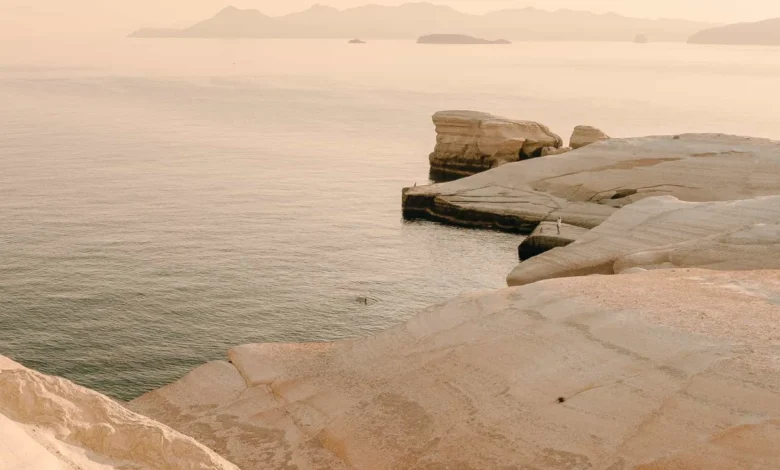
The defining characteristic of Milos is its volcanic morphology. Approximately two million years ago, volcanic activity shaped the island, creating a complex coastline marked by white pumice cliffs, deep sea caves, and mineral-rich thermal springs. The most iconic representation of this geology is Sarakiniko Beach. Unlike traditional sandy beaches, Sarakiniko features lunar-like landscapes formed by wind and wave erosion on white volcanic rock.

For the modern traveler, this area serves as a primary hub for coastal recreation. Data from local tourism authorities indicates that Sarakiniko remains the most visited site on the island, necessitating careful management of visitor traffic during the peak months of July and August. Experts advise that the lack of natural shade and the high albedo of the white rock necessitate rigorous sun protection, as UV reflection is intensified, posing a heightened risk of sun damage compared to standard beach environments.

The Maritime Economy and Tourism Integration
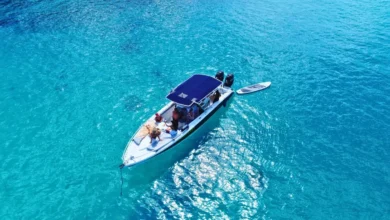
The maritime sector is central to both the history and current tourism infrastructure of Milos. Boat tours have become the primary method for accessing the island’s most remote natural wonders, particularly the southwestern coast. Areas such as Kleftiko Bay—a former pirate hideout—are largely inaccessible by land. Consequently, the local economy has seen a surge in specialized boat charter services.

Market analysis of the Cycladic tourism sector shows that private and semi-private boat tours in Milos provide a more competitive pricing structure than similar excursions in Santorini. These tours typically integrate historical education with recreation, offering stops at the Sykia Cave, a collapsed sea cavern that creates an internal, open-air pool of turquoise water. The inclusion of traditional Greek culinary experiences on these excursions reflects a broader trend of "experiential tourism," where visitors prioritize authentic regional engagement over generic resort activities.

Historical Context: From Antiquity to the Present
Milos is not merely a destination for coastal leisure; it is a repository of significant archaeological history. The island is perhaps most famous for the discovery of the Venus de Milo in 1820, a testament to its long-standing cultural importance.

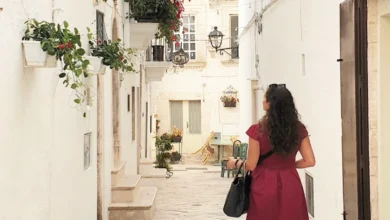
The town of Plaka, the island’s capital, stands as a center for historical preservation. Situated on a hillside, it provides a strategic vantage point that has been utilized since the Venetian period. The Venetian Castle, located at the highest point of the town, offers a panorama of the Aegean and serves as a site for historical analysis regarding the island’s role in medieval maritime trade routes.

Further archaeological depth is found at the Catacombs of Milos, which date back to the 1st century AD. These underground burial sites are among the most significant early Christian monuments globally, comparable to those found in Rome. Their existence provides vital insight into the social and religious evolution of the Aegean during the Roman and early Byzantine eras. Adjacent to these, the Ancient Theatre of Milos, dating from the Hellenistic period, underscores the island’s former status as a cultural hub. The preservation of these sites is currently managed by regional cultural authorities, with recent efforts focusing on structural stabilization to withstand the erosion caused by the island’s salt-heavy, windswept climate.

Culinary Evolution and Local Enterprise
The culinary landscape of Milos is characterized by a "farm-to-table" ethos, heavily reliant on the island’s volcanic soil and fishing traditions. Establishments in coastal villages such as Mandrakia—a traditional fishing hamlet—have successfully pivoted to meet modern tourism demands while maintaining operational authenticity.

At Mandrakia, the local architecture includes syrmata, which are traditional boat garages carved into the rock face with colorful doors. These structures, once used solely for the protection of fishing vessels, are now focal points for heritage tourism. Restaurants in this vicinity, such as the renowned establishments serving fresh sea bass and other local catches, reflect the island’s commitment to sustainable, small-scale business models.

Infrastructure and Strategic Development
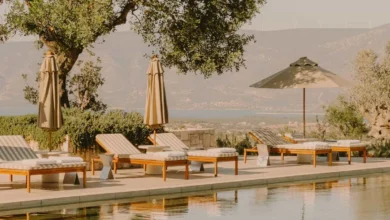
The port of Adamantas serves as the critical logistical gateway to the island. As the primary point of arrival for ferry traffic, Adamantas has become the center of the island’s hospitality sector. Data suggests that the town’s development has focused on a mix of luxury suites—often featuring private pools to cater to high-end market segments—and traditional family-run tavernas that define the visitor experience.

The integration of the Milos Mining Museum into the local tourism itinerary represents a strategic effort to diversify the island’s appeal. By highlighting the history of mining, which has been the economic backbone of Milos for centuries, the museum provides a narrative that extends beyond leisure. This industrial history is critical to understanding the modern socio-economic structure of the island, which continues to balance mining interests with the preservation of its natural environment.

Challenges and Future Implications
As global tourism numbers continue to fluctuate, the local government in Milos faces the challenge of managing infrastructure capacity. The concentration of visitors in specific locations like Sarakiniko, Firopotamos, and Tsigrado Beach places significant pressure on the natural environment. Tsigrado, known for its difficult access via a steep ladder, serves as a case study for the risks associated with "adventure tourism." The reliance on such hazardous access points requires continuous maintenance and, in some cases, the implementation of safety regulations to prevent injury.

Furthermore, the shift toward luxury, private-pool-centric accommodation—such as those found at the Cave Suites or similar developments near Adamantas—indicates a shift in the demographic profile of the average visitor. While this generates higher revenue, it also necessitates more robust water management and waste disposal systems, given the island’s limited freshwater resources.

Conclusion
Milos represents a distinct segment of the Greek tourism market. It succeeds by offering a balance between the rugged, untamed beauty of its volcanic landscape and the sophistication of its historical and culinary offerings. For the objective observer, the island’s future success lies in its ability to protect its geological and historical assets from the effects of mass tourism. By continuing to prioritize the preservation of sites like the Catacombs and the Ancient Theatre, while supporting sustainable maritime and culinary practices, Milos is well-positioned to maintain its status as a premier, yet authentic, destination in the Aegean. Travelers are encouraged to plan visits with consideration for the island’s environmental sensitivities and the seasonal pressures on its infrastructure, ensuring that the legacy of this unique Mediterranean destination is preserved for future generations.