Global Travel Trends And The Rising Tide Of Industry Burnout: A Mid-Year Review Of International Tourism And Mobility


The global tourism landscape in the mid-2020s has undergone a profound transformation, characterized by a rapid resurgence of international travel juxtaposed with emerging challenges of chronic burnout among frequent travelers, digital nomads, and travel industry professionals. As borders fully reopened and international flight capacities returned to pre-pandemic baselines, millions of travelers rushed to make up for lost time. However, this pent-up demand has triggered a hyper-accelerated travel cycle, leading travel analysts and commentators to reevaluate the sustainability of relentless global mobility. This comprehensive review examines the macroeconomic and personal impacts of a heavy travel schedule, highlighting shifting consumer behavior, logistical hurdles in popular European destinations, and the growing discourse surrounding sustainable travel habits.

The Acceleration of Post-Pandemic Tourism
Throughout the mid-summer months, international airports and transportation hubs across Europe and North America operated at peak capacity, mirroring the aggressive travel patterns that defined the post-pandemic recovery era. Industry data from the European Travel Commission indicates that intra-European travel and long-haul arrivals reached near-record highs, driven by significant investments in regional transit, digital infrastructure, and large-scale entertainment events. Major cultural hubs, including Prague, Dublin, and various points along the Mediterranean coastline, experienced unprecedented visitor influxes.

This surge in mobility has not been without logistical friction. Transportation networks faced persistent strain, highlighted by occasional highway transit disruptions, localized infrastructural bottlenecks, and the compounding effects of extreme weather events. Climate change-driven heatwaves across Southern Europe—particularly in regions like Provence, where temperatures regularly exceeded historical averages—forced a critical reassessment of summer tourism models. Analysts note that traditional peak-summer travel to interior continental regions is increasingly giving way to shoulder-season scheduling, as travelers and destination management organizations alike seek to mitigate the risks associated with extreme thermal conditions.
Destination Spotlights: Provence, Dublin, and Prague

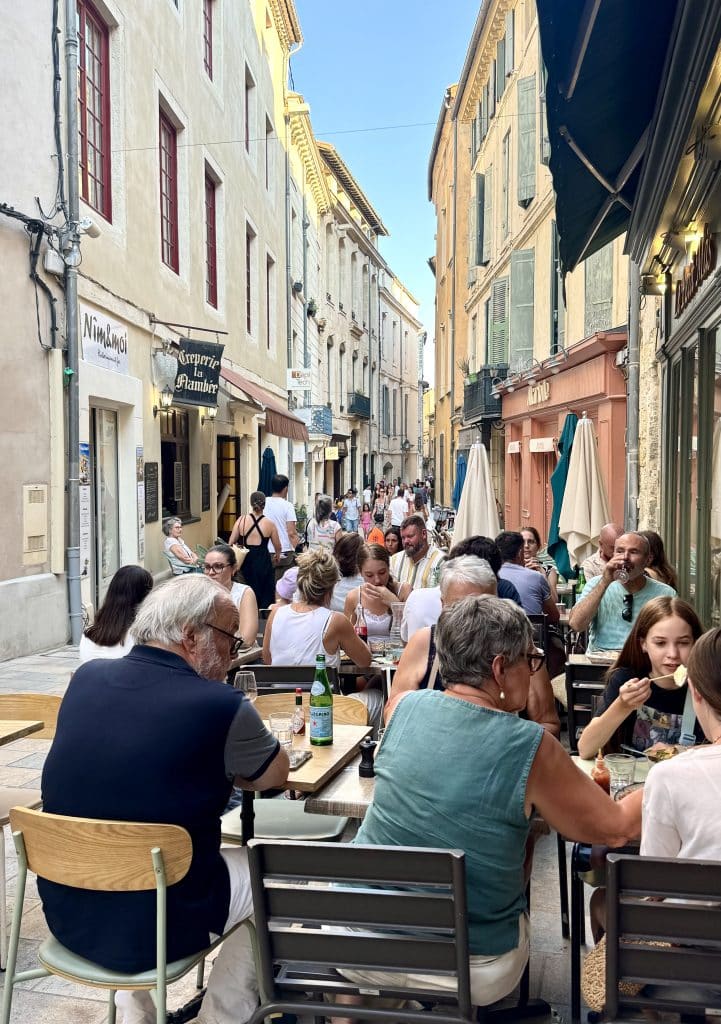
The summer travel cycle featured extensive itineraries across Western and Central Europe, offering a microcosm of broader tourism trends. In the Provence region of France, travel itineraries heavily integrated rural exploration with cultural events, such as regional wedding celebrations, artistic exhibitions in Van Gogh’s historic home of Arles, and coastal excursions along the French Riviera. However, the severe heat posed significant challenges for unprepared tourists, underscoring a growing demand for climate-controlled accommodations and sustainable regional planning.
In Ireland, urban tourism in Dublin intersected with family milestones and milestone celebrations, illustrating the enduring appeal of experiential, community-focused travel. Industry metrics show that cultural tourism—ranging from historical distillery tours to immersive culinary experiences—remains a primary driver of visitor retention in Ireland. Furthermore, outdoor recreational activities, such as coastal swimming and regional hiking in Howth, reflect a broader consumer shift toward health, wellness, and nature-based tourism.
Meanwhile, Central Europe continued to capitalize on major entertainment and cultural programming. The convergence of high-profile international music acts, such as large-scale arena tours in Prague, demonstrated the significant economic multiplier effect of music tourism. Event-driven travel has emerged as one of the most resilient sectors of the post-pandemic economy, drawing international crowds and driving high occupancy rates for local hospitality providers.
The Emerging Phenomenon of Travel Burnout

Despite the economic vitality injected into local markets by international tourism, a parallel conversation has gained momentum regarding traveler fatigue. Frequent flyers, travel content creators, and global nomads are increasingly reporting symptoms of systemic burnout. Industry experts attribute this phenomenon to a lack of adequate downtime between consecutive long-haul trips, compounded by the logistical complexities of modern transit, fluctuating exchange rates, and the erosion of personal daily routines.
Psychological and physiological assessments of chronic travelers suggest that frequent changes in accommodation and time zones disrupt essential lifestyle habits, including consistent work schedules, physical fitness regimens, and dietary stability. Furthermore, the psychological weight of prolonged separation from domestic anchors—such as pets, permanent residences, and localized social support networks—contributes significantly to traveler exhaustion.

In response to these pressures, a growing segment of the travel community is advocating for intentional deceleration. Strategies being adopted by frequent travelers include capping quarterly trips, prioritizing slow travel methodologies, and extending stays in single locations to foster a sense of normalcy and integration. This trend aligns with broader shifts in corporate and consumer wellness, where work-life balance is increasingly prioritized over perpetual motion.
Logistical Innovations and Consumer Adaptation

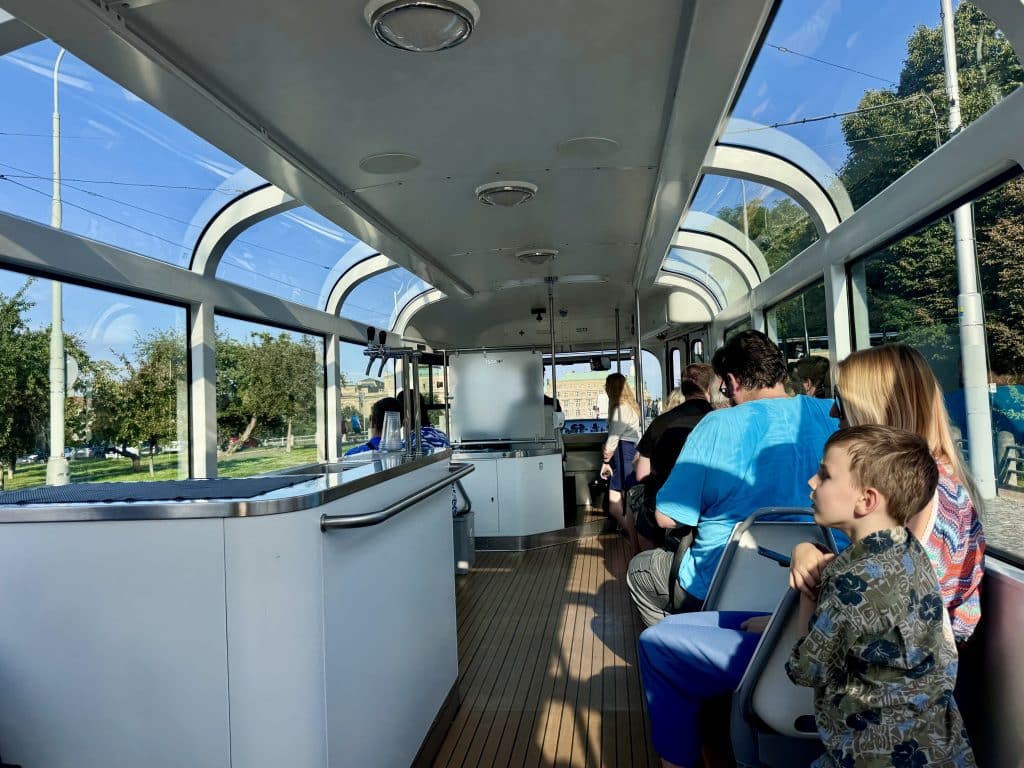
As travelers navigate the complexities of modern mobility, technological and infrastructural adaptations continue to reshape the tourist experience. The widespread adoption of embedded subscriber identity modules (eSIMs) has streamlined international connectivity, reducing reliance on physical roaming cards and mitigating telecommunication friction across borders. Similarly, advancements in public transit infrastructure—such as modernizing historic tram networks and expanding regional rail links—have enhanced the urban mobility experience in major European capitals.
Concurrently, travelers are exercising greater discernment in accommodation bookings, placing a higher premium on essential climate infrastructure, such as reliable air conditioning and sustainable energy systems, in anticipation of increasingly volatile weather patterns. These consumer preferences are forcing property owners and hospitality providers to upgrade their facilities to meet elevated expectations for comfort and safety.
Looking Forward: Long-Term Outlook and Future Itineraries
As the global travel community transitions from the peak summer season into the autumn shoulder period, strategic planning for future expeditions is undergoing a fundamental recalibration. Industry observers anticipate a general contraction in the frequency of short-term, multi-destination itineraries, replaced by more focused, immersive journeys. For many long-term travelers, upcoming schedules reflect a deliberate effort to achieve geographical equilibrium, balancing extensive international exploration with prolonged periods of domestic residency.
Ultimately, the mid-year travel review underscores a pivotal maturation phase in contemporary global tourism. While the desire to explore international cultures, attend landmark cultural events, and connect with global communities remains undiminished, the industry is increasingly compelled to balance economic enthusiasm with sustainable personal practices. Navigating this delicate equilibrium will be critical for maintaining the long-term health and viability of the global travel ecosystem.