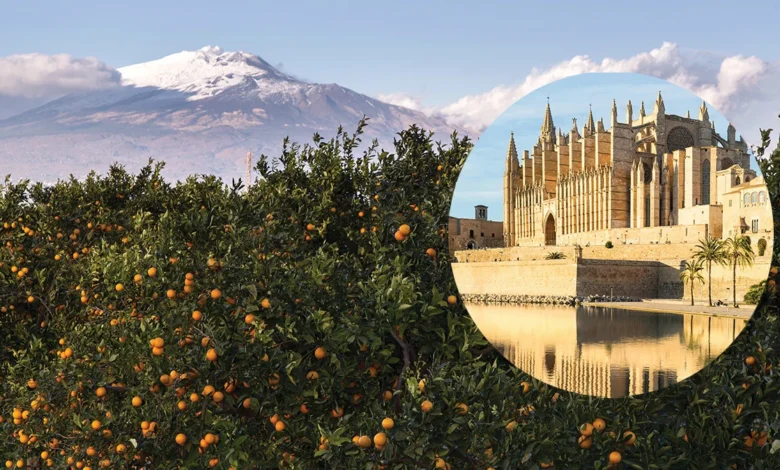
For decades, the Mediterranean basin has been defined by the frenetic energy of midsummer—a period characterized by overcrowded beaches, strained infrastructure, and temperatures that frequently climb into uncomfortable territory. However, a significant shift in travel patterns is currently underway as discerning travelers and high-end hospitality groups pivot toward the region’s long-overlooked off-season. This transition represents a return to the Mediterranean’s historical roots; before the mid-20th-century obsession with sun-drenched summer holidays, the Côte d’Azur and its neighboring coasts were the premier winter retreats for European aristocracy, seeking mild climates and cultural enrichment away from the harsher northern winters.
The growing demand for year-round accessibility is underscored by logistical shifts within the travel industry. All-business airline La Compagnie has recently extended its New York-to-Nice route to a year-round service, a strategic move that reflects a robust appetite for off-season connectivity. Luxury hospitality brands are following suit, with iconic properties like Lake Como’s Passalacqua investing in infrastructure, such as indoor pools, to ensure that the guest experience remains seamless regardless of the thermometer.
The Strategic Shift: Why Now?
Data from major travel consortiums suggests that travelers are increasingly prioritizing "slow travel" and cultural immersion over the traditional beach-club circuit. The benefits of visiting the Mediterranean between November and March are threefold: significantly reduced foot traffic at major historic sites, localized and authentic culinary experiences, and a more intimate connection with the local populace.

Industry experts, including Jack Ezon of Embark Beyond and Virginia Irurita of Made for Spain & Portugal, argue that the "shoulder season" now extends deep into winter. By bypassing the logistical bottlenecks of August, travelers can utilize high-end services—such as private helicopter transfers from Nice to Monaco—to bypass coastal congestion, effectively reclaiming time and convenience.
November: The Jazz Season in the Principality
Monaco serves as the primary gateway to the winter season. The annual Monte-Carlo Jazz Festival, which spans 12 days, transforms the Principality into a hub for world-class music, providing a sophisticated alternative to the high-octane atmosphere of the Monaco Grand Prix.
Logistically, the winter months allow for a more efficient transit experience. By shipping luggage ahead and utilizing the 15-minute helicopter shuttle from Nice Côte d’Azur Airport, visitors can circumvent the coastal road traffic that plagues the French Riviera. The Hotel Hermitage, often cited as a more discreet yet equally opulent alternative to the Hotel de Paris, provides a central base for attendees. On the Place du Casino, the dining scene remains vibrant; venues like Amazónico maintain an active social calendar, often transitioning from refined Latin American dining to a club-like atmosphere as the night progresses, proving that the Mediterranean winter is far from sleepy.
December: The Citrus Harvest and Sicilian Tradition
As the calendar turns to December, the focus shifts to Sicily. This period coincides with the island’s annual citrus harvest, a time when the regional culinary identity is at its most expressive. Local menus feature an abundance of blood oranges, lemons, and mandarins, often showcased in Michelin-starred establishments such as I Pupi.

Beyond the culinary allure, the physical landscape offers a distinct contrast. The northern slopes of Mount Etna become a destination for winter sports, providing family-friendly skiing with a view of the Mediterranean Sea. For accommodation, the demand for villa estates, such as the 12-bedroom Rocca delle Tre Contrade, has surged. According to Andrea Grisdale of IC Bellagio, the winter allows for a deeper appreciation of historical sites like the Valley of the Temples in Agrigento. Contemporary dining options, such as the restaurant Kalos, capitalize on the quiet season by offering diners an unobstructed view of the ancient, illuminated landscape—a vantage point that is rarely achievable during the dense crowds of summer.
January: The Rise of Athletic Tourism in Mallorca
Mallorca has quietly repositioned itself as a global epicenter for professional and amateur cycling. The temperate climate of the Balearic Islands in January provides an ideal environment for endurance training, leading to the establishment of the Challenge Ciclista. This event, which spans five one-day races, attracts top-tier cyclists and serves as a benchmark for the island’s tourism strategy.
The shift toward active, outdoor-focused tourism in the off-season has prompted high-end resorts like Cap Rocat, housed in a converted 19th-century fortress, to extend their operational calendars. For the culinary-minded, the island features restaurants like Andana, led by Michelin-recognized chef Maca de Castro, which emphasizes the "farm-to-table" ethos that flourishes during the winter harvest. The integration of high-performance e-bike rentals has further democratized the cycling experience, allowing less experienced riders to tackle the island’s rolling terrain, further cementing Mallorca’s reputation as a year-round destination.
February and March: The Authentic Soul of Crete
The winter cycle concludes in the Eastern Mediterranean, specifically in Crete. Ileana von Hirsch of Five Star Greece notes that the late winter months reveal the "authentic self" of the island, characterized by a lack of commercial tourism pressures.

A central highlight of the late winter calendar is the lead-up to Orthodox Lent, specifically the celebration of Tsiknopempti, or "Smoky Thursday." On March 4, 2027, the tradition of grilling meats will once again take center stage, serving as a communal event that draws locals and visitors together in the chora, or old town, of Chania. For those seeking nightlife, the Fagotto Jazz Bar remains an essential institution; its subterranean, historic setting provides a stark, atmospheric contrast to the bright, open-air beach clubs that define the summer months.
Economic and Environmental Implications
The trend toward year-round Mediterranean travel holds significant implications for the regional economy. Tourism, historically a seasonal industry, is prone to "boom and bust" cycles that strain labor markets and environmental resources. By flattening the demand curve across twelve months, destination managers can provide more stable employment for hospitality staff and reduce the environmental footprint caused by the hyper-concentration of visitors in July and August.
Furthermore, the shift reflects a broader change in consumer behavior. The modern luxury traveler is moving away from the "checklist" style of tourism toward experiences that require time and local engagement. Whether it is attending a jazz festival in Monaco, witnessing a citrus harvest in Sicily, cycling the rugged paths of Mallorca, or participating in a traditional feast in Crete, the winter Mediterranean offers a depth of experience that is physically and mentally inaccessible during the peak season.
As connectivity continues to improve and the hospitality sector continues to adapt, the Mediterranean is effectively reclaiming its status as a destination for all seasons. The data indicates that the "off-season" is rapidly becoming the "prime season" for those who value privacy, authenticity, and the preservation of the cultural heritage that makes the region a global treasure. For the traveler, the message is clear: the most rewarding way to experience the Mediterranean is to arrive when the crowds have left, and the true character of the coast is allowed to shine.
Related posts: