The Art of Connection and the Evolution of Luxury at Waldorf Astoria Costa Rica Punta Cacique

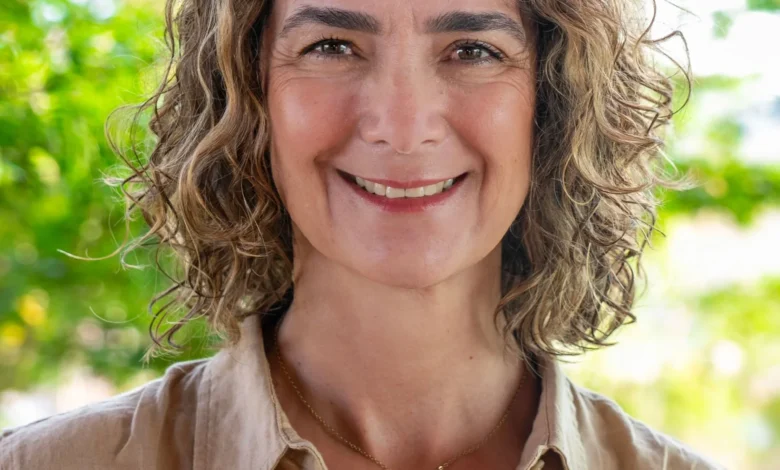
Nazaret Carbonari has spent more than three decades navigating the complex architecture of the global hospitality industry, a career path that began in the humble, high-pressure environment of a PBX department and ascended to the helm of some of the world’s most prestigious properties. Today, as the general manager of the Waldorf Astoria Costa Rica Punta Cacique, Carbonari oversees a project that represents the modern evolution of luxury travel: the transition from traditional, service-centric hospitality to a model defined by hyper-personalized, culturally immersive experiences.
The Philosophical Pivot in Global Hospitality
The hospitality industry has undergone a seismic shift since the turn of the century. In the early 2000s, luxury was defined primarily by the opulence of hardware—gold-leaf fixtures, high-thread-count linens, and white-glove service. Data from industry analysts suggest that the post-pandemic luxury traveler has pivoted toward "experiential capital." According to recent luxury travel indices, over 70% of high-net-worth individuals now prioritize access to local culture and wellness-centric activities over conventional material extravagance.
Carbonari’s approach at Punta Cacique aligns with this industry-wide trend. Her philosophy centers on the Pura Vida spirit—the Costa Rican mantra of "pure life"—not as a marketing slogan, but as a framework for operational excellence. By integrating the local environment into the resort’s core functions, Carbonari is attempting to solve the "generic luxury" problem, where five-star properties often feel interchangeable regardless of their geographic location.
Chronology of a Resort Development
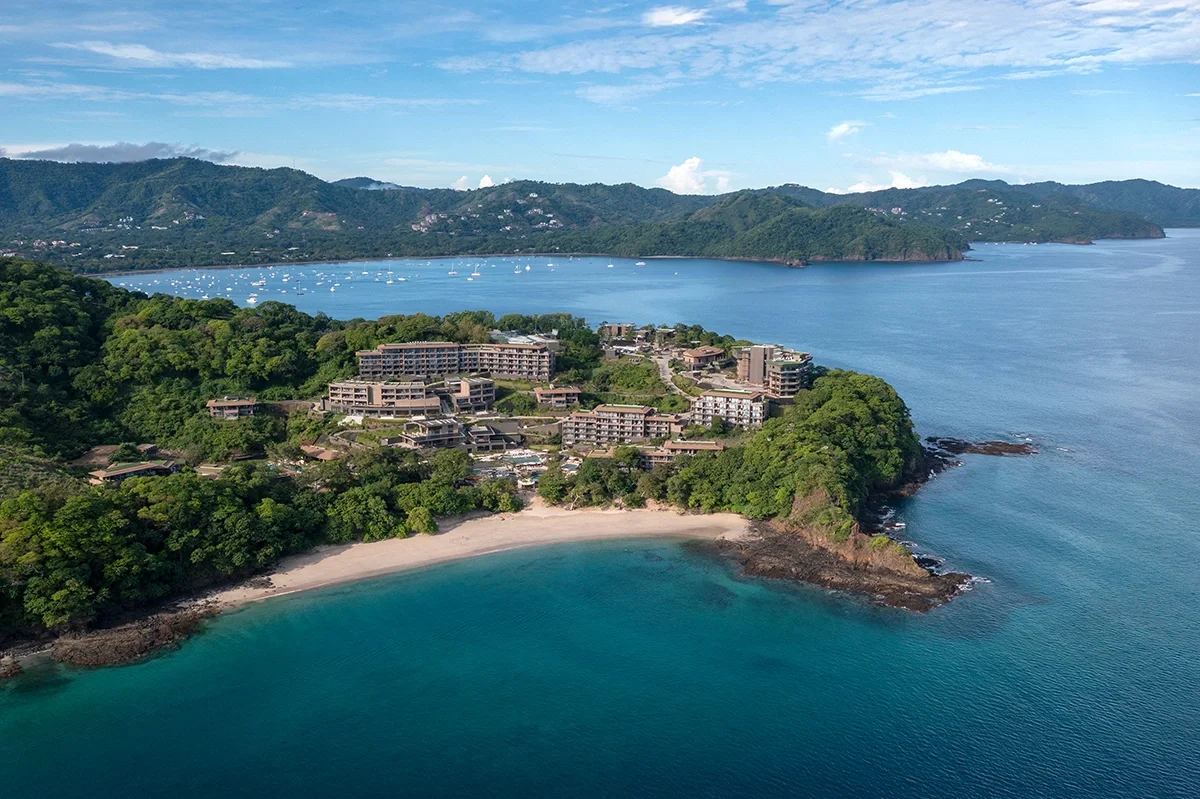
The development of the Waldorf Astoria Costa Rica Punta Cacique is part of a broader expansion strategy by Hilton to bolster its luxury footprint in Central America. The project was conceived as an answer to the growing demand for sustainable luxury in the Guanacaste province, a region that has seen a 15% increase in luxury tourism demand over the last five years.

- 2021-2022: Initial site planning focused on environmental mitigation, aiming to preserve the native dry tropical forest of the Cacique Peninsula.
- 2023: Construction phases prioritized bioclimatic architecture, ensuring that structures followed the natural topography of the land.
- 2024-2025: Operational teams, led by Carbonari, finalized the "cultural integration" programming, which includes partnerships with local coffee cooperatives and traditional culinary artisans.
- 2026: The resort officially established its reputation as a sanctuary for those seeking a synthesis of high-service hospitality and ecological conservation.
The Estate 9 Phenomenon: A New Asset Class
One of the most notable features of the property is Estate 9, a 10,000-square-foot, five-bedroom residence that challenges the traditional hotel room model. In the current real estate and hospitality market, the "private residence within a resort" is becoming an increasingly valuable asset. It allows guests to enjoy the autonomy of a private home while retaining access to the logistical backbone of a global luxury brand.
From an investment standpoint, this model is highly effective. It mitigates the isolation of a private villa while providing the hotel with a premium product that can command nightly rates significantly higher than standard suites. The Estate 9 concept leverages the "shared-service" model: guests have dedicated concierge teams and private chefs, but they also have immediate access to the resort’s full-scale spa and dining infrastructure. This hybrid model is increasingly favored by multi-generational families who require the expansive, private living spaces that standard hotel configurations cannot provide.
Sustainability as a Luxury Standard
Modern luxury is increasingly synonymous with environmental stewardship. At Punta Cacique, the integration of native flora serves both a functional and aesthetic purpose. The resort utilizes xeriscaping—landscaping that requires little or no irrigation—to conserve water, a critical resource in the Guanacaste region.
Furthermore, the architecture employs the "passive cooling" technique, using the natural coastal breezes and strategic building orientation to reduce energy dependency. Industry experts note that properties failing to integrate these sustainability metrics are finding it harder to compete in the ultra-luxury sector, where the clientele is becoming increasingly sophisticated regarding a brand’s carbon footprint.
The Human Element in Personalized Hospitality
While technology and infrastructure provide the foundation, Carbonari emphasizes that the core of the Waldorf Astoria experience remains the human connection. The challenge for any general manager today is scaling this intimacy. As the property grows, maintaining a consistent level of personalized service requires robust data management combined with intuitive staff training.
"The art of hospitality is knowing what the guest needs before they realize they need it," Carbonari notes. This involves the use of pre-arrival surveys and subtle observation, a practice that has evolved from traditional concierge logs to digital CRM (Customer Relationship Management) systems that track guest preferences globally across the Hilton brand.
Economic and Cultural Implications
The impact of the Waldorf Astoria Costa Rica Punta Cacique extends beyond its property lines. By prioritizing local culinary experiences and local sourcing, the resort serves as an economic engine for the Guanacaste region. When luxury resorts successfully integrate local culture, it often leads to a "halo effect" for the surrounding area, increasing the value of local goods and services.
Analysts suggest that the success of such projects depends on the delicate balance between foreign investment and local heritage. If the resort succeeds in its goal of helping guests "discover a side of Costa Rica they could not have experienced elsewhere," it sets a high bar for future developments in the region.
Future Projections
Looking ahead, the demand for "wellness-oriented" luxury is projected to continue its upward trajectory. The Treehouse Spa Suites, which utilize the natural landscape to enhance the therapeutic effects of the treatments, are a direct response to this shift. As travelers become more attuned to their own mental and physical well-being, the role of the hotelier is increasingly overlapping with that of a wellness coach or a cultural curator.
The evolution of the Waldorf Astoria in this specific pocket of Costa Rica serves as a case study for the industry at large. It demonstrates that the most successful luxury properties of the next decade will not be those with the most gold or the largest lobbies, but those that can best synthesize the "Pura Vida" ethos of the destination with the precision and reliability of global luxury standards.
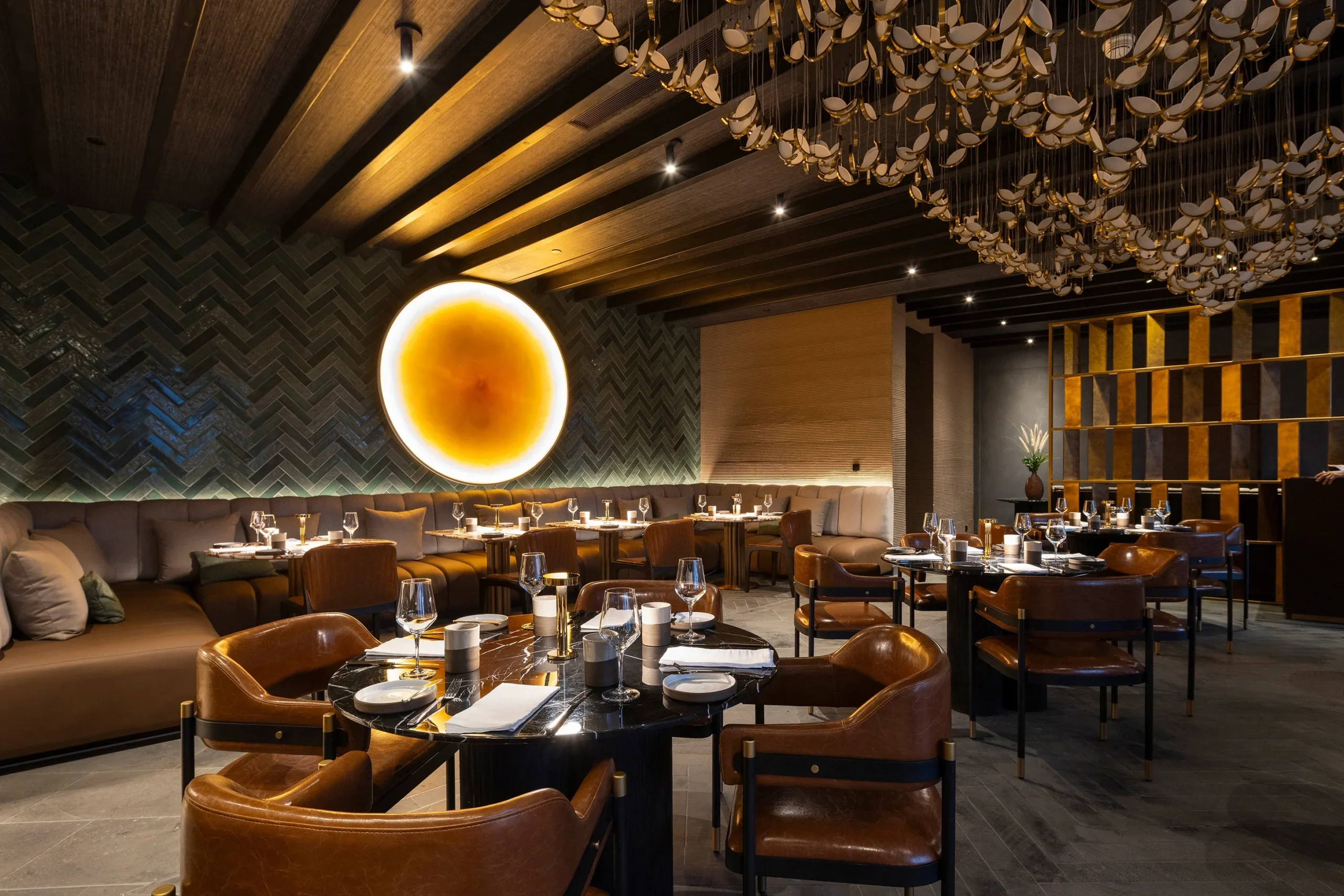
For guests choosing between a standard luxury hotel and an estate-style experience, the choice is ultimately driven by a desire for agency. Estate 9 provides the guest with the ability to curate their own environment, while the resort’s broader offerings ensure that the logistical friction of travel—transportation, dining, and activity planning—is effectively removed.
In conclusion, Nazaret Carbonari’s leadership at the property reflects a nuanced understanding of a changing global market. By focusing on the intersection of privacy, environmental awareness, and deep cultural immersion, the Waldorf Astoria Costa Rica Punta Cacique is positioning itself not just as a destination, but as a blueprint for the future of the luxury hospitality industry. As the lines between residential living and hotel stays continue to blur, the property’s ability to adapt to these shifts will likely remain its most significant competitive advantage.