In most global metropolitan centers, the act of retail therapy is often synonymous with logistical strain: navigating gridlocked traffic, adhering to rigid appointment schedules, and enduring the uncertainty of inventory availability. However, Las Vegas has redefined the paradigm of luxury commerce. By integrating world-class fashion houses directly into the infrastructure of its most iconic resorts, the city has transformed shopping from a peripheral errand into a seamless, high-touch extension of the hospitality experience. For the discerning traveler, the distance between a high-stakes casino floor and a premier Hermès boutique is measured in steps, not city blocks, effectively eliminating the friction typically associated with luxury acquisition.
The Evolution of the Las Vegas Retail Landscape
The transformation of Las Vegas into a global luxury retail hub did not happen overnight. In the late 20th century, the city’s retail footprint was largely confined to souvenir shops and incidental gift boutiques. The shift toward high-end retail began in the 1990s as casino operators realized that the "Vegas experience" could be significantly enhanced by diversifying revenue streams beyond gaming. The opening of The Forum Shops at Caesars Palace in 1992 served as the catalyst, proving that a thematic, upscale shopping environment could drive massive foot traffic and increase the average spend per visitor.
By the early 2000s, this model evolved further. Developers began integrating flagship-style boutiques directly into hotel lobbies and corridors, creating a symbiotic relationship between luxury hospitality and premium retail. Today, Las Vegas represents one of the highest concentrations of luxury fashion houses in North America, with brands often recording higher sales-per-square-foot in their Las Vegas locations than in traditional metropolitan flagship stores.

The Concierge-Driven Shopping Model
The hallmark of the modern Las Vegas shopping experience is the integration of concierge services. Guests are no longer expected to navigate retail environments unaided. Through the coordination of hotel staff, visitors can access a suite of bespoke services designed to prioritize privacy and efficiency. These services include:
- Private Consultations: Arrangements for guests to meet with brand specialists or stylists in private back-of-house salons.
- Off-Hours Access: Coordinating with boutique managers to open shops before or after standard operating hours for exclusive, crowd-free browsing.
- In-Suite Presentations: A growing trend where inventory is brought directly to a guest’s suite, allowing for a personalized "try-on" experience in the comfort of their own accommodations.
- Logistics Management: Seamless delivery of purchases directly to a guest’s room or private residence, removing the burden of carrying shopping bags.
According to retail analysts, this concierge-led model is a direct response to the demands of the "ultra-high-net-worth" (UHNW) demographic, who prioritize time-optimization and privacy above all else. By leveraging the hotel’s internal infrastructure, retail brands can provide a level of service that matches the standards of the world’s finest five-star resorts.
Architectural Landmarks: A Tour of Premier Shopping Destinations
The retail landscape in Las Vegas is as diverse as its entertainment offerings, ranging from the hyper-modern, minimalist aesthetic of The Shops at Crystals to the thematic, immersive environments of The Venetian and Caesars Palace.
The Shops at Crystals: Modern Elegance
Situated at the heart of the ARIA Resort & Casino, The Shops at Crystals serves as the city’s premier destination for contemporary luxury. Spanning over 500,000 square feet, the center is an architectural marvel characterized by its faceted glass exterior. Recent investments have seen flagship stores—such as the expansive 3,800-square-foot Van Cleef & Arpels—design their spaces to mimic high-end residential interiors. This shift toward "apartment-style" retail, featuring private salons and dedicated hospitality areas, encourages longer dwell times and fosters a deeper relationship between the brand and the consumer.
Wynn and Encore: The Specialist Approach
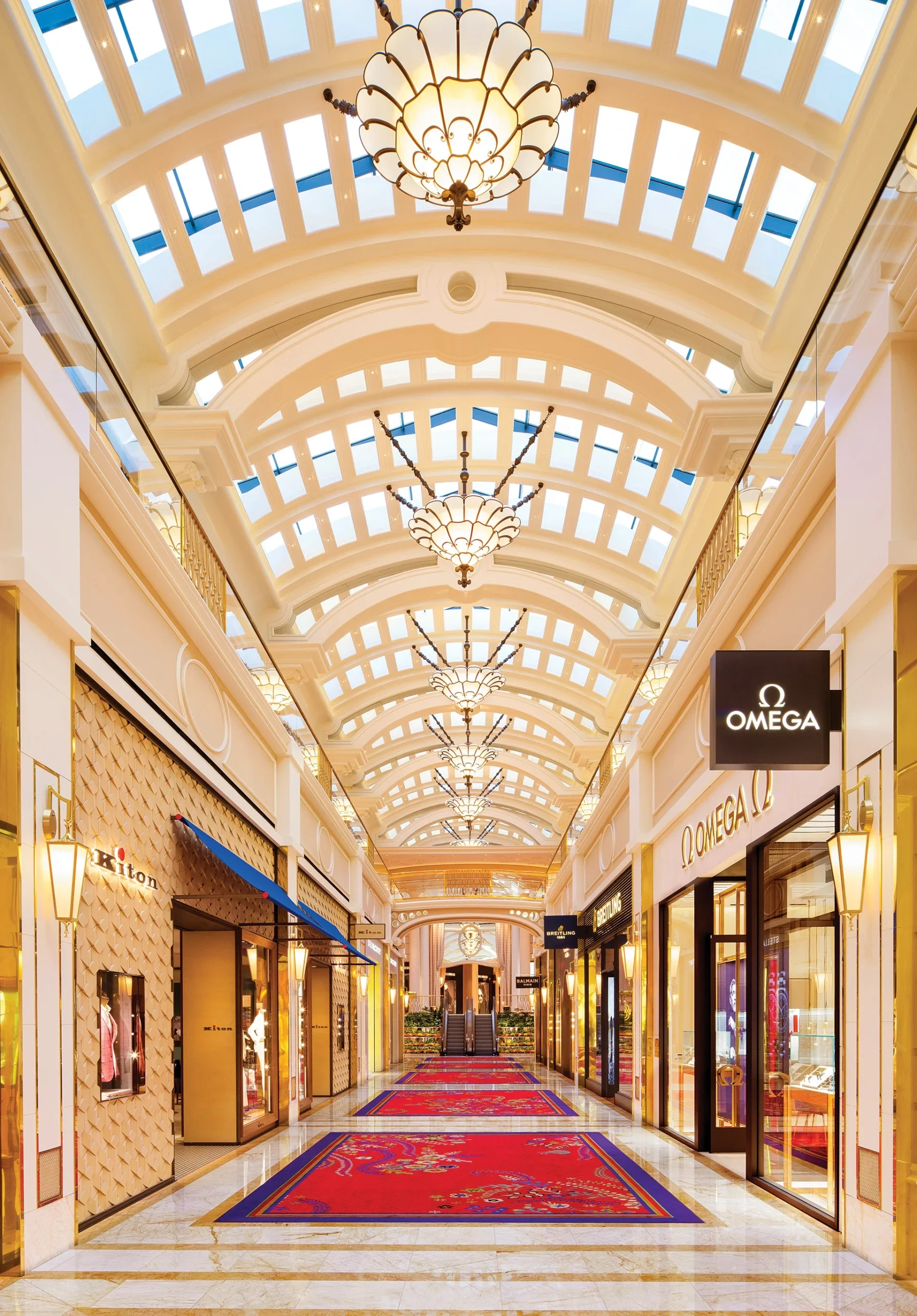
The retail experience at Wynn and Encore distinguishes itself through a focus on curation. Unlike the sprawling floor plates of other centers, the boutiques here function as an intimate extension of the resort’s overall brand identity. The focus is on specialist craftsmanship, exemplified by houses like Bijan—known for its ultra-exclusive, made-to-measure menswear—and Buccellati, which showcases the pinnacle of Italian high jewelry. The resort’s dedicated personal shopping team acts as a bridge, often sourcing specific pieces from global inventories to satisfy the requests of their most loyal guests.
Via Bellagio: The Pinnacle of Fine Jewelry
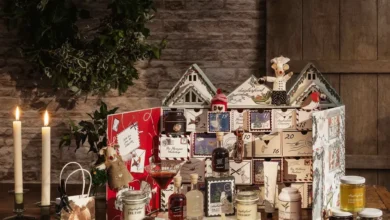
For those prioritizing horology and high jewelry, Via Bellagio remains the city’s undisputed authority. The center hosts a robust collection of industry leaders, including a 2,800-square-foot Rolex boutique and permanent residences for Harry Winston, Omega, and Cartier. Beyond standard retail, the Bellagio capitalizes on its seasonal assets, such as the Conservatory & Botanical Gardens, to offer exclusive retail pop-ups. During the winter holidays, these installations offer a curated selection of artisanal goods that provide a unique, non-designer alternative to the standard luxury fare.
The Venetian and The Forum Shops: The Theatrical Experience
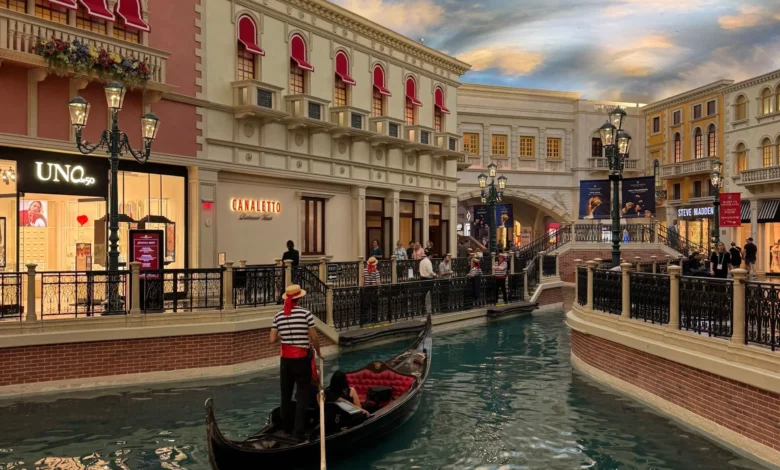
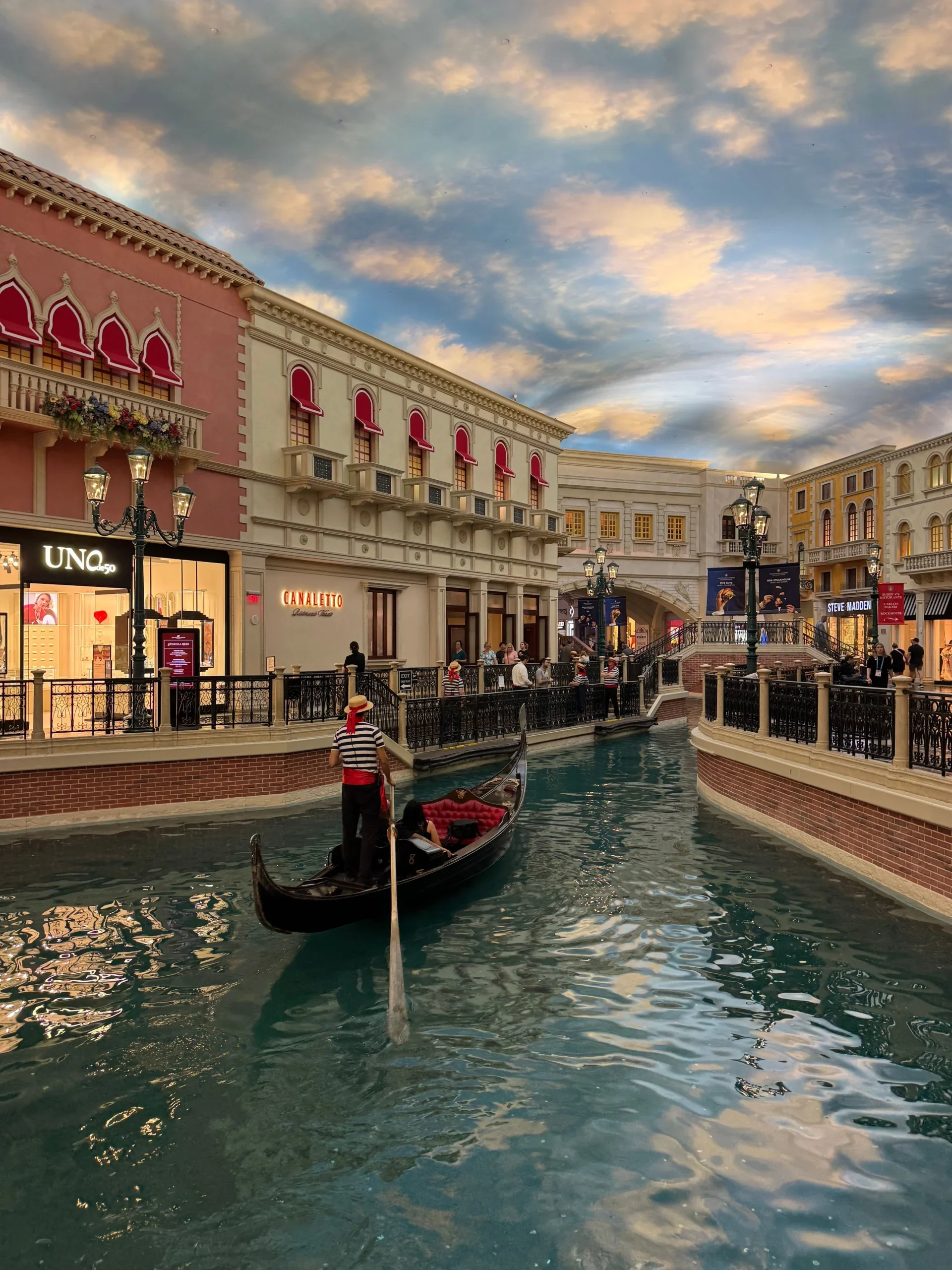
The Venetian’s Grand Canal Shoppes and the Forum Shops at Caesars Palace represent the intersection of retail and spectacle. While these locations are heavily trafficked by the general public, their "Luxury Wings" provide a sanctuary for serious collectors. The theatricality of these environments—ranging from the singing gondoliers at The Venetian to the animatronic displays at The Forum—is designed to create an emotional connection with the visitor, reinforcing the idea that in Las Vegas, shopping is an event rather than a transaction.
Economic Implications and Future Trends
The continued success of Las Vegas as a global luxury destination is reflected in the sustained investment by major conglomerates like LVMH, Kering, and Richemont. Market data suggests that the luxury retail sector in Las Vegas has shown remarkable resilience, often outperforming traditional retail malls in major U.S. cities. This is largely due to the "captive audience" effect; visitors to Las Vegas are already in a discretionary spending mindset, and the high concentration of retail outlets minimizes the risk of competition from online shopping.
Industry experts observe that the future of Las Vegas retail lies in "experiential commerce." As digital sales continue to dominate the market for standard luxury goods, physical stores are being forced to evolve. In Las Vegas, this means creating spaces that cannot be replicated online—such as private viewing rooms, champagne lounges within boutiques, and direct access to brand artisans.
Furthermore, the rise of the private jet terminal infrastructure at Harry Reid International Airport has further solidified the city’s status as a luxury hub. High-net-worth travelers can now transit from a private jet to a luxury hotel suite with minimal exposure to public spaces, a factor that has become increasingly important in the post-pandemic luxury market.
Conclusion: The Convenience of Exclusivity
For the modern luxury consumer, Las Vegas has successfully removed the friction from the shopping experience. By integrating high-end retail into the fabric of the resort experience and providing a sophisticated layer of concierge support, the city ensures that the acquisition of luxury goods remains a highlight of the stay rather than a chore. Whether one is seeking the latest runway collection from a flagship boutique or a bespoke piece of jewelry, the Las Vegas model provides an unparalleled level of service, discretion, and efficiency. As the city continues to evolve, it remains the gold standard for how luxury retail can thrive by embracing both the grandeur of the environment and the individual needs of the guest.