The tradition of the advent calendar, once a modest cardboard construction housing meager confectioneries, has undergone a radical metamorphosis within the high-end retail sector. Today, these seasonal countdowns serve as sophisticated gateways to the world’s most exclusive luxury houses, featuring everything from rare vintage spirits and artisanal truffles to high-performance skincare and bespoke jewelry. As the holiday season approaches, these curated experiences have become significant revenue drivers for premium brands, often selling out months before the first door is opened on December 1.
The Evolution of the Luxury Advent Market
The commercialization of the luxury advent calendar is a relatively modern phenomenon that reflects a broader shift in consumer behavior. In the early 2000s, the market was largely dominated by mass-market chocolate producers. However, the rise of the "experience economy" and the demand for curated discovery have incentivized luxury brands to treat the advent calendar as a flagship product. By bundling miniature or full-sized versions of their most sought-after products, brands provide a low-friction entry point for consumers to sample an entire ecosystem of goods.
Data suggests that interest in these items begins as early as August, with market analysts noting a distinct shift in consumer procurement habits. In 2026, the competitive landscape reached a new zenith, with heritage department stores and niche perfumeries launching waitlists during the peak of summer. This acceleration is driven by the exclusivity of the offerings; many of these calendars include limited-edition items or products that are otherwise unavailable for individual purchase, turning the countdown into a collector’s event.
Historical Context and The World’s Most Expensive Offering
While the commercial advent calendar is a modern retail marvel, its roots trace back to the 19th-century German tradition of marking the days until Christmas. However, the modern luxury iteration has moved far beyond simple paper doors. The current record for the most expensive advent calendar ever produced remains the 2021 bespoke creation by British designer Debbie Wingham. Valued at approximately $10.3 million, the piece was a masterclass in excess, constructed from reclaimed ebony and featuring diamond-encrusted artifacts, luxury travel accessories, and commissioned Ferrari-themed artwork. This creation underscored the transformation of the advent calendar from a seasonal toy into a piece of fine art and high-value investment.
A Curated Selection: Leading Collections for 2026
The 2026 market is defined by a dichotomy between beauty-focused collections and heritage craftsmanship.
Beauty and Wellness Powerhouses
The beauty sector continues to dominate the advent calendar space, with retailers like Liberty of London, Selfridges, and Harrods leading the charge. The 2026 Liberty of London Beauty Advent Calendar, valued at over £1,300 (approximately $1,757), has maintained its status as a perennial bestseller, having sold out for 11 consecutive years. Its value proposition is bolstered by the inclusion of 21 full-sized products, a significant draw for discerning beauty consumers. Similarly, the Selfridges Beauty Advent Calendar 2026 contains 40 distinct items, 33 of which are full-sized, targeting a high-value demographic interested in brands such as Augustinus Bader and Dr. Barbara Sturm.
For those prioritizing wellness, the Bamford Wellness Advent Calendar offers a holistic approach, integrating skincare with tools such as rose quartz gua sha stones and ritual cards, signaling a pivot toward "mindful consumption" during the festive period.
Fragrance and Spirits
Penhaligon’s has elevated the fragrance advent experience by leaning into the history of travel. Their 2026 calendar, designed as a series of stacked, knitted vintage trunks, houses 24 fragrance staples, including Luna and Halfeti, alongside artisanal home scents. In the spirits category, Drinks by the Dram has set the industry standard for collector-grade offerings. Their "Very Old & Rare Whisky Collection" is presented in an antique-style cabinet of black oak and walnut, featuring 30ml wax-sealed samples of whiskies such as the Dalmore 45 Year Old 1966 and the Yamazaki 18 Year Old Mizunara. This product is less of a seasonal gimmick and more of a curated tasting flight for serious connoisseurs.
Strategic Retail Trends
Retailers are increasingly utilizing advent calendars as a tool for brand storytelling. For instance, the Sisley Paris Marie-Victoire de Bascher collaboration serves to emphasize the brand’s connection to Parisian art and garden aesthetics. By commissioning bespoke illustrations, the brand transforms the product into a collector’s item that holds value well after the festive season.
Conversely, brands like Fortnum & Mason have leaned into the "do-it-yourself" market. Their Extra Large Piccadilly House Advent Calendar is an empty wooden structure designed to be filled by the purchaser. This caters to the "sentimentality market," where the value is derived not from the brand’s selection, but from the personal, hand-picked nature of the gifts contained within.
Economic and Environmental Implications
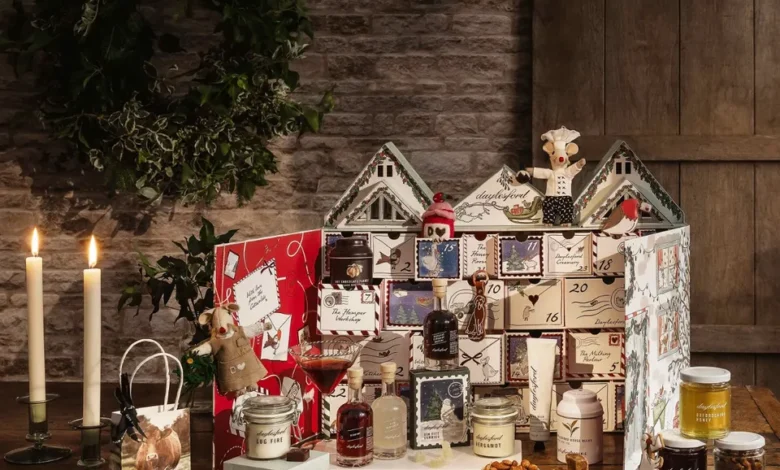
The rise of the luxury advent calendar is not without its critics. The industry faces mounting pressure regarding the sustainability of elaborate packaging. Many brands have responded by creating sturdy, refillable wooden or porcelain structures—such as the Villeroy & Boch Christmas Toys collection or the Daylesford wooden calendar—intended to be used for decades rather than discarded.
From an economic perspective, these calendars represent a high-margin opportunity for retailers. By bundling products, brands are able to clear inventory, increase the average transaction value, and foster long-term brand loyalty. Furthermore, the inclusion of "Golden Tickets"—such as the £1,000 vouchers hidden in select Liberty of London calendars—creates a gamified retail experience that encourages early purchasing and social media engagement.
Methodology and Market Selection
The curation of these luxury advent calendars is governed by rigorous standards of quality, brand prestige, and craftsmanship. In selecting the top offerings for 2026, market analysts look for a balance of:
- Product Value vs. Cost: The retail price of the calendar compared to the total value of the items inside.
- Exclusivity: The presence of limited-edition or hard-to-find items.
- Design and Longevity: The construction quality of the calendar itself, with a preference for sustainable, high-quality materials that encourage reuse.
- Brand Heritage: The alignment of the products with the prestige and reputation of the house.
Conclusion
The luxury advent calendar of 2026 is a far cry from its origins. It has become a sophisticated, multi-faceted product that sits at the intersection of retail, art, and high-end gifting. For the consumer, it represents a curated journey through a brand’s best offerings; for the retailer, it is an essential seasonal anchor that drives engagement and captures the spirit of the festive season in a tangible, high-value format. As we look toward future holiday cycles, the focus will likely remain on enhancing the "unboxing" experience, with an increasing emphasis on sustainability and bespoke, personalized elements that transform a countdown into a legacy.
Related posts: