Madrid Emerges as a Premier Global Destination for Urban Tourism and Cultural Excellence

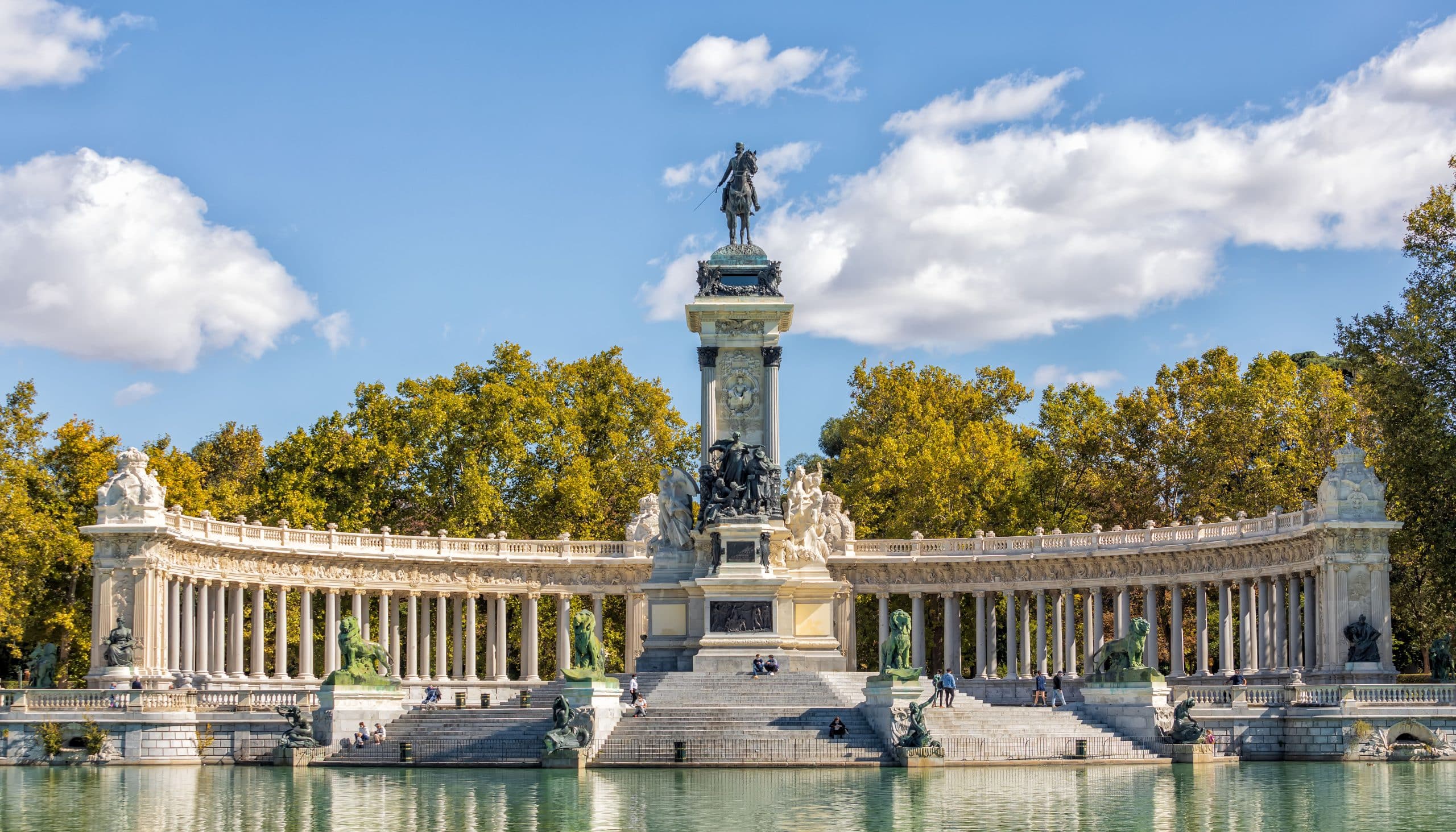
Madrid, the capital of Spain, has solidified its position as one of Europe’s most compelling metropolitan hubs, blending deep-rooted historical significance with a contemporary lifestyle that caters to global travelers seeking an authentic urban experience. Unlike destinations that cater primarily to seasonal tourism, Madrid operates as a self-sustaining, year-round economic and cultural powerhouse, characterized by a unique social rhythm, world-class museum infrastructure, and an evolving culinary sector that integrates traditional practices with modern innovation.
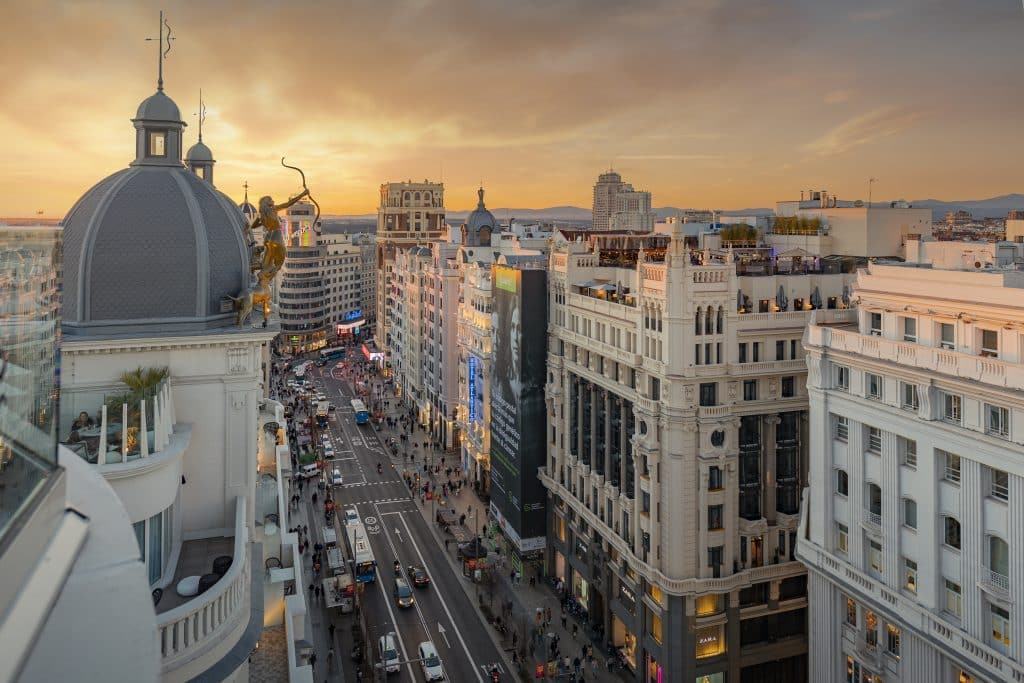
A Chronology of Growth and Urban Development
The development of modern Madrid is a testament to careful urban planning and the preservation of historical assets. For centuries, the city served as the seat of the Spanish monarchy, leading to the construction of grand infrastructure that defines its current aesthetic. However, in the late 20th and early 21st centuries, the city underwent a significant transformation to modernize its transport and tourism sectors.
The completion of the expansion of the Madrid-Barajas Airport (MAD) and the continuous optimization of the Madrid Metro system—which currently spans over 290 kilometers—have rendered the city one of the most accessible in Europe. Recent data from the Spanish National Statistics Institute (INE) indicates that Madrid consistently ranks among the top European cities for overnight stays, with the hospitality sector reporting high occupancy rates even during traditionally "off-peak" months. This resilience is attributed to the city’s strategic focus on "slow tourism," where visitors are encouraged to engage with local neighborhoods rather than merely visiting transit-heavy landmarks.
The Golden Triangle of Art and Cultural Infrastructure
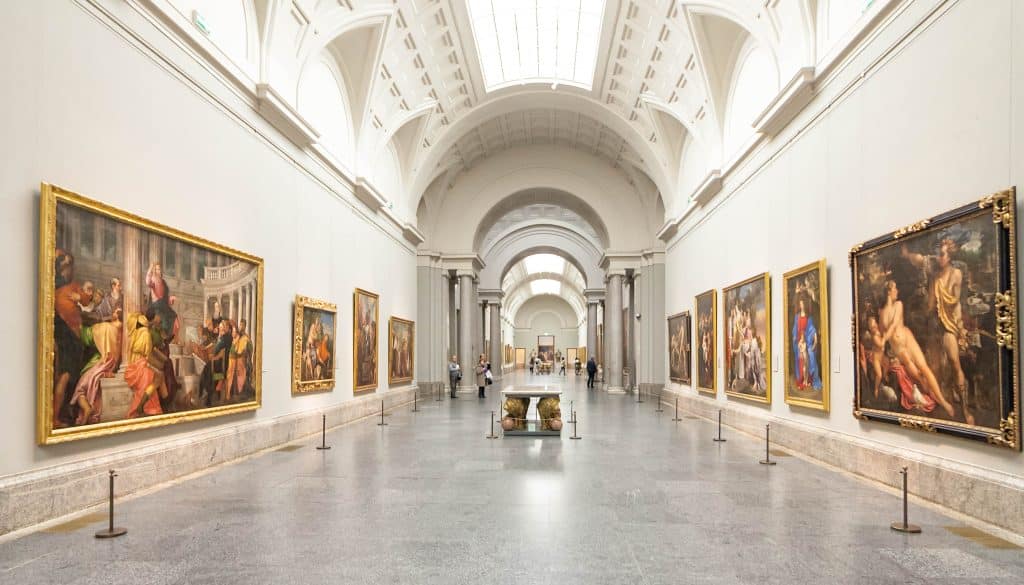
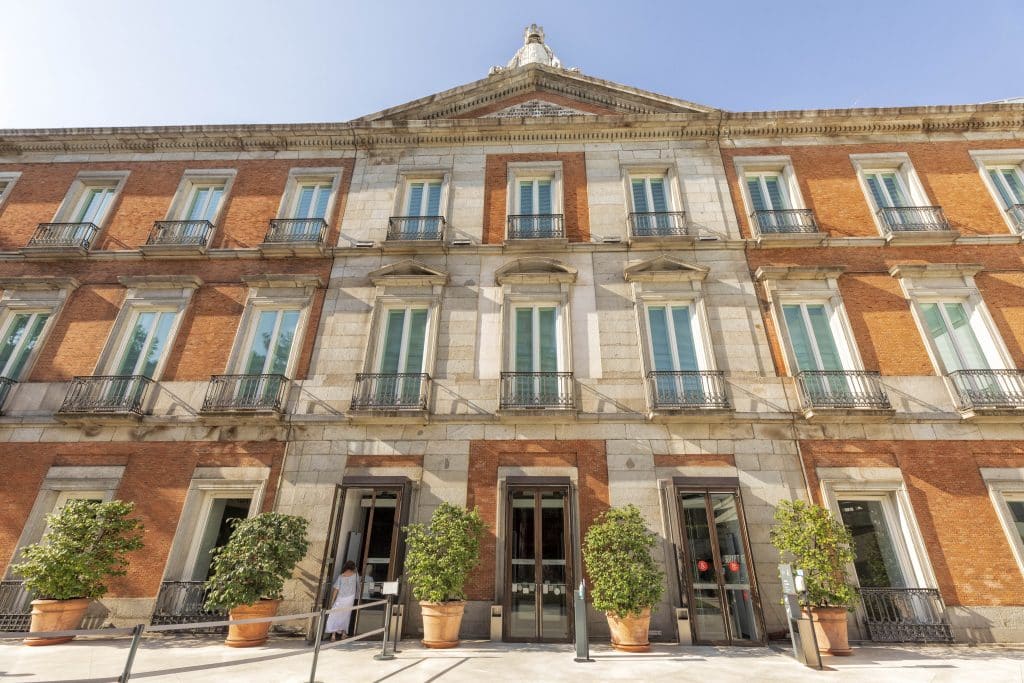
The core of Madrid’s tourism appeal is its "Golden Triangle of Art," comprising the Museo Nacional del Prado, the Reina Sofía National Art Centre, and the Thyssen-Bornemisza National Museum. These institutions are not merely tourist attractions but are globally recognized centers for historical and contemporary research.
The Reina Sofía, which houses Pablo Picasso’s Guernica, provides a critical historical lens into the 20th-century geopolitical landscape. Data from the Ministry of Culture and Sport highlights that these three museums collectively receive millions of visitors annually, acting as the anchor for the city’s cultural tourism strategy. The integration of these museums into the urban fabric—situated within a walkable radius—has allowed the municipal government to promote a pedestrian-friendly model of urban exploration, which is increasingly viewed as a blueprint for sustainable city management.
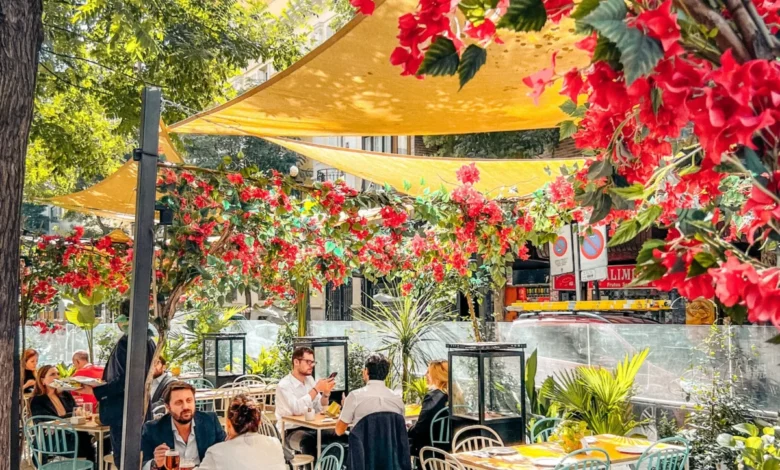
Economic and Social Dynamics of the Tardeo
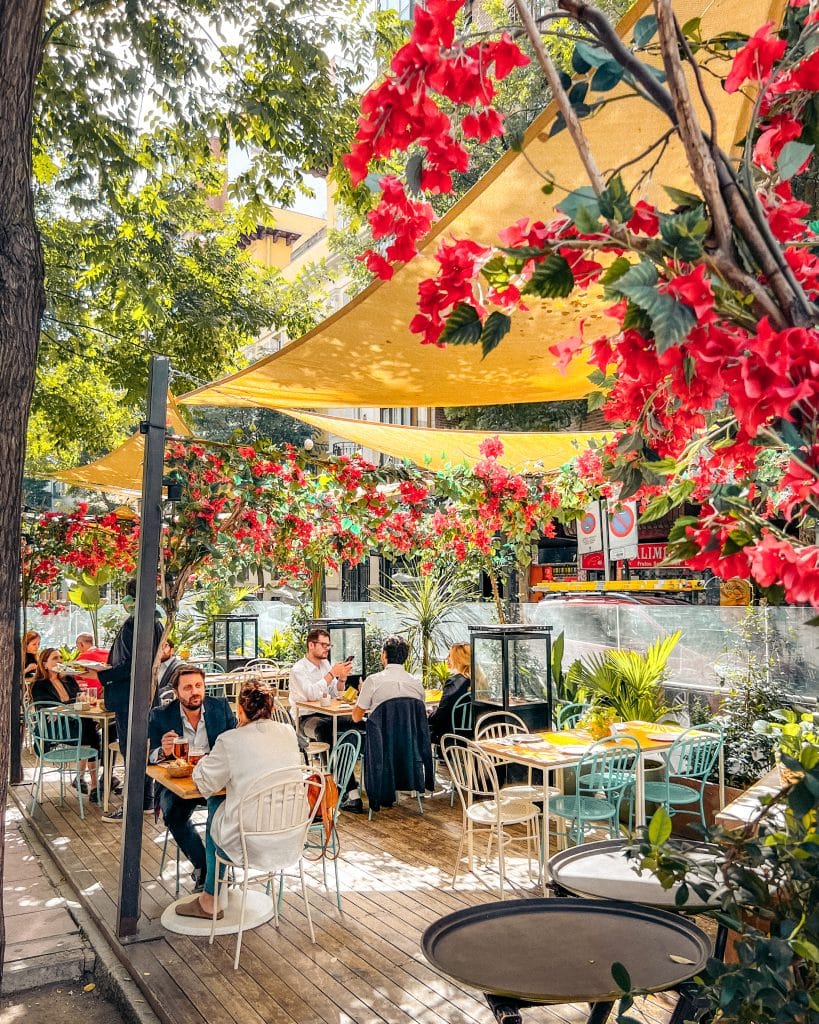
Madrid’s social structure is defined by a unique temporal rhythm that differentiates it from other major European capitals. The practice of tardeo—a social phenomenon involving afternoon gatherings on terraces, particularly in the upscale Salamanca district—has become a significant economic driver. This ritual extends the daily window for hospitality and retail activity, contributing to a robust local economy that remains vibrant until well past midnight.
From a sociological perspective, this schedule reflects a prioritization of community and social cohesion. Unlike cities where commerce dominates the urban experience, Madrid’s commercial districts are designed to facilitate social interaction. This has led to the emergence of specialized neighborhoods, each with a distinct economic identity:
- Malasaña: An incubator for creative industries, vintage retail, and independent cafés.
- Chueca: A hub for inclusivity and social progress, driving significant local tourism and hospitality revenue.
- Salamanca: The primary district for high-end retail and luxury hospitality services.
- Carabanchel: An emerging site for industrial-to-artistic repurposing, attracting investment in galleries and studio spaces.
Culinary Evolution and Market Integration
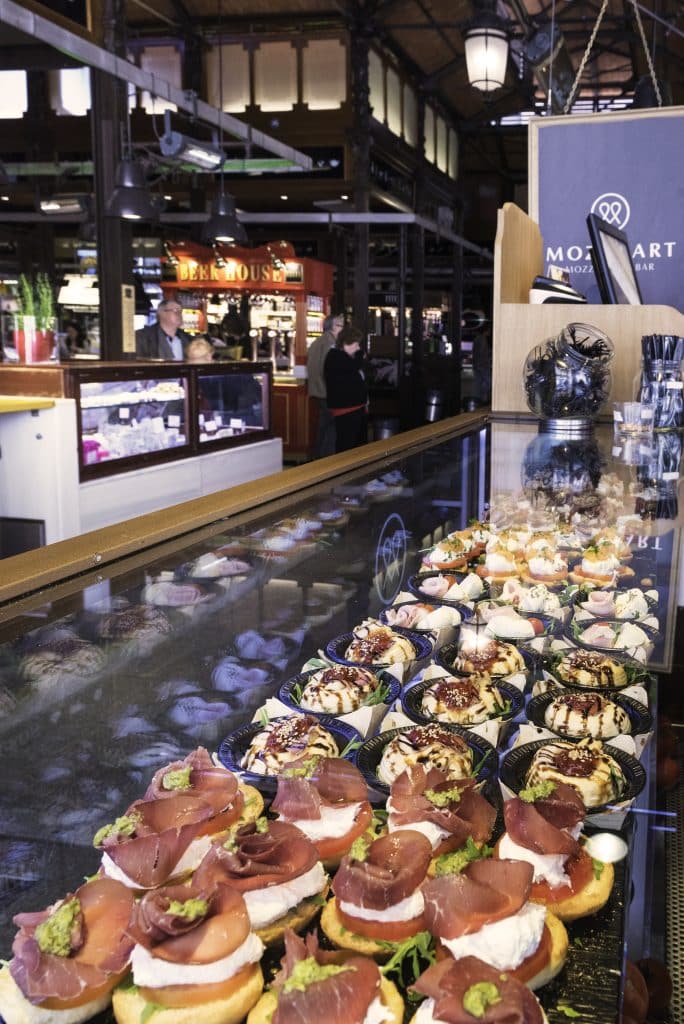
The culinary sector in Madrid has shifted from traditional tavern-based models to a sophisticated ecosystem that balances heritage with Michelin-starred innovation. The Mercado de San Miguel serves as a primary example of this evolution. Once a traditional municipal market, it has been repurposed into a high-density culinary hub that serves as a bridge between local producers and international visitors.
The economic implications of this shift are profound. By centralizing high-quality regional products—such as Iberian jamón and regional wines—in an accessible, historic setting, the city has created a scalable model for gastronomic tourism. Reports from the Madrid Destino tourism board suggest that gastronomic spending accounts for a significant portion of the average visitor’s daily expenditure, reinforcing the necessity of protecting the city’s century-old taverns and local market culture.
Comparative Analysis: Madrid versus Regional Rivals
In the broader context of European travel, Madrid is frequently compared to Barcelona. However, analysts note that the two cities serve different market segments. Barcelona’s appeal is heavily tied to its coastal geography and distinctive architectural history, whereas Madrid acts as the administrative and intellectual center of the Iberian Peninsula.
The primary difference lies in the demographic of the "resident experience." Madrid’s infrastructure is designed with a focus on internal density, resulting in a city that retains a high degree of local authenticity even in its most popular districts. While Barcelona faces challenges related to over-tourism and coastal environmental management, Madrid’s policy focus has remained on internal urban regeneration, such as the ongoing improvements to the Carabanchel district and the modernization of transit corridors in the Chamberí area.
Future Implications and Strategic Planning
The future of Madrid as a tourism destination appears tied to its ability to maintain its "local-first" identity while accommodating growth. Official reports from the municipal government emphasize that the city is currently focusing on:
- Sustainable Mobility: Increasing the share of electric public transit and expanding pedestrianized zones.
- Cultural Decentralization: Encouraging visitors to explore districts outside the historic center, such as the emerging creative hubs in the southern suburbs.
- Digital Integration: Utilizing the esmadrid.com platform to manage visitor flows and provide real-time information to mitigate overcrowding in major cultural sites.
For the international traveler, Madrid offers a stable, high-functioning, and culturally rich environment. Its ability to maintain a unique identity—operating on its own "clock"—while providing seamless access to the wider Spanish rail network (connecting the capital to high-speed lines in Seville, Valencia, and Barcelona) confirms its status as the logical starting point for any comprehensive exploration of the region.
As the city continues to attract foreign direct investment in the hospitality and arts sectors, the challenge for policymakers will be to ensure that the influx of tourism does not dilute the social fabric that defines the Madrileño way of life. Currently, the balance remains firmly in favor of a city that manages its popularity with institutional confidence, prioritizing the comfort of its residents alongside the needs of its visitors.