Discovering the Cultural and Historical Tapestry of Curaçao: A Guide to the Island’s Most Significant Landmarks

Curaçao, a constituent country of the Kingdom of the Netherlands, occupies a strategic position in the Southern Caribbean, approximately 40 miles off the coast of Venezuela. While often celebrated for its turquoise waters and pristine beaches, the island possesses a dense historical narrative that spans over five centuries. From its initial settlement by the Caquetio people to its transformation into a pivotal hub for transatlantic commerce and its eventual emergence as a modern, vibrant cultural epicenter, Curaçao’s identity is defined by a unique synthesis of Dutch, African, and Caribbean influences. Understanding the island requires more than a beach-side perspective; it necessitates an engagement with its maritime foundations, its complex plantation history, and a contemporary art scene that serves as a canvas for social evolution.
The Maritime Foundation: A History of Trade and Transition
The economic backbone of Curaçao has long been its harbor. The Port of Willemstad, characterized by its deep-water natural inlet known as St. Anna Bay, has served as a primary gateway for international trade since the mid-17th century. The Curaçao Maritime Museum, housed in a meticulously restored 19th-century building in the Scharloo district, provides a comprehensive chronicle of this trajectory.
Historical records indicate that the island’s harbor has facilitated trade across the Atlantic for 500 years. The museum’s permanent exhibition space, spanning three floors, traces the chronological development of this maritime prowess. The narrative begins with the Caquetio, an Arawak-speaking indigenous group who navigated the Caribbean waters using sophisticated canoe-building techniques. Following the arrival of Spanish explorers in 1499 and the subsequent Dutch conquest in 1634, the harbor evolved into a critical nexus for the Dutch West India Company.
Data from the maritime archives suggest that during the 18th century, Curaçao became one of the most significant slave-trading ports in the region, a dark reality that the museum integrates into its broader narrative of economic expansion. By the 20th century, the discovery of oil in Venezuela prompted the establishment of the Isla refinery, further cementing the port’s status as a regional industrial leader. The museum’s collection, which includes original nautical charts, intricate ship models, and early navigational instruments, underscores the technical ingenuity required to maintain such a high volume of maritime traffic across centuries of shifting geopolitical alliances.
Socio-Economic Evolution: The Savonet Legacy
To understand the social fabric of contemporary Curaçao, one must examine the plantation system that dominated the island’s interior until the mid-19th century. The Savonet Museum, situated at the entrance of Christoffel National Park, serves as an essential institution for this analysis. The site itself is a former plantation house, with core structures dating back to 1662, representing one of the oldest and most intact examples of colonial-era architecture on the island.
The Savonet Museum functions as a primary repository for the island’s social history, documenting the transition from the era of indigenous settlement through the height of the plantation economy to the emancipation of enslaved people in 1863. Through audio-visual narratives and preserved artifacts, the museum offers a nuanced look at the life of the plantation owners, the harsh realities faced by the enslaved population, and the subsequent evolution of customs and community identity post-emancipation.
From an academic perspective, the site provides a vital link to the island’s agrarian past. While many plantations were abandoned as the economy shifted toward shipping and petroleum, the preservation of Savonet allows for a scientific and sociological examination of how the island’s demographics were shaped. The site also highlights the resilience of the local population in adapting to the arid, challenging landscape of the western part of the island, a region often referred to as Bandabou.
The Urban Renaissance: Art and Community in Otrobanda
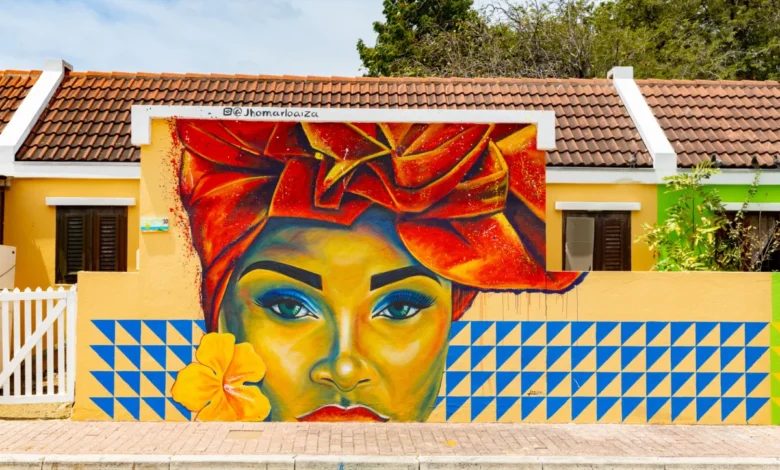
In contrast to the historical preservation found in the north, the district of Otrobanda—meaning "the other side"—represents the heartbeat of modern Curaçaoan creativity. Historically a working-class district, Otrobanda has undergone a cultural revitalization that has transformed its urban landscape into an open-air museum.
The transformation is largely driven by local artists and community-led initiatives. Projects such as the rainbow-painted steps at Van Lennepstraat, executed by artist Avantia Damberg, serve as urban landmarks that redefine public space. The density of murals connecting Quintastraat and Cornelis Dirksweg illustrates the district’s shift from a neglected neighborhood to an arts-focused hub.
The economic impact of this artistic movement is evidenced by the growth of local businesses, such as the Bario Hotel + Bar, which integrates tourism with community engagement by facilitating walking tours of these murals. Furthermore, the establishment of the Kaya Kaya Street Party, held bi-annually in August and December, highlights the role of art as a catalyst for social cohesion. By inviting artists, musicians, and culinary experts to revitalize neglected corridors, these events have fostered a sense of ownership among residents and generated sustainable tourism revenue. Analysis of these efforts suggests that Otrobanda is a case study in how public art can mitigate urban decay while promoting cultural preservation.
Artistic Landscapes: The Blue Bay Sculpture Garden
The intersection of tourism and public art is perhaps most prominently displayed at the Blue Bay Golf & Beach Resort in Boca Samí. The Blue Bay Sculpture Garden represents a significant investment in the island’s contemporary art sector. Initiated in 2017, the project features over 40 sculptures by 29 artists, including prominent local figures such as Giovanni Abath, Eddy Baetens, Babs de Brabander Sr., Hortence Brouwn, and Yubi Kirindongo.
The garden serves as a permanent, outdoor exhibition space that stretches from the resort entrance to the historic manor house, which was once the center of an active plantation. The curation of these works is notable for its emphasis on local materials, reflecting a commitment to regional artistic identity. By integrating large-scale installations into a leisure environment, the resort has provided a platform for Curaçaoan artists to reach an international audience, effectively diversifying the island’s cultural product.
Broader Implications and Future Outlook
The strategic integration of history and art into the Curaçaoan tourism product reflects a broader trend across the Caribbean, where destinations are increasingly moving away from "sun and sand" models toward experiential and heritage-based tourism. This shift has significant economic implications for the island, as it encourages longer visitor stays and higher engagement with local businesses.
Furthermore, the emphasis on institutionalized education—ranging from the maritime history preserved in Scharloo to the sociological focus of the Savonet Museum—serves as a necessary corrective to superficial historical narratives. By acknowledging both the achievements of maritime trade and the hardships of the plantation era, the island is fostering a more robust, honest, and multifaceted cultural identity.
The success of these cultural sites depends heavily on the ongoing support of both the government and private sector. As of the current fiscal period, investment in cultural infrastructure remains a priority for the Curaçao Tourist Board, which views heritage sites as essential for maintaining a competitive edge in a crowded regional market. The preservation of the island’s historic buildings, combined with the promotion of its modern street art, suggests that Curaçao is effectively navigating the tension between protecting its past and innovating for the future.
In conclusion, Curaçao offers a complex study of transformation. From the nautical charts that guided 17th-century explorers to the contemporary murals defining the streets of Otrobanda, the island demonstrates a consistent capacity for evolution. For the visitor, these sites are not merely tourist attractions; they are portals into the social, economic, and artistic forces that have defined one of the most resilient and vibrant cultures in the Caribbean. The preservation and presentation of these landmarks ensure that the narrative of the island remains not just a relic of the past, but a living, breathing component of its contemporary society.
Related posts: