The Cooper’s Hill Cheese-Rolling and Wake: Inside Gloucestershire’s Most Dangerous and Celebrated Annual Tradition

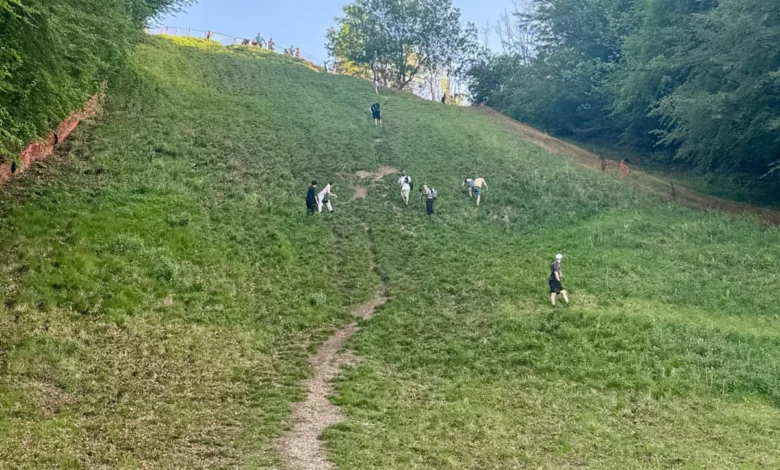
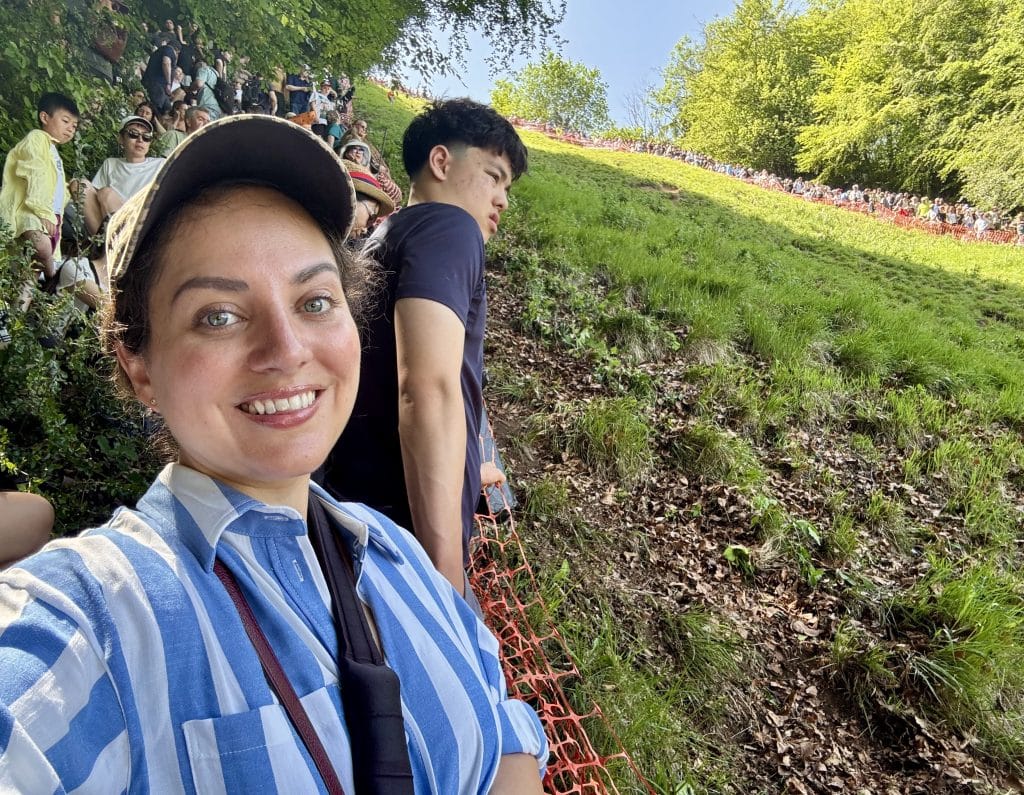
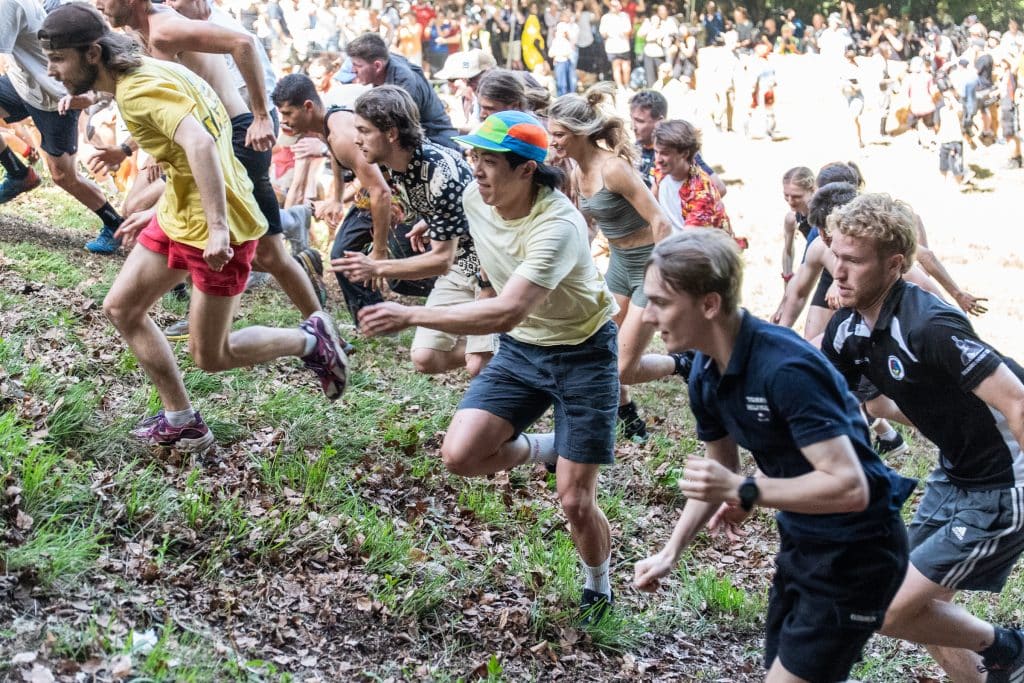
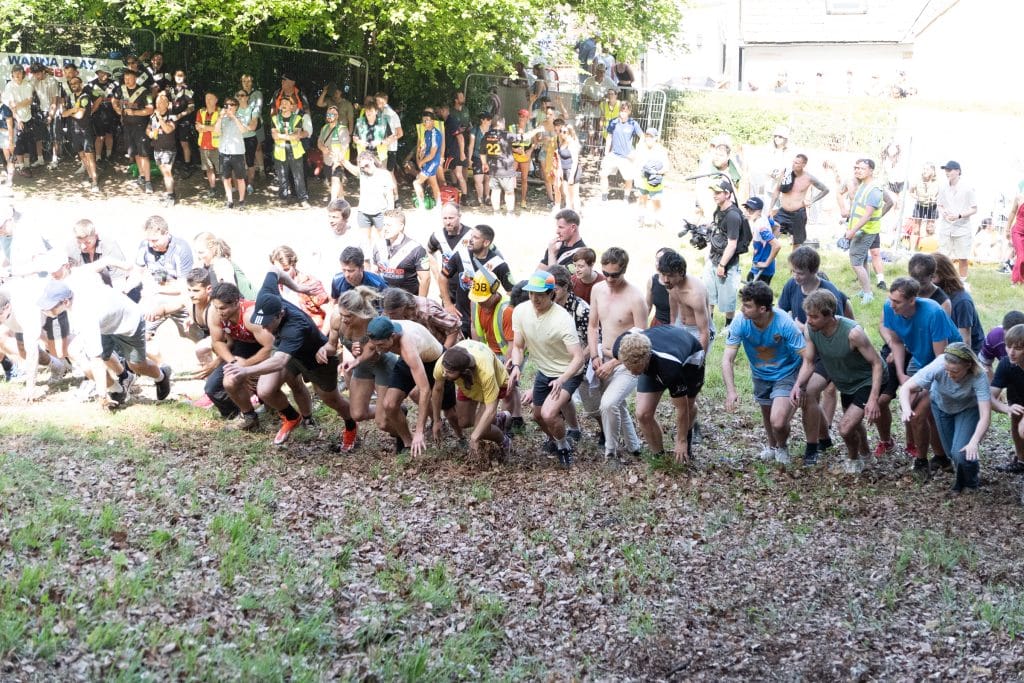
Every year on the final Monday of May, thousands of spectators and thrill-seekers gather on the dangerously steep incline of Cooper’s Hill in Brockworth, Gloucestershire, for one of the world’s most unique and perilous traditional events: the Cooper’s Hill Cheese-Rolling and Wake. The event, which traces its origins back centuries, centers around a seemingly simple premise: a seven-pound wheel of Double Gloucester cheese is released down a 200-yard slope, reaching speeds of up to 70 miles per hour, while competitors hurl themselves down the gradient in pursuit of the finish line.
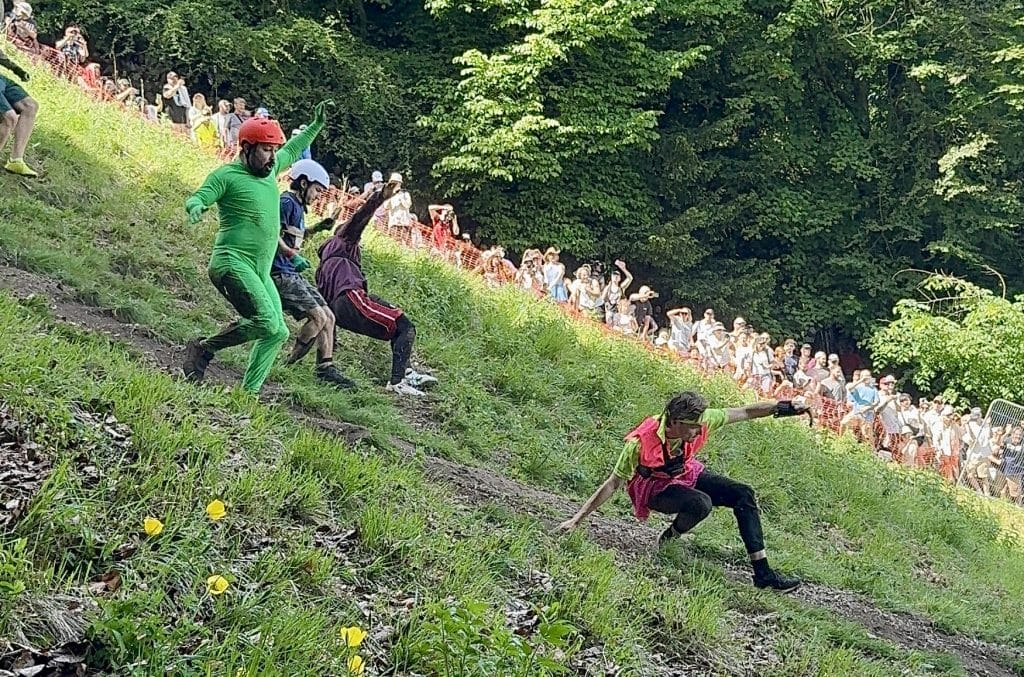
Despite official health and safety warnings, local authorities’ disclaimers, and a persistent history of injuries, the event continues to draw international crowds, media attention, and competitors from across the globe.
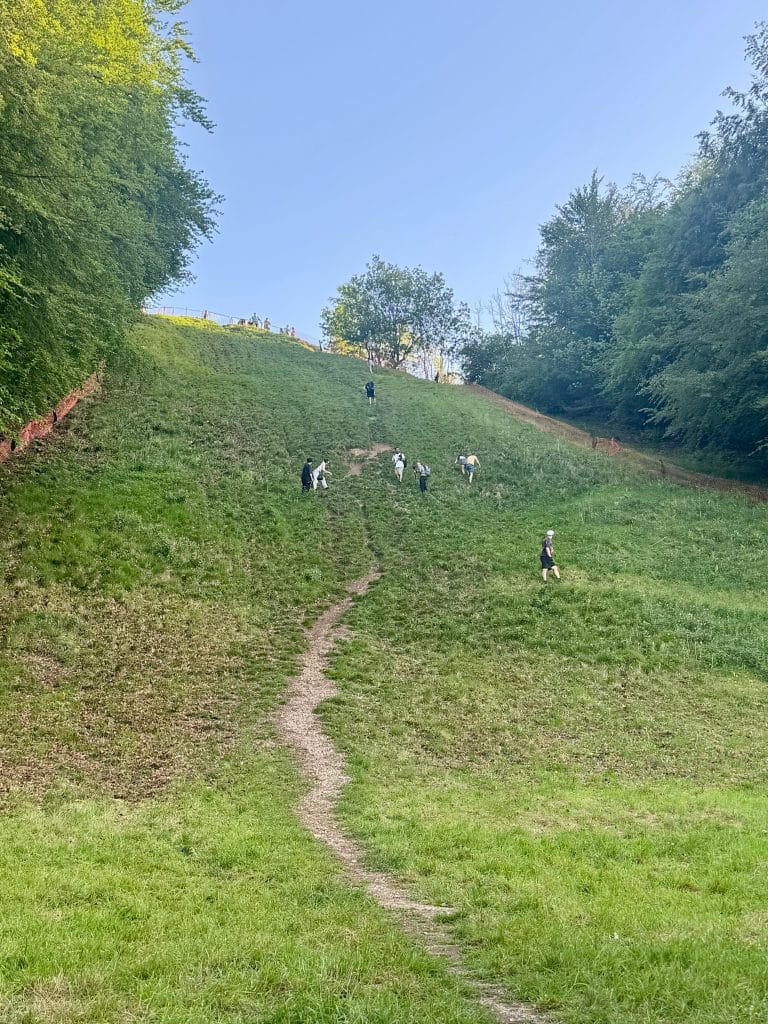
Origins and Historical Context
While the precise historical origins of the Cooper’s Hill Cheese-Rolling remain shrouded in mystery, historians and local researchers generally agree that the practice dates back at least 200 years, with some folklorists suggesting pagan roots tied to celebrating the fertility of the land and the arrival of summer. Originally a local custom practiced by the residents of the village of Brockworth, the event has evolved into an international phenomenon.
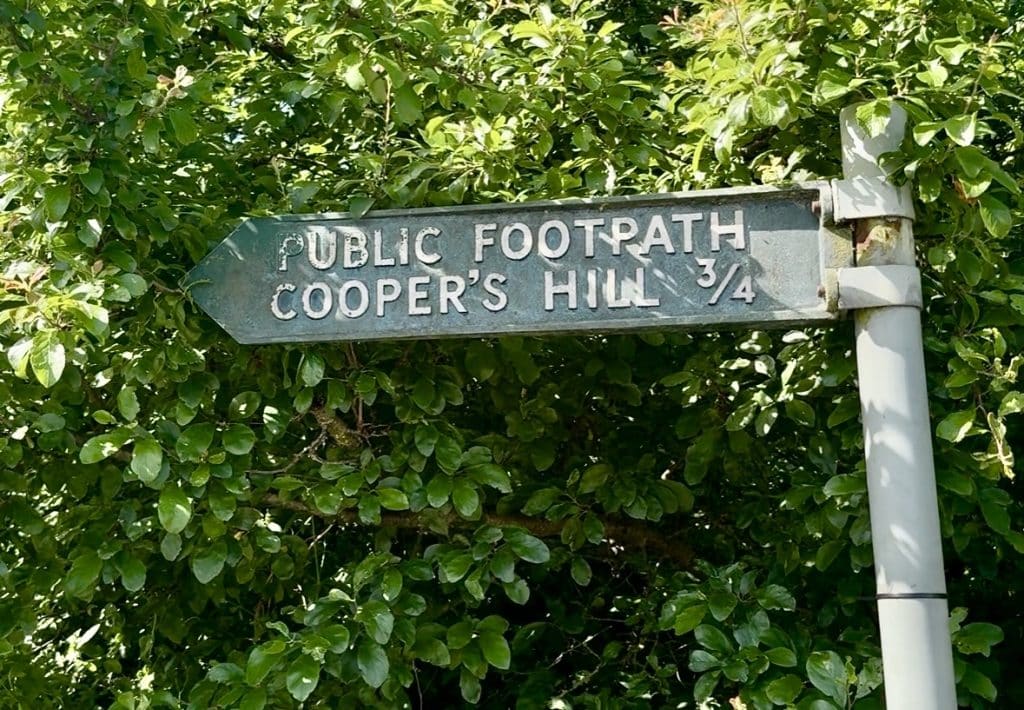
In recent years, the profile of the cheese-rolling has grown exponentially, propelled by global media coverage and features on streaming documentary series such as Netflix’s We Are The Champions. This modern exposure has transformed a localized West Country tradition into a major calendar event for international travelers, extreme sports enthusiasts, and curious spectators alike.
Official Status, Safety Concerns, and Liability
Due to the extreme nature of the terrain and the high frequency of injuries—ranging from severe bruising and sprains to broken bones—the Cooper’s Hill Cheese-Rolling operates as an entirely unofficial event. Local emergency services and regional health authorities routinely express concern over the strain placed on medical infrastructure. For instance, responses in previous years have necessitated multiple land ambulances and air ambulance deployments to evacuate injured participants and spectators.
Consequently, there is no formal organizing body, commercial sponsor, or guaranteed safety plan. Signage around the perimeter warns attendees that participation is entirely at their own risk. To mitigate the risk of competitors crashing into the densely packed crowds gathered at the base of the hill, local rugby players typically station themselves near the finish line to catch and halt the momentum of the fast-descending runners.
Event Schedule and Competition Format
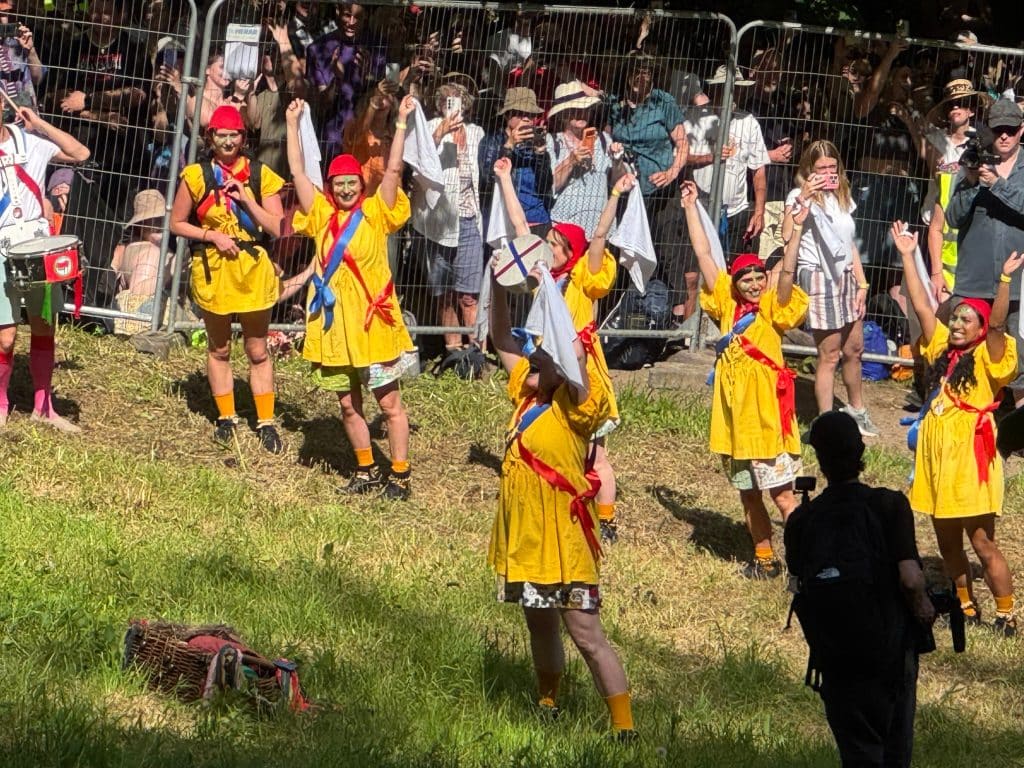
The structure of the day balances high-octane downhill races with more measured uphill heats. The formal proceedings generally begin in the late morning, accompanied by traditional Morris dancing, music, and local fanfare.
The competitive slate consists of:
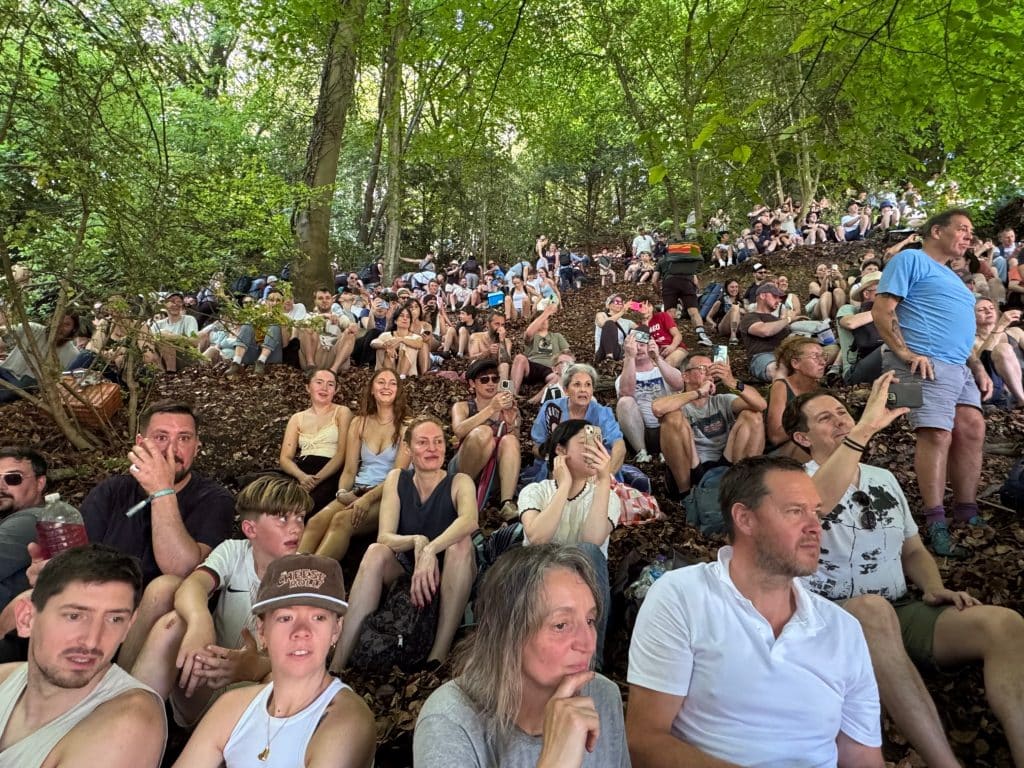
- Downhill Races: Three traditional races restricted to male competitors and one race dedicated to female competitors. Due to overwhelming demand—often exceeding 250 prospective runners for capped fields of 25—participation slots are filled on a first-come, first-served basis at the top of the hill on the morning of the event.
- Uphill Races: Safer, regulated heats designed for younger participants (divided into age brackets under 11 and 11–17) as well as a mixed-adult uphill race, which offers a less perilous alternative to the gravity-fed descent.
The primary objective for downhill competitors is not to catch the cheese—which is virtually impossible given its velocity—but rather to cross the finish line first. The victorious runner is awarded the coveted wheel of Double Gloucester cheese and enduring local renown.
Global Participation and Notable Competitors
The international appeal of the event was underscored during the recent meeting, which featured victors from diverse geographic backgrounds. International participants regularly travel to Gloucestershire to test their mettle against seasoned local contenders.
Among the notable figures associated with the event is Chris Anderson, a local competitor widely regarded as a legend of Cooper’s Hill, holding a Guinness World Record with 23 victories between 2005 and 2022. Anderson notably came out of retirement to participate alongside newer generations, including family members who successfully placed in youth categories. Other notable victors in recent iterations include competitors traveling from mainland Europe and North America, illustrating the event’s broad global footprint.
Logistics, Access, and Regional Impact
Managing the influx of visitors to Brockworth requires careful logistical planning. Cooper’s Hill is accessible via regional transport hubs in Gloucester and Cheltenham, with local bus routes such as the 10 and 166 providing direct access to the primary pedestrian footpaths.
Local authorities and event observers consistently advise attendees to utilize designated public footpaths rather than narrow, unpaved local access roads. Due to the natural topography of the Cotswold escarpment, the site presents significant accessibility challenges for individuals with mobility impairments, as the terrain consists of unpaved, steep agricultural paths prone to severe mud accumulation during inclement weather.
Beyond the immediate vicinity of Cooper’s Hill, the event serves as a significant economic driver for the broader Gloucestershire and Cotswolds region. Nearby establishments, such as the historic Cheese Rollers Pub in Shurdington, experience a surge in patronage as spectators and participants gather post-event to analyze the day’s races, celebrate victors, and engage with local heritage.
As the Cooper’s Hill Cheese-Rolling continues to navigate the balance between preservation of cultural heritage and modern risk management, it remains an enduring testament to community resilience and unorthodox sporting spectacle.