A Slow Weekend Itinerary for Couples in Milan Balancing Urban Energy and Historic Thermal Wellness

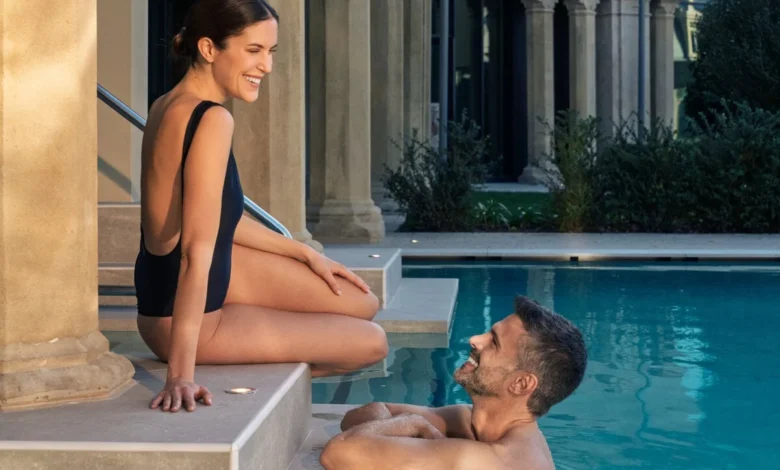
The metropolitan rhythm of Milan traditionally rewards travelers who maintain a swift and demanding pace. Visitors routinely attempt to conquer the city’s architectural and cultural milestones in rapid succession—starting with the opening hours of the historic Duomo di Milano, transitioning to the high-end fashion districts by midday, and concluding with a traditional aperitivo overlooking the skyline before a late dinner. While standard weekend tourism guides frequently advocate maintaining this high-velocity itinerary through Sunday evening, an emerging travel paradigm suggests a deliberate recalibration. By integrating a structured, unhurried pause into the center of a two-day excursion, couples can experience the destination with greater depth, trading constant logistical navigation for prolonged moments of rest.
This comprehensive weekend itinerary for couples visiting Milan is engineered around two distinct speeds. It pairs an active, high-engagement first day dedicated to iconic sightseeing with a deeply restorative second day anchored by the recently revitalized Terme De Montel in the San Siro district. Along the route, the itinerary incorporates strategic detours into key residential and historical neighborhoods, including the gallery-lined cobblestone streets of Brera, the historic commercial waterways of the Navigli canals, and the culturally rich environs of San Siro beyond its world-famous stadium.
Deconstructing the Dual-Rhythm Travel Model
The underlying philosophy of a successful weekend getaway in Milan for two people relies on active contrast rather than relentless physical exhaustion. Standard sightseeing itineraries inherently generate mental and physical fatigue through continuous walking, directional decision-making, and frequent digital map-checking. Conversely, dedicating an entire afternoon to thermal wellness provides a physiological and psychological counterweight. This intentional oscillation between high-energy urban exploration and deep relaxation ensures that the weekend culminates in a sense of holistic completion rather than travel burnout.
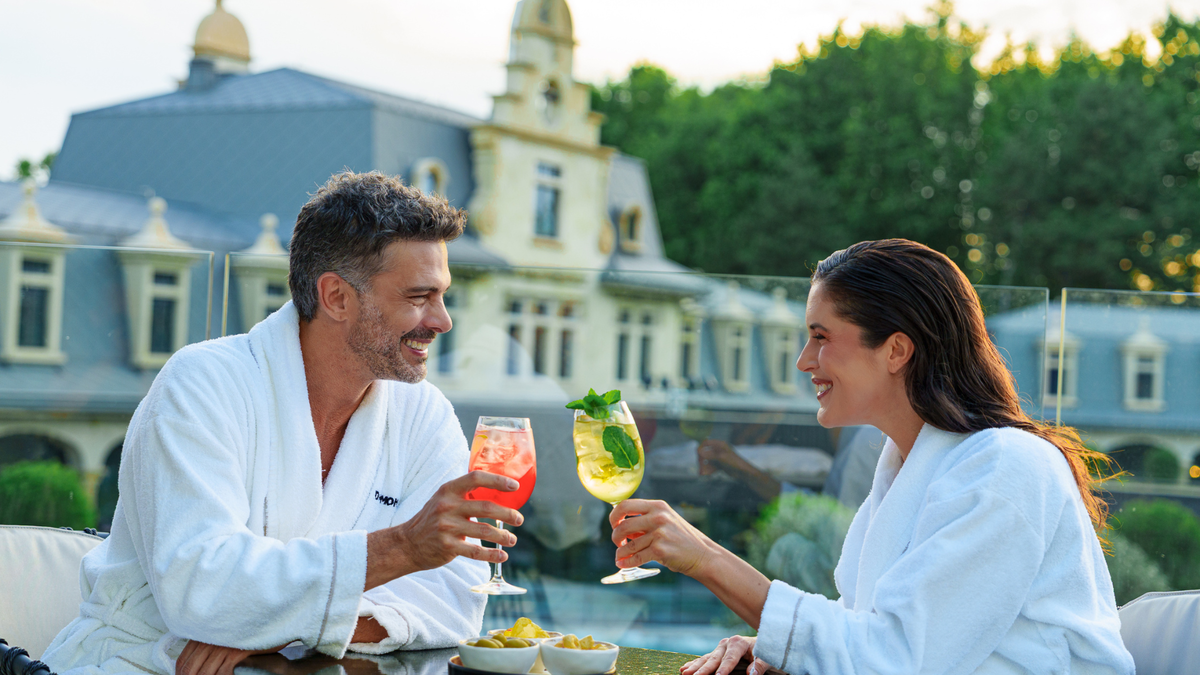
Tourism analysts and hospitality experts note a rising consumer preference for wellness-integrated city breaks. Rather than viewing spa experiences as secondary amenities, modern travelers increasingly design urban itineraries around centers of restoration. In a bustling European financial and fashion capital like Milan—which welcomes millions of international tourists annually—this duality prevents sensory overload and allows couples to engage more meaningfully with the destination’s historical and cultural offerings.
Day One: Navigating the Architectural and Cultural Heart of Milan
The inaugural day of the itinerary establishes the city’s primary cultural footprint, demanding an early start to outpace the heavy foot traffic that characterizes central Milan.
Morning: Early Access to the Duomo and Its Rooftops
Construction on the Duomo di Milano commenced in 1386 under the patronage of Archbishop Antonio da Saluzzo and Duke Gian Galeazzo Visconti. Taking nearly six centuries to reach its definitive completion, the cathedral stands as a monumental masterpiece of late Gothic architecture. Today, it draws approximately six million visitors annually, making strategic timing essential for any visitor seeking a contemplative experience.
Arriving immediately as the cathedral doors open provides a fleeting window of relative solitude against the monument’s colossal scale. The rooftop terraces, accessible via a climb of approximately 250 steps or a swift elevator ascent, operate daily from 9:00 AM to 7:00 PM, with final admissions accepted one hour prior to closing. From this elevated vantage point, visitors can inspect the intricate Gothic spires, flying buttresses, and marble statues—including the gleaming golden Madonnina—while surveying the panoramic grid of the city below in a manner impossible from the ground-level piazza.
Late Morning: The Intimate Spires of Brera
As midday approaches, travelers are advised to transition from the sprawling scale of the Duomo to the more intimate, pedestrianized corridors of the historic Brera district. Centered around the prestigious Pinacoteca di Brera—housed within the 17th-century Palazzo Brera and operating as a public gallery since 1776—this neighborhood offers an exceptional collection of classical Italian masterpieces. The museum’s holdings feature works by legendary masters such as Raphael, Caravaggio, Andrea Mantegna, and Titian, offering an unhurried cultural immersion.
The surrounding Brera quarter features narrow, cobblestone streets lined with independent art academies, botanical gardens, historic cafes, and artisan workshops. Unlike the high-end commercial dominance of the nearby Quadrilatero della Moda, Brera retains an intellectual and bohemian atmosphere that encourages leisurely wandering and spontaneous discovery.
Evening: The Milanese Aperitivo Tradition
Day one concludes in adherence to local culinary customs through the time-honored tradition of the aperitivo. Originating historically in northern Italy as a pre-dinner ritual designed to stimulate the appetite, the modern Milanese aperitivo pairs classic cocktails—such as the Milanese-born Campari-based Negroni or an Aperol Spritz—with a curated selection of artisanal small plates. Embracing this custom without a rigid schedule allows couples to transition smoothly from the daytime exploration into the relaxed evening ambiance of the city.
Day Two: The Strategic Midday Pause and Historic Restoration
The second day shifts the structural tempo of the weekend. Rather than mirroring the fast-paced itinerary of the previous day, the schedule is divided into three distinct phases: a tranquil morning along historical waterways, a deliberate wellness pause at midday, and a gradual return to evening city life.
Morning: Tracing History Along the Navigli Canals
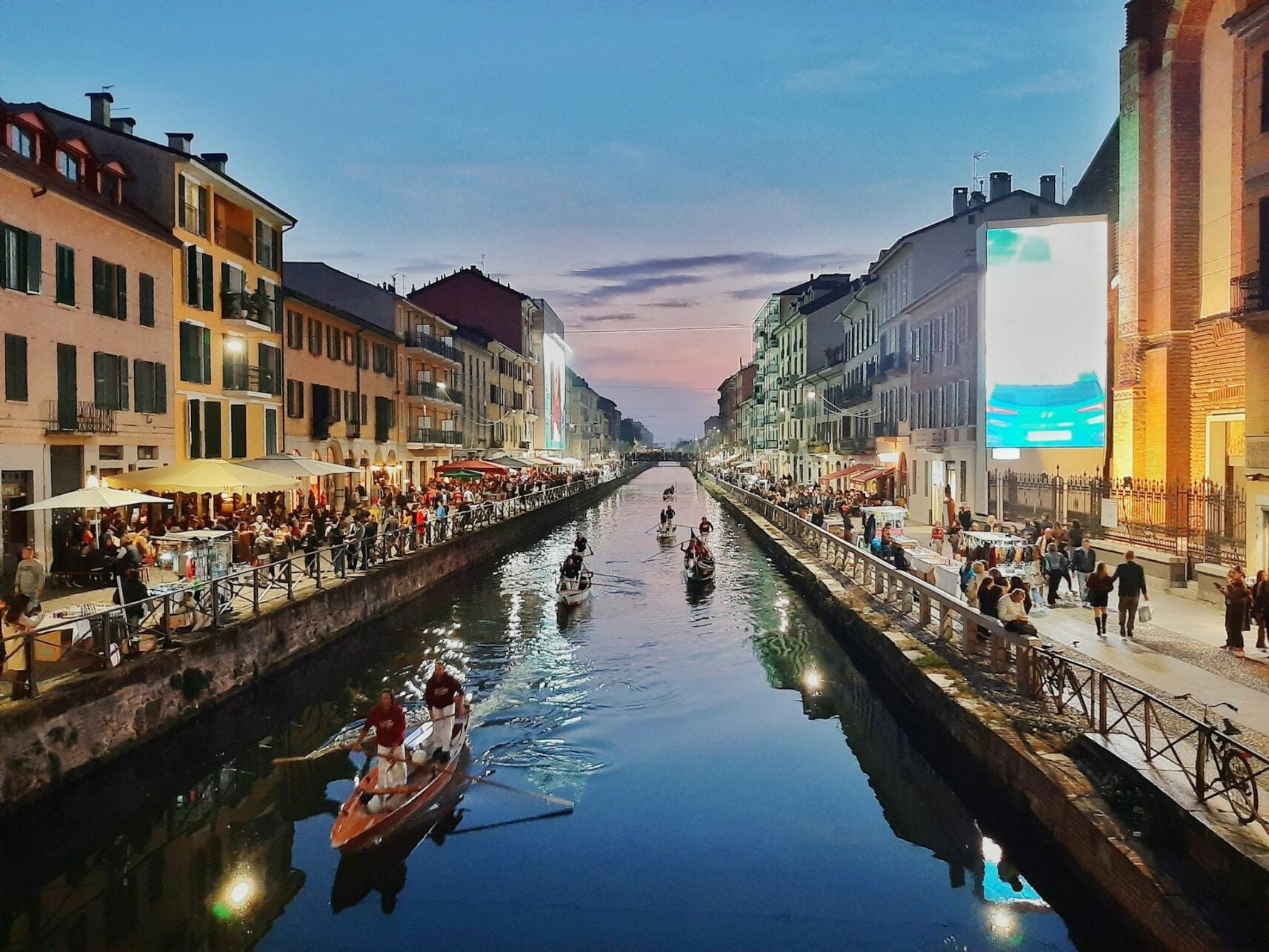
The Navigli district preserves the remnants of Milan’s once-extensive network of navigable canals, which were historically utilized for transporting goods, building materials, and the very marble blocks used in the construction of the Duomo. Prominent Renaissance figures, most notably Leonardo da Vinci, contributed engineering innovations to the lock system during the late 15th century to regulate water levels across the municipal basin.
Entering the district via Porta Genova, visitors can follow the pathways alongside the Naviglio Grande and Naviglio Pavese. A notable historical waypoint is the Vicolo dei Lavandai, a picturesque alleyway featuring a restored stone washhouse where local women historically scrubbed laundry using the canal waters. This low-key morning walk provides a gentle, historically grounded transition into the deeply restorative experiences scheduled for the afternoon.
Midday: The Restoration and Wellness Experience at Terme De Montel
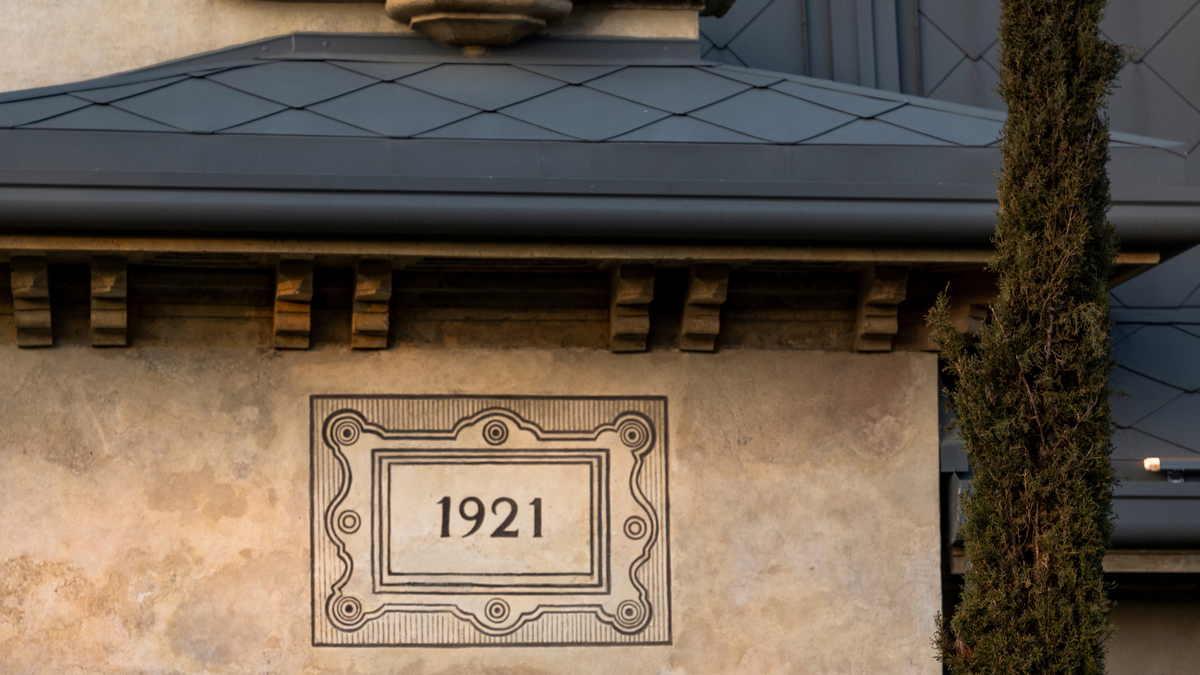
The architectural anchor of the second day is Terme De Montel, situated within the historic Scuderie De Montel in the western San Siro district. Originally constructed in 1921 as municipal equestrian stables, the expansive complex has undergone a meticulous multi-year architectural restoration. This preservation project has successfully transformed a landmark of early 20th-century industrial and civic heritage into a contemporary thermal bath destination.
Upon entering the facility, visitors experience an immediate sensory shift from the bustling urban traffic of Milan to a tranquil acoustic environment defined by the gentle movement of water and subdued ambient murmurs. The complex harnesses natural thermal waters rich in beneficial minerals, distributing them across a comprehensive circuit of indoor and outdoor pools, hydromassage stations, saunas, Turkish baths, and dedicated relaxation lounges.
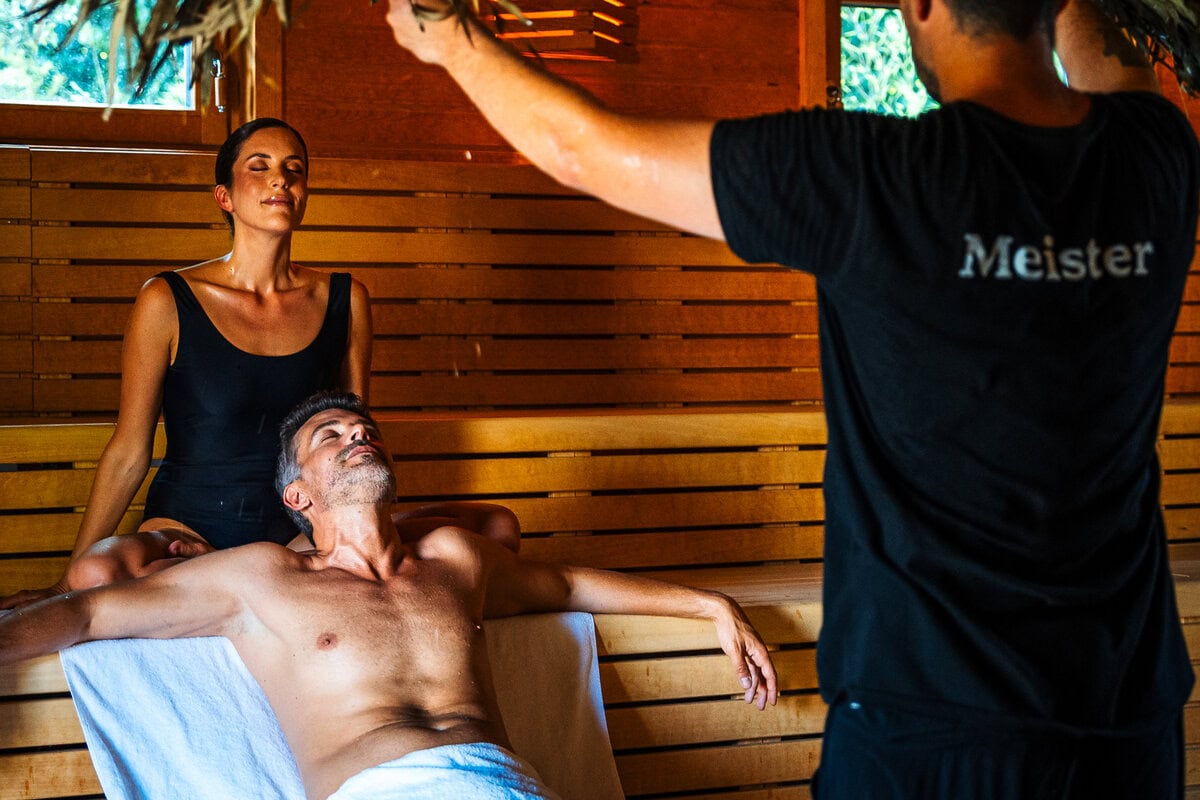
Architectural preservationists have praised the integration of modern wellness amenities within the historic Scuderie De Montel framework, noting that the project serves as a prime example of adaptive reuse. By repurposing heritage infrastructure for public health and leisure, the development contributes significantly to urban revitalization efforts in outer districts historically overshadowed by the city center.
Psychological and hospitality data regarding urban wellness retreats indicate that structured pauses of approximately five hours significantly reduce travel-related cortisol levels, enhancing overall trip satisfaction for couples. The operational model at Terme De Montel provides a comprehensive thermal package that includes essential spa amenities—such as robes, towels, and slippers—allowing guests to detach entirely from digital devices and logistical schedules. Travel industry partners note a high rate of itinerary extension among visitors, as couples frequently choose to prolong their stay within the thermal complex beyond their initial time estimates.
Evening: Re-entering the Urban Landscape in San Siro and Beyond
Following the thermal break, the itinerary advises a gradual re-entry into the city’s evening rhythm without immediate scheduling constraints. As visitors travel back toward central Milan, the urban soundscape may temporarily register with heightened clarity—a common perceptual phenomenon following deep sensory deprivation in a thermal environment.
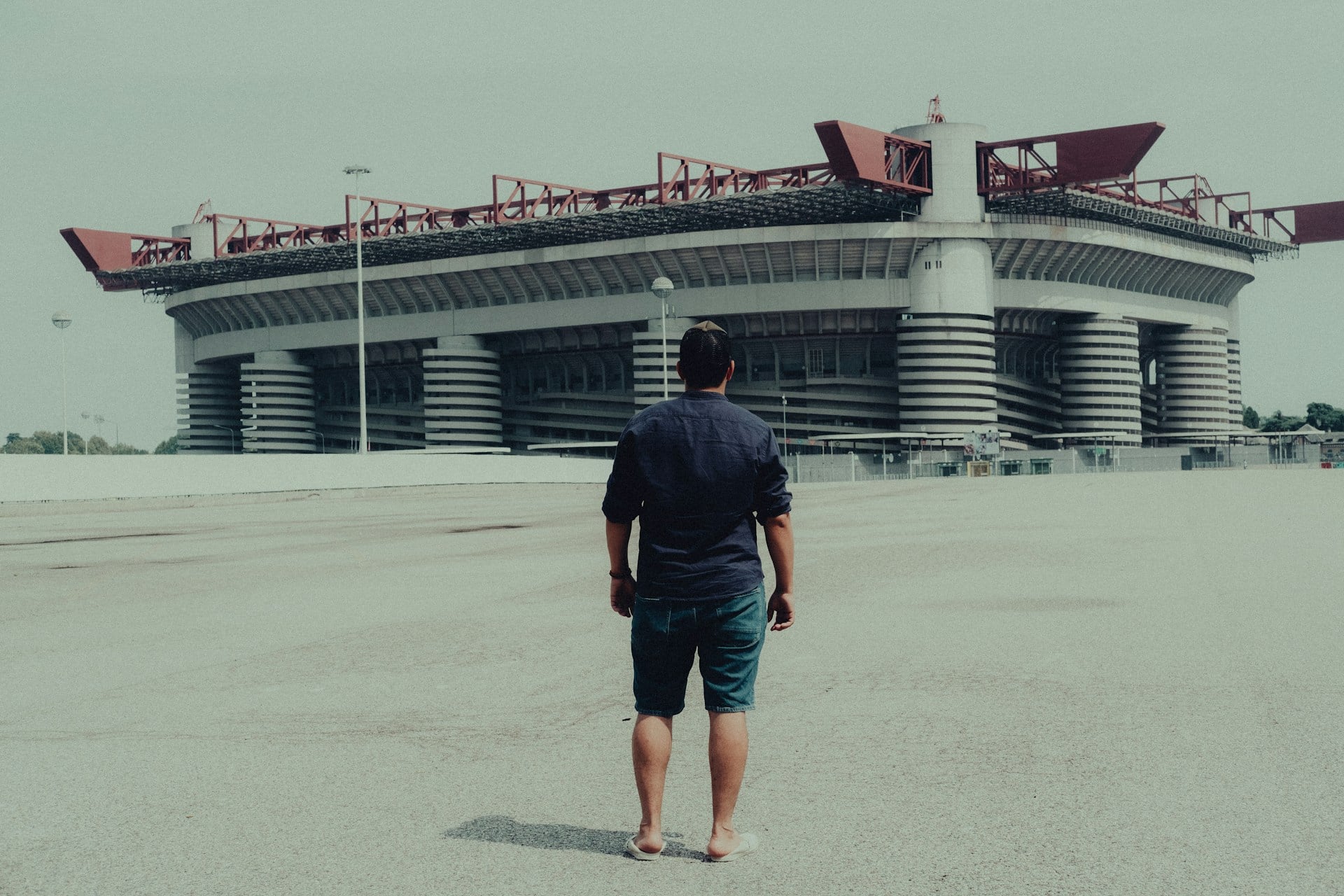
Beyond its association with the legendary Giuseppe Meazza Stadium (widely known as the San Siro Stadium), the broader San Siro district offers a distinctly residential and verdant character. Featuring expansive green spaces and quiet neighborhoods, the area provides a complementary perspective to the monumental tourist core of Milan. The integration of Terme De Montel into this district underscores a broader municipal trend to decentralize cultural and wellness attractions, encouraging visitors to explore neighborhoods beyond the traditional central tourist circuit.
Practical Logistics and Travel Planning for Couples
To ensure a seamless travel experience, visitors must coordinate several logistical and administrative elements prior to departure.
Transportation and Accessibility
The compact geography of central Milan allows for efficient navigation exclusively on foot and via the extensive Metropolitan underground and tram networks. Both the Navigli canals and the San Siro district are accessible via short, direct transit connections from the Duomo station, eliminating the necessity for automobile rentals or prolonged regional transfers.
Seasonal Timing and Operations
Terme De Montel operates year-round, making it a particularly attractive destination during the autumn and winter months. The thermal contrast between cold outdoor seasonal temperatures and warm mineral waters enhances the therapeutic appeal of the visit. Conversely, summer evenings along the Navigli offer extended daylight hours ideal for outdoor social gatherings. For the Duomo rooftop terraces, securing advance reservations for the earliest morning slots remains critical to avoiding peak congestion.
Economic and Administrative Considerations
Admission fees for cultural institutions—including the Duomo complex and the Pinacoteca di Brera—alongside thermal spa sessions at Terme De Montel, are priced and managed independently. Travelers are advised to consult official ticketing portals in advance to secure preferred time slots and verify current seasonal tariffs. Comprehensive packing preparations should include supportive walking footwear for the extensive urban explorations of day one, standard swimwear for the thermal wellness session, and a psychological willingness to disconnect from electronic itineraries during the midday pause.
Related posts: