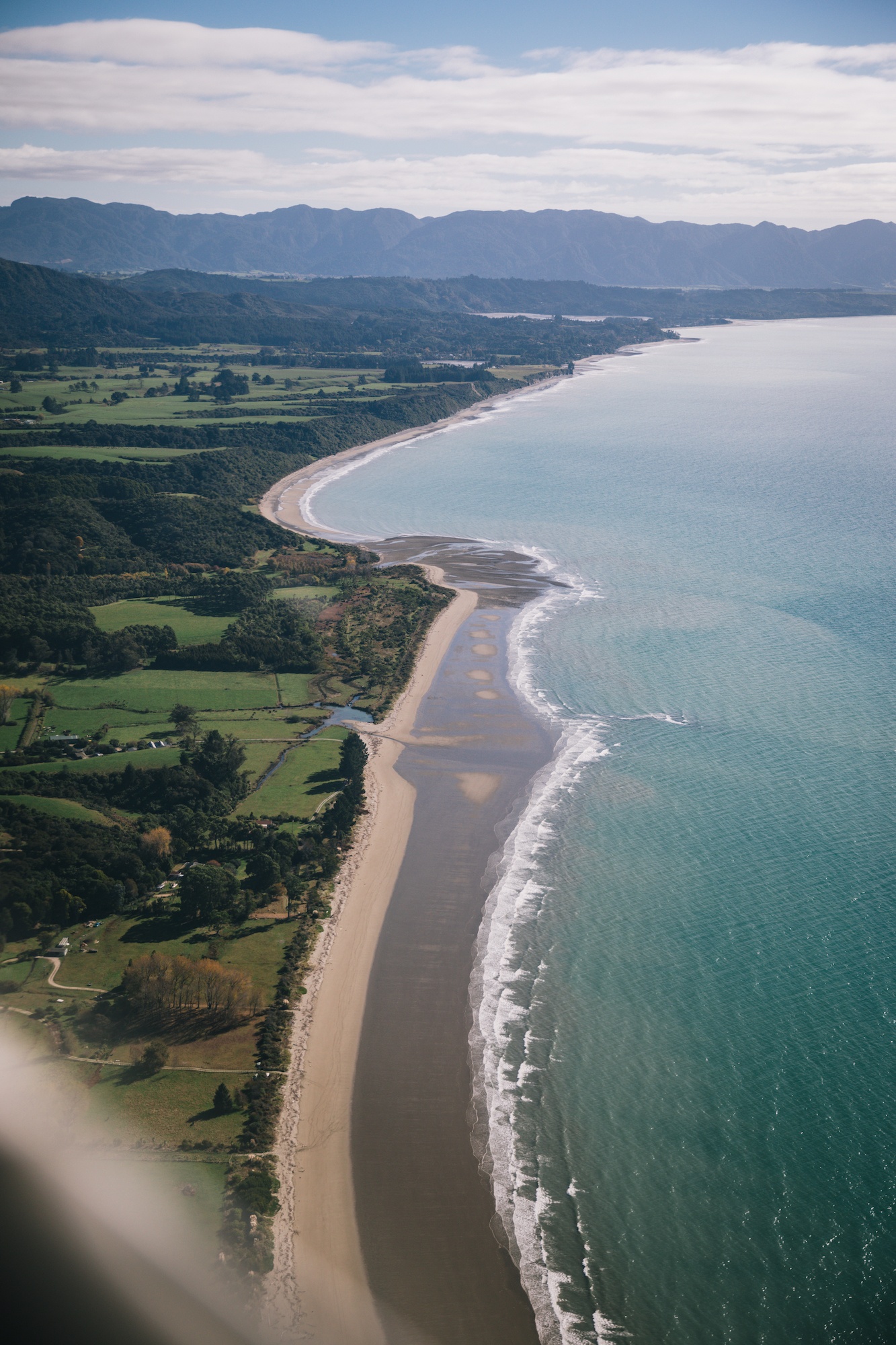
The northernmost extremity of New Zealand’s South Island harbors a geographic and cultural anomaly that continuously tests the loyalties of residents from more rugged southern locales. Golden Bay, stretching from the northern boundary of Abel Tasman National Park to the 26-kilometer expanse of Farewell Spit, presents a distinct microclimate and community ethos characterized by mild temperatures, independent agriculture, and a deliberate pace of life reminiscent of late-20th-century isolation. Recent travel itineraries highlighting the region—following the completion of major regional treks such as the Heaphy Track—have refocused attention on this remote corner of the Tasman District, examining its logistical accessibility, environmental significance, and the socio-economic factors that distinguish it from the country’s alpine hubs.

Logistical Access and the Geography of Isolation
Reaching Golden Bay has historically required navigating deliberate geographical barriers. Positioned off major transit corridors, the region is accessible primarily via State Highway 60 over Takaka Hill—a mountain pass renowned for its steep gradients, numerous hairpin turns, and susceptibility to weather-related disruptions. For years, sections of the highway have undergone extensive infrastructure repairs following severe storm damage, maintaining single-lane restrictions that underscore the infrastructural challenges of connecting isolated rural communities.
Alternative transit options have increasingly mitigated these geographic hurdles. Regional carriers, such as Golden Bay Air, provide vital logistical links by coordinating flights and multi-modal transport options connecting Abel Tasman, Takaka, and the West Coast. These services facilitate regional tourism and travel following backcountry excursions like the Heaphy Track, substantially reducing transit times compared to alternative land routes that can span hours of driving across the South Island.

Environmental Importance and Marine Conservation
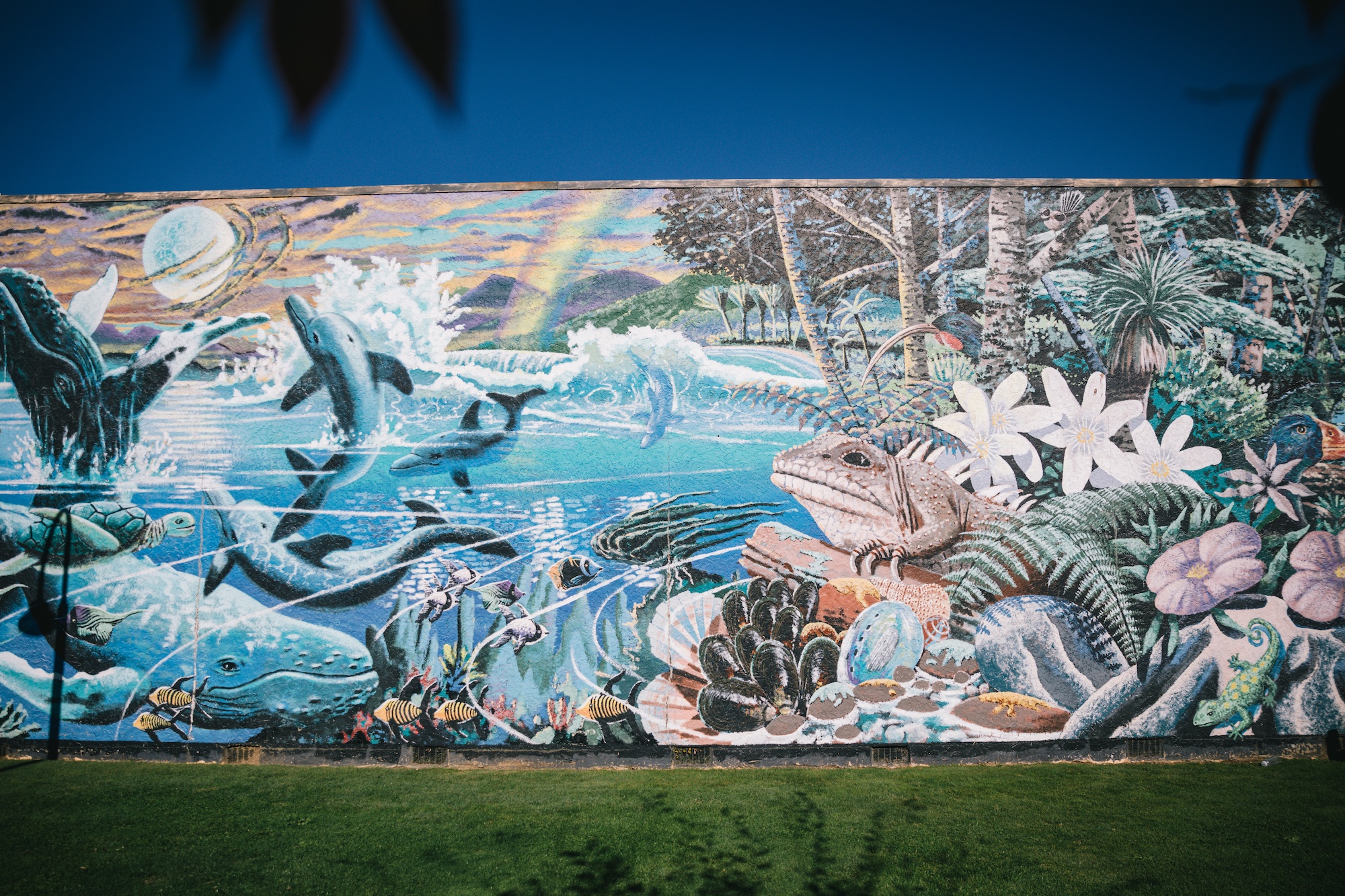
Beyond its agricultural and residential appeal, Golden Bay occupies a critical ecological role, most notably as a focal point for marine mammal stranding events. Farewell Spit, a sweeping sandspit forming the northern rim of the bay’s characteristic ‘C’ shape, is recognized internationally as a frequent site of mass strandings involving pilot whales.

Marine conservation organizations, including Project Jonah, maintain a constant state of readiness in the area due to recurring stranding incidents. Scientific consensus points to a combination of geographical and oceanographic factors—such as gently sloping bathymetry around the sandspit, complex tidal flows, and deep adjacent waters—that complicate navigational patterns for cetaceans. These recurrent events have profoundly influenced regional conservation strategies, prompting heightened public awareness and dedicated research into marine mammal behavior and coastal ecology along the northern South Island.

Geological Landmarks and Regional Infrastructure
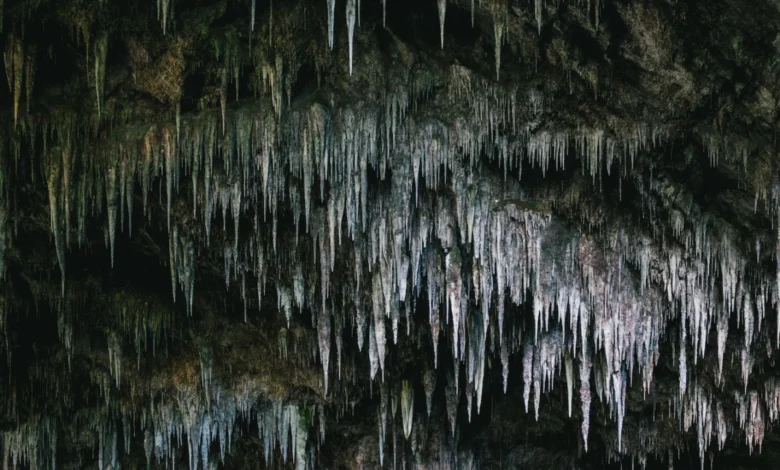
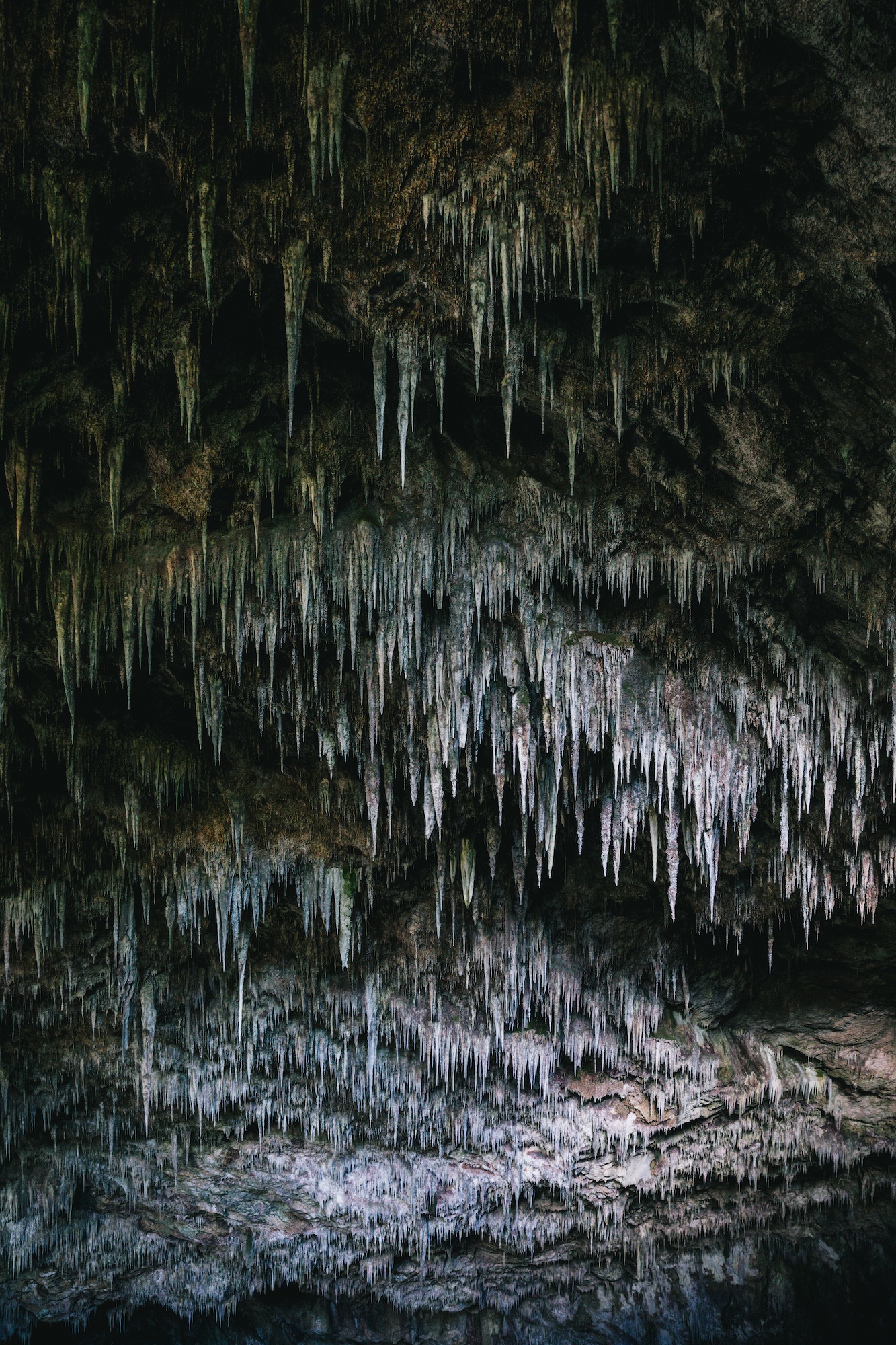
The broader Tasman-Nelson region is geologically defined by extensive karst landscapes, housing some of New Zealand’s deepest and longest cave systems within Kahurangi National Park. Accessible sites such as Rawhiti Cave provide researchers and visitors with rare viewing platforms of complex stalactite formations, while the Te Waikoropupū Springs—hailed as the largest cold-water springs in the Southern Hemisphere—exhibit exceptional water clarity with visibility reaching up to 81 meters. Managed as a treasured cultural site (taonga) by local Māori iwi, the springs underscore strict conservation protocols that prohibit physical contact with the water to preserve its pristine state.

Economically and socially, Golden Bay operates on a distinct cooperative model. The region’s economy relies heavily on independent horticulture, artisanal food production, and low-impact tourism. The prevalence of unstaffed roadside honesty boxes for agricultural produce reflects a localized framework of mutual trust and community integration that contrasts sharply with the commercialized pressures of New Zealand’s major tourism centers.
Socio-Economic Implications and Regional Comparison

The contrast between Golden Bay and established southern alpine communities, such as Wānaka and Queenstown, highlights broader demographic and economic trends within New Zealand. While southern districts grapple with soaring living costs, heavy winter heating expenditures, and infrastructure strains driven by rapid tourism growth, regions like Golden Bay offer a more affordable, temperate alternative. However, this lifestyle entails distinct trade-offs, primarily related to employment opportunities, specialized services, and the physical isolation inherent in living at the periphery of the country’s transit networks.

As domestic and international travelers increasingly seek out off-the-beaten-path destinations that prioritize sustainability and community resilience, Golden Bay remains a subject of considerable interest for regional planners and conservationists alike. Balancing increased visitor accessibility with the preservation of its ecological integrity and socio-cultural independence will remain a central challenge for local authorities as the region navigates its unique position on the New Zealand map.
Related posts: