The physical architecture of modern entertainment often masks a complex geopolitical and economic history, a reality strikingly visible across the grand municipalities of Western Europe. What began as localized gaming experiments in the seventeenth century evolved into sophisticated engines of state finance, tourism, and diplomacy, leaving behind a trail of monumental buildings that have transitioned from centers of high-stakes hazard to municipal offices, cultural landmarks, and diplomatic waystations. This historical trajectory traces the evolution not only of European urban development but also of the card game universally known today as blackjack, uncovering a lineage that stretches from the docks of Seville and the canals of Venice to the gilded halls of the Riviera and, ultimately, to the commercial hubs of Nevada.
Main Facts and Historical Origins
The foundational mechanics of blackjack—historically referred to in Spanish as veintiuna and in French as vingt-et-un—predate modern casino establishments by centuries. Archival and literary evidence confirms that the game was widely played across the Iberian Peninsula by the early seventeenth century. In 1602, Spanish author Miguel de Cervantes published a novella featuring card sharps operating around the docks of Seville, explicitly detailing a game where the objective was to reach twenty-one points, with the ace functioning flexibly as a value of one or eleven.
This mechanical core—the risk assessment of drawing a single additional card against a fixed numerical threshold—has remained fundamentally unaltered for over four hundred years. As trade routes, monarchical marriages, and cultural exchanges knitted Europe tighter together during the Enlightenment, the pastime migrated northward. By the eighteenth century, vingt-et-un had captured the imagination of the French royal court at Versailles. It survived the turbulent political realignments of the French Revolution, subsequently crossing the English Channel to become a staple of Regency-era parlor gaming.
Chronology of European Gaming Architecture
The institutionalization of gambling in permanent European structures began not as a populist commercial venture, but as a mechanism of social control and fiscal management by governing bodies attempting to regulate widespread, unregulated wagering.
1638: The Establishment of the Ridotto in Venice
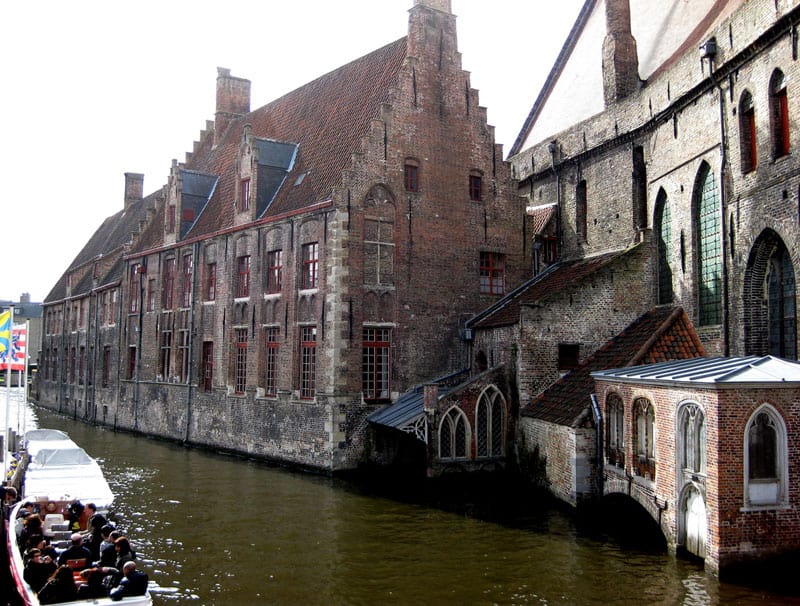
Faced with an explosion of illicit gambling during the annual Venetian Carnival, the Venetian Senate authorized the opening of the Ridotto in a wing of the Palazzo Dandolo at San Moisè, situated just moments from Piazza San Marco. Operating under strict administrative oversight, the house enforced eccentric regulations: patrons were legally required to wear masks to preserve social anonymity among the nobility, strict codes of conduct were policed, and financial stakes were set intentionally high to exclude ordinary citizens. Designed effectively as a state-run monopoly to contain the financial ruin of its patrician class, the Ridotto operated successfully for over a century until the Venetian Senate ordered its permanent closure in 1774, concluding that the establishment was quietly bankrupting the local aristocracy.
1837–1838: The Cross-Rhine Migration to Baden-Baden
When the French government enacted a sweeping prohibition on public gambling houses in 1837, displaced operators sought refuge across the Rhine River in Germany. Entrepreneur Jacques Benazet assumed control of the gaming tables in Baden-Baden the following year. His son, Edouard Benazet, subsequently commissioned prominent Parisian interior designers to transform the local Kurhaus into a lavish palace of leisure. This architectural transplantation resulted in a German spa town hosting salons that mirrored the grandeur of the Palais Royal. The venue quickly attracted an international elite, counting literary figures such as Fyodor Dostoevsky—who famously depleted his finances at the tables, an experience that heavily influenced his novella The Gambler—among its patrons.
1863–1879: The Rise of Monte Carlo Under Francois Blanc
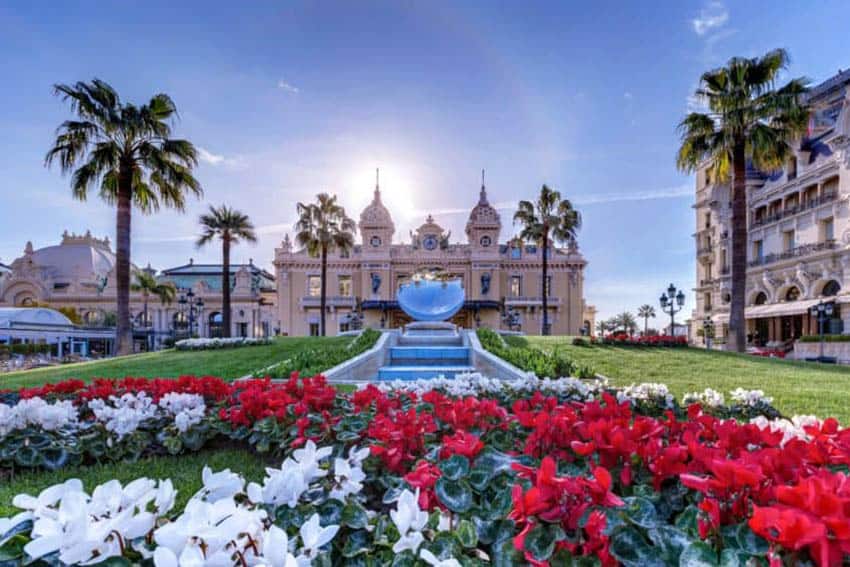
Following the unification of Germany under Chancellor Otto von Bismarck, the German Empire ordered the closure of all domestic casinos by 1872. The epicenter of European high-society gambling consequently shifted southward to the Principality of Monaco. François Blanc had already initiated the transformation of Monaco into a premier resort destination beginning in 1863. To cement the principality’s status, Charles Garnier—fresh from his architectural triumph designing the Paris Opera—was engaged to construct the magnificent Salle Garnier, which opened in 1879.
1887: The Inauguration of the Gran Casino in San Sebastián
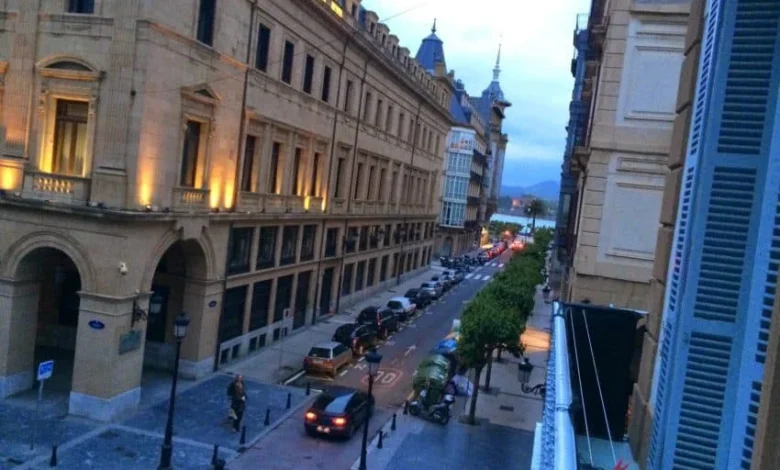
Further along the Basque coast, the municipality of San Sebastián inaugurated its opulent Gran Casino in 1887. Built to accommodate the Spanish royal family during their traditional summer retreats, the building served as a Mediterranean magnet for the cosmopolitan Belle Époque crowd arriving from Biarritz.
1924–Present: Administrative Adaptation and Municipal Realignment
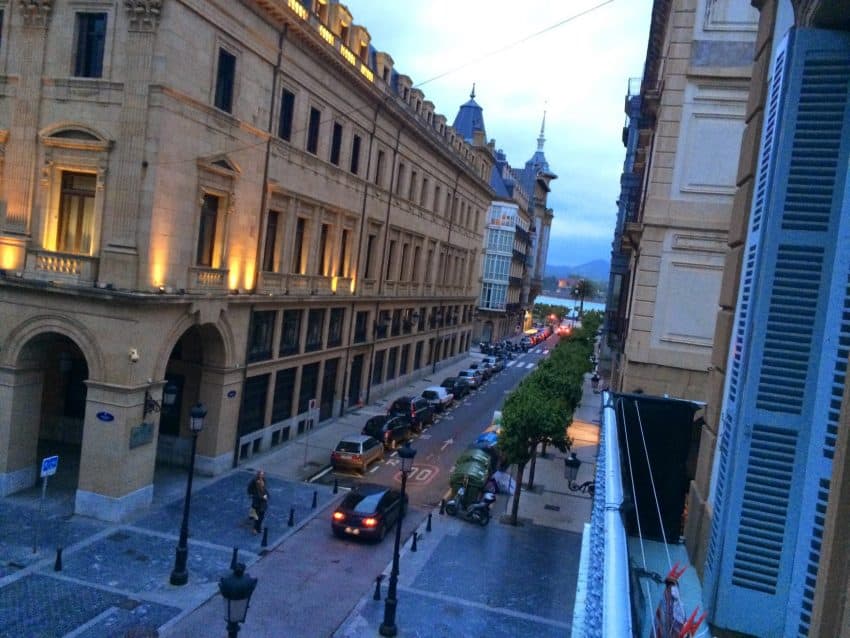
The architectural legacy of these grand establishments underwent drastic operational changes due to shifting twentieth-century legislation. In 1924, the Spanish government outlawed commercial gambling, rendering structures like San Sebastián’s Gran Casino functionally obsolete. Left without a commercial mandate, the municipal council eventually occupied the building, converting its grand gaming salons into municipal offices. Today, civic leaders debate local infrastructure and waste management policies in chambers originally engineered for baccarat and roulette. A parallel structural evolution occurred across the continent: former gaming houses were systematically converted into concert halls, luxury hotels, thermal bathhouses, and diplomatic listening posts, such as the Casino Estoril in neutral Portugal, which served as a focal point for exiled European royalty and international intelligence operatives during the Second World War.

Supporting Data and Regulatory Frameworks
The economic model underpinning the European casino industry relied heavily on selective taxation, sumptuary laws, and targeted exclusion. In Venice, the Ridotto’s high-stakes barrier served as an economic filter, insulating the lower working classes from financial devastation while extracting surplus capital from the nobility.
In Monaco, a unique demographic and fiscal compact was established under the direction of the Blanc family and the ruling Grimaldi dynasty: Monegasque citizens were—and remain—legally prohibited from entering the gaming rooms of the Monte Carlo Casino. The entire economic architecture of the enterprise was engineered to generate substantial external revenue from international visitors, thereby eliminating the necessity of levying income tax upon local residents. This model transformed a barren stretch of Mediterranean coastline into a sovereign tax haven supported entirely by foreign leisure tourism.
Similarly, the regulatory shifts in nineteenth-century Germany and France demonstrate how state policy directly dictated architectural expansion. The 1837 French ban catalyzed the luxury spa boom in Baden-Baden, driving the integration of gaming with hydrotherapy complexes such as the Friedrichsbad—a nineteenth-century Roman-Irish bathhouse featuring a structured sixteen-stage wellness circuit.

Official Responses and Institutional Implications
The transformation of these historic gambling establishments into civic, cultural, and administrative spaces reflects a broader European municipal strategy of heritage preservation and adaptive reuse. Urban planners and conservation authorities across Italy, France, Germany, Spain, and Monaco have increasingly prioritized the structural integrity of Belle Époque and Renaissance-era gaming halls, recognizing them not merely as monuments to a bygone era of aristocratic leisure, but as vital anchors for modern cultural tourism.
In San Sebastián, municipal officials have acknowledged the historical irony of conducting local governance within an architectural monument dedicated to nineteenth-century excess. Rather than sanitizing the building’s origins, conservation efforts have maintained the opulent gilding and spatial design of the former gaming rooms, using the site as a tangible educational touchstone for visitors exploring the city’s broader culinary and architectural heritage.
Broader Impact and the Transatlantic Migration
The ultimate legacy of this European architectural and cultural network lies in its transatlantic migration. Following the legalization of commercial gambling in the state of Nevada in 1931, the institutional knowledge, game mechanics, and social rituals developed in venues like the Ridotto, Baden-Baden, and Monte Carlo were systematically exported to the American West.
It was during this transatlantic transfer that the game traditionally known as veintiuna or vingt-et-un acquired its modern moniker, blackjack—reportedly stemming from an early American promotional payout rewarding players who held an ace of spades alongside a black jack (either the jack of spades or clubs). While definitive historical documentation for this exact etymology remains elusive, the nomenclature stuck, anchoring a centuries-old European pastime into the global consciousness.
Ultimately, the physical buildings left behind in Venice, Baden-Baden, Monaco, San Sebastián, and Estoril serve as enduring monuments to an era when state finance, social engineering, and elite leisure intersected. Whether housing municipal administrators, hosting international diplomats, or welcoming tourists seeking thermal restoration, these structures continue to anchor the urban geography of modern Europe, bearing silent witness to the evolution of global entertainment.