Panama Beyond the Canal: A Comprehensive Guide to Discovering the Country’s Hidden Cultural and Geographical Wealth

The Panama Canal is undeniably a marvel of modern engineering, a monumental achievement that serves as the cornerstone of global maritime commerce. However, for the discerning traveler, limiting an itinerary to the locks and the immediate vicinity of the capital is akin to reading only the preface of a complex and captivating novel. Beyond the man-made waterway lies a nation defined by extraordinary ecological diversity—encompassing two distinct coastlines, dense rainforests, high-altitude cloud forests, and volcanic landscapes—all contained within a territory that, at its narrowest point, can be traversed by road in approximately 60 minutes.
The Historical Foundation: From Colonial Foundations to Modern Metropolises
To understand the contemporary Panamanian identity, one must begin with the duality of its capital. Casco Antiguo, the historic quarter of Panama City, serves as a living museum of colonial ambition and modern resurgence. Established in 1673 following the destruction of the original city, the district is characterized by a fusion of Spanish, French, and early American architectural influences. Its cobblestone streets are lined with restored cathedrals and grand plazas, serving as a backdrop for a thriving culinary scene that reflects the country’s melting-pot demographic.
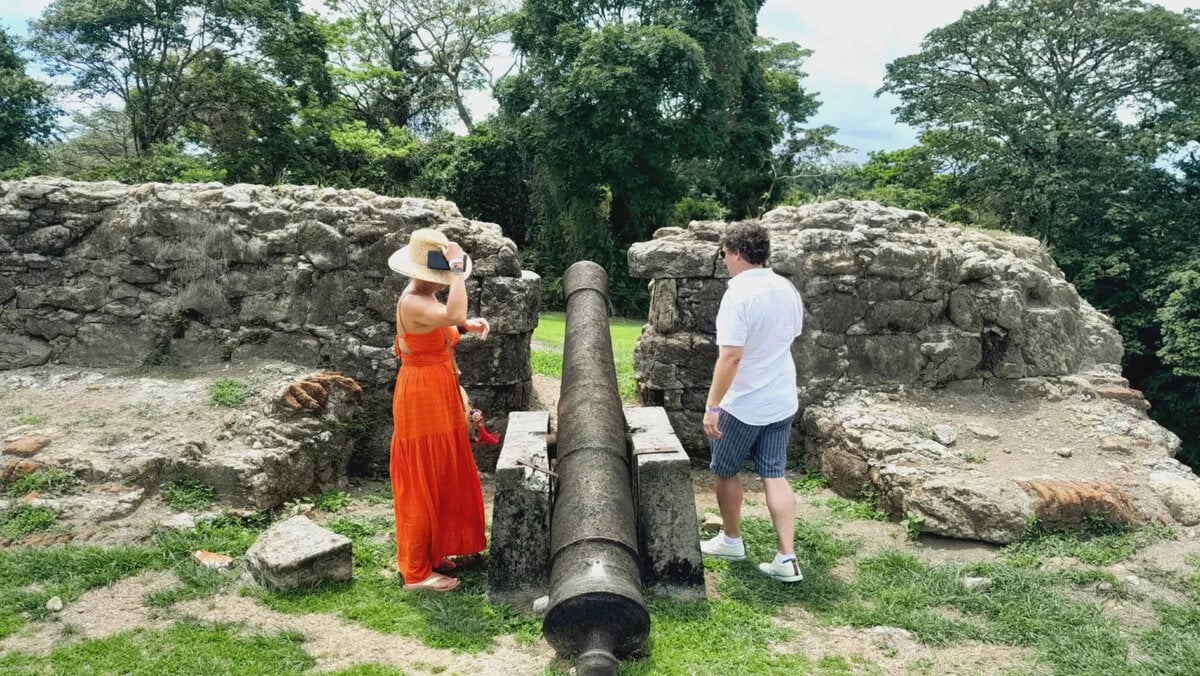
This historical narrative is incomplete without acknowledging Panamá Viejo, the ruins of the original Pacific settlement founded in 1519. The site, which was decimated by the privateer Henry Morgan in 1671, remains a poignant testament to the fragility of colonial outposts. Together, these two sites form a UNESCO World Heritage complex that documents the shifting geopolitical importance of the Isthmus over the last five centuries.
Ecological and Geographic Diversity
Panama’s geography is marked by rapid transitions. The Metropolitan Natural Park, located within the limits of Panama City, offers an accessible glimpse into the tropical rainforest ecosystem. Spanning 230 hectares, the park serves as an essential corridor for wildlife, housing species such as squirrel monkeys and the elusive whooping motmot.
For those seeking more dramatic terrain, the El Valle de Antón crater provides a unique geological experience. Situated 600 meters above sea level within the caldera of an extinct volcano, this region is frequently cited as one of the largest inhabited craters in the Americas. The local ecosystem supports a variety of endemic species and features the La India Dormida ridge, a prominent landmark for regional hiking.
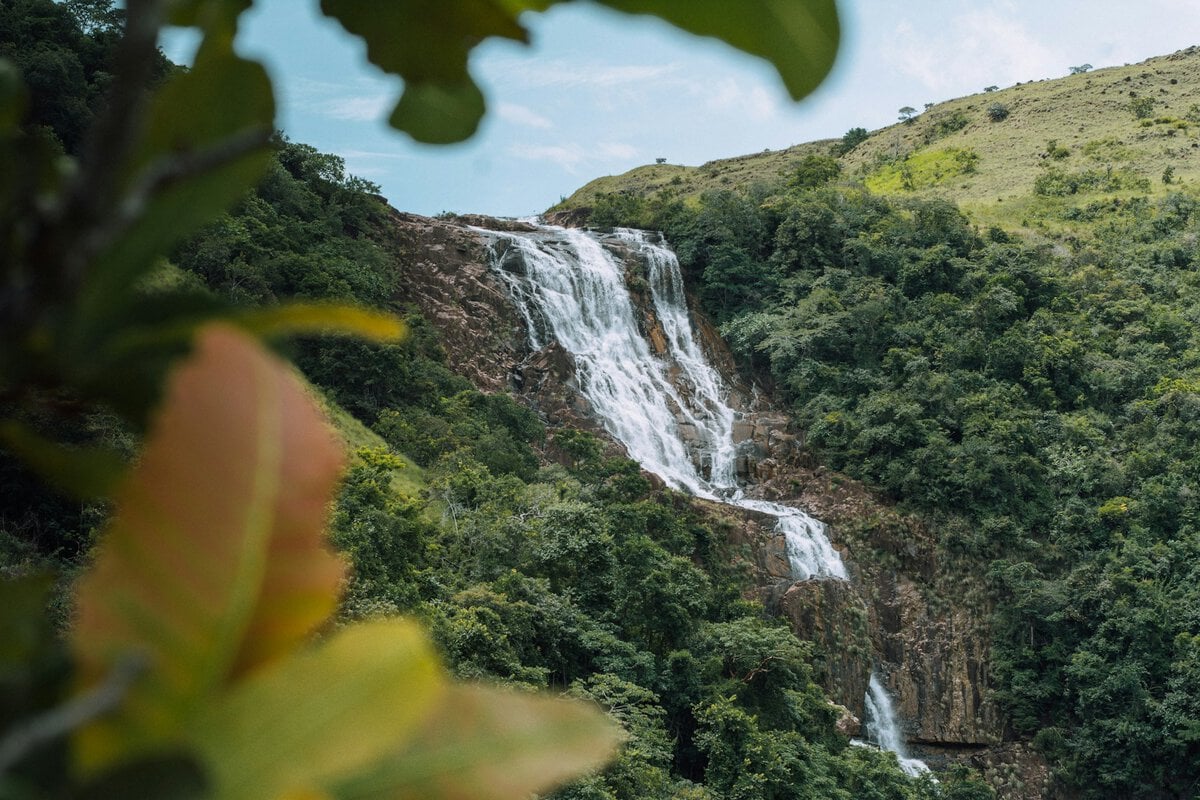
Further afield, the Chiriquí province and the highlands surrounding Boquete represent the country’s climatic shift. By ascending into these mountainous regions, travelers encounter cloud forests that contrast sharply with the tropical heat of the Pacific and Caribbean coasts. The transition is significant; the elevation changes the agricultural landscape, allowing for the cultivation of world-renowned Geisha coffee, which has become a primary driver of the regional economy.
The Caribbean Coast and Afro-Panamanian Heritage
The province of Colón offers a different historical and cultural perspective, deeply rooted in the Afro-Caribbean experience. This region is the heartland of Congo culture, a tradition that UNESCO recognized in 2018 as Intangible Cultural Heritage. The Congo tradition is a complex form of expression—incorporating dance, music, and theater—that commemorates the resistance of enslaved Africans against colonial rule.
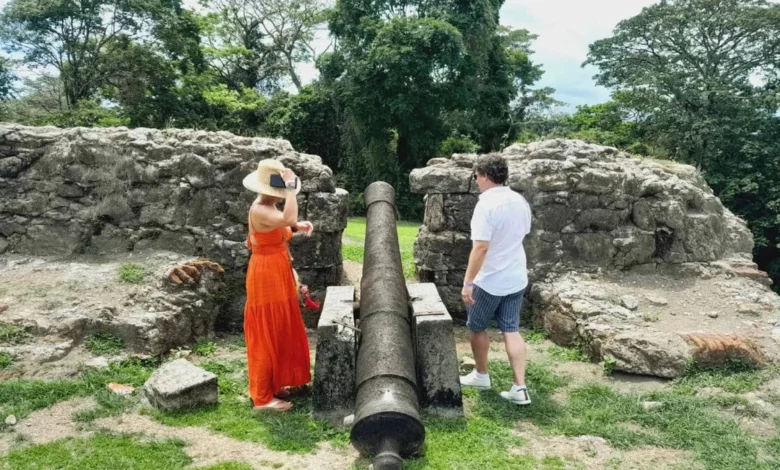
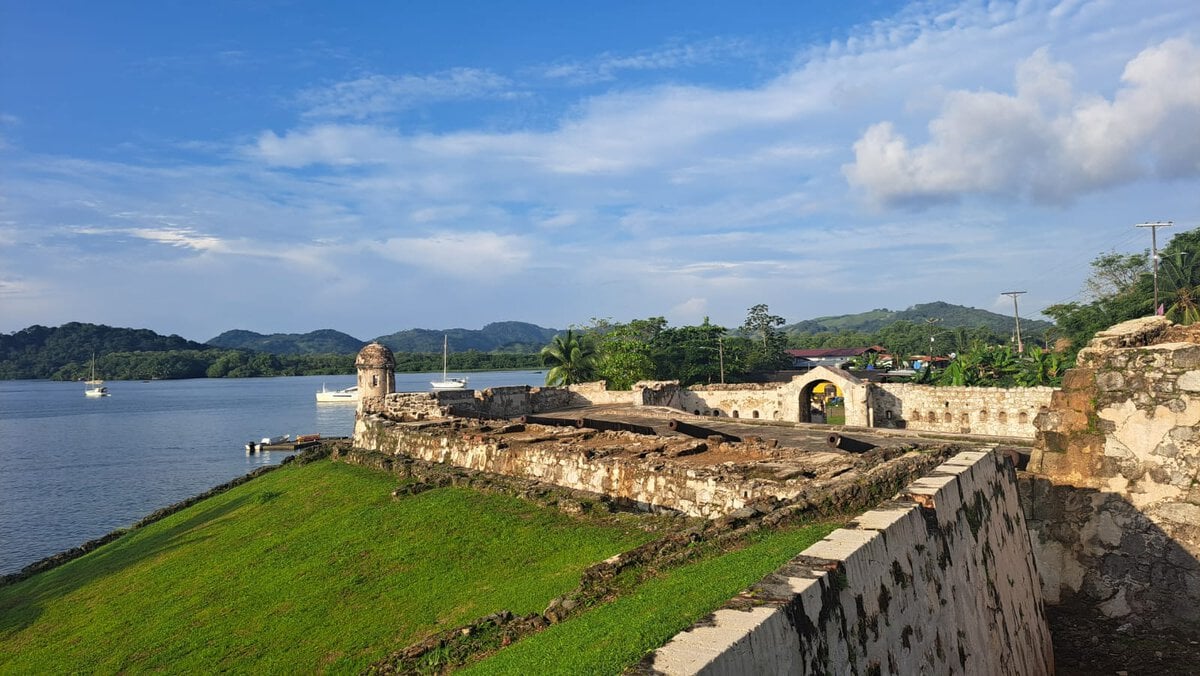
Complementing this cultural depth are the coastal fortifications of Fort San Lorenzo and Portobelo. These structures were once integral to the Spanish "Gold Road," the path used to transport precious metals from the Andean colonies to Europe. Today, these sites are classified as endangered by UNESCO, facing significant environmental and human-induced degradation. Conservationists emphasize that these ruins are not merely tourist attractions but vital historical archives that require strict adherence to preservation protocols, such as remaining on designated footpaths to prevent further structural damage.
Indigenous Governance and Territorial Stewardship
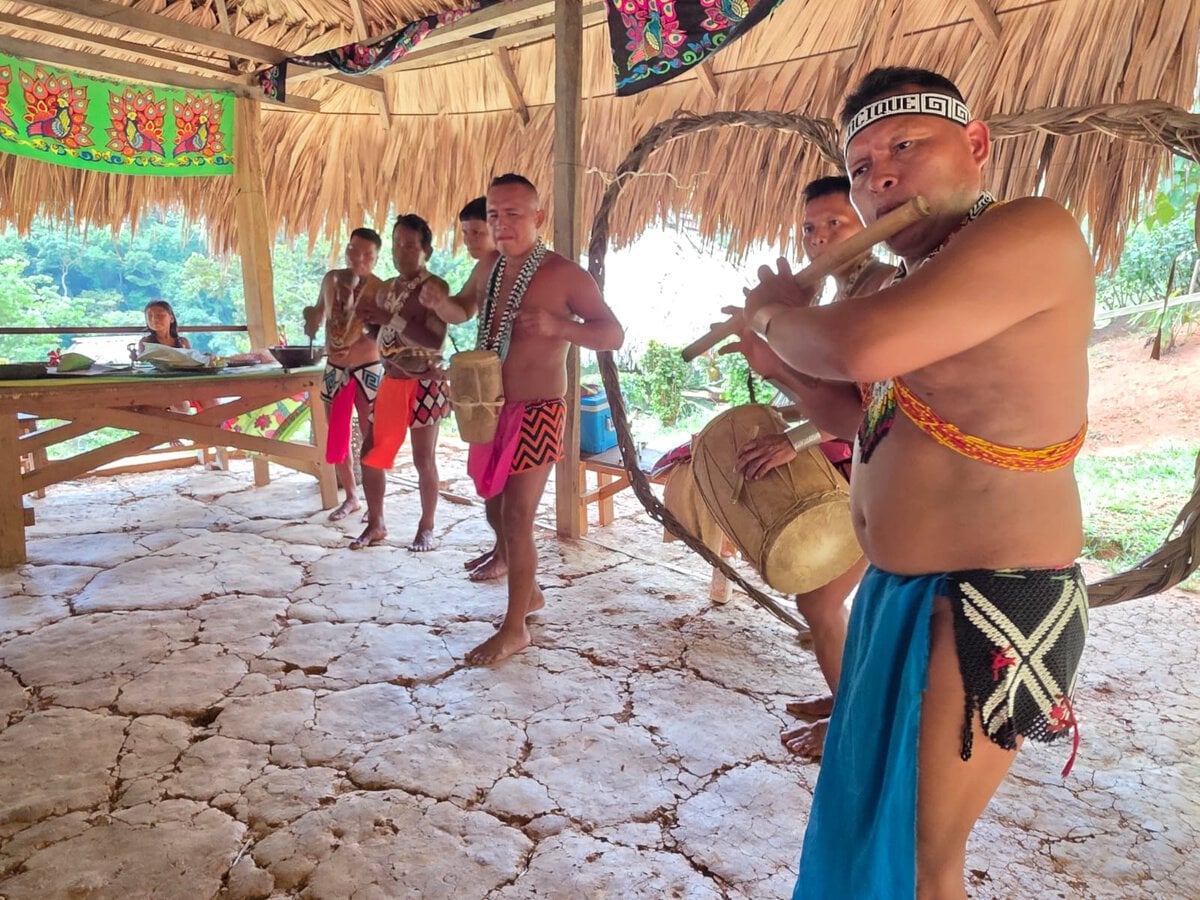
Panama’s demographic profile is enriched by the presence of several Indigenous groups, including the Guna, Ngäbe, Buglé, Emberá, and Wounaan. The Guna Yala archipelago, comprising approximately 365 islands, serves as a model of indigenous autonomy. The Guna people maintain strict control over their territory through the Guna General Congress, ensuring that tourism development remains sustainable and culturally respectful.
Visiting these communities requires a shift in perspective; visitors are guests within sovereign territories. For instance, in Emberá communities located near the Chagres National Park, tourism is facilitated through direct, managed engagements that focus on the transmission of traditional crafts, music, and environmental stewardship. It is recommended that visitors engage only with operators who have established long-term, equitable relationships with these communities to ensure that the economic benefits of tourism are distributed locally and ethically.
Festival Chronology and Cultural Significance
The Panamanian calendar is punctuated by events that underscore the country’s nationalistic and religious fervor. Understanding these dates is critical for travelers looking to experience the authentic pulse of the nation:
- October 21: The Festival of the Black Christ (Portobelo). Thousands of pilgrims descend upon the coastal town to honor the statue of the Black Christ. This is an event of profound religious importance, where traditional Congo rituals often intersect with Catholic liturgy.
- November: Fiestas Patrias. This month features a series of national celebrations, including the separation from Colombia (Nov. 3) and independence from Spain (Nov. 28). The parades, featuring the traditional pollera dress and tamborito music, represent the most vibrant displays of national folklore.
- Carnival (February/March). Occurring in the days leading up to Ash Wednesday, Carnival is the most significant social event of the year. While Panama City hosts large-scale celebrations, the town of Las Tablas is recognized for the intense competition between rival tunas (carnival groups), which spend the entire year preparing for the event.
Practical Data and Travel Logistics
Travel to and within Panama requires careful planning due to the logistical challenges of the terrain. The Tocumen International Airport (PTY) serves as the primary gateway, connecting the country to the global network. Once in the country, the efficiency of transit varies. While the Pacific and Caribbean coasts are geographically close, the transit time can be volatile, influenced by seasonal rainfall and road infrastructure.
Table: Transit Estimates from Panama City
| Destination | Mode of Transport | Approximate Time |
|---|---|---|
| Taboga Island | Ferry (Amador Causeway) | 30 Minutes |
| El Valle de Antón | Bus (Albrook Terminal) | 2.5 Hours |
| Colón/Portobelo | Road | 1.5–2 Hours |
| Guna Yala | Road Transfer + Boat | 4–6 Hours |
| Bocas del Toro | Domestic Flight | 1 Hour |
Strategic Implications for Sustainable Tourism
The broader implication of moving "beyond the canal" is the potential for economic diversification in rural and indigenous areas. However, this growth carries the inherent risk of over-tourism and cultural commodification. The Panamanian Tourism Authority and independent travel organizations have increasingly emphasized the importance of "slow tourism"—encouraging longer stays in singular regions rather than rapid, multi-destination itineraries.
Furthermore, the environmental fragility of the region cannot be overstated. As the rainy season (extending from May to December) intensifies, the accessibility of remote areas such as the Guna Yala islands or the Darién province becomes increasingly limited. Travelers are advised to consult local meteorological forecasts and remain flexible in their itineraries, as climate-related disruptions are a standard component of regional travel.
In conclusion, Panama offers a narrative far more complex than its role as a transit hub for global shipping. By venturing into the highlands of Chiriquí, the historic ruins of the Caribbean coast, and the autonomous territories of the Guna, visitors gain an understanding of a nation that is balancing rapid modernization with a deep, uncompromising commitment to its cultural and ecological heritage. This balance is not merely a feature of the Panamanian experience; it is the essence of the country itself.