The Ultimate Digital Nomad Checklist: 10 Essential Factors for Choosing Where to Live and Work Abroad

The global landscape of remote work has undergone a profound transformation over the past decade, shifting from an experimental lifestyle favored by freelance writers and web developers into a multi-billion-dollar economic force. Since 2012, an estimated tens of millions of professionals have embraced location-independent work, testing the infrastructure, regulatory frameworks, and cultural viability of nations across every continent. Establishing a temporary or semi-permanent base abroad involves distinct challenges that separate a successful long-term relocation from a stressful vacation. Experience living and working across diverse international hubs—ranging from the beaches of Southeast Asia and Latin America to the historical cities of Eastern Europe—reveals a precise set of operational criteria necessary to evaluate potential digital nomad destinations.
The Evolution of the Location-Independent Workforce
The modern remote work movement accelerated significantly following the normalization of remote corporate policies and the subsequent expansion of global telecommunications infrastructure. In the early 2010s, destination selection was primarily driven by low cost of living and basic internet availability. However, as the demographic aged and professionals sought stability alongside adventure, the parameters for choosing a base expanded.
Governments worldwide have taken notice, recognizing the economic contributions of high-earning foreign professionals who inject capital into local economies without straining domestic labor markets. Consequently, the last five years have seen a proliferation of official digital nomad visas, remote worker permits, and streamlined long-term residency tracks designed to attract this mobile workforce.
1. Natural Environment and Geographic Landscape
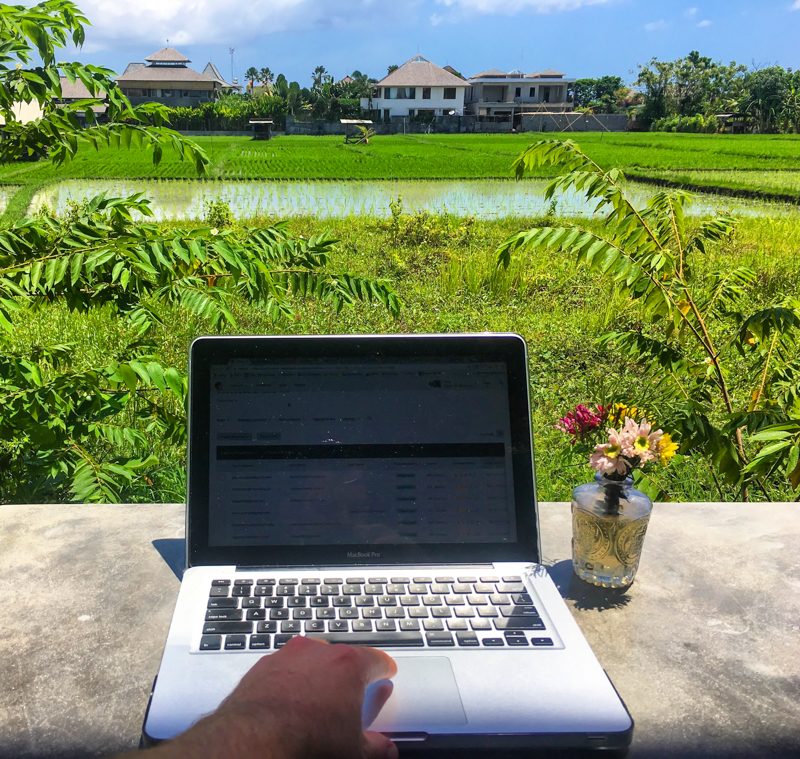
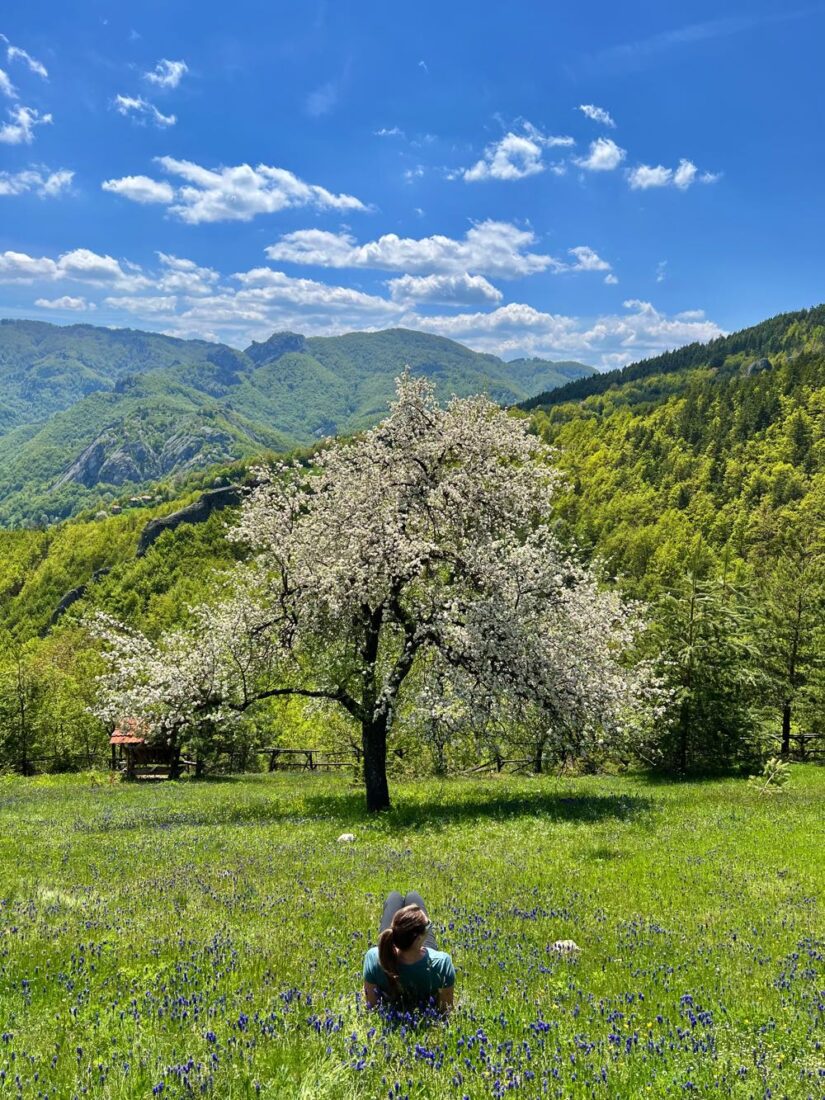
Environmental surroundings serve as a primary filter for long-term comfort and psychological well-being. Urban density without access to green spaces or natural landmarks frequently leads to burnout, regardless of internet speeds or economic advantages. Research in environmental psychology consistently indicates that proximity to nature reduces cortisol levels and enhances cognitive function—critical metrics for individuals whose primary output is knowledge work.
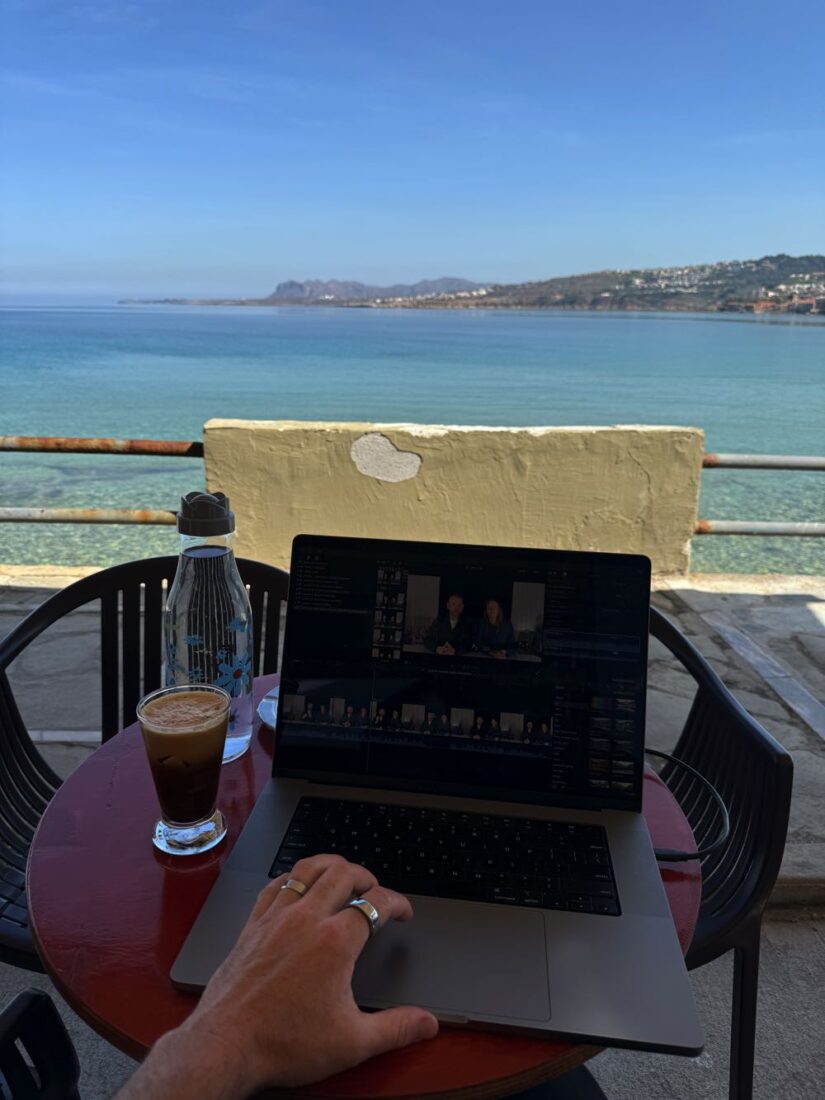
Different geographic profiles suit different lifestyles. Coastal regions offer marine ecosystems and active outdoor lifestyles, while mountainous areas provide cooler climates, extensive hiking infrastructure, and lower population density. A sustainable destination must balance urban convenience with immediate access to a natural environment that facilitates physical recovery and mental recharge.
2. Cost of Living Versus Quality of Life Ratio
Financial optimization is a central pillar of the nomad economy, yet a common pitfall involves prioritizing the lowest possible expenses over overall utility. The optimal economic balance occurs where living costs remove financial anxiety without forcing compromises on safety, nutritional quality, ergonomic housing, or professional resources.
Economic research into expatriate destinations highlights several regions offering high purchasing power parity:

- Southeast Asia: Countries such as Thailand, Vietnam, and Indonesia provide robust infrastructure, high-speed connectivity, and affordable high-end services.
- Latin America: Argentina, Mexico, and Guatemala offer cultural integration, diverse culinary scenes, and moderate costs when aligned with favorable currency exchange rates.
- Eastern and Southern Europe: Nations like Bulgaria, Albania, Croatia, and Georgia combine European regulatory stability and historical infrastructure with significantly lower living costs than Western European capitals.
Additionally, alternative housing models such as international house-sitting platforms have emerged as viable strategies to offset accommodation expenditures entirely in exchange for property and pet management responsibilities.
3. Urban Infrastructure and Daily Amenities
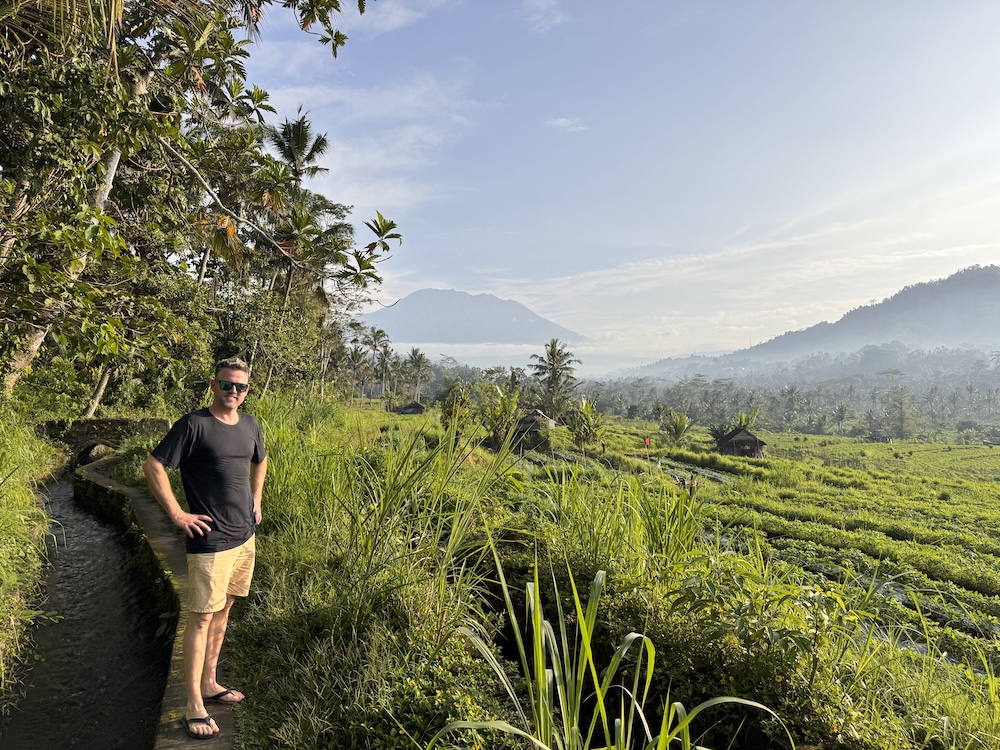
Daily efficiency depends heavily on local infrastructure. While short-term travelers can overlook the absence of specialized services, long-term residents require predictable access to commercial and civic amenities. Essential operational requirements include:
- Standardized grocery supply chains accommodating diverse dietary needs.
- Reliable public transportation networks or safe pedestrian corridors.
- Fitness facilities, pharmacies, banking services, and medical clinics.
- Dedicated co-working spaces and ergonomic cafes equipped with backup power systems.
The absence of these foundational elements converts routine errands into time-consuming logistical challenges, directly diminishing productivity and work-life balance.
4. Professional and Social Community Networks
Isolation is one of the most frequently cited hazards of long-term remote work. While solitude can aid intense focus, sustained geographic mobility often results in a transient social circle that can impair mental health over time.
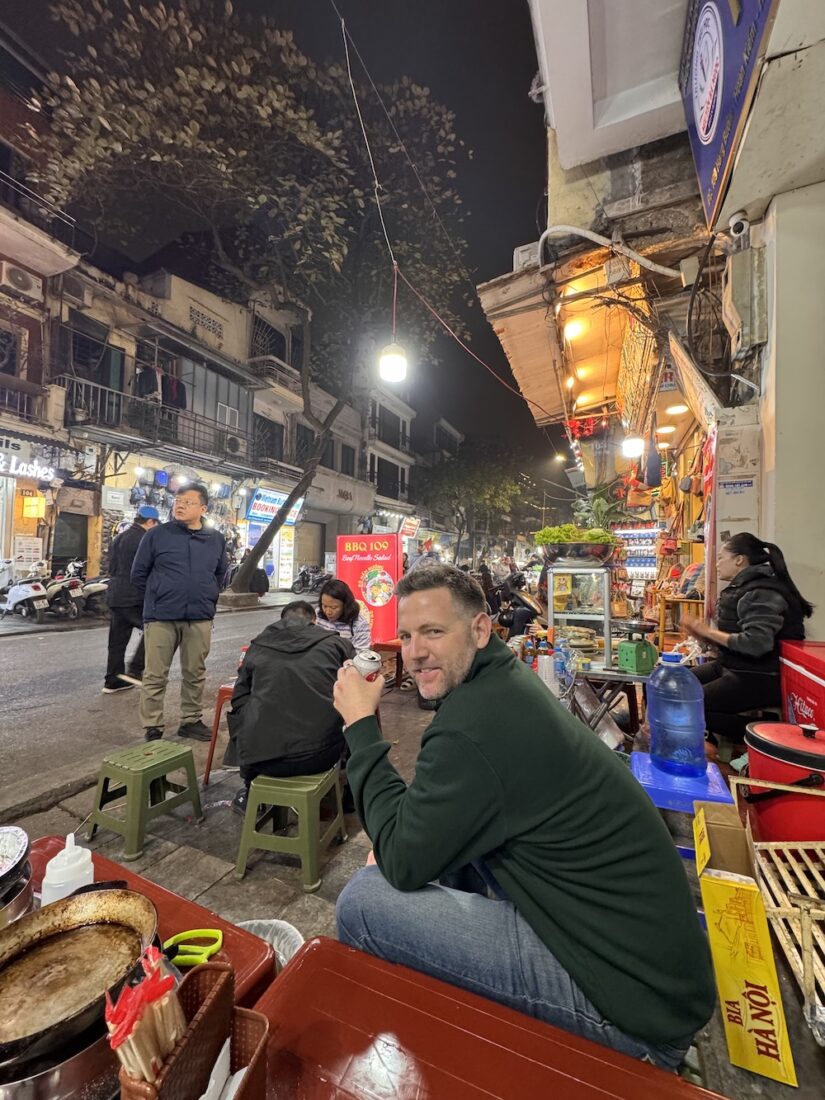
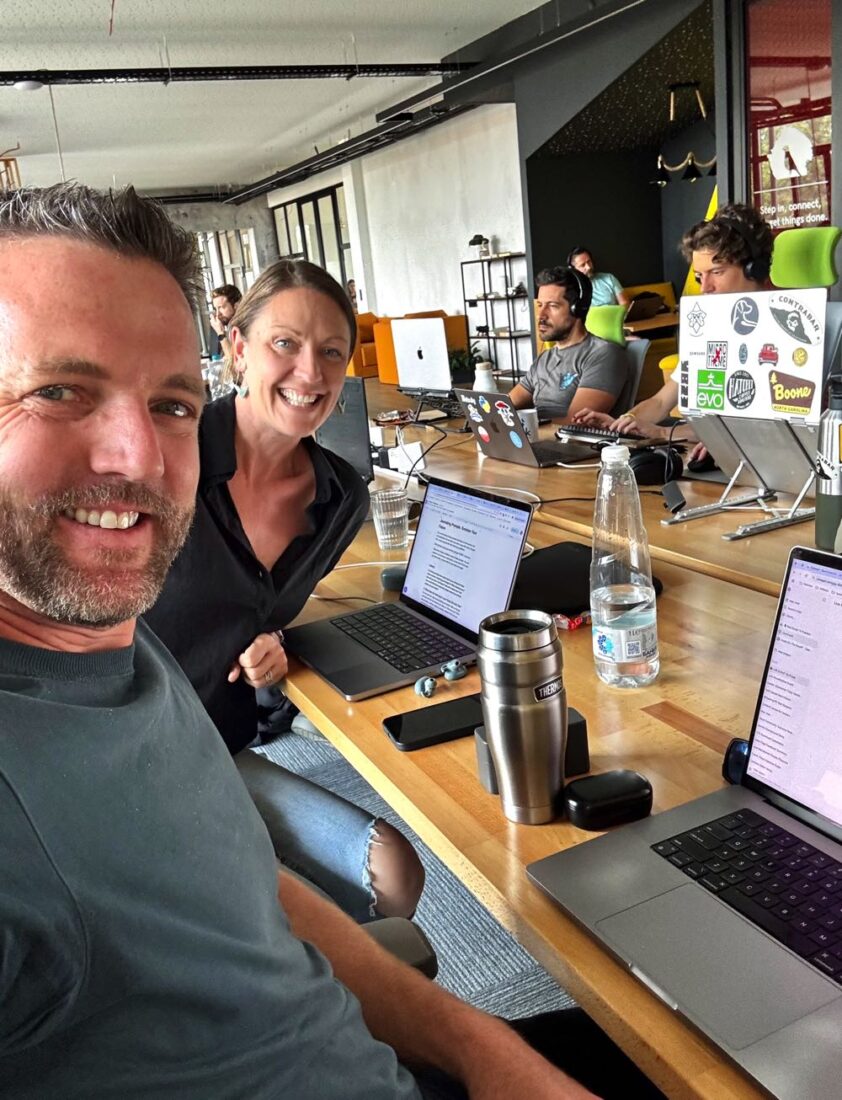
The presence of an active, established community of entrepreneurs, remote employees, and creatives provides critical networking opportunities, collaborative business ventures, and peer support. Cities featuring robust nomad hubs—such as Chiang Mai, Bali, Lisbon, and Playa del Carmen—have developed sophisticated social ecosystems, including regular professional meetups, language exchanges, and collaborative workspaces that mitigate the isolation inherent in solo international travel.
5. Leisure, Culture, and Local Integration
A destination’s value extends beyond professional output; personal fulfillment during non-working hours dictates the sustainability of a long-term stay. Access to cultural institutions, outdoor recreation, culinary diversity, and regional exploration transforms a temporary address into a genuine home.

Residing in a location for a month or longer allows individuals to transition from tourist behavior to localized daily routines, fostering a deeper understanding of regional customs, language acquisition, and civic participation.
6. Digital Connectivity and Telecommunications Reliability
Internet stability remains the absolute baseline requirement for any digital nomad. A breakdown in connectivity directly threatens employment security and business operations. Robust evaluation of a destination’s telecommunications infrastructure prior to arrival involves:

- Reviewing crowd-sourced speed test data and community forums (Reddit, specialized nomad networks).
- Requesting explicit upload and download speed verifications from accommodation hosts.
- Identifying secondary workspaces or co-working hubs as redundancy measures.
Concurrently, the telecommunications industry has shifted toward global electronic SIM (eSIM) technology. Modern multi-country eSIM plans cover over 200 nations, eliminating the need to acquire physical local SIM cards upon landing and enabling secure mobile data tethering for laptops during transit.
7. Transportation Logistics and Airport Proximity
Geographic connectivity dictates how easily a professional can manage international travel, client visits, or emergency returns to their home country. Proximity to an international aviation hub significantly reduces transit fatigue and logistical costs.

While remote islands or isolated natural enclaves offer exceptional aesthetic value, the requirement for multi-leg journeys, ferries, or regional prop planes introduces friction into travel schedules. Conversely, major hubs situated near international airports with direct routes to primary global markets streamline both professional travel and personal mobility.
8. Healthcare Infrastructure and Medical Insurance
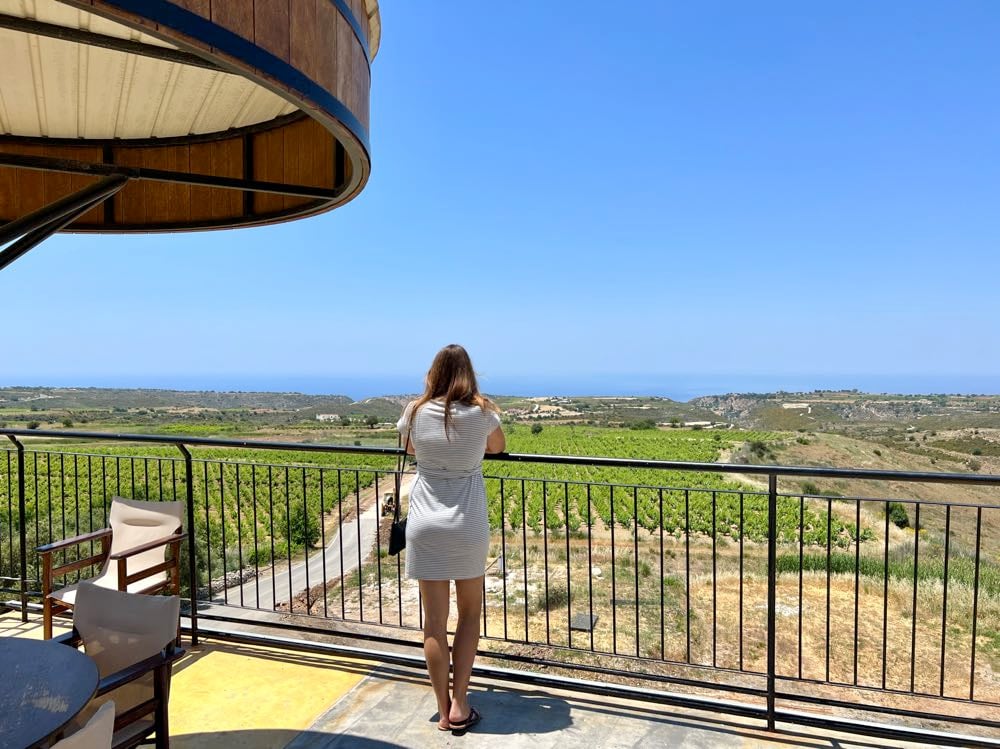
As the remote workforce demographic matures, access to dependable healthcare has emerged as a top-tier priority. Evaluation criteria for medical preparedness include:
- Proximity to accredited hospitals and English-speaking medical specialists.
- The cost and availability of private healthcare services.
- The scope of international health and travel insurance policies (such as specialized nomad coverage providers like SafetyWing).
While Southeast Asia and parts of Eastern Europe boast affordable, high-standard private medical facilities, rural or developing island nations often require medical evacuation insurance for complex surgical procedures or specialized treatments.
9. Security, Geopolitical Stability, and Environmental Risks
Safety is a multifaceted metric encompassing violent crime rates, petty theft, infrastructure safety, and environmental hazards. Relying solely on official government travel advisories can provide an incomplete picture; first-person reports from expatriates and residents on the ground typically offer a more accurate assessment of neighborhood-level security.
Furthermore, environmental risks—such as seasonal tropical cyclones, wildfire seasons, or extreme seismic activity—must be factored into the timing of residency. Mitigating these risks involves seasonal planning, avoiding high-risk meteorological windows, and maintaining situational awareness regarding local laws and emergency services.
10. Regulatory Frameworks and Visa Compliance
Navigating international immigration laws is critical to avoiding legal penalties, overstay fines, or accidental tax residency triggers. The regulatory environment for remote workers has evolved rapidly, offering diverse legal pathways:
- Standard Tourist Entry: Provides short-term stays (typically 30 to 90 days), requiring periodic border runs.
- Digital Nomad Visas: Implemented by nations including Spain, Portugal, Croatia, Cyprus, and Thailand (such as the Destination Thailand Visa, offering multi-year flexibility).
- Temporary Residency Programs: Utilized in countries like Mexico, where temporary resident visas permit stays of one to four years for remote professionals meeting income thresholds.
Consulting legal and tax professionals ensures compliance with both host-country regulations and home-country tax obligations, preventing unexpected liabilities.
Conclusion: Empirical Evaluation and Flexibility
Ultimately, theoretical research must be tested against lived reality. Even the most thoroughly vetted destination may fail to align with an individual’s operational rhythm. Experienced remote workers recommend executing short-term trial stays—ranging from one to two weeks—before committing to extended residential leases. Maintaining operational flexibility remains the core advantage of the location-independent lifestyle, allowing professionals to adapt, relocate, and optimize their living environments dynamically.