Mastering the Florida Vacation: A Strategic Guide to Planning Beyond the Brochure

Florida remains one of the most visited destinations in the United States, welcoming over 135 million visitors annually according to data from VISIT FLORIDA. However, the state’s massive geographical diversity—spanning from the panhandle’s emerald coast to the tropical archipelago of the Keys—often leads to logistical oversights that can derail a traveler’s budget and experience. To ensure a trip that balances cost with quality, travelers must shift from a reactive booking mindset to a structured, region-specific approach that accounts for seasonal volatility, hidden service fees, and the often-underestimated reality of in-state transit times.
Regional Specialization: Defining the Scope of Your Itinerary
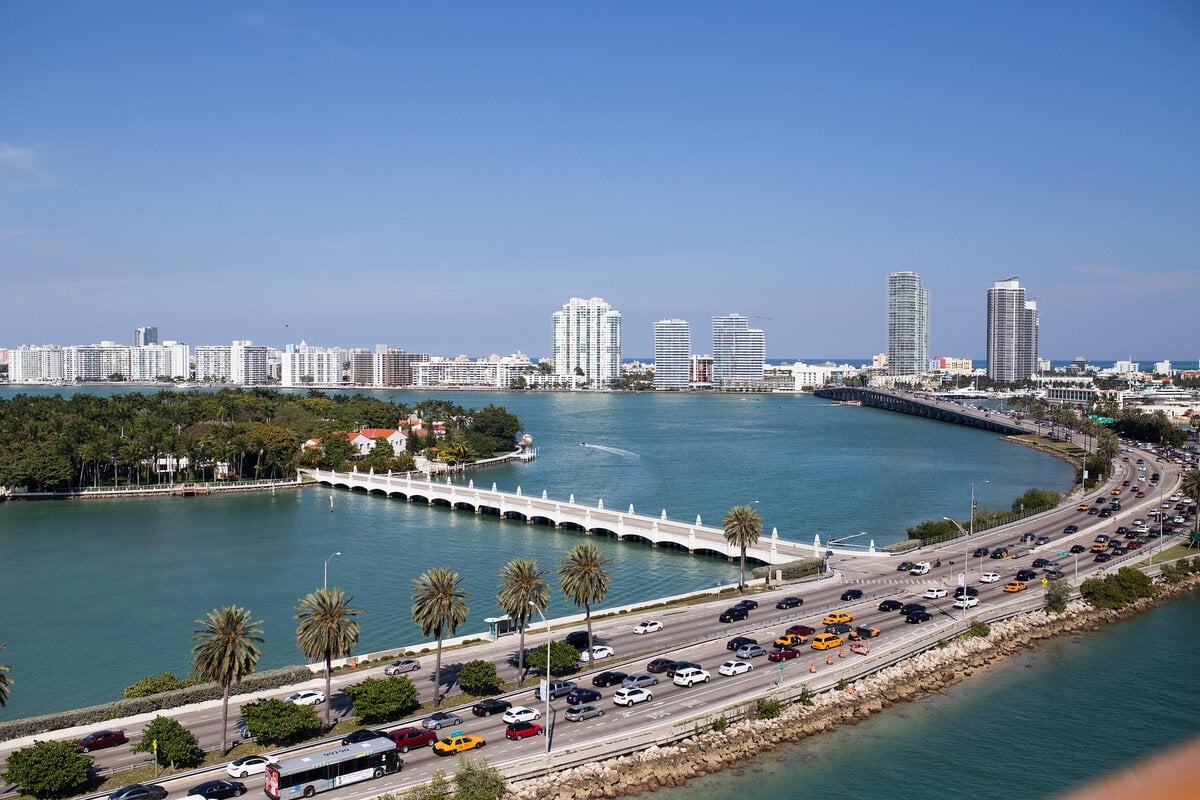
The primary error in planning a Florida excursion is the attempt to bridge too many disparate ecosystems within a single trip. Florida functions as a collection of distinct travel hubs, each requiring unique logistical planning. Orlando serves as the epicenter of theme park tourism, necessitating an itinerary built around high-density logistics, resort-based transportation, and early-morning park entries. Conversely, the Miami metropolitan area is defined by its urban density, Art Deco aesthetic, and international food scene, demanding a different pace of travel.
The Gulf Coast—stretching from Naples to Clearwater—offers a slower, beach-centric experience characterized by white-sand barrier islands and marine tourism. The Florida Keys present a distinct alternative, centered on the Overseas Highway, where the drive itself serves as a central attraction. Selecting a primary base is not merely a preference; it is a financial necessity. A trip built for the high-energy environment of Orlando cannot be seamlessly blended with a relaxing beach-first holiday without significant increases in travel time and transportation costs.
Chronology and Environmental Variables: Navigating the Seasonal Calendar
Timing a Florida visit involves navigating a complex matrix of weather patterns and peak tourist cycles. The fiscal year for Florida tourism is largely dictated by school schedules. Peak pricing occurs during spring break (March and April) and the winter holiday season (late December through early January), periods when hotel rates can surge by over 40% compared to off-peak periods.
While summer offers lower room rates, it introduces the dual challenges of intense humidity and the Atlantic hurricane season, which officially runs from June 1 to November 30. Meteorologists note that while the most active period for tropical cyclones typically occurs between August and October, travelers should prepare for the reality of the state’s "rainy season," which historically spans from late May through mid-October. This period is marked by convectional afternoon thunderstorms. To mitigate these risks, industry experts recommend that travelers prioritize refundable bookings and investigate comprehensive travel insurance that includes "cancel for any reason" coverage.
The optimal window for a balanced experience—defined by manageable crowds, moderate temperatures, and lower cost-of-entry—remains the "shoulder" months of late April, early May, and November. During these intervals, the state’s infrastructure is under less pressure, and service levels at major resorts often improve due to lower guest-to-staff ratios.
The Geography of Transit: Understanding In-State Distances
A common misconception among domestic and international tourists is the perceived proximity of Florida’s major landmarks. The state covers roughly 65,758 square miles, and transit times are frequently hampered by heavy traffic corridors in South Florida and the I-4 corridor connecting Tampa and Orlando.

For example, the distance between Orlando and Miami is approximately 235 miles. Under ideal conditions, this represents a three-and-a-half-hour drive; however, during peak commute times, this can extend to five hours. Similarly, the 160-mile journey from Miami to Key West is primarily conducted on two-lane roads, making it highly susceptible to delays.
To address the logistical burden of driving, the Brightline high-speed rail service has fundamentally changed regional connectivity. Linking Orlando International Airport to Miami, with intermediate stops in West Palm Beach, Boca Raton, and Fort Lauderdale, the train allows for a car-free transfer between the state’s largest hubs. With base fares starting near $54, this service offers a significant reduction in the hidden costs associated with rental car daily fees, fuel, and the aggressive toll systems prevalent in South Florida.
Fiscal Realities: Identifying and Budgeting for Hidden Costs
The "headline price" of a Florida vacation—the advertised airfare and base nightly hotel rate—is rarely indicative of the final expenditure. A comprehensive budget must incorporate several tiers of recurring, often-ignored costs:
- Tolls: Florida operates an extensive network of toll roads. Renters are frequently charged a daily convenience fee by rental agencies in addition to the actual toll costs, which can escalate quickly.
- Tourist Development Taxes (TDT): Beyond standard sales tax, many counties levy a tourist tax. In Orlando, for example, the combined tax rate for visitors can reach 12.5%.
- Resort Fees: Many properties in Florida charge mandatory "resort fees" that cover amenities such as pool access, Wi-Fi, and fitness centers, regardless of whether the guest utilizes them.
- Parking: In urban areas like Miami or high-density resorts, valet and self-parking fees can exceed $40 to $60 per night.
Financial analysts suggest that travelers should categorize spending into distinct buckets—transportation, accommodation, ticketed attractions, and a "convenience" fund. The latter, which covers spontaneous food purchases and ride-shares, often accounts for the largest variance in projected versus actual spending.
Strategic Itineraries: The "Anchor Activity" Methodology
To maximize the value of a trip, travelers should adopt an "anchor activity" strategy. By designating one major event or destination per day—such as a specific theme park, a guided airboat tour, or a scheduled beach day—travelers create a structured itinerary that leaves room for the inevitable fatigue caused by the subtropical climate.
This approach prevents the "itinerary drift" that occurs when visitors attempt to cram multiple geographically dispersed activities into a single day. When an itinerary is too rigid, the high cost of a missed reservation or the physical toll of excessive travel can lead to a sense of dissatisfaction. A more fluid plan allows for the inclusion of "recovery time," which is essential for maintaining the energy levels required to enjoy the state’s outdoor attractions.
Culinary Planning and Local Integration
Food planning is often an afterthought in vacation logistics, leading to excessive spending on high-priced, low-quality tourist trap dining. Florida’s culinary landscape is deeply regional: the influence of Cuban cuisine in Miami is distinct from the fresh seafood markets found on the Gulf Coast.
Travelers are advised to map out one primary meal per day at a reputable local establishment. For secondary meals, utilizing grocery delivery services or opting for accommodations with kitchenettes can significantly lower the overall cost of the trip. This strategy also provides a hedge against the exhaustion that often leads to impulsive, expensive, and subpar dining choices after a long day in the sun.

Implications for Future Tourism
The broader implication for the Florida tourism industry is a move toward more intentional travel. As costs rise and the demand for authentic, stress-free experiences grows, the role of the travel planner—whether human or algorithmic—is shifting toward providing comprehensive, end-to-end transparency.
For the individual traveler, the takeaway is clear: the most successful Florida vacations are those that respect the state’s physical scale and climate limitations. By choosing one region, timing the visit to avoid peak surges, and proactively accounting for the "hidden" costs of resort life, visitors can ensure that their financial investment yields a commensurate return in recreation and leisure. The goal is to move beyond the superficial allure of the brochures and engage with the reality of the destination, thereby creating a trip that is both sustainable and memorable.