Marmaris Tourism and Regional Development A Comprehensive Analysis of Activities Cultural Heritage and Economic Impact in Turkeys Aegean Riviera

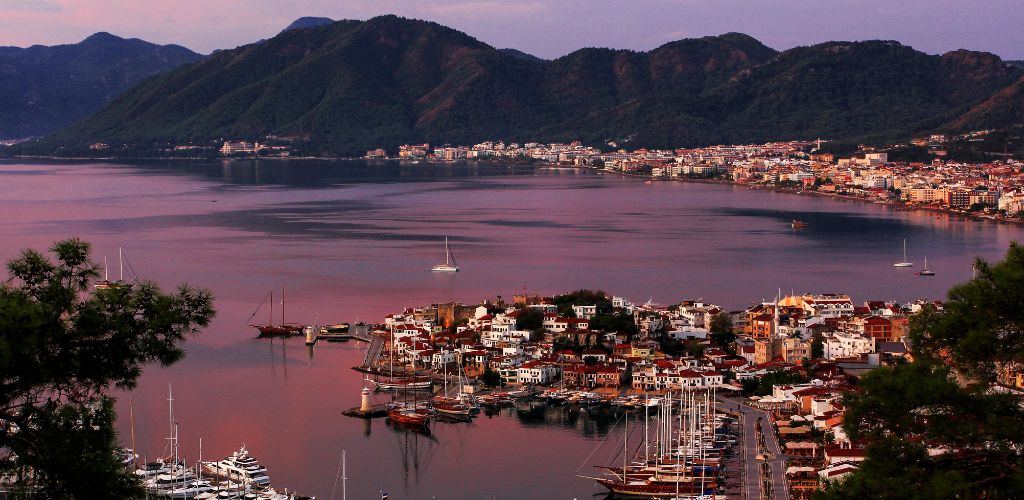
Marmaris, a coastal city situated at the confluence of the Aegean and Mediterranean Seas in the Muğla Province of southwest Turkey, has evolved from a quiet fishing village into one of the Eastern Mediterranean’s most significant tourism hubs. While historically recognized for its extensive coastline and vibrant nightlife, the region offers a multifaceted array of attractions that span historical preservation, environmental conservation, and culinary tradition. The city’s development is characterized by a strategic balance between high-volume summer tourism and the preservation of its unique ecological and archaeological assets.
The Historical and Economic Context of Marmaris
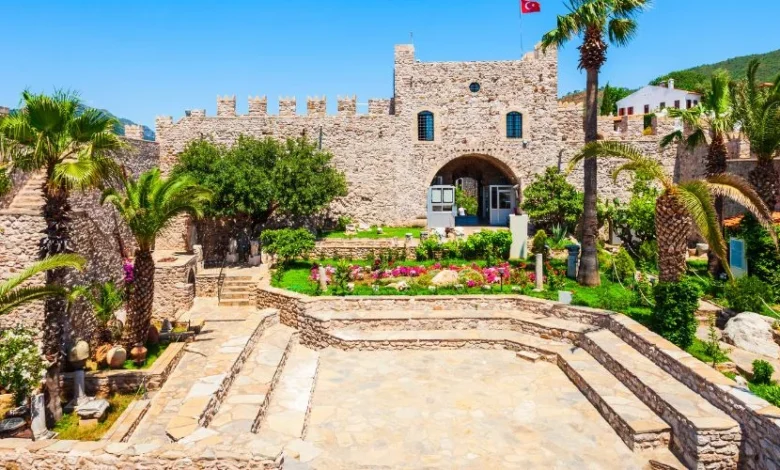
The history of Marmaris, anciently known as Physkos, dates back to at least the 6th century BCE. Its strategic location made it a vital port for various civilizations, including the Carians, Persians, Romans, and Byzantines. However, the most visible historical landmark is the Marmaris Castle, which was significantly rebuilt by Sultan Suleiman the Magnificent in 1522 during his campaign against the Knights of St. John in Rhodes. Today, the castle serves as an archaeology museum, housing artifacts that provide a chronological record of the region’s maritime and terrestrial history.
Economically, tourism is the lifeblood of the Muğla region. According to data from the Turkish Statistical Institute (TUIK) and the Ministry of Culture and Tourism, the Muğla province consistently ranks among the top three destinations for international arrivals in Turkey, alongside Istanbul and Antalya. Marmaris specifically caters to a diverse demographic, with a significant percentage of visitors originating from the United Kingdom, Russia, Germany, and the Scandinavian countries. The tourism season traditionally begins in late April and concludes in October, coinciding with the Mediterranean climate’s peak warmth.
Cultural and Archaeological Landmarks
The preservation of cultural identity remains a priority for local authorities and the Ministry of Culture and Tourism. Two primary sites exemplify the intersection of commerce and history in Marmaris: the Grand Bazaar and Marmaris Castle.
Marmaris Castle and Archaeology Museum
Situated on the hills behind the harbor, the castle offers a panoramic view of the Marmaris Gulf. Following a major restoration in the late 20th century, the site was inaugurated as a museum in 1991. It features seven indoor areas; two are organized as archaeology lounges, and one is a dynamic ethnography lounge. The remaining spaces are utilized as art galleries and storage. The museum’s collection includes Hellenistic, Roman, and Byzantine amphorae, coins, and ornaments, providing essential context for the region’s ancient trade routes.

The Grand Bazaar (Kapalı Çarşı)
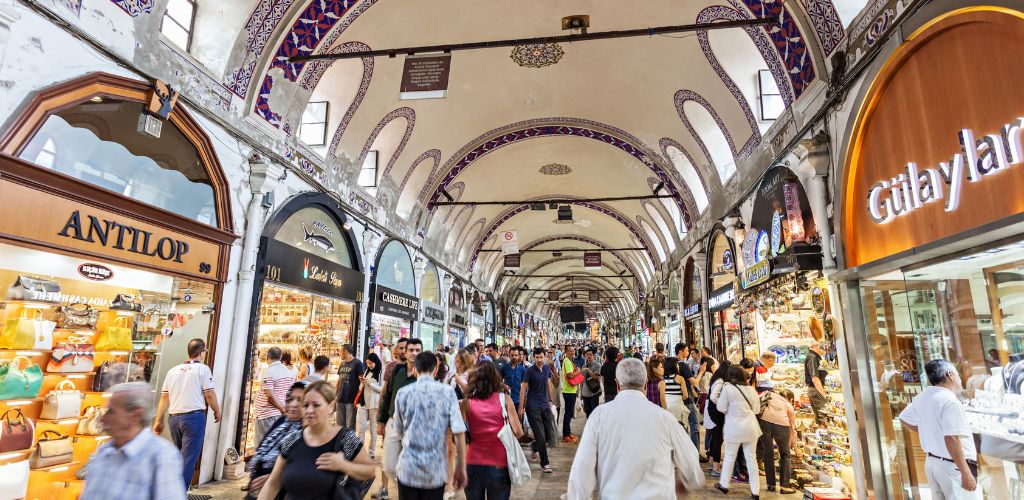
Modeled after the historic markets of Istanbul, the Grand Bazaar serves as the central nervous system of Marmaris commerce. It is a covered marketplace that facilitates the trade of traditional Turkish goods, including hand-woven carpets, leather products, ceramics, and spices. Beyond its role as a tourist attraction, the bazaar is a significant employer for the local population and acts as a showcase for Turkish craftsmanship. Journalistic observation of the market reveals a deeply ingrained culture of negotiation, which remains a hallmark of the Turkish retail experience.
Environmental Conservation and Nature-Based Tourism
Marmaris is distinguished from other Mediterranean resorts by its lush greenery, much of which is protected under the status of the Marmaris National Park.

Marmaris National Park
Established in 1996, the park covers approximately 29,206 hectares. The flora is dominated by the Turkish Pine (Pinus brutia) and the endemic Oriental Sweetgum tree (Liquidambar orientalis). The park provides a sanctuary for diverse wildlife, including wild goats, lynxes, and various bird species. For the tourism sector, the park offers a sustainable alternative to beach-centric activities, facilitating trekking, mountain biking, and ecological tours.
Apiculture and the Pine Honey Industry
Marmaris is a global center for pine honey production. Unlike flower honey, pine honey is produced by bees collecting the secretions of the insect Marchalina hellenica, which lives on the sap of certain pine trees. Turkey produces approximately 92% of the world’s pine honey, with the Muğla province accounting for the vast majority of this output. The Marmaris Bal Evi (Honey House) serves as both an educational center and a commercial outlet, highlighting the ecological importance of bees and the traditional methods of apiculture that have supported local families for generations.
Coastal Dynamics and Regional Connectivity
The geography of Marmaris allows for a tiered tourism experience, ranging from the high-density urban beaches to secluded coastal villages.
Uzunyalı and Içmeler
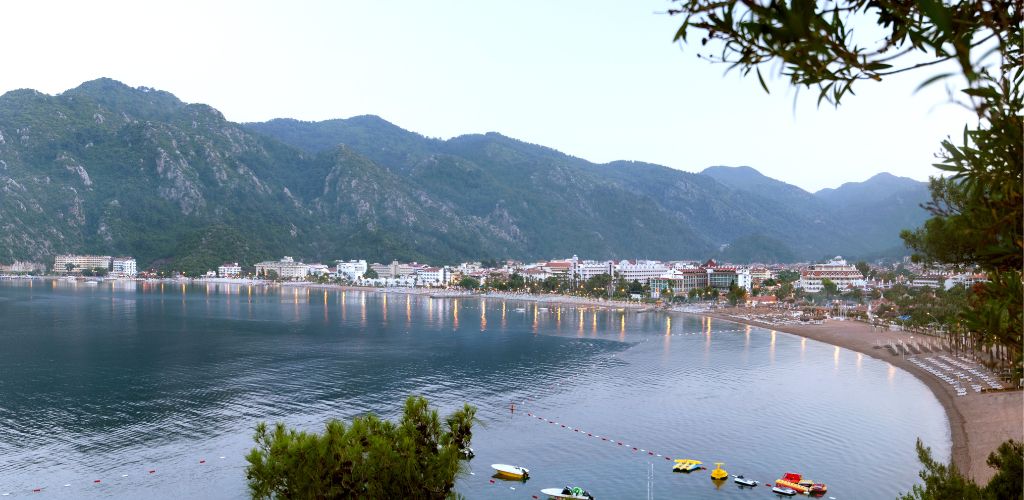
Uzunyalı, also known as Long Beach, stretches from the central harbor toward the west. It is the primary site for hotel infrastructure and public beach access. Ten minutes to the west lies Içmeler, a subsidiary resort town known for its wider beaches and clearer waters. The two areas are connected by a scenic 8-kilometer pedestrian and bicycle path, which has become a focal point for low-impact recreation.

Marine Tourism and Scuba Diving
The Marmaris coastline is dotted with numerous bays and islands accessible only by sea. The local yachting industry is one of the most developed in the Aegean, with the Netsel Marina providing world-class facilities for international sailors. Marine tourism also includes organized boat trips to Turunç and the surrounding islands. Under the surface, the region is noted for its biodiversity. Scuba diving operations in Marmaris are regulated to protect underwater archaeological sites and marine life, including the loggerhead sea turtle (Caretta caretta).
Regional Excursions: The Dalyan Ecosystem
A significant draw for visitors to Marmaris is the proximity to the Dalyan delta, located approximately 80 kilometers to the east. Dalyan is a protected environmental area that offers three distinct attractions:
- The Lycian Rock Tombs: Carved into the cliffs overlooking the Dalyan River in the 4th century BCE, these tombs were built for the elite of the ancient city of Kaunos.
- The Mud Baths: Located near Lake Köyceğiz, these thermal springs and sulfur-rich mud baths are a staple of regional wellness tourism.
- Iztuzu Beach (Turtle Beach): This 4.5-kilometer spit of land is a primary nesting ground for the endangered Caretta caretta. In 1988, the beach was declared a Special Environmental Protection Area, leading to strict regulations on development and nighttime access to ensure the survival of the species.
Culinary Heritage and Gastronomy
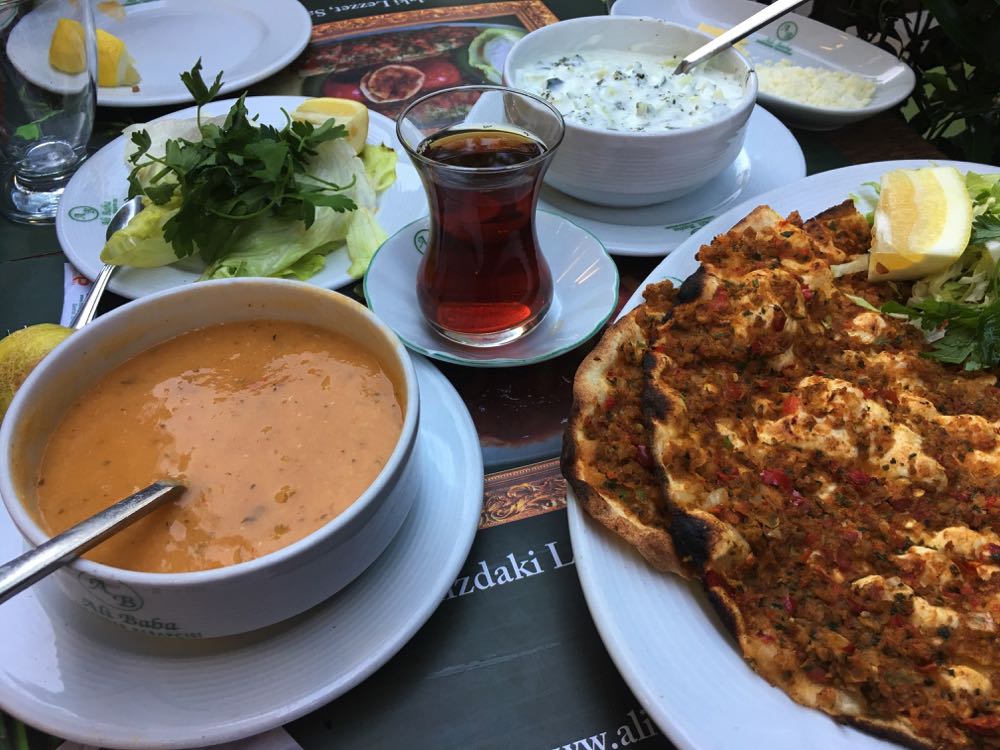
The gastronomy of Marmaris is a reflection of the broader Aegean diet, emphasizing olive oil, fresh vegetables, and seafood. A central pillar of this culture is the "Kahvaltı" or Turkish breakfast, a communal meal featuring various cheeses, olives, honey, eggs, and fresh bread.
The "Ocakbaşı" style of dining—where meats are grilled over an open charcoal fire in view of the patrons—remains a popular traditional experience. Local specialties such as the Adana kebab and various "mezes" (appetizers) showcase the influence of Southeastern Anatolian flavors integrated into the coastal lifestyle. The culinary sector in Marmaris has also adapted to international tastes, but the government continues to promote "Gastro-Diplomacy" by encouraging restaurants to maintain authentic Turkish menus.

Chronology of Seasonal Operations and Climate
The operational cycle of Marmaris is dictated by its Mediterranean climate:
- April – May: The shoulder season begins. Temperatures range from 20°C to 25°C. This period is favored by hikers and those interested in cultural sightseeing.
- June – August: The peak season. Temperatures often exceed 35°C. This period sees the highest occupancy rates for hotels and the maximum output for the service industry.
- September – October: The second shoulder season. The sea remains warm, but the air temperature cools to a comfortable 25°C-30°C.
- November – March: The off-season. Most resort-specific businesses close for maintenance. The city returns to a local pace, focusing on agriculture and the honey harvest.
Official Responses and Strategic Outlook
Local government officials, including the Marmaris Chamber of Commerce and the Muğla Governor’s Office, have expressed a commitment to diversifying the tourism product. In recent statements, representatives from the Muğla Chamber of Commerce (MUTSO) emphasized the need to extend the tourism season into the winter months by promoting sports tourism, health tourism (including dental and aesthetic procedures), and "digital nomad" hubs.
The broader impact of these initiatives is intended to reduce the environmental strain caused by the concentrated summer rush. By promoting the National Park, the honey industry, and the archaeological museum, Marmaris aims to position itself not just as a summer resort, but as a year-round center for Aegean culture and environmental awareness.
Broader Implications and Sustainability
The future of Marmaris tourism is inextricably linked to environmental sustainability. The region has faced challenges, including forest fires in recent years that impacted the honey-producing pine forests. In response, the Turkish government and various NGOs have launched massive reforestation projects and support programs for local beekeepers.

Furthermore, the "Blue Flag" certification—an international award for beach cleanliness and water quality—is a critical metric for Marmaris. Maintaining these standards is essential for the city’s reputation on the global stage. As international travel trends shift toward experiential and sustainable tourism, Marmaris is leveraging its unique combination of ancient history, specialized agriculture, and protected natural landscapes to remain a competitive and resilient destination in the 21st century.
In summary, Marmaris represents a complex ecosystem where modern tourism infrastructure meets ancient tradition. Whether through the preservation of the Suleiman-era castle, the protection of the loggerhead sea turtle, or the global export of pine honey, the city continues to play a pivotal role in Turkey’s cultural and economic landscape. For the traveler, the region offers a depth of experience that extends far beyond the coastline, providing a comprehensive window into the heritage of the Aegean Riviera.
Related posts: