Celebrating the Day of the Dead in Puerto Vallarta A Cultural Deep Dive into Mexico’s Most Vibrant Tradition

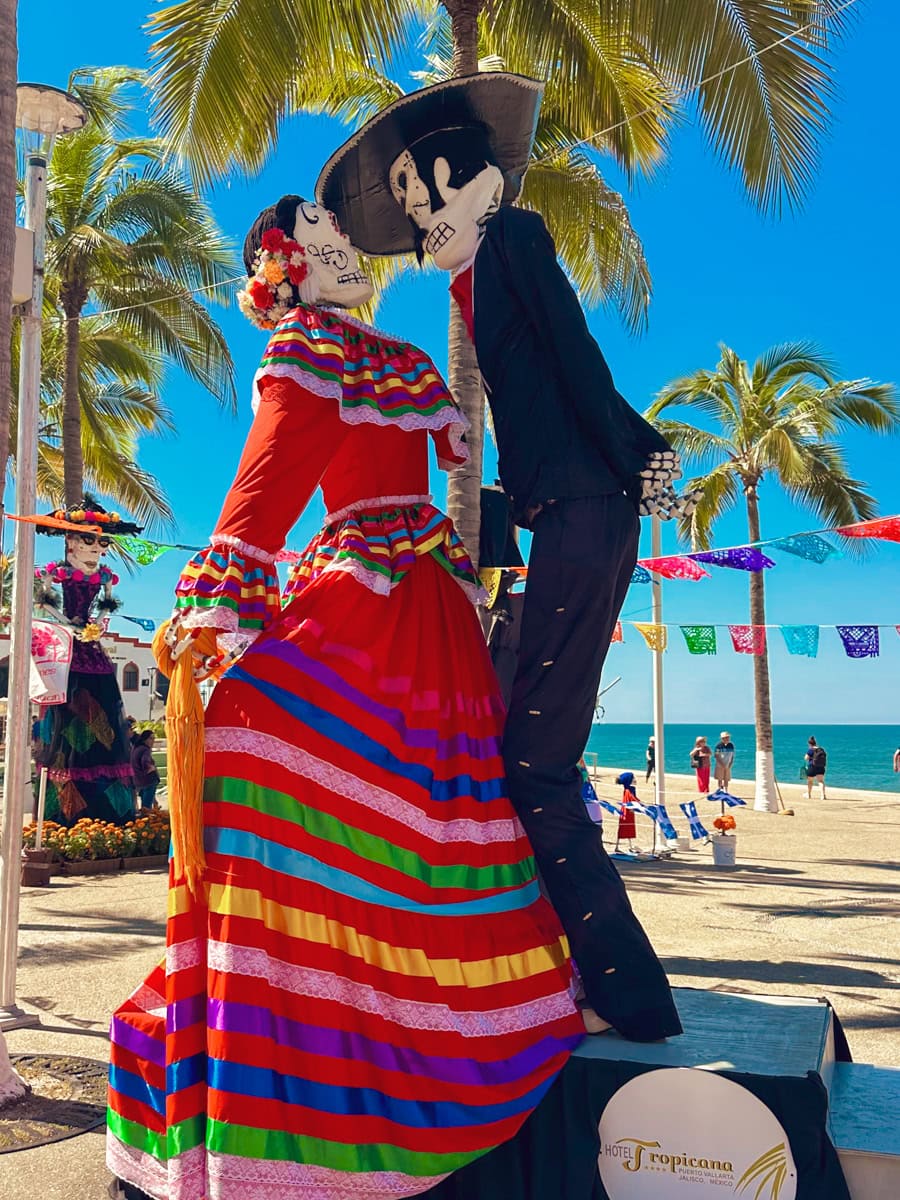
Día de los Muertos, or Day of the Dead, stands as one of the most profound expressions of Mexican cultural identity, a time-honored synthesis of indigenous Aztec rituals and Catholic observances. While the holiday is celebrated throughout Mexico, the coastal city of Puerto Vallarta has emerged as a premier destination for witnessing this intersection of grief, memory, and celebration. From the towering Calavera Catrinas that dominate the Malecón to the intimate, candlelit vigils at the Cinco de Diciembre Cemetery, the city transforms into a living tapestry of heritage during late October and early November.
Historical and Cultural Context of the Celebration
The origins of Día de los Muertos date back thousands of years to the civilizations of Mesoamerica, including the Aztecs, Toltecs, and Nahua, who viewed death not as an end, but as a natural phase in the continuum of life. Following the Spanish conquest, these ancient traditions were integrated with the Catholic holidays of All Saints’ Day (November 1) and All Souls’ Day (November 2).

In the contemporary Mexican landscape, the holiday is characterized by the belief that the border between the spirit world and the world of the living dissolves for a brief period. Families prepare ofrendas—altars adorned with photographs, marigolds (cempasúchil), candles, and the favorite foods of the departed—to invite the souls of their ancestors home. This practice is fundamentally an act of remembrance, ensuring that the deceased remain part of the family narrative.

A Chronology of the Observance
The celebration in Puerto Vallarta is structured as a multi-day progression, with specific days dedicated to different groups:

- October 27: Traditionally observed as the day to honor the souls of pets who have passed away.
- November 1 (Día de los Inocentes): Dedicated to the spirits of children, often referred to as "angelitos."
- November 2 (Día de los Muertos): The primary day for honoring adult souls, marked by major civic parades, cemetery vigils, and public gatherings.
This timeline allows the community to engage in distinct, respectful phases of remembrance, culminating in the grand public displays that have become a hallmark of Puerto Vallarta’s tourism sector.

Iconic Installations and Public Art
Central to the city’s aesthetic during the holiday is the proliferation of La Calavera Catrina. Originally a satirical etching by José Guadalupe Posada, the elegant skeleton figure was later immortalized in muralist Diego Rivera’s work, Dream of a Sunday Afternoon in Alameda Park. In Puerto Vallarta, these figures are elevated to monumental status. The city regularly hosts the world’s tallest Catrina, a feat of engineering and artistry that can reach heights exceeding 75 feet. These sculptures, positioned along the oceanfront Malecón, serve as both tourist attractions and artistic tributes to the great equalizer of death.

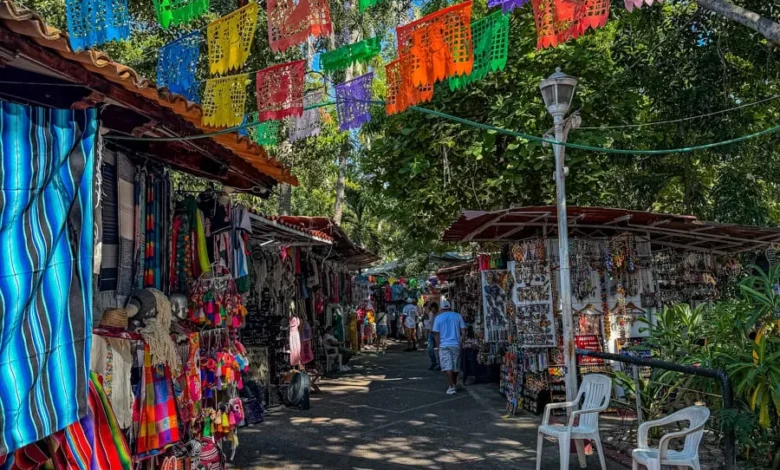
Beyond the Malecón, the Plaza de Armas functions as the heart of the municipal celebration. Here, local authorities and community members collaborate to install large-scale ofrendas, often honoring the city’s founders, such as Don Guadalupe Sánchez. These displays utilize traditional elements: papel picado (intricate paper cutouts representing the wind), salt (for purification), water (to quench the spirits’ thirst), and the ubiquitous marigold, whose vibrant color and scent are believed to guide spirits back to their homes.

The Cemetery as a Social Space
The Cinco de Diciembre Cemetery, located north of the city center, provides the most authentic perspective on the holiday. Unlike the somber atmosphere often associated with Western cemeteries, this space becomes a site of communal activity. Families arrive with cleaning supplies to scrub headstones and tools to maintain the gravesites. The atmosphere is one of warmth and storytelling; it is common to see relatives sharing a meal, playing music, and recounting anecdotes about the lives of those buried there. For the observer, this provides a window into the Mexican philosophy that to be forgotten is the only true death, and the annual maintenance of the grave serves to keep the memory of the deceased vibrant.

Culinary Traditions and Their Significance
Food is a critical component of the ofrenda and the broader cultural experience. Each dish holds symbolic weight:

- Pan de Muerto: This sweet, leavened bread, topped with bone-shaped pieces of dough and dusted with sugar, is perhaps the most recognizable food item of the season. It represents the cycle of life and the sweetness of memory.
- Pozole: A traditional, hearty soup made from hominy and meat, often seasoned with garlic and spices. Its inclusion in family gatherings underscores the importance of community and sharing resources.
- Tamales: Often prepared during a "tamalada"—a communal cooking session—tamales signify the continuity of family traditions. The process of wrapping masa in corn husks is a ritualistic act of preparation for the spirits.
Local restaurants and culinary tours in Puerto Vallarta capitalize on this period to offer visitors an education in these flavors, with establishments like El Campanario and Cenaduría Celia frequently cited for their commitment to these traditional recipes.

The Modern Integration: Tourism and Hospitality
The rise of the holiday as a global travel phenomenon has prompted hotels and resorts to incorporate Día de los Muertos into their guest programming. Properties such as Velas Vallarta and Casa Velas provide a structured entry point for international travelers. These resorts facilitate educational experiences, including guided tours that explain the iconography of the altars, as well as workshops on calavera face painting.

This professionalization of the holiday, while drawing criticism from some traditionalists who fear the commodification of sacred rites, has also provided a platform for local artisans and cultural organizations to showcase their work to an international audience. The integration of Halloween—a distinct but chronologically adjacent holiday—has also become a fixture in the local hospitality sector, reflecting the cultural syncretism present in modern Mexico, particularly among younger demographics.

Economic and Sociological Implications
The impact of the Day of the Dead on Puerto Vallarta is significant. It serves as a vital bridge between the low season and the start of the winter tourism peak. Economically, the surge in visitors during late October and early November supports local markets, restaurants, and tour operators. Sociologically, the event reinforces local identity. By centering the celebration on public spaces like the Malecón and the Cuale River Island, the city ensures that the traditions are not relegated to private homes but are instead a shared public experience that defines the city’s brand as a culturally rich, rather than purely recreational, destination.

Conclusion
Día de los Muertos in Puerto Vallarta is a testament to the resilience of tradition in a rapidly changing world. By balancing the solemn requirements of ancestral honor with the exuberant displays of life, the city provides a comprehensive experience for those seeking to understand the Mexican psyche. Whether through the quiet observation of a family at a gravesite or the spectacle of a 75-foot sculpture on the shoreline, the holiday remains a powerful reminder of the enduring nature of human memory. As Puerto Vallarta continues to grow as a destination, the challenge and opportunity lie in maintaining the authenticity of these rites while sharing their profound beauty with the world.