A Proven Track Record of Extremes
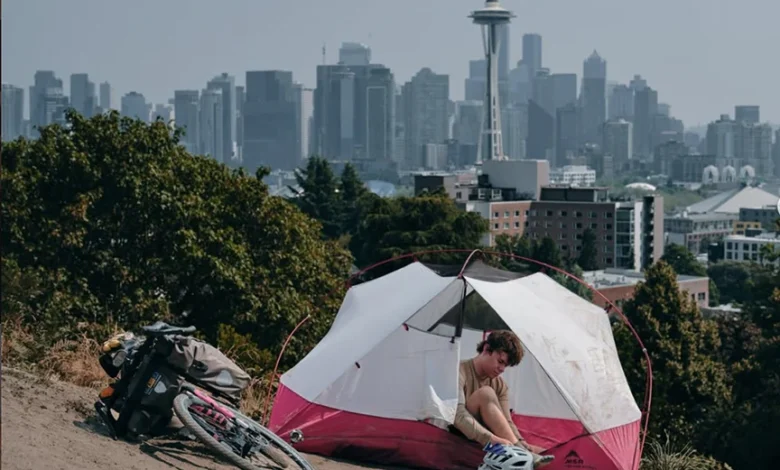
Renggli is no novice to high-stakes endurance challenges. His current expedition is the culmination of years of calculated physical exertion. In 2022, at just 18 years old, he completed a monumental tour of Europe, cycling through all 44 countries on the continent within a seven-month span. During that journey, he not only covered the distance on two wheels but successfully climbed the highest peak in every nation, maintaining a self-supported approach that included camping every night.
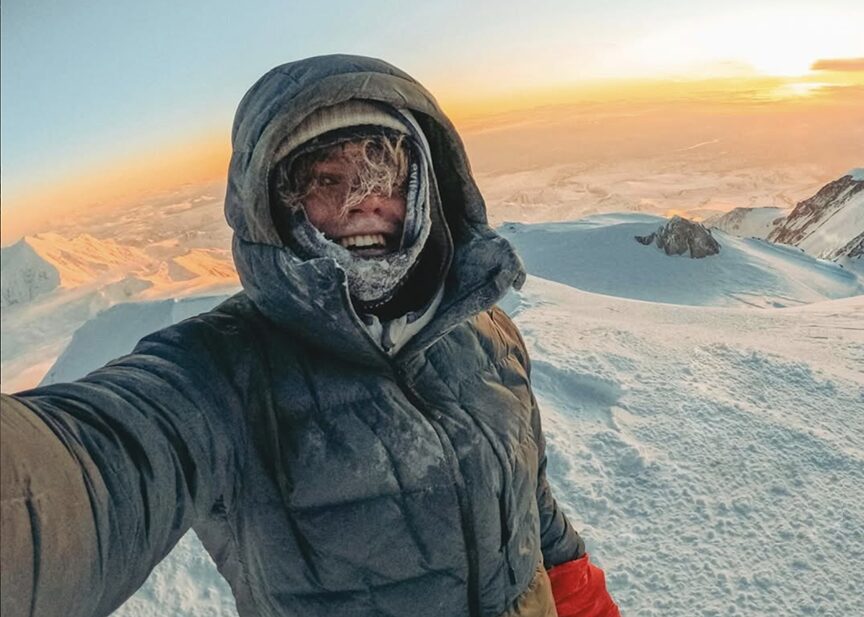
Building on that momentum, Renggli turned his attention to his home nation in 2024. In a feat of technical and cardiovascular fitness, he summited the highest mountain in each of the 26 Swiss cantons in approximately three weeks. These experiences provided the necessary training to handle the psychological and physical strain of his current North-to-South American undertaking.
The Arctic Commencement
The expedition began in April at Deadhorse, Alaska, situated on the rugged, frozen shores of the Beaufort Sea. Renggli’s start date meant contending with the tail end of the Arctic winter, where temperatures frequently plummeted to -30°C. Over the course of the initial 1,200-kilometer leg, he navigated treacherous terrain to reach Talkeetna, the traditional gateway for climbers heading to Denali.
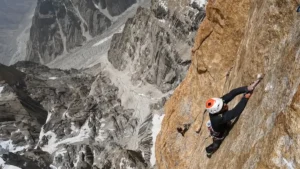
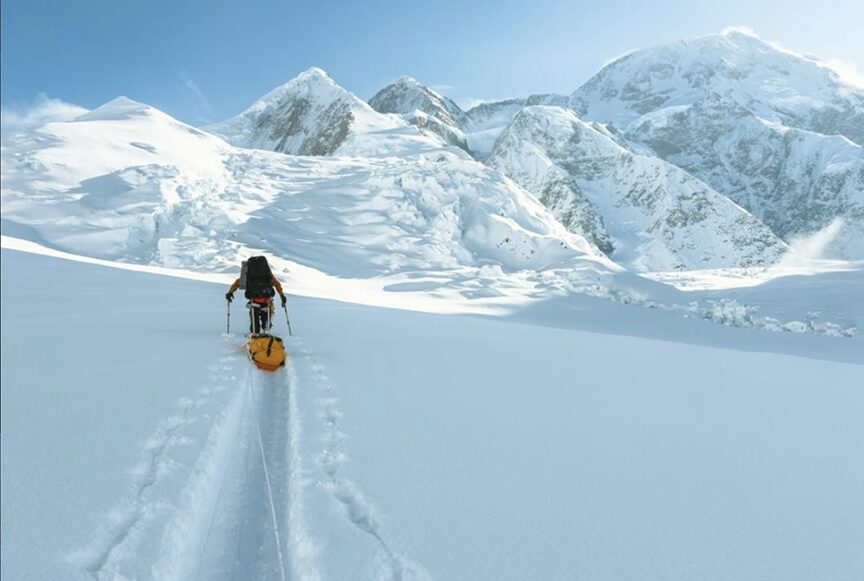
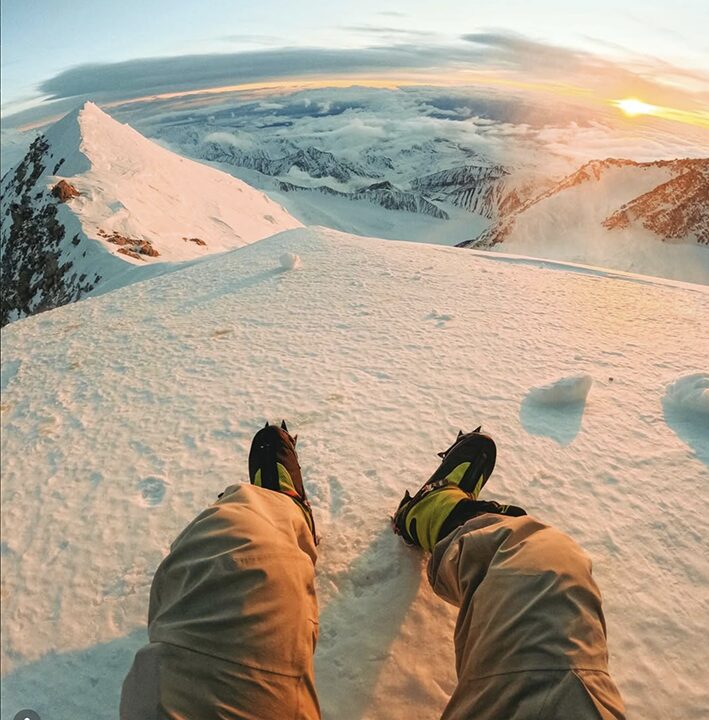
Upon reaching the base, Renggli transitioned from cycling to mountaineering. Alongside his expedition partner, Heli Hofmann, he spent eight days skiing into the heart of the Alaska Range while hauling heavy gear sleds. The duo reached the 6,190-meter summit of Denali—formerly known as McKinley—marking the first successful ascent of the peak for the 2026 season. Because they were the first climbers on the mountain, the pair was forced to break trail through deep, unstable snow, a laborious process that extended their summit push to 36 days.
Logistical Challenges and Mountain Pursuits
Following the successful completion of Denali, the team moved quickly to secure their next objective: Mount Logan, the highest peak in Canada at 5,959 meters. In late June, Renggli and Hofmann reached the summit without the assistance of professional guides. This ascent proved particularly significant as they were the final party of the 2026 climbing season to successfully reach the top before the weather window closed.
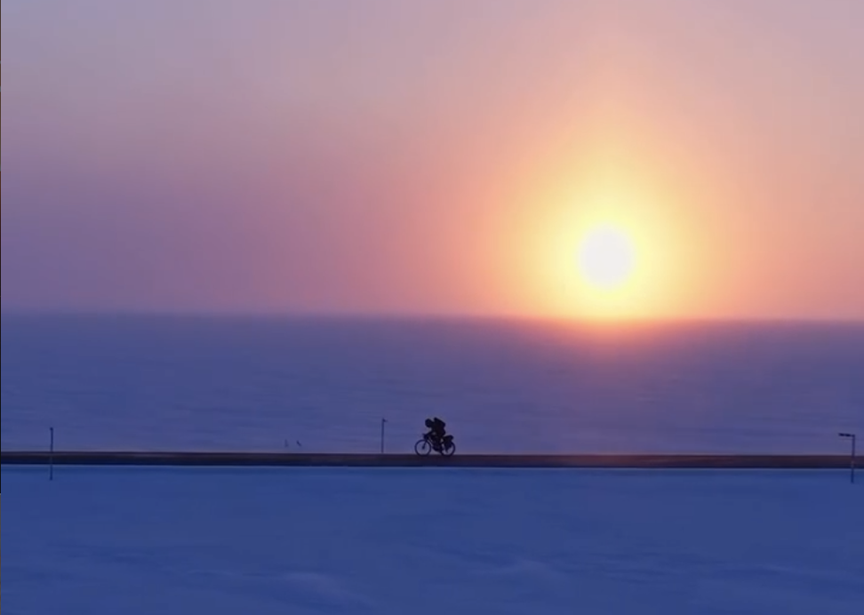
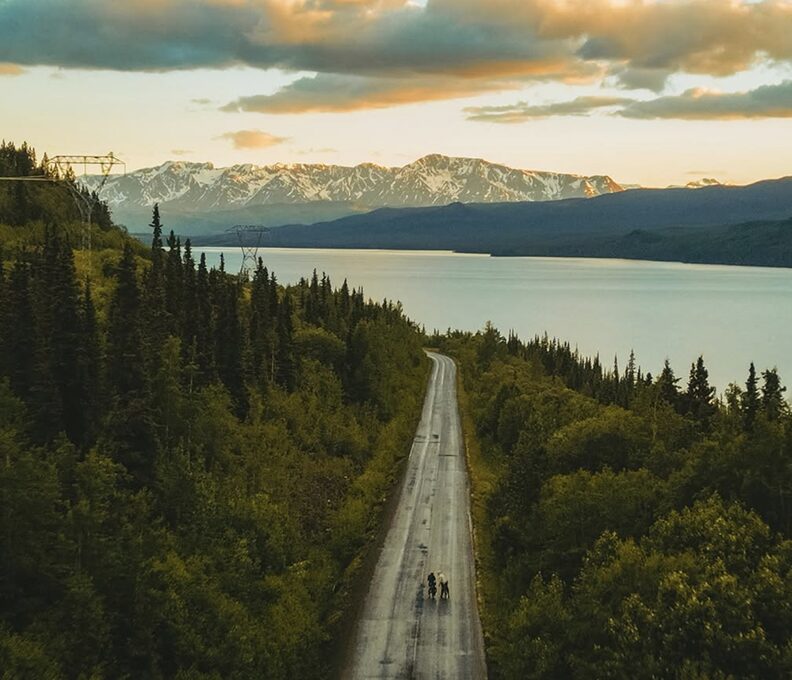
The transition between peaks has been a significant logistical challenge. Renggli has cycled through the United States, maintaining a rigorous daily average of 100 to 160 kilometers. His route through the Western United States and subsequently into Mexico has required a high level of environmental adaptability. Unlike many cyclists who follow a standard route through mainland Mexico, Renggli opted for the Baja California peninsula, which presented unexpected hazards.
Environmental Hurdles in Baja
The crossing of Baja California served as a stark reminder of the volatility inherent in such an ambitious project. Renggli encountered temperatures exceeding 40°C, a radical shift from his Arctic beginnings. In one instance near Loreto, he faced a 120-kilometer stretch with a critically low water supply of only two liters.
The logistical reality of the expedition was further tested near Ciudad Insurgentes, where unseasonal thunderstorms resulted in widespread flooding. In a demonstration of the extreme measures required to maintain his momentum, Renggli traversed a flooded section of the road at night, carrying his bicycle through thigh-deep, fast-moving water while local vehicular traffic was forced to turn back.
Pragmatic Adjustments to the "No Motorized Transport" Goal
While Renggli initially set out with the strict goal of avoiding all motorized transportation—favoring sailboats for water crossings—the scope of a 35-country expedition has necessitated a degree of pragmatism. He has adopted a flexible approach, acknowledging that certain sections, such as returning from the remote base of Denali to the town of Talkeetna or crossing from La Paz to Mazatlan via ferry, are best handled with local transport. This shift indicates a professional understanding of expedition risk management; the primary objective remains the completion of the 35 summits, and the integrity of the journey is maintained through the consistency of the physical efforts, not necessarily through a rigid adherence to travel methods.
Current Status and Future Objectives
As of late 2026, details regarding Renggli’s progress have become more intermittent as he moves into Central America. He has successfully crossed into Guatemala, with reports suggesting he completed an ascent of the 5,636-meter Pico de Orizaba in Mexico before his departure. His next major objective is the 4,220-meter Volcán Tajumulco, the highest point in Guatemala.
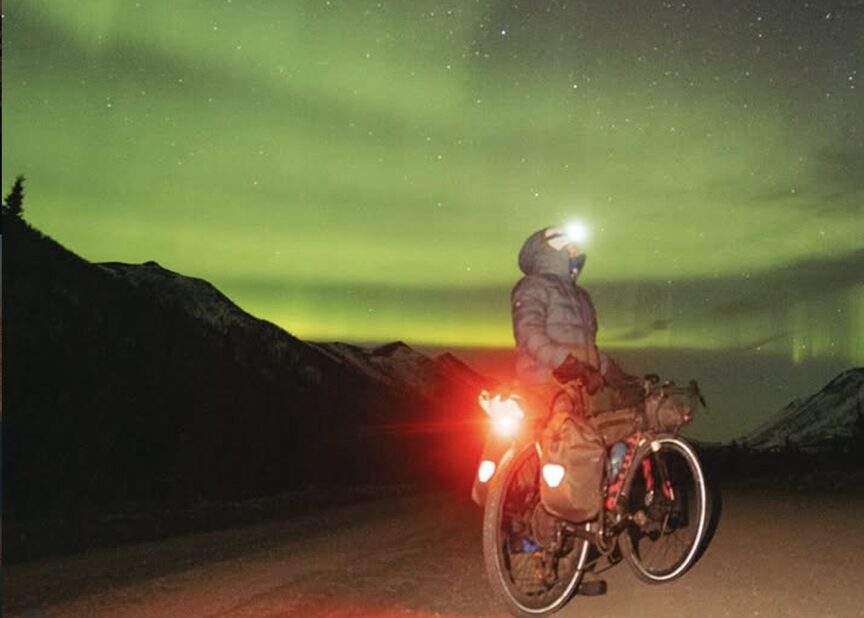
The project is supported by the Black Forest Collective, a film production group that has been documenting the journey. The visual output—ranging from the shimmering Northern Lights of the Arctic to the sun-scorched landscapes of Death Valley—serves as a high-fidelity record of the journey. Beyond the aesthetic value, this documentation provides a verifiable timeline of the expedition, ensuring that the achievements meet the standards required for such endurance records.
Analysis of Expedition Implications
The implications of Renggli’s journey extend beyond the personal achievement of summiting 35 peaks. His expedition acts as a longitudinal study of regional climate and geography. By moving through these diverse environments at a human pace, he provides a granular view of the challenges faced by travelers in the modern era, particularly regarding infrastructure, extreme weather patterns, and the logistical hurdles of traversing international borders via non-standard routes.
Industry experts have noted that the "summit-to-summit" style of long-distance cycling requires a rare combination of technical mountaineering skills and high-volume aerobic capacity. Most cyclists do not possess the climbing experience to safely navigate peaks like Denali or Logan, and most mountaineers lack the stamina to cycle between base camps. By bridging these two disciplines, Renggli is effectively creating a new category of "hybrid" endurance sport.
Looking Toward the Southern Cone
As Renggli continues toward South America, the challenges will shift again. The Andean range presents a unique set of high-altitude hurdles, with peaks often exceeding 6,000 meters in countries like Chile and Argentina. The logistics of cycling through the dense, tropical regions of Central and South America will also introduce new risks, including equipment failure in humid conditions and the complexities of traversing remote, mountainous regions where road infrastructure may be nonexistent.
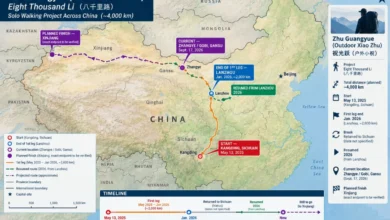
The global adventure community continues to monitor his progress through his digital travel map and periodic updates from the Black Forest Collective. While the journey is far from over, Renggli’s ability to navigate the extremes of the North American continent suggests that he is well-positioned to reach the southern tip of Patagonia. Whether he achieves his goal of all 35 summits remains to be seen, but his performance thus far has established him as a significant figure in contemporary long-distance expeditionary work. The project serves as a stark testament to the persistence required to link the northern reaches of the world with its southern extremity, one summit at a time.