Dublin’s Cultural Core Under Threat: Activists Fight to Preserve Vanishing Arts Venues Amidst Rapid Urban Development

In Dublin, at least 52 arts venues have closed their doors in the last 20 years, with numerous other cultural spaces facing similar existential threats from aggressive redevelopment and soaring property values. Despite this alarming trend, musician and activist Eoghan Ó Ceannabháin remains steadfast in his commitment to protecting these vital hubs, declaring, “I don’t think there’s any option to give up.” This sentiment underscores a broader struggle within the Irish capital to safeguard its rich artistic heritage against the relentless march of commercialization.
The Enduring Spirit of The Cobblestone: A Battle Won, A Warning Sounded
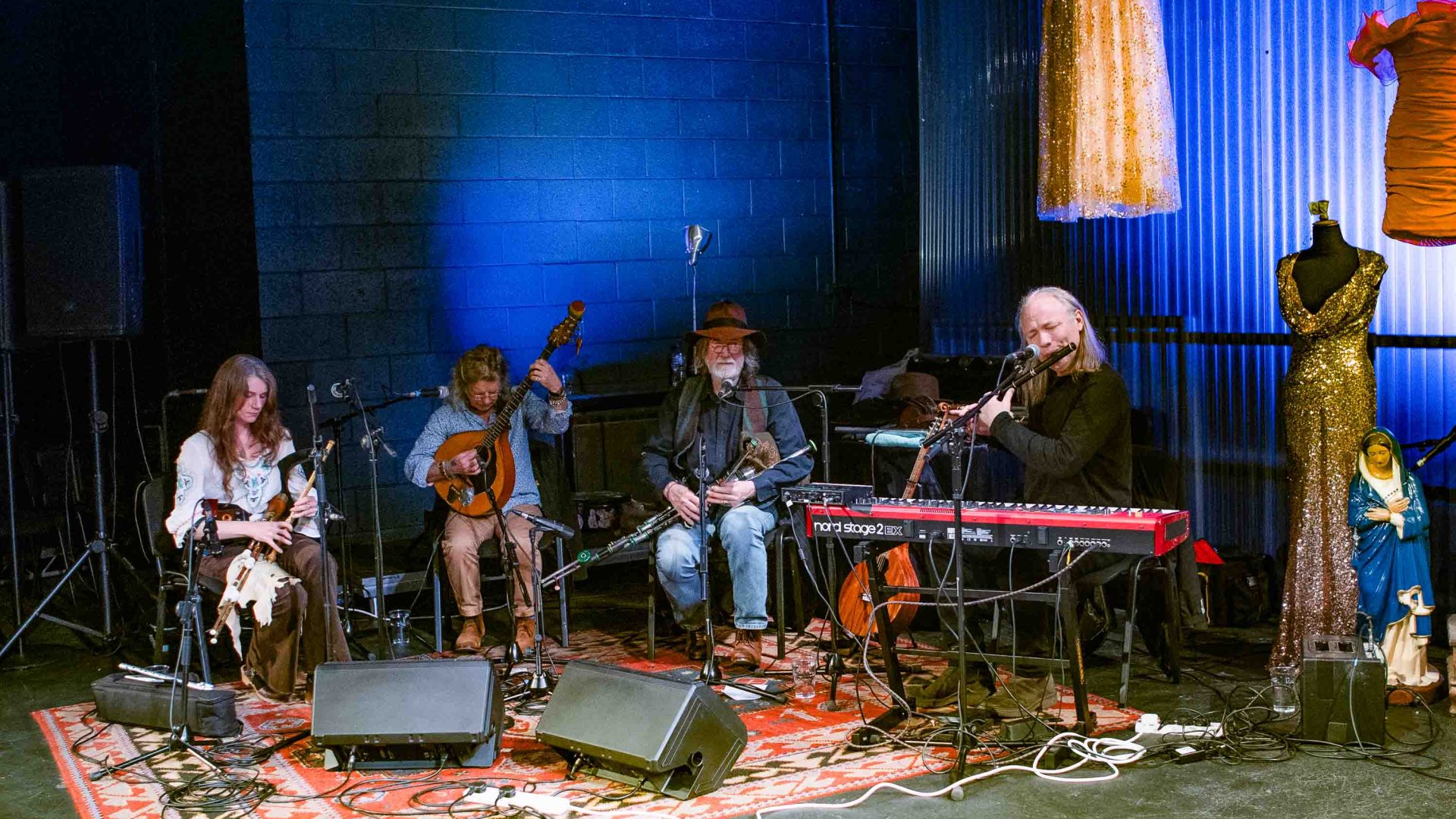
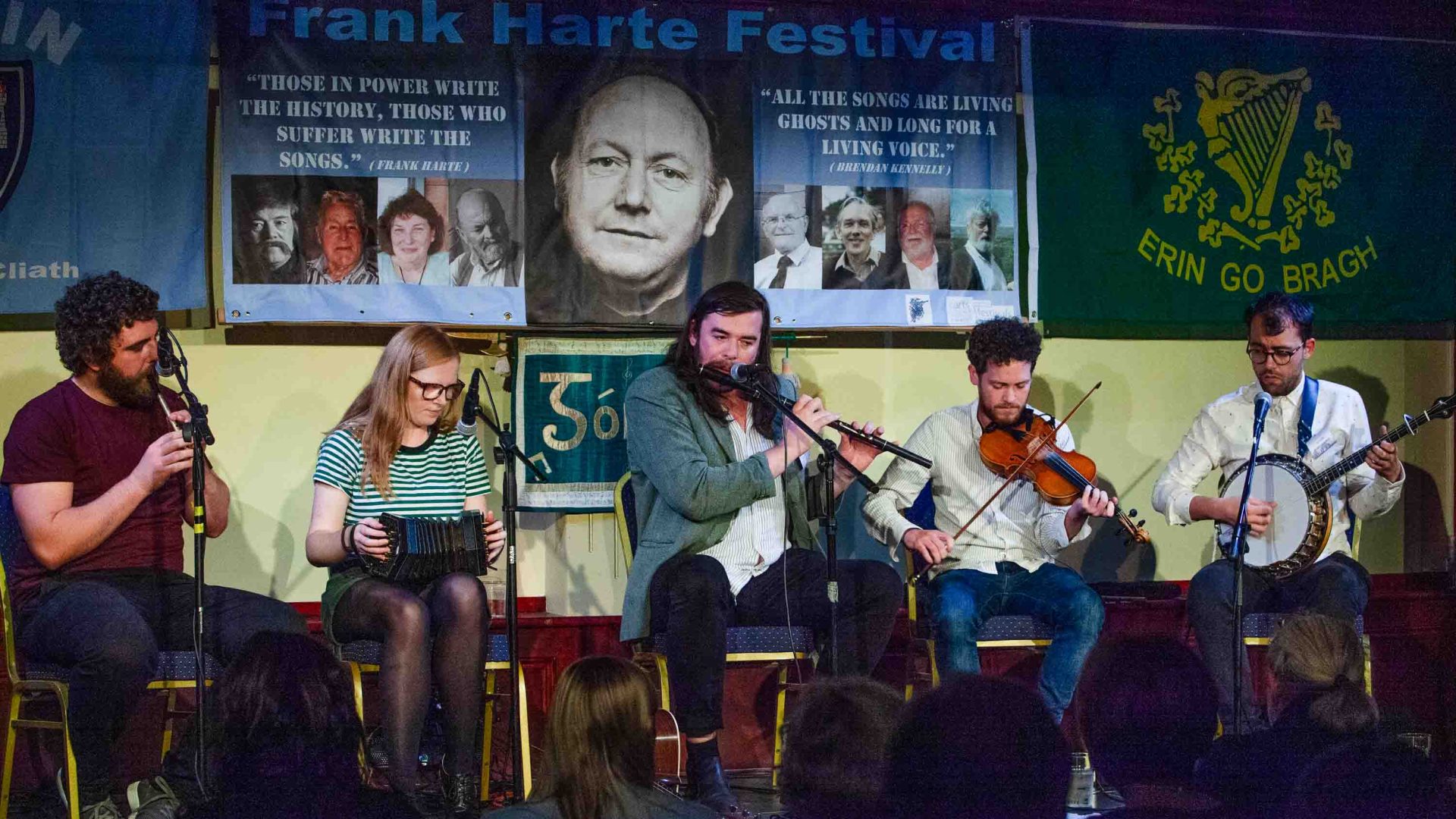
The scene at The Cobblestone, a venerable institution in Dublin’s Smithfield district, encapsulates the vibrant, yet precarious, state of the city’s cultural landscape. Sixteen musicians are tightly packed into a corner, their instruments resonating beneath framed portraits of past performers. A young uilleann piper, with practiced ease, orchestrates a symphony of sound – one arm pumping the bellows, the other deftly working the airbag, fingers dancing across the chanter, tapping it against his thigh to reach the highest notes. Around the room, newcomers watch in awe, attempting to fathom the effortless mastery on display. Fiddles and flutes soon join the melody, their harmonious contributions prompting feet to tap a rhythmic beat on the wooden floor, causing cold pints of Guinness to tremble gently on nearby tables.
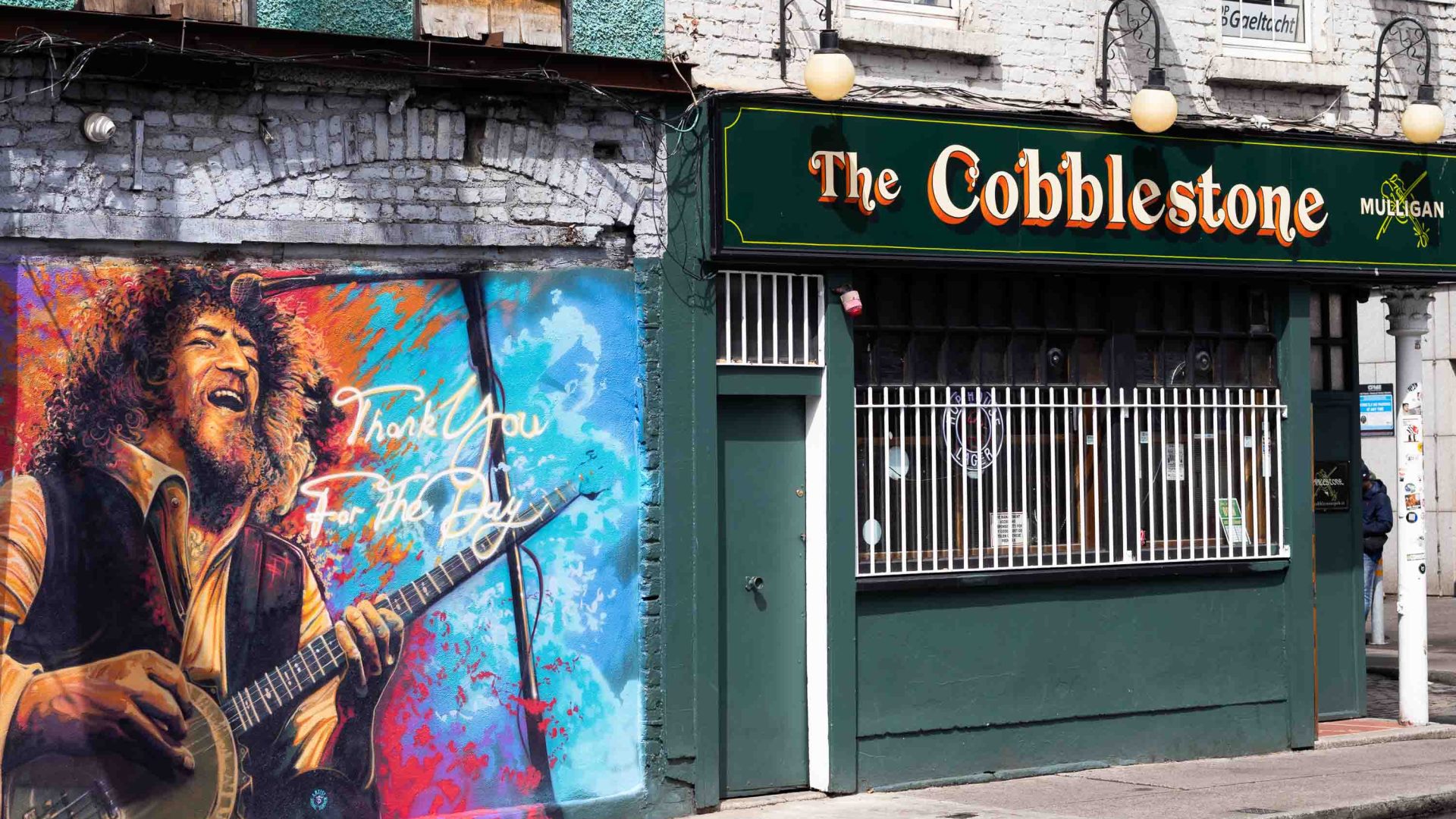
For many, including this correspondent, The Cobblestone serves as a cherished "local" – a familiar haven in a transient world. Tom Mulligan, who took over the pub in the late 1980s, has dedicated himself to upholding his father’s legacy and ensuring the continuity of traditional Irish music. Eschewing modern distractions like televisions, pool tables, and extensive food menus, this self-proclaimed “drinking pub with a music problem” hosts multiple daily "trad" sessions. These gatherings attract a diverse crowd of musicians and visitors from across the globe, while its backroom buzzes with activity, offering Irish language lessons, dance classes, and music meet-ups. It is a crucible of culture, fostering community and preserving ancient traditions.
However, in October 2021, The Cobblestone faced a grave threat. A development proposal sought to demolish the majority of the historic building to make way for a nine-storey hotel. The proposed development sparked widespread outrage, galvanizing a community response that saw over 35,000 people sign a petition and hundreds march along the River Liffey in protest. In a significant victory for cultural preservation, Dublin City Council ultimately rejected the plan, citing its detrimental impact on Irish culture. Yet, The Cobblestone’s triumph remains a rare exception, as many other cultural spaces have not been so fortunate, succumbing to similar pressures.
A City Under Siege: The Widespread Erosion of Cultural Infrastructure
The closure of The Cobblestone would have been a devastating blow, not just to traditional music but to Dublin’s broader cultural fabric. Its successful preservation highlights the immense value attached to such venues, yet it also casts a shadow on the many that have been lost. According to the Labour Party, the political wing of the Irish trade union movement, a staggering 52 arts venues have ceased operations in the Irish capital over the past two decades. This statistic is not unique to Dublin; cities worldwide are grappling with similar challenges as escalating rents, aggressive redevelopment initiatives, and insufficient cultural infrastructure continue to displace undervalued grassroots venues.
Dublin, a city steeped in literary and musical history, is experiencing a rapid transformation. A booming economy, coupled with a severe housing crisis and increased foreign investment, has led to intense pressure on urban spaces. Property developers, often backed by large investment funds, are eager to capitalize on prime locations, frequently prioritizing lucrative commercial and residential projects over cultural institutions that may not generate immediate, high-volume profits. This economic calculus often overlooks the intrinsic value that arts venues contribute to a city’s identity, liveability, and long-term economic health through cultural tourism and creative employment.
Eoghan Ó Ceannabháin: Activism at the Forefront of Cultural Preservation
Amidst this crisis, 36-year-old Eoghan Ó Ceannabháin has emerged as a prominent voice in Dublin’s fight for its cultural spaces. A gifted musician and passionate activist, he also stood as a candidate for the eco-socialist People Before Profit party in a recent local election (though the seat was ultimately won by the Social Democrats). This correspondent met him on the campaign trail, seeking to understand the profound implications of losing these spaces and the strategies being employed to save them.
Ó Ceannabháin’s activism is rooted in a belief that society should not merely meet basic needs but also enable individuals to lead fuller, more expressive lives. "Human beings are innately creative," he explains, "and we don’t get a chance under capitalism to fulfill our full creative potential." This philosophy fuels his tireless efforts to advocate for policies that protect and promote artistic endeavors.
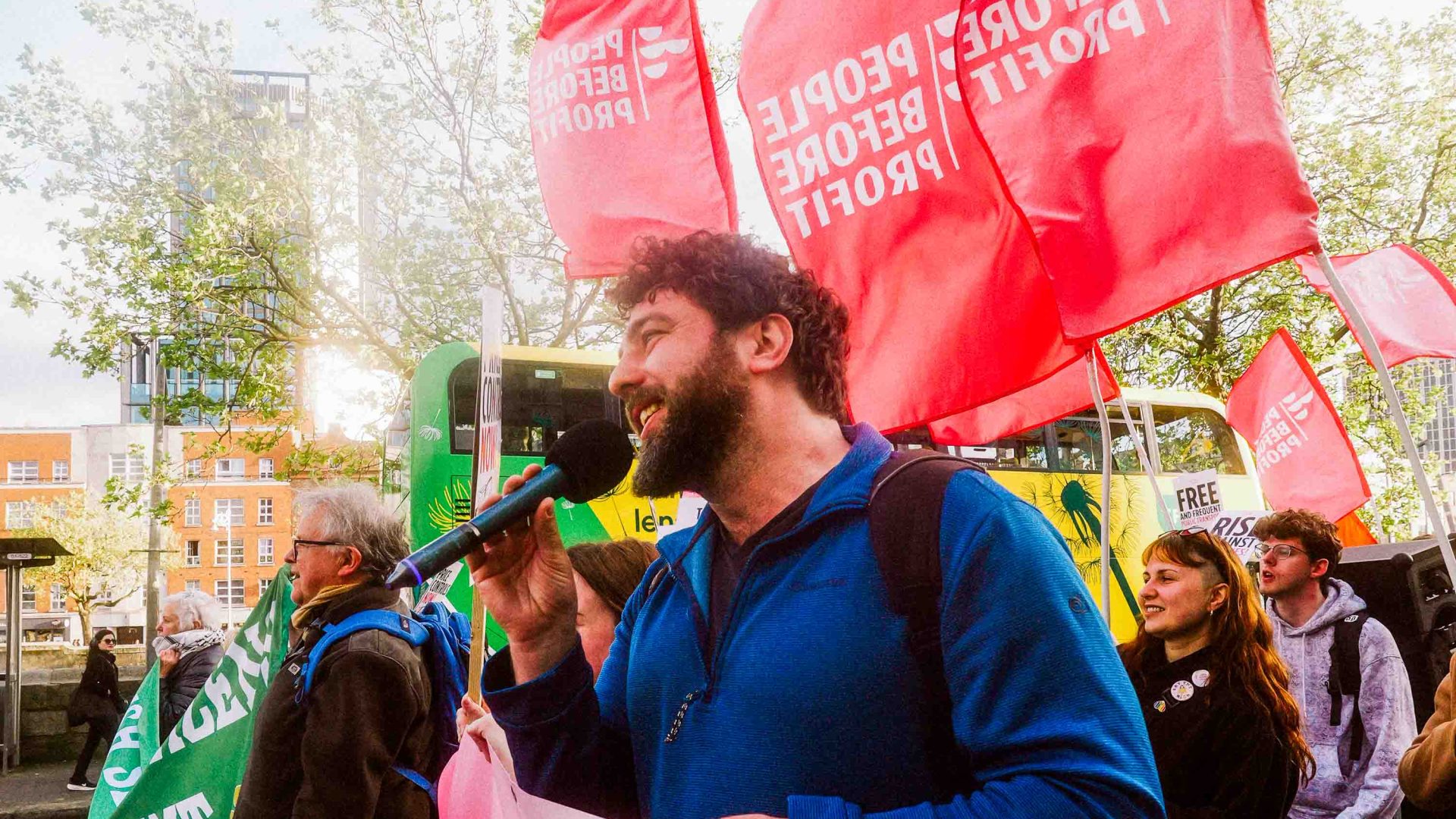
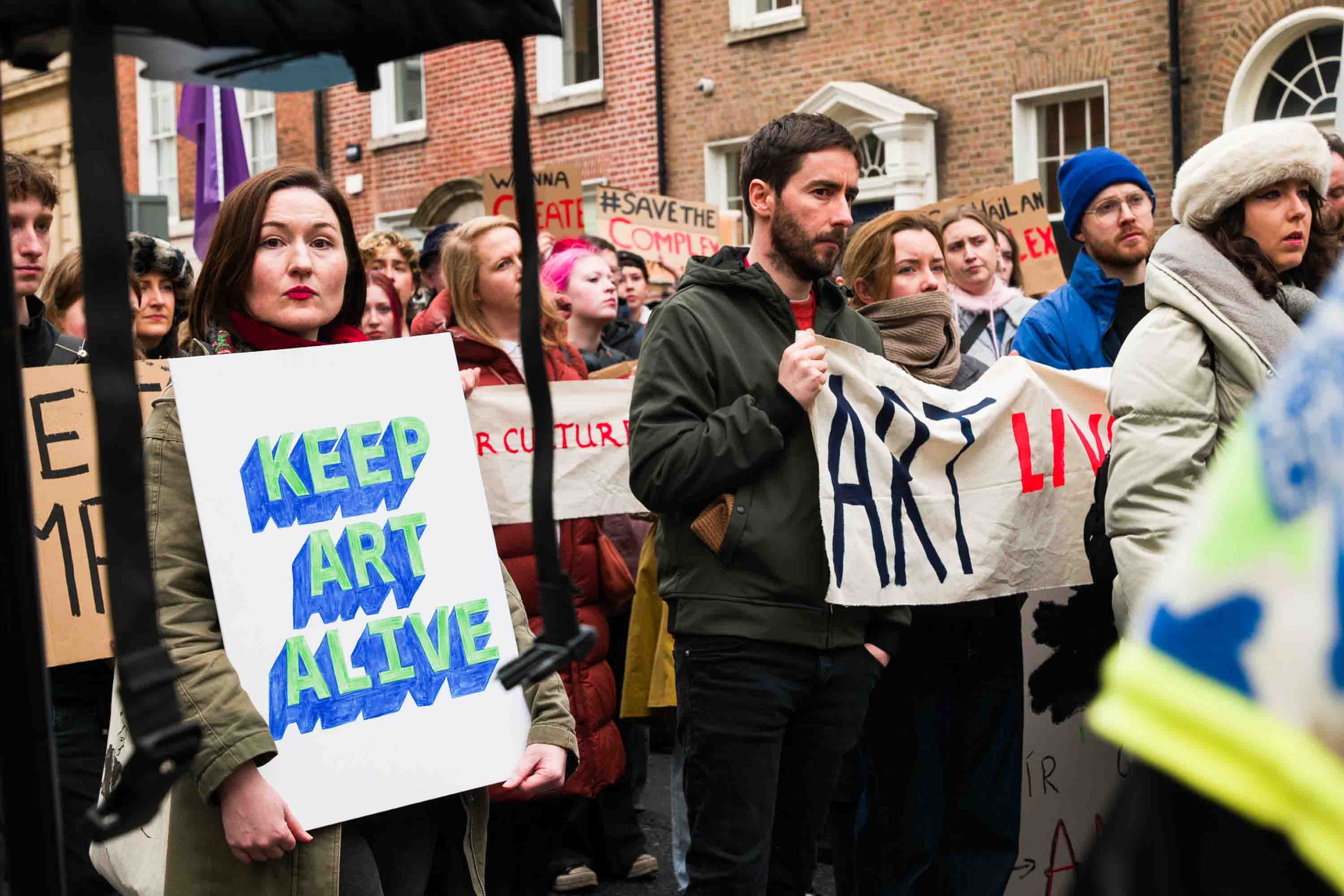
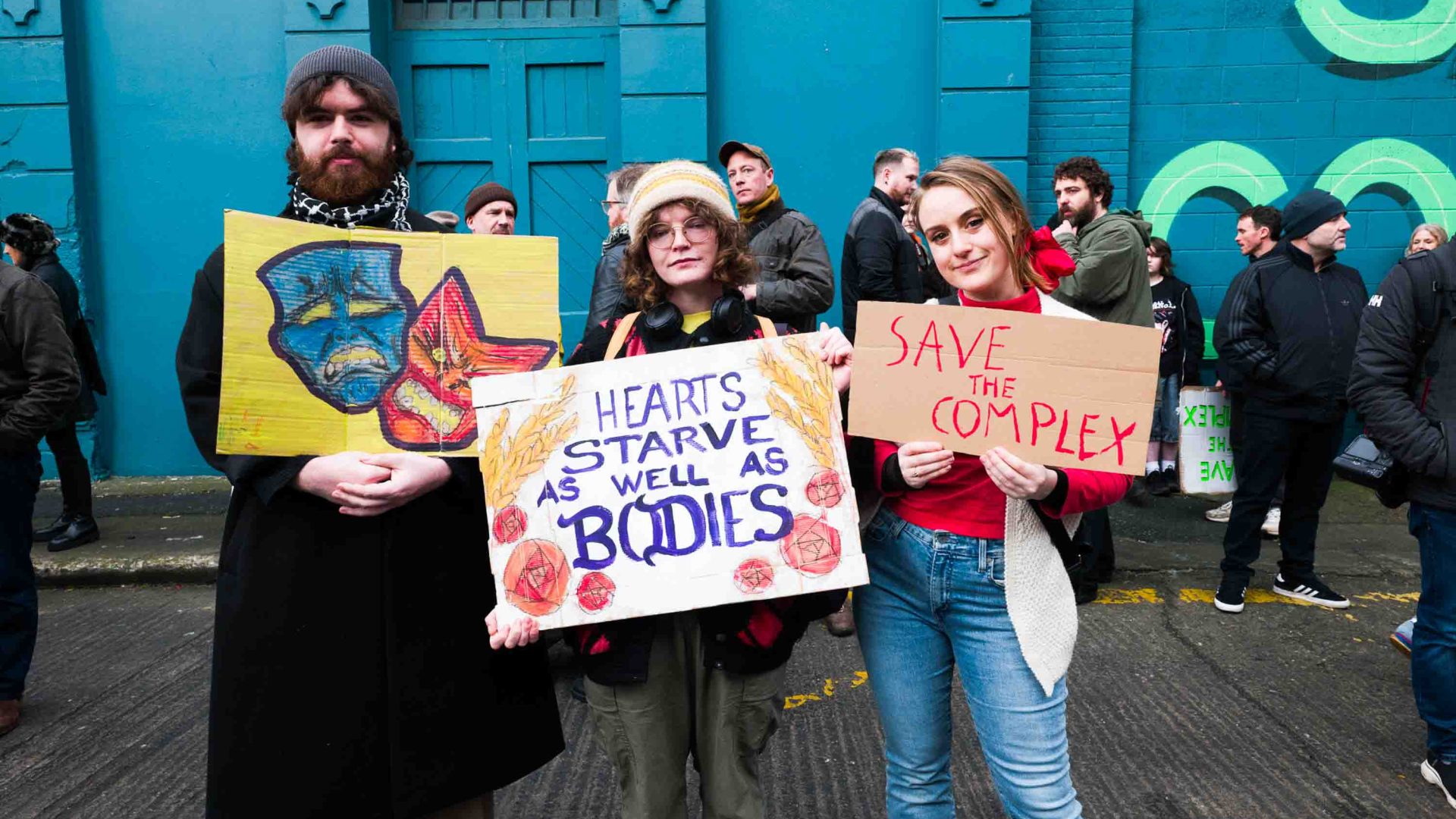
One cold February evening, Dame Court was packed with protesters, bundled in winter coats against the drizzle. To the left, a DJ hunched over decks beneath a white gazebo, providing a pulsing soundtrack. To the right, moving lights danced across the façade of The Hoxton hotel, where a man at his second-floor window, buttoning his white shirt, swayed rhythmically to the bass pumping up from the pavement. Spotting him, protesters cheered, hoisting their signs higher. He responded by raising his arms in a gesture of surrender to the music, smiling – possibly unaware that the protest targeted the very building housing him. Ó Ceannabháin seized the microphone, his voice amplified across the square: “We need a city we can live in! We need a city we can sing in! We need a city we can dance in!” The crowd erupted in a roar of agreement.
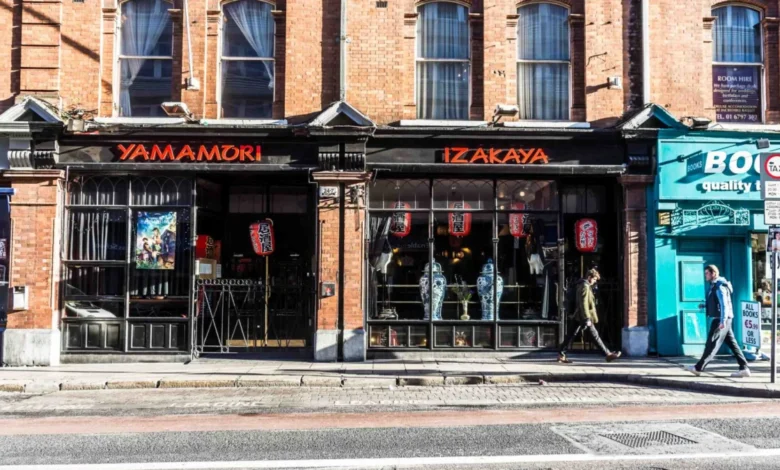
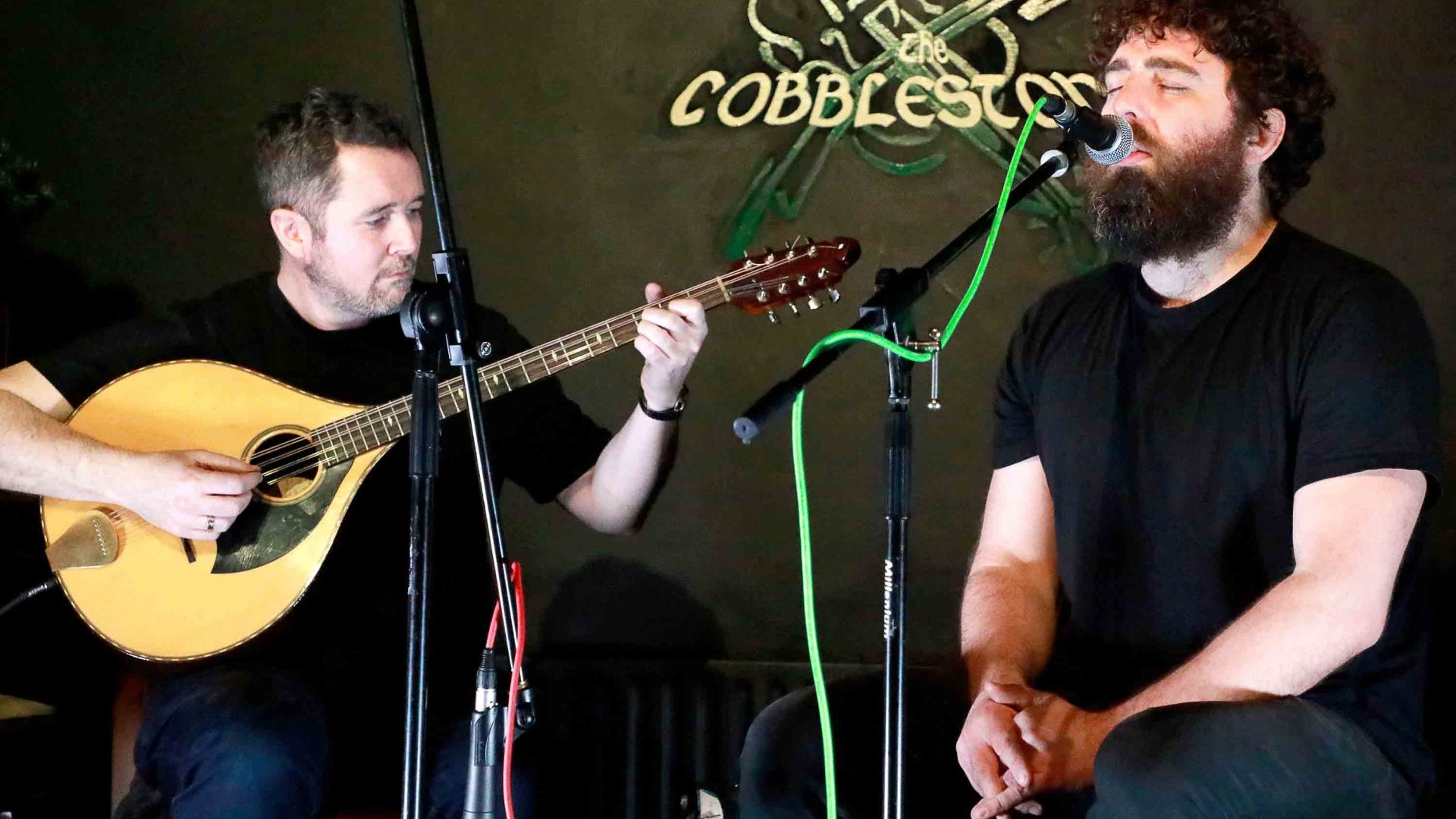
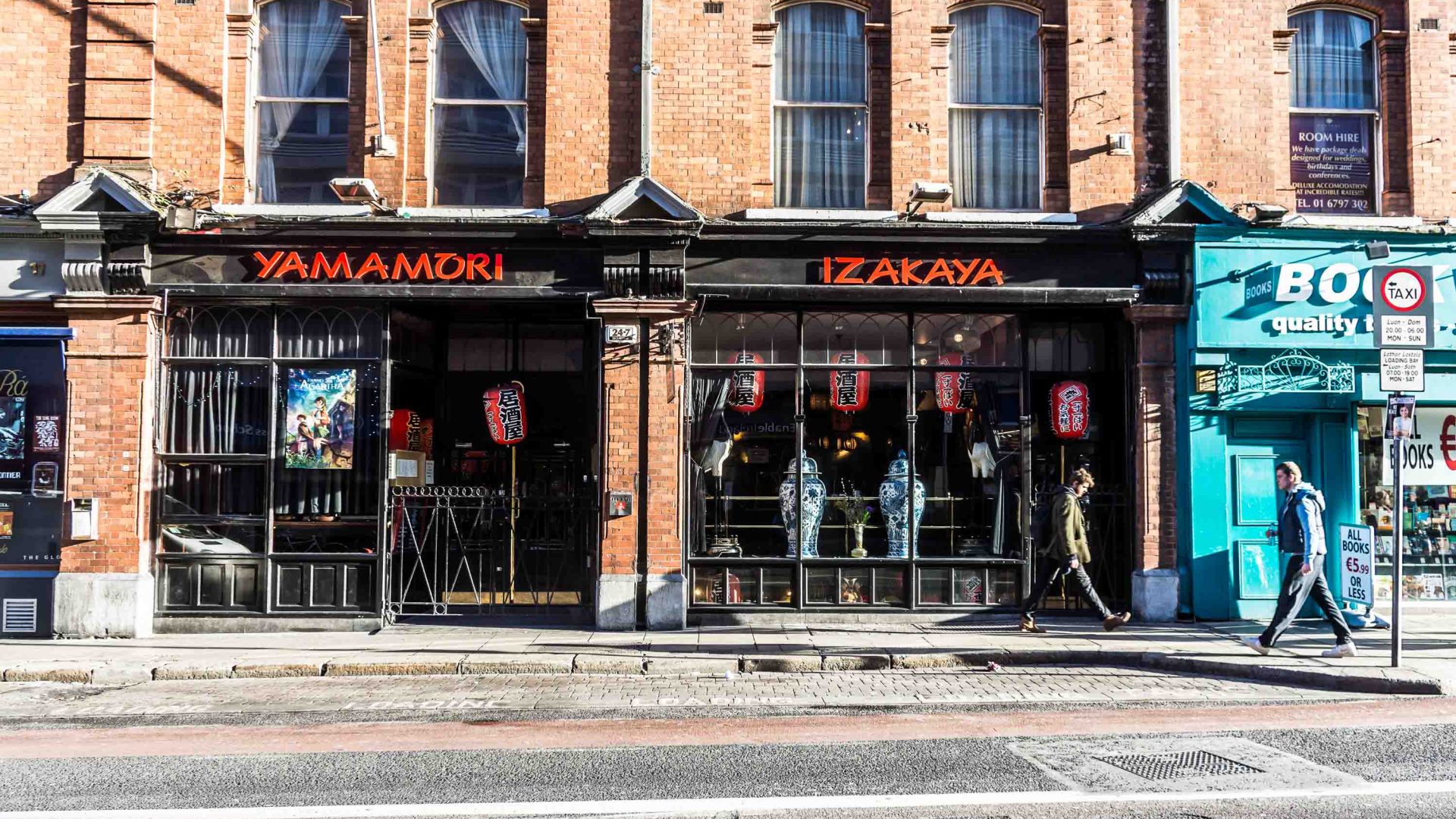
Tonight’s demonstration, organized by Dublin’s grassroots DJ community, highlighted another ongoing battle. Yamamori Izakaya, an independent restaurant and nightclub located on the bustling South Great George’s Street in Dublin’s Creative Quarter, was facing a High Court injunction from its new neighbor, The Hoxton hotel, over a noise complaint. This incident perfectly encapsulated Ó Ceannabháin’s broader argument. "So many of us are paying exorbitant rents and are stuck at home while [the government] are prioritizing the profits of corporate landlords and big vulture funds," he told the crowd. "The same model for developing the city is impacting on our cultural space and the things we need to breathe." His entry into politics around 2015 was precisely to challenge such systemic imbalances, advocating for a society where cultural well-being is valued alongside economic growth. His passionate, emphatic gestures during campaigning have even led Instagram followers to playfully wonder if he has Italian heritage. Yet, when he sings, all performative aspects fall away. Months later, at a campaign céilí – a traditional Irish gathering of music, dancing, and singing – at The Cobblestone, Ó Ceannabháin sat with eyes closed, a concertina resting in his upturned palms, singing "Where Oh Where Is Our James Connolly?", a rebel ballad about the Dublin trade union leader who fought for a fairer city for ordinary people. It was a poignant reminder of the historical roots of his contemporary struggle.
The Complex: A Stark Loss and a Systemic Challenge
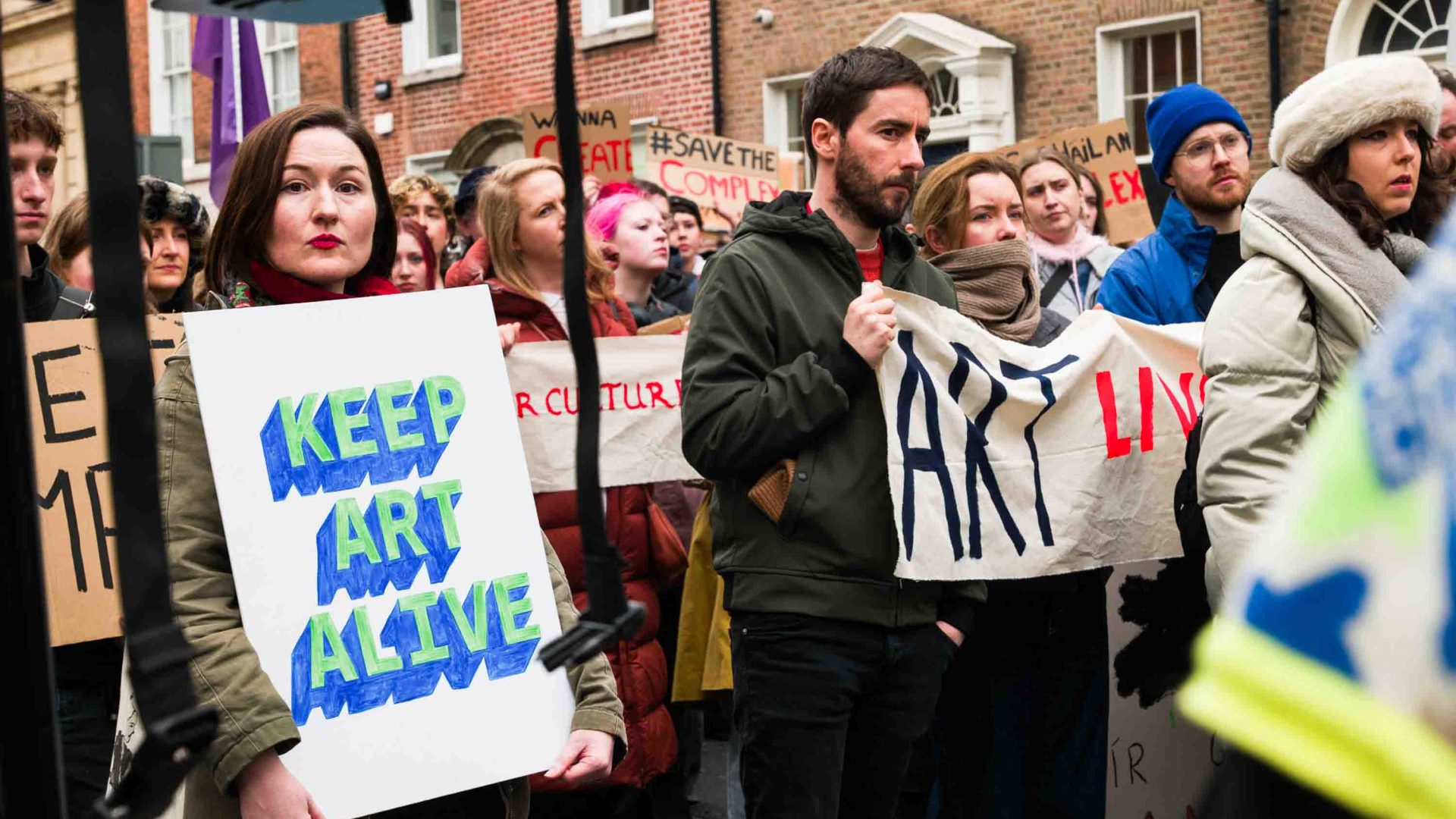
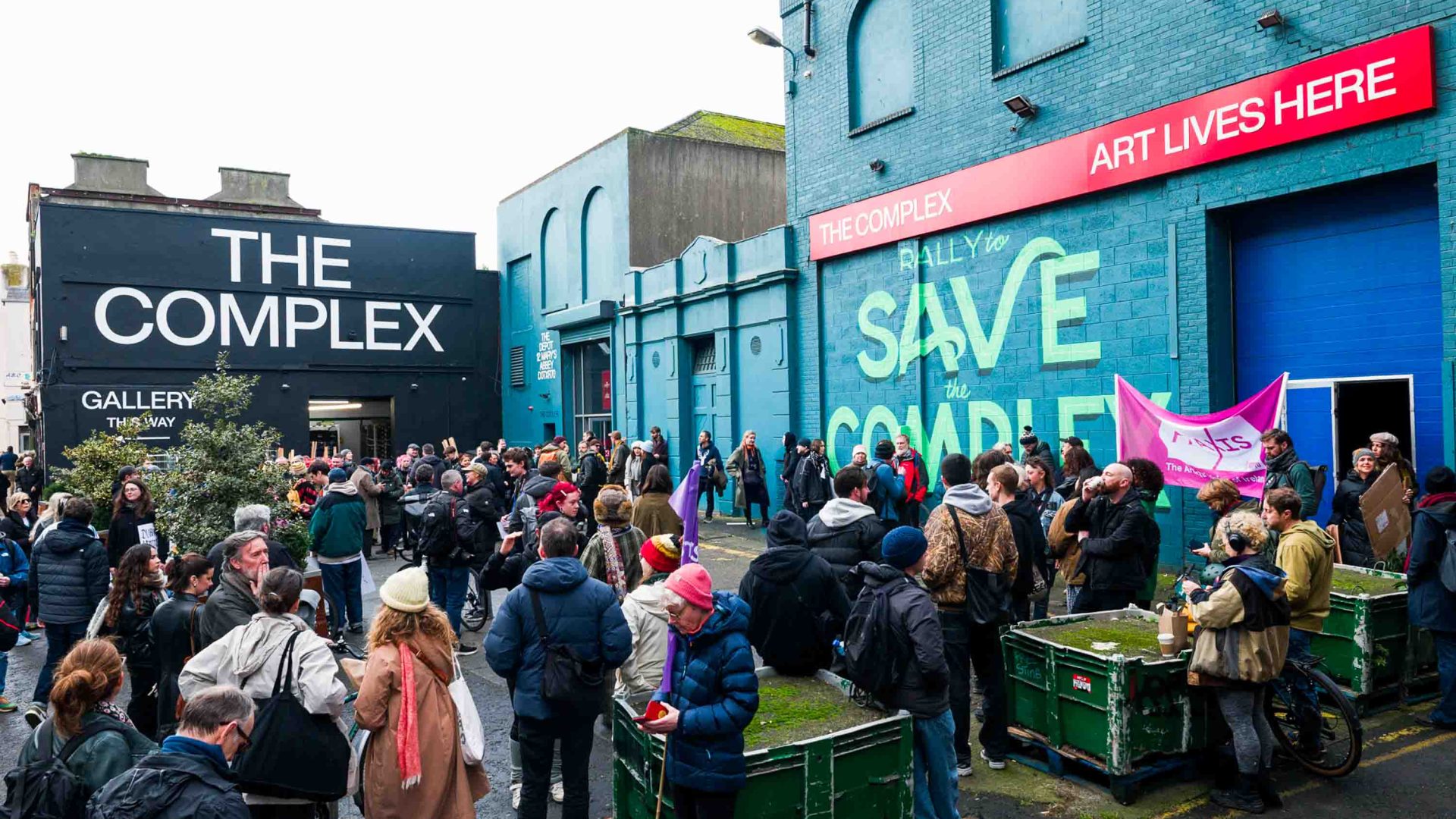
While The Cobblestone represents a victory, the closure of The Complex in Dublin’s north inner city stands as a stark reminder of how far the fight has yet to go. Repurposed from a former banana-ripening unit, this multidisciplinary arts center housed 18 studios, a performance space, a gallery, and a 50-seat jazz club. It was a rare and invaluable hub for creative development, allowing artists to conceive, rehearse, and perform projects all within a single location. However, in January 2026, The Complex closed its doors after its landlord decided to sell the property.
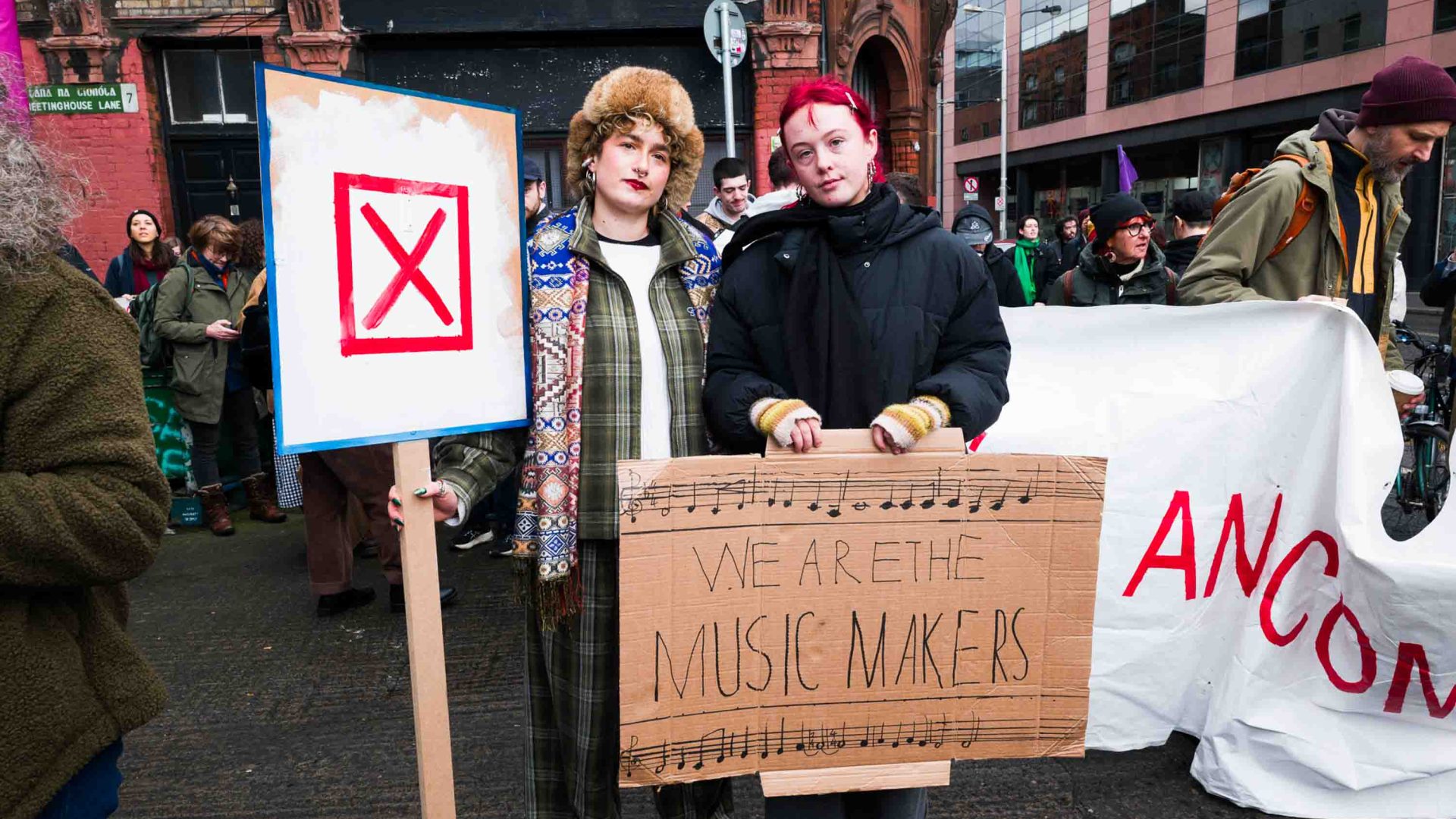
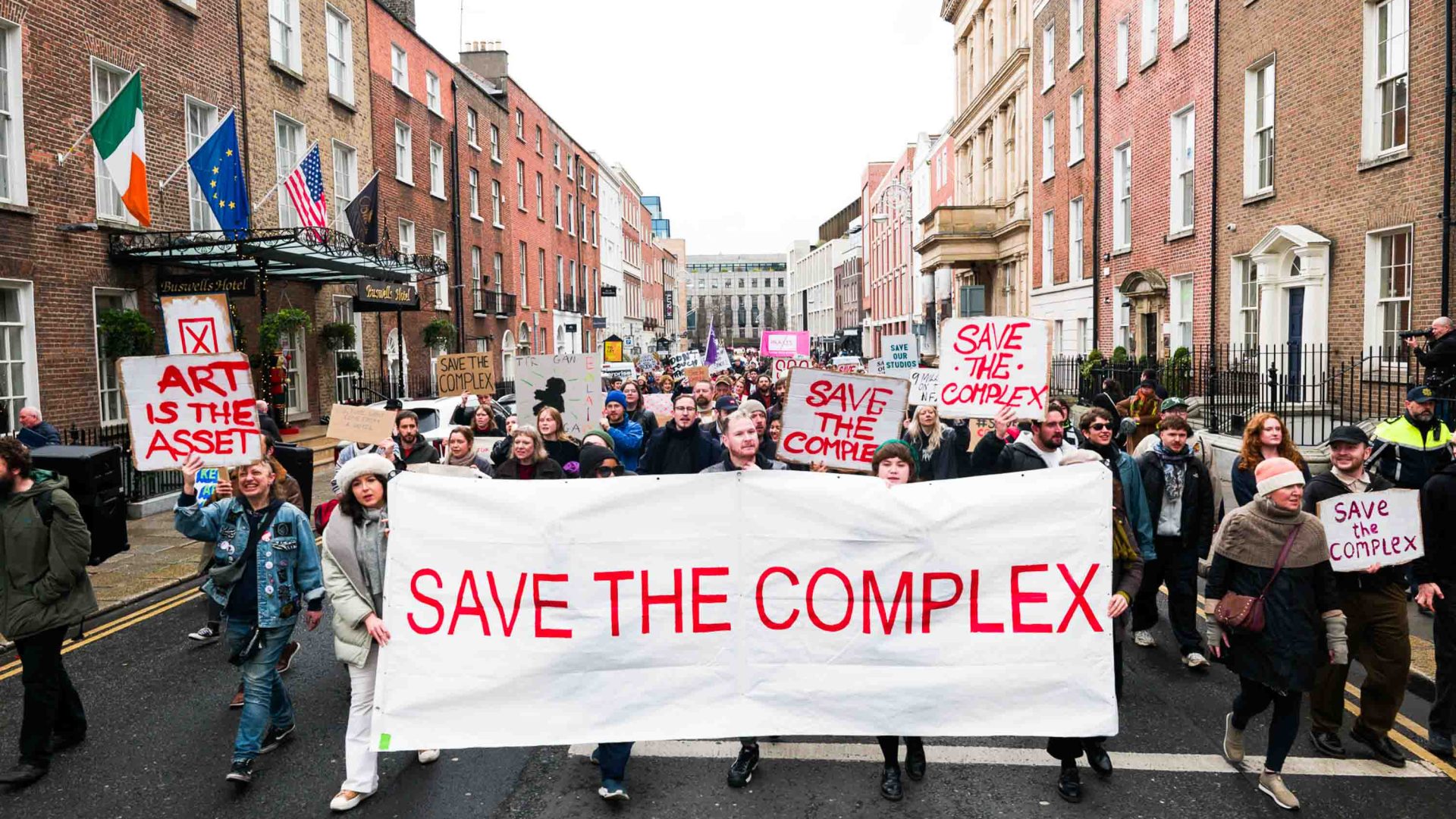
Vanessa Fielding, the founder of The Complex, expressed profound frustration over the loss. Despite Dublin City Council backing her plan for The Complex to be integrated into the redevelopment, a petition garnered over 16,500 signatures, and Ó Ceannabháin led a protest, the venue could not be saved. The critical flaw in the system was the lack of a mechanism for the State to acquire the building for cultural use unless it qualified as national heritage. This legal loophole underscores a significant policy gap, allowing market forces to override cultural value. Fielding’s voice betrayed palpable anguish when she contemplated the long-term consequences of losing such spaces. “I suppose in the end,” she lamented, “it will become a place of no destination.” This dire warning speaks to the potential for Dublin to lose its distinctive character and appeal, becoming just another homogenized urban center.
The Cultural Pipeline: Nurturing Talent and Community
Dublin has an unparalleled history of producing extraordinary writers, musicians, and artists, from literary giants like James Joyce and Oscar Wilde to musical icons such as The Dubliners and Sinéad O’Connor. Today, creative industries continue to be a significant economic driver, accounting for 8.9 percent of national employment in Ireland, the second highest in the EU. This robust creative sector relies heavily on a vibrant ecosystem of grassroots venues.
These informal spaces – back rooms, scrappy studios, and small clubs – are the crucibles where artistic ideas are first forged, refined, and tested. They provide accessible platforms for emerging talent to develop, experiment, and connect with audiences before they reach larger stages or more established theaters. Many of these venues operate on short-term or "meanwhile" leases, making them inherently vulnerable to market fluctuations and redevelopment pressures. When these foundational spaces disappear, the entire "cultural pipeline" is disrupted. The talent pool feeding bigger venues begins to dry up, the authentic culture that attracts visitors starts to hollow out, and local communities lose invaluable gathering places that cannot be easily replicated.
BAFTA-winning Irish actor Paul Mescal has eloquently articulated this frustration. In an interview with "lovedublin," he recalled his drama school days and the anger he felt watching institutions being demolished. “We have such brilliant artists in this country,” he stated, “and I don’t feel like we can cultivate the kind of talent that’s here that’s beneficial to the industry.” His comments resonate with Ó Ceannabháin’s critique: politicians are often keen to associate with artists at high-profile events, but if artistic endeavors don’t generate immediate profit, they are frequently deemed undervalued and consequently underfunded.
Government Initiatives and Their Limitations
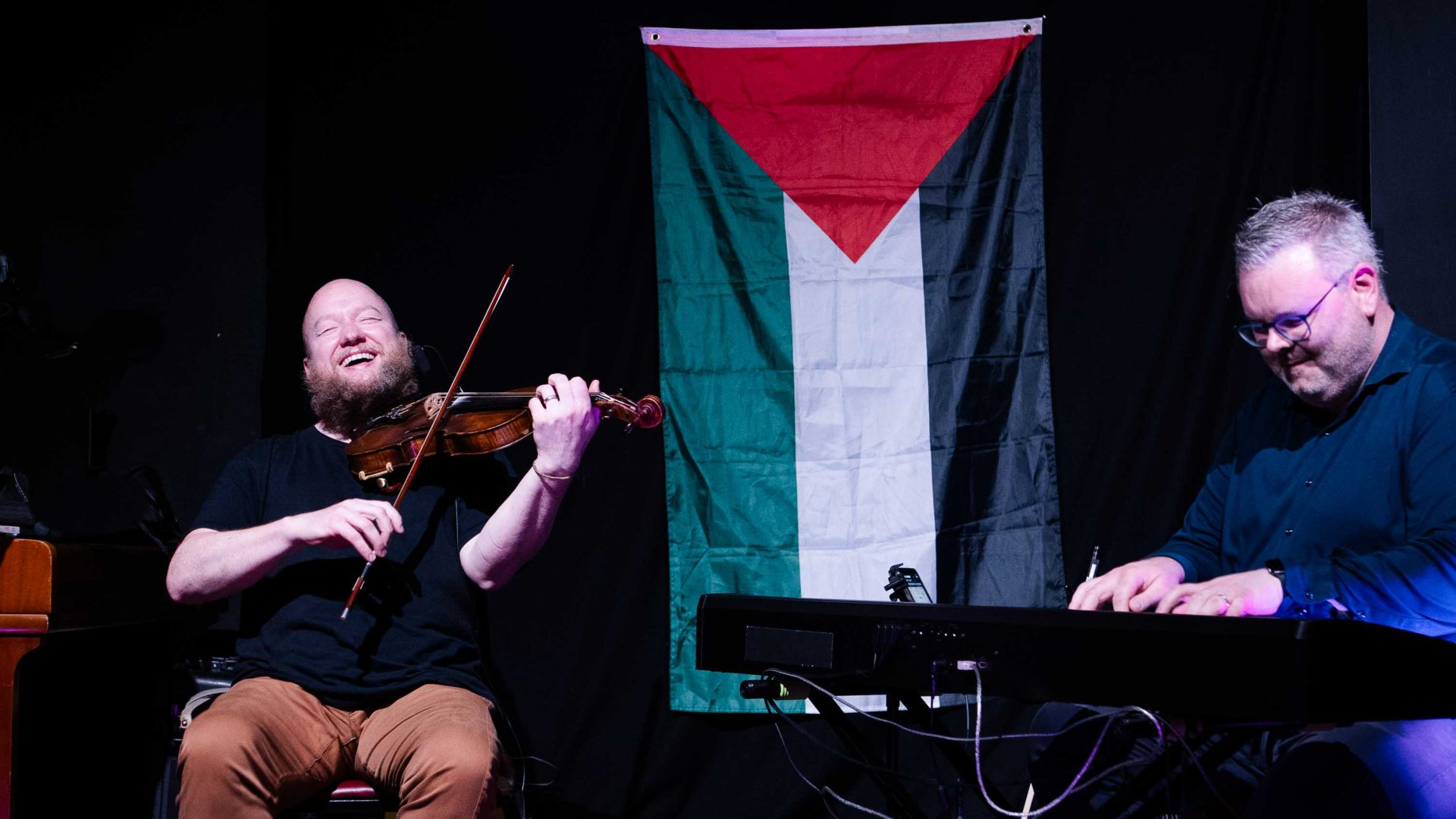
In response to growing pressure, the Irish government has introduced some supportive measures. Ó Ceannabháin points to Ireland’s Basic Income for the Arts (BIA) as proof that collective action can force change. Launched as a pilot program in 2022 and made permanent in 2026, this groundbreaking scheme provides 2,000 eligible artists with €325 (approximately US$370) a week. It is the world’s first initiative of its kind, offering a degree of financial stability to artists, enabling them to dedicate more time to their craft without the constant burden of economic precarity. While Ó Ceannabháin acknowledges it as a significant victory, he argues that its reach should be expanded to all eligible artists, not limited to a select few. "If you introduce a pilot program that works, you should expand it to everyone who’s eligible," he asserts, while still recognizing it as a positive step forward.
Furthermore, Dublin City Council is actively restoring some buildings for artist studios, and new developments are now often mandated to allocate five percent of their space for cultural use. These measures, while commendable, are often viewed as insufficient given the scale of the challenge. The Arts Council of Ireland (An Chomhairle Ealaíon) corroborates this, stating in a 2026 report that despite "significant recent increases," funding for the arts "is not in line with EU averages or able to keep pace with rising costs." This financial shortfall exacerbates the vulnerability of cultural spaces, leaving them exposed to market forces that prioritize profit over cultural sustenance.
When questioned about future support, a spokesperson for the Government of Ireland’s Department of Culture, Communications and Sport affirmed that “support for artists is at record levels” and hinted at a new, undisclosed “capital support scheme which will support wider participation in the arts,” expected to be announced soon. Whether these forthcoming initiatives will be enough to stem the tide of closures and genuinely bolster Dublin’s cultural infrastructure remains a critical question.
The Unyielding Spirit: A Future Forged in Optimism and Action
Back at The Cobblestone, the céilí is in full swing, a vibrant testament to the resilience of Dublin’s cultural spirit. This correspondent, initially hesitant, soon finds herself pulled into the line for a traditional dance, "Shoe the Donkey," by musician Chris Marron. "I don’t know what I’m doing!" I laugh. "No-one does!" he replies, his hands guiding mine. This spontaneous joy, this shared experience, encapsulates the very essence of what is at stake.
It has been almost five years since the community rallied to save The Cobblestone’s backroom from demolition. Yet, the venue remains somewhat vulnerable, as Tom Mulligan still rents the property from a private landlord. “I don’t know where it’s going to end up,” he confides, “but one thing that has always kept me going is optimism.”
This unwavering optimism is a sentiment shared by Ó Ceannabháin. When asked if he would ever consider giving up, his response is immediate and resolute: “I don’t think there’s any option to give up. The fact that people all over the world are making art and music and beautiful things under these difficult circumstances is a demonstration of what it is to be human. We have to fight for that, and fight for more space for it.”
Conclusion: Dublin’s Identity at a Crossroads
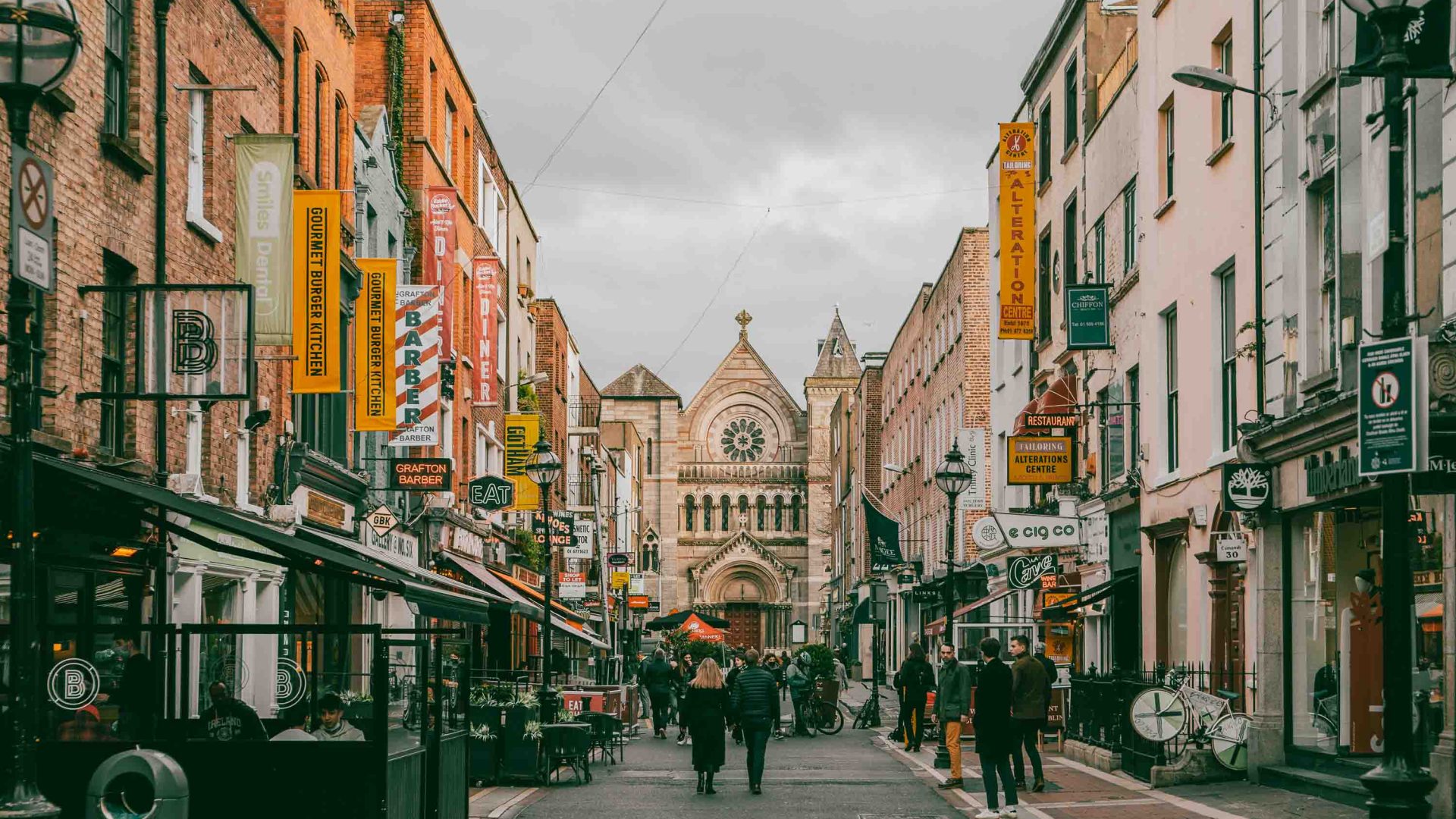
Dublin’s struggle to preserve its arts venues is a microcosm of a global challenge facing cities caught between economic development and cultural preservation. The loss of 52 venues in two decades is not merely a statistical anomaly; it represents an erosion of community, identity, and the very soul of a city renowned for its creative output. While government initiatives like the Basic Income for the Arts and mandates for cultural space are positive steps, they appear to be outpaced by the relentless pressures of a profit-driven property market.
The fight waged by activists like Eoghan Ó Ceannabháin, and the community triumphs like that of The Cobblestone, demonstrate the power of collective action and the enduring human need for creative expression and communal gathering. However, the closure of The Complex highlights systemic failures that require more robust policy solutions, including mechanisms for state intervention to protect culturally significant properties. Without a deeper, more sustained commitment to valuing and investing in its grassroots arts infrastructure, Dublin risks becoming, as Vanessa Fielding warned, “a place of no destination” – a city that has sacrificed its unique character for transient economic gains, leaving future generations bereft of the vibrant cultural spaces that define its rich heritage. The battle for Dublin’s cultural heart is far from over, and its outcome will determine the city’s identity for decades to come.