United States Forest Service Approves Chainsaw Use in Iconic Idaho Wilderness, Sparking National Debate Over Preservation and Access.

The United States Forest Service (USFS) has ignited a significant controversy among conservationists and outdoor enthusiasts with its unprecedented decision to authorize the use of chainsaws within Idaho’s sprawling Frank Church-River of No Return Wilderness. This move, announced this spring and expanded last week, marks one of the broadest and longest-term exemptions to the foundational Wilderness Act of 1964, which generally prohibits motorized equipment in federally designated Wilderness Areas. While the USFS frames the approval as an emergency measure to clear thousands of impassable downed logs, critics argue it represents a dangerous erosion of wilderness protections and a symptom of chronic underfunding in public lands management.
The Wilderness Act and Its Core Principles
Since its passage in 1964, the Wilderness Act has stood as the bedrock of conservation for designated public lands in the United States. It established a national system of Wilderness Areas, defining them as "an area of wilderness… retaining its primeval character and influence, without permanent improvements or human habitation, which is protected and managed so as to preserve its natural conditions." Crucially, the Act prohibits almost all forms of development and motorized equipment, including vehicles, buildings, and power tools like chainsaws, within these hallowed boundaries. Covering approximately five percent of the United States, these areas represent the "gold standard" for preserving natural landscapes, emphasizing solitude, primitive recreation, and ecological integrity. The intent was to ensure that future generations would have places "where the earth and its community of life are untrammeled by man, where man himself is a visitor who does not remain."
Traditionally, trail maintenance in Wilderness Areas has relied exclusively on non-motorized methods. Crews equipped with axes, shovels, and crosscut saws – the long, two-handled instruments used by loggers before the advent of chainsaws – have painstakingly cleared paths, maintaining the human-powered ethos central to the wilderness experience.
The Genesis of the Controversy: Idaho’s Frank Church-River of No Return
At the heart of this debate lies the Frank Church-River of No Return Wilderness, a monumental expanse of nearly 2.4 million acres in central Idaho. It is the largest Wilderness Area in the contiguous United States, surpassed only by those in Alaska. Revered as a "life list destination" for whitewater boaters navigating the Salmon River, intrepid backpackers, and horseback riders exploring its rugged terrain, the "Frank" is considered a crown jewel of the national Wilderness system. Its vastness encompasses diverse ecosystems, from dense forests to alpine peaks, and serves as critical habitat for numerous wildlife species.
The current controversy stems from a proposal by the Idaho Outfitters and Guides Association (IOGA). Arguing that the sheer scale of downed timber has rendered hundreds of miles of trails impassable, severely hindering access and recreational opportunities, IOGA contended that traditional hand tools were insufficient to address the crisis. They advocated for a re-evaluation of allowed tools to effectively clear the unprecedented backlog of maintenance.
Chronology of Approvals and Opposition
The USFS’s response unfolded swiftly this spring. In a surprise announcement, the agency greenlit the use of chainsaws for emergency trail clearing.
- May 2026: The USFS announced its initial approval for the Salmon-Challis National Forest, which encompasses a significant portion of the Frank Church Wilderness. This authorization permits approved operators employed by outfitters to use chainsaws to clear 542 miles of trails. The approval is valid for three years, specifically from January 1 to August 1 each year, a timeframe designed to coincide with peak trail maintenance and recreational seasons.
- Late July 2026: Following the Salmon-Challis decision, the Payette National Forest, also located within the Frank Church Wilderness, approved a similar chainsaw authorization. This added another 542 miles of trail to the list, bringing the total to approximately 1,084 miles. Collectively, these approvals cover roughly 40 percent of the Frank’s extensive 2,616-mile trail system.
While the USFS characterizes this as an emergency, it is not entirely unprecedented for chainsaws to be used in Wilderness Areas. Federal agencies have, on rare occasions, approved their use during active wildfires or immediately following major natural disasters like large storms or floods. The National Park Service, for instance, has historically demonstrated slightly more leniency than the Forest Service in such emergency scenarios. However, the current approval stands out due to its extended duration (three years, totaling 21 months of potential chainsaw use) and its broad geographic scope, covering nearly half of a major Wilderness Area.
The decision has not been without significant pushback. Conservation advocates, notably Wilderness Watch, have vociferously opposed the authorization. Wilderness Watch, a national non-profit dedicated to defending the Wilderness Act, swiftly issued statements denouncing the approval as a "violation of the Wilderness Act." The organization also revealed that the decision was made without a public comment period or environmental review process, with most details emerging only after a Freedom of Information Act (FOIA) request they published in May 2026. This lack of transparency has further fueled concerns among environmental groups.
The Legal and Philosophical Debate
The core of the legal challenge, should conservation groups pursue it, hinges on the interpretation of the Wilderness Act’s language regarding motorized equipment. Staunch conservationists argue that maintaining trails, while beneficial for access, is not the primary purpose of Wilderness designation. They emphasize that the Act’s intent is to preserve "wilderness character," which includes allowing natural processes to unfold, even if that means trails become overgrown or disappear. As Wilderness Watch articulated in a blog post, "many Wildernesses have minimal to non-existent trail systems; wilderness character, and the wildlife that rely on it, will not suffer with the natural blockage of trails."
Furthermore, critics argue that the USFS is abdicating its fundamental responsibility by delegating chainsaw operations to private outfitters rather than utilizing federal employees. This raises questions about oversight, training, and accountability, particularly given the specialized nature of wilderness management.
The USFS, conversely, posits that the scale of downed timber constitutes an emergency, threatening public access and safety, and that the authorization is a temporary, targeted measure. Their stance emphasizes restoring recreational opportunities in a premier wilderness destination, framing it as a necessary evil to ensure the public can continue to experience and appreciate the area. They highlight the value of recreation as a means to foster public support for wilderness protection.
Understanding the USFS Rationale: An "Emergency" or Systemic Issue?
While the USFS characterizes the situation in the Frank as a sudden emergency, many observers, including former Forest Service employees and trail workers, argue that the disrepair of the trail system is not an acute crisis but rather the cumulative result of decades of systemic underfunding, budget cuts, and workforce reductions within public land management agencies.
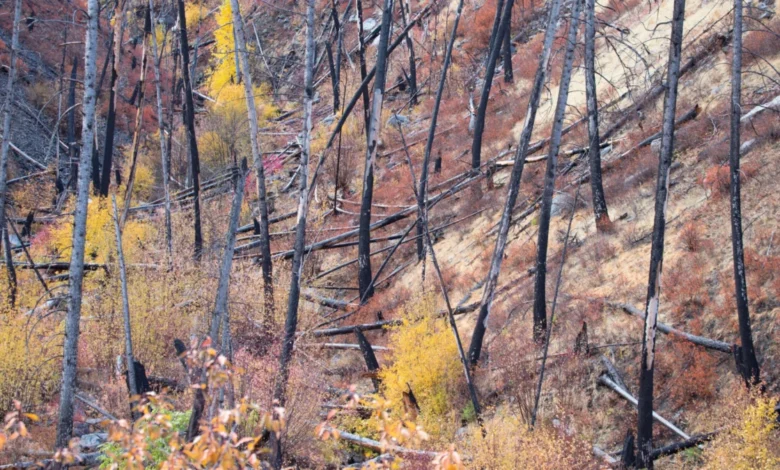
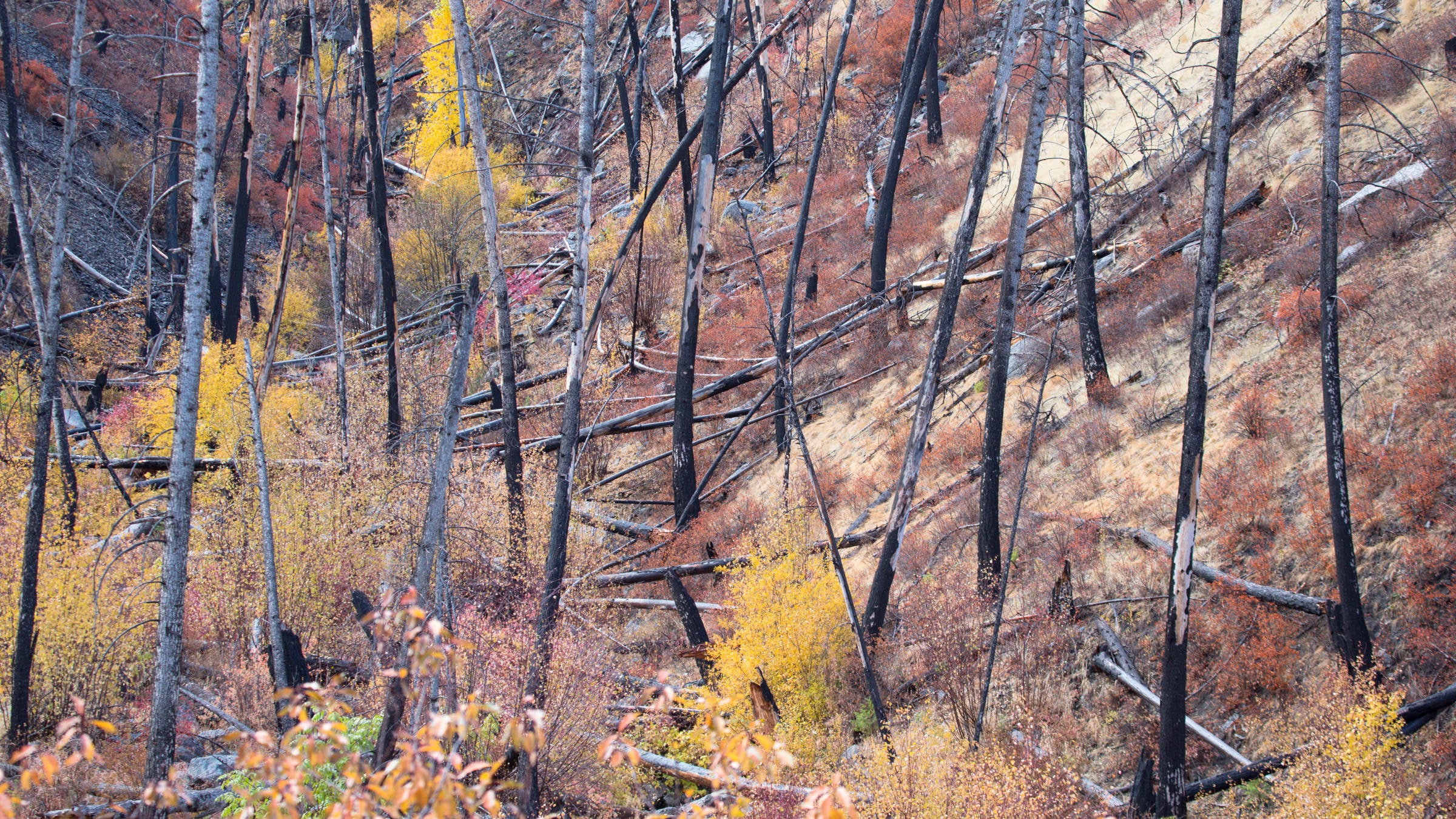
Unlike previous, short-term chainsaw exemptions often granted in direct response to single, catastrophic events like wildfires, floods, or severe windstorms, the deterioration of the Frank’s trails has been a gradual process. The landscape, scarred by numerous burn areas and ongoing bark beetle outbreaks, contains vast numbers of dead and dying trees, which are prone to falling and blocking trails. This chronic issue, compounded by the sheer remoteness and immense scale of the Frank Church Wilderness, has led to a gargantuan backlog of routine maintenance. Over the past two decades, hundreds of miles of trails have not only become impassable on the ground but have also been removed from official Forest Service maps, signaling an agency lacking the resources to maintain them.
The proposed "fix" – a 21-month window for chainsaw use over three years – suggests a more protracted problem than a typical emergency response. It points to a deep-seated issue where existing trail staff, augmented by a dedicated but limited network of outfitters, non-profits, and volunteers, simply cannot keep pace with the rate of deterioration. This suggests that what the agency labels an emergency is, in fact, a prolonged state of inadequate maintenance.
Efficiency of Tools: Chainsaws vs. Traditional Methods
The central operational argument for chainsaws is their speed. There is no denying that a chainsaw can cut through a downed tree faster than a crosscut saw. However, the efficiency of backcountry trail work involves more than just cutting speed.
Experience from field workers and even agency studies suggests that the perceived efficiency of chainsaws might be overstated in remote wilderness settings. Chainsaws are significantly heavier than crosscut saws, require frequent sharpening, are prone to mechanical breakdowns, and necessitate the transport of fuel and bar oil – all additional logistical burdens for crews operating deep in the backcountry. The added weight, maintenance, and supply requirements can easily offset the cutting speed advantage over long distances or multi-day projects.
A 2024 Forest Service study, cited in the original reporting and accessible via a Wilderness Watch FOIA release, tracked numerous trail work projects utilizing both chainsaws and crosscut saws. Its findings were illuminating: factors such as travel time to the work site, the size and density of trees to be removed, and the size of the crew had a greater impact on the overall time required to clear a trail than the specific type of saw used. This suggests that a lack of efficient tools is not the primary bottleneck. Indeed, maintenance backlogs are a pervasive problem across all types of trails in the country, including those where chainsaws and ATVs are regularly employed, further indicating that tool type is not the sole determinant of maintenance success.
Recreation vs. Preservation: A Core Dilemma
The debate also highlights a fundamental tension within wilderness management: the balance between preserving natural conditions and providing opportunities for human recreation. While some wilderness advocates champion a purist "leave it alone" approach, the management of Wilderness Areas has rarely been entirely hands-off.
The Frank Church-River of No Return itself contains several backcountry airstrips, which historically have been maintained with motorized equipment to allow planes to deliver supplies to trail crews and wilderness rangers. USFS emails reveal past approvals for motorized equipment use for various purposes, including removing airplane wreckage, installing radio repeaters, maintaining water diversions, and treating noxious weeds. These precedents demonstrate that exceptions to the "no motorized equipment" rule have been made when deemed necessary for administrative purposes or public safety.
For many, access to these areas is crucial for fostering an appreciation that translates into advocacy for their protection. If trails become entirely impassable, public engagement with wilderness could diminish, potentially weakening the political will to protect these areas. While this does not advocate for "paved walkways and established campgrounds," it does suggest that maintaining existing, primitive trail systems is a reasonable priority to ensure public access and support. The argument here is that clearing trails is at least as justifiable an exception as removing wreckage or installing radio towers, serving the broader goal of public engagement with the wilderness.
The Broader Implications for Public Lands
The decision in the Frank Church-River of No Return Wilderness carries significant implications beyond Idaho. Conservation groups fear that this extended and broad authorization could set a dangerous precedent, leading to similar motorized incursions across other Wilderness Areas nationwide. If the USFS can justify chainsaw use in the Frank due to a long-term maintenance backlog, similar arguments could be made for other neglected wilderness trail systems.
This move also occurs amidst a broader context of perceived attacks on public lands. The original article highlights the repeal of the 2001 Roadless Rule in 2025, which had protected millions of acres of inventoried roadless areas within national forests from road construction and timber harvesting. Coupled with drastic staffing cuts across federal land management agencies, these actions collectively raise alarms about the long-term commitment to conservation principles. The reliance on private outfitters instead of federal employees for such critical work further underscores concerns about the capacity and funding of the Forest Service to fulfill its stewardship mandate.
The Root Cause: Chronic Underfunding of Trail Systems
Ultimately, the consensus among many involved in public lands management, regardless of their stance on chainsaws, points to a single, overarching problem: the severe and chronic underfunding of the national trail system. The debate over chainsaws, in this view, is merely a symptom of a deeper malaise.
A robust, professional workforce of career trailworkers, stationed permanently within or near wilderness areas, could effectively address the maintenance backlog without resorting to controversial tool exemptions. However, the "career trailworker" is a dying breed within the Forest Service and other agencies. Years of budget cuts and layoffs have decimated these ranks, replacing thousands of experienced federal employees with a patchwork of private contractors, temporary Americorps programs, and dedicated but often under-resourced volunteers.
Volunteer groups, while invaluable, often travel long distances (e.g., five hours from Boise to the Frank) and can only dedicate a few days at a time. Outfitters, while skilled, prioritize client services and often leave projects incomplete to meet business demands. Americorps programs, themselves facing budget cuts, often operate with high turnover, employing new, less experienced staff on stipends rather than living wages. This fragmented approach simply cannot keep pace with the immense and ongoing maintenance demands of vast wilderness areas like the Frank Church.
National forests and parks are not merely line items to be cut from a budget; they represent an invaluable legacy, a source of significant recreation and tourism income, and a potential pathway for stable careers in rural communities. Reinvesting in a well-staffed, professional workforce of trail maintenance personnel would not only resolve the logistical challenges but also reinforce the commitment to the principles of wilderness stewardship. With adequate funding and personnel, the question of which tool to use becomes secondary; the trails could be maintained efficiently and effectively, regardless of whether a chainsaw or a crosscut saw is employed.
Looking Ahead: Pathways to Sustainable Wilderness Management
The Frank Church-River of No Return Wilderness chainsaw approval serves as a stark reminder that the protections afforded by the Wilderness Act are not ironclad and require constant vigilance and support. While the immediate focus remains on the efficacy and legality of this specific decision, the broader implications demand a national conversation about the long-term sustainability of public lands management.
Moving forward, a comprehensive strategy is needed that goes beyond short-term fixes. This includes:
- Increased and consistent federal funding: A dedicated and substantial increase in funding for trail maintenance and wilderness stewardship programs is paramount. This would allow for the hiring and retention of professional, career trail workers.
- Strategic workforce development: Rebuilding the cadre of skilled federal trail crews is essential, providing stable, living-wage employment and ensuring institutional knowledge and expertise are maintained.
- Enhanced collaboration and oversight: While private partners and volunteers are vital, their roles must be integrated into a robust framework led by well-resourced federal agencies, with clear guidelines and oversight.
- Transparent decision-making: Future decisions impacting core wilderness principles should involve robust public comment periods and environmental reviews, fostering trust and accountability.
- Adaptive management: Recognizing the evolving challenges posed by climate change and ecological shifts, agencies must develop flexible, yet wilderness-compatible, strategies for managing these dynamic landscapes.
The current debate over chainsaws in the Frank Church-River of No Return Wilderness is a critical juncture. It forces a confrontation with the consequences of decades of neglect and underinvestment in America’s natural heritage. The resolution will not only determine the future of access to one of the nation’s most iconic wilderness areas but also potentially reshape the very definition of wilderness preservation for generations to come.