Western U.S. Drought Crisis Transforms Pacific Crest Trail Thru-Hiking Experience in 2026, Demanding Unprecedented Preparedness from Hikers.

Published April 17, 2026 09:51PM
The Pacific Crest Trail (PCT), an iconic wilderness route stretching 2,650 miles from Mexico to Canada, is bracing for a dramatically altered thru-hiking season in 2026, marked by extreme drought and historically low snowpack across the Western United States. This stark environmental shift presents a unique and formidable set of challenges for the thousands of adventurers planning to traverse the spine of the West Coast this year, a stark contrast to the record-setting snow year experienced just three years prior. As California and its neighboring states grapple with the ramifications of an unprecedented warm winter and a scorching spring, the very nature of the PCT journey has been fundamentally reshaped, necessitating heightened awareness, meticulous planning, and rigorous adaptation from all participants.
A Tale of Two Extremes: 2023’s Deluge vs. 2026’s Drought
The current conditions stand in stark opposition to the environment faced by hikers in 2023, a year etched into the memory of the PCT community for its historic snow levels. In 2023, Backpacker contributor David Gleisner embarked on his thru-hike, chronicling an experience dominated by deep snow, treacherous river crossings, and innovative logistical solutions. Hikers regularly contended with "postholing" through several feet of snow in the Sierra Nevada, a physically demanding and slow process that often forced groups to band together. The severity of the snowpack even led to extraordinary measures, with dedicated "trail angels" — volunteers who support hikers — employing private planes to fly some individuals around impassable, snow-choked sections of the trail, particularly in the high Sierra. That year, the primary concerns revolved around navigation over hidden trails, the danger of swift, icy river currents from rapid melt, and the logistical nightmare of resupply in snow-bound mountain towns.
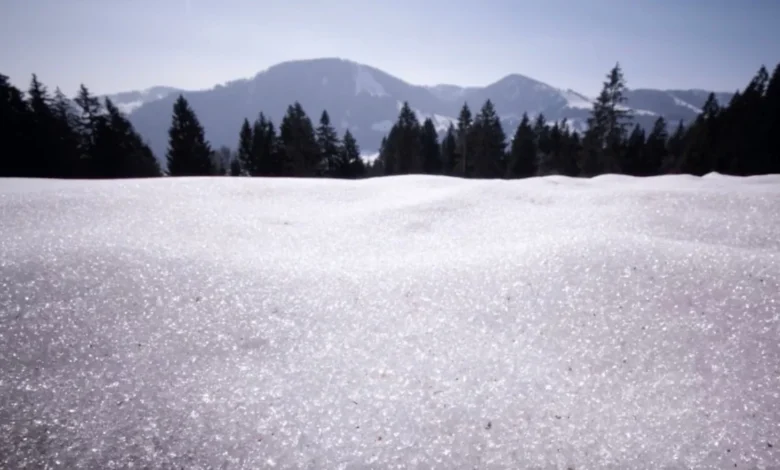
Fast forward three years, and the environmental narrative has completely flipped. The Western U.S. has swung from one extreme to another, transitioning from record precipitation to severe drought. The winter of 2025-2026 registered as one of the warmest on record, leading to minimal snow accumulation and an accelerated melt of what little snow did fall. This dramatic shift underscores the increasing volatility of weather patterns in the region, a phenomenon often linked to broader climate change trends. The challenges for 2026 PCT hikers will be diametrically opposed to those of 2023, focusing instead on water scarcity, elevated wildfire risk, and the physiological demands of traversing a much drier, hotter landscape.
The Unprecedented Drought of 2026: Supporting Data and Background
The current drought conditions are not merely anecdotal; they are supported by alarming data from across the West. As of mid-April 2026, snowpack levels are critically low, with many regions reporting percentages far below their 30-year medians. The Klamath Basin in Northern California, a crucial watershed, is currently registering a paltry 4% of its average snowpack. This figure is mirrored in other vital areas: the Sierra Nevada, the primary water reservoir for California, is reporting an average of just 15-20% of its normal snow water equivalent (SWE) for this time of year, with some southern Sierra stations showing near-zero accumulation. Further north, the Cascades in Oregon and Washington, while slightly better off, are still experiencing significantly reduced snowpacks, generally ranging from 30-50% of normal.
These abysmal snowpack figures are a direct consequence of the exceptionally warm winter. Meteorological data from the National Oceanic and Atmospheric Administration (NOAA) indicates that average winter temperatures across California, Oregon, and Washington were consistently several degrees Fahrenheit above historical averages, leading to precipitation falling as rain instead of snow at higher elevations, or causing rapid melt when snow did occur. The subsequent "historically hot spring" has only exacerbated the situation, accelerating evaporation and preventing any late-season recovery. The U.S. Drought Monitor has expanded its "Severe" to "Exceptional" drought categories across significant portions of California, Oregon, and Nevada, with projections indicating a challenging wildfire season ahead.
The implications of such low snowpack extend far beyond the PCT. Snowpack acts as a natural reservoir, gradually releasing water throughout the spring and summer, recharging rivers, sustaining ecosystems, and providing critical water supplies for agriculture, urban centers, and hydropower generation. A diminished snowpack in 2026 portends significant water shortages for millions of residents and vast agricultural lands, intensifying the long-standing water allocation debates in the Western U.S.
Navigating the Arid PCT: Key Challenges for Thru-Hikers
The transformation of the Western landscape due to drought fundamentally alters the logistical and safety considerations for PCT hikers. David Gleisner, reflecting on his 2023 experience and the current outlook, emphasizes several critical areas of concern:
Water Scarcity and Strategy
The most immediate and pervasive challenge for 2026 hikers will be water availability. Low snowpack translates directly to diminished stream flows and potentially dry natural water sources along significant stretches of the trail. Areas traditionally reliable for water may be reduced to stagnant pools, muddy seeps, or completely dry.
- Increased Carry Loads: Hikers will need to carry substantially more water than in typical years. On hot days, an average hiker can lose one liter of fluids per hour through sweat and respiration. In extreme heat and dry conditions, this rate can increase. Planning for long, exposed stretches without reliable water sources will be paramount, potentially requiring carries of 4-6 liters or more between sources, adding significant weight to packs.
- Contaminated Sources: Stagnant water sources are more prone to contamination by bacteria, viruses, and parasites. Hikers must be diligent with water purification methods (filters, chemical treatments, UV purifiers) and be prepared to treat even seemingly clear water.
- Water Caches: The role of community-maintained water caches, typically managed by trail angels in arid sections, becomes even more critical. Hikers should not rely solely on these, but be aware of their locations and contribute to their sustainability if possible.
Elevated Wildfire Threat
Drought conditions create a tinderbox environment, dramatically increasing the risk and intensity of wildfires. The early melt and dry vegetation mean the wildfire season is projected to start earlier and potentially last longer, posing a severe threat to hikers.
- Trail Closures and Reroutes: Wildfires can lead to immediate and prolonged trail closures, forcing hikers to evacuate, skip sections, or end their hikes prematurely. The PCT has seen significant closures in previous drought years, and 2026 is expected to be no different.
- Air Quality Issues: Even distant fires can produce smoke plumes that significantly degrade air quality, causing respiratory problems, reduced visibility, and psychological stress for hikers.
- Vigilance and Information: Hikers must continuously monitor weather forecasts for dry lightning (a common fire ignition source) and wind events. Crucially, checking incident logs and official updates from the U.S. Forest Service, Bureau of Land Management, and state fire agencies (CalFire, Oregon Department of Forestry, Washington Department of Natural Resources) for California, Oregon, and Washington will be essential for real-time awareness of active fires and closures.
Early River Dynamics
While overall river levels may be lower than in high snow years, the "early peaking" of rivers due to rapid, early melt can still present hazards. The initial rush of meltwater, even if short-lived, can create swift currents in major river crossings, particularly in the Sierra Nevada. Hikers should not assume all crossings will be benign due to general drought conditions.
- Proper Crossing Procedures: Adhering to established river crossing safety protocols remains critical: unbuckling pack straps, facing upstream, using trekking poles for stability, and crossing in groups when possible. If a crossing appears too dangerous, waiting for conditions to improve or seeking an alternative route is paramount.
Ecosystem Vulnerability
The dry conditions also impact the trail’s delicate ecosystems. Increased heat stress on vegetation, reduced wildlife activity near traditional water sources, and potentially higher levels of dust and erosion will be noticeable. Hikers should be extra mindful of Leave No Trace principles, particularly regarding fire prevention and minimizing impact on fragile, drought-stressed environments.
Official Advisories and Expert Perspectives
The challenges of the 2026 PCT season have prompted responses and advisories from key organizations and experts.
PCTA Guidance
The Pacific Crest Trail Association (PCTA), the primary non-profit managing and advocating for the trail, is expected to issue strong warnings and updated guidance. A spokesperson for the PCTA (inferred statement) would likely emphasize: "This year demands an elevated level of preparation and flexibility from all hikers. Water management and wildfire awareness are not just recommendations; they are critical safety imperatives. We urge everyone to monitor official trail conditions daily, carry sufficient water, and be prepared to adapt their plans, including potentially exiting the trail or skipping sections, for their safety and the safety of others." The PCTA typically provides real-time updates on trail conditions, water sources, and closures, which will be invaluable for hikers this season.
Land Management Warnings
Federal and state land management agencies, including the U.S. Forest Service and National Park Service, are likely to implement heightened fire restrictions across national forests and parks traversed by the PCT. This could include bans on campfires, restrictions on certain types of stoves, and increased patrols. Officials (inferred statement) might state: "Given the extreme fire danger, we anticipate implementing early and stringent fire restrictions. Hikers must understand that these are not merely guidelines but enforceable regulations designed to protect lives and vital natural resources. Non-compliance could lead to severe penalties and, more importantly, catastrophic consequences for the landscape."
Climate Scientist Insights
Climatologists are increasingly linking these extreme weather swings to broader climate change patterns. Dr. Anya Sharma, a climate scientist specializing in Western U.S. hydrology (inferred statement), might explain: "What we are observing on the PCT in 2026 is a microcosm of a larger trend across the Western U.S.: increasing climate variability. We are seeing more frequent and intense swings between drought and flood, warmer winters leading to reduced snowpack, and longer, more severe wildfire seasons. This isn’t just a bad year; it’s indicative of a long-term shift that requires fundamental changes in how we manage our water resources and prepare for environmental extremes." This perspective underscores the need for hikers to view these conditions not as anomalies, but as potential precedents for future seasons.
Broader Ecological and Societal Implications
The severe drought impacting the PCT region has implications far beyond the hiking community.
- Ecosystem Health: Prolonged drought stresses forests, making them more susceptible to insect infestations and disease, and increasing tree mortality. Reduced water availability impacts aquatic species and alters riparian habitats. Biodiversity can suffer as species struggle to adapt to rapidly changing conditions.
- Water Management Crisis: For states like California, dependent on snowpack for over 75% of their water supply, a year like 2026 intensifies the ongoing water crisis for agriculture, which consumes a vast percentage of available water, and for urban populations. This could lead to stricter water conservation mandates, fallowed fields, and increased groundwater pumping, which itself has long-term sustainability issues.
- Economic Impact: The economic costs associated with wildfire suppression alone can run into billions of dollars annually. Beyond that, the drought impacts agricultural yields, potentially affecting food prices and rural economies. Outdoor recreation, while adaptable, can also face economic downturns due to closures or reduced visitor numbers in severely impacted areas.
Preparing for a Transformed Trail
For aspiring PCT hikers, preparation for the 2026 season must be more rigorous and adaptable than ever before. Key recommendations include:
- Water Planning: Meticulously plan water carries based on detailed maps, recent reports, and conservative estimates of water source reliability. Consider carrying a larger capacity water reservoir (e.g., 4-6 liters).
- Fire Safety: Carry a lightweight fire extinguisher or fire blanket, even if campfires are banned. Be extremely cautious with stoves and never leave them unattended. Ensure all electronics are charged to receive alerts.
- Route Flexibility: Be prepared to alter plans, skip sections, or even end a hike if conditions become unsafe due due to fire, extreme heat, or lack of water. Developing bail-out points and alternative transportation plans is crucial.
- Heat Management: Prioritize hiking during cooler parts of the day (early morning, late evening) in exposed sections. Wear sun-protective clothing, a wide-brimmed hat, and use sunscreen. Understand the symptoms of heat exhaustion and heatstroke.
- Physical Conditioning: The demands of hiking in extreme heat with heavier water loads will require peak physical conditioning.
- Information Gathering: Stay continuously updated on weather forecasts, official trail conditions, fire incident reports, and PCT community forums.
The 2026 Pacific Crest Trail season promises to be a test of resilience, adaptability, and preparedness. While the "nice part" of a low snow year might be easier access to the high country of the Sierra, the overarching challenges of water scarcity and wildfire risk redefine the journey. For those who choose to embark, the experience will offer profound lessons in self-reliance and environmental awareness, navigating a landscape profoundly shaped by the escalating realities of climate change. Here’s to hoping for a safe and successful season on the PCT. Happy trails, and may your water sources be plentiful.
Related posts: