The 2024 Holiday Retail Outlook Strategic Consumer Spending Trends and the Rise of Wellness Oriented Gifting

The global retail landscape is currently navigating a significant shift in consumer behavior as the 2024 holiday season reaches its peak. Market analysts report a decisive move away from transient "fast fashion" toward high-quality, durable, and wellness-oriented products. This transition is characterized by an increased demand for "cozy" essentials, prestige beauty kits, and tech-integrated home goods. As households prioritize comfort and longevity in their purchasing decisions, the retail sector is witnessing the emergence of the "homebody economy" as a primary driver of Fourth Quarter (Q4) revenue.
The Evolution of the Holiday Shopping Timeline
The traditional holiday shopping season, once confined to the period between Black Friday and Christmas Eve, has expanded into a multi-month event. In 2024, the chronology of consumer engagement began as early as mid-October, driven by early-access digital sales and inventory management strategies by major retailers.
- Phase I: Early October to Mid-November: Consumers focused on high-ticket "splurge" items and home upgrades, securing inventory before peak shipping congestion.
- Phase II: Late November (Cyber Week): A heavy emphasis on viral "TikTok-driven" trends and apparel, particularly in the athleisure and loungewear sectors.
- Phase III: December 1st to December 15th: The "Self-Gifting" and "Beauty" peak, where shoppers finalize purchases for family members while frequently adding "personal reward" items to their carts.
- Phase IV: The Final Countdown: A shift toward digital gift cards and localized "brick-and-click" pickups.
Data from the National Retail Federation (NRF) suggests that while total spending is projected to grow by 3% to 4% compared to the previous year, the volume of items per transaction has decreased in favor of higher unit prices for premium goods.
The Domination of the "Cozy" Market and Athleisure
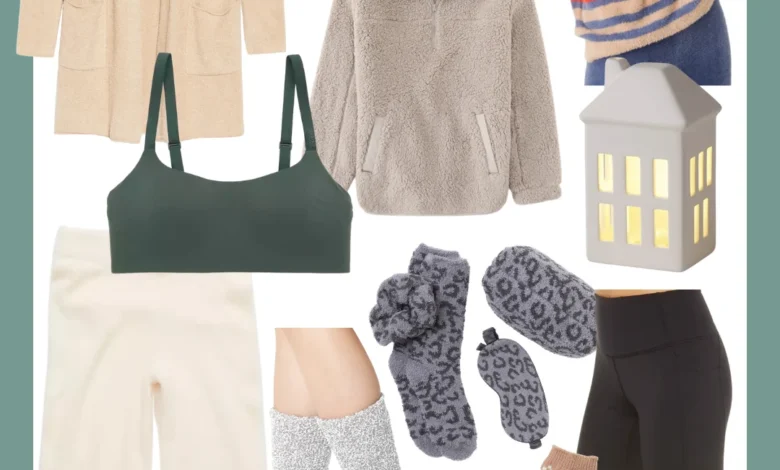
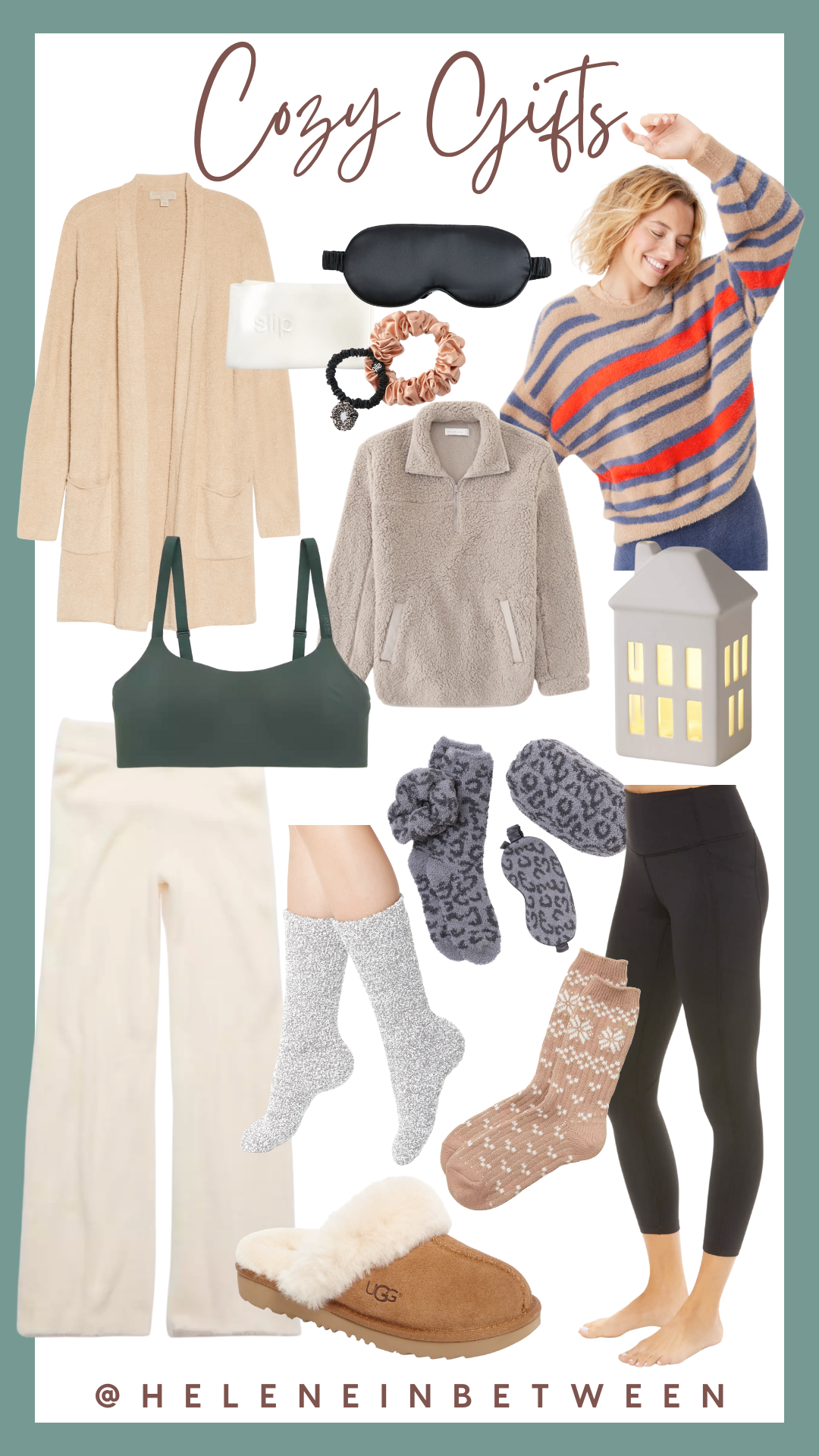
One of the most resilient categories in the 2024 market is "cozy" apparel and loungewear. Brands such as Barefoot Dreams and Aerie have become benchmarks for this sector. The Barefoot Dreams Travel Set and their signature cardigans represent a broader consumer desire for "tactile comfort," a psychological response to the stressors of the modern economic environment.
Market research indicates that the global loungewear market is expected to exceed $10 billion by 2027. This growth is fueled by products like the "Flurry Sweater" and coordinated lounge pants, which offer versatility between domestic relaxation and casual public outings. Analysts note that the "softness" of a garment has become a primary KPI (Key Performance Indicator) for online reviews, often outweighing brand heritage or price sensitivity.
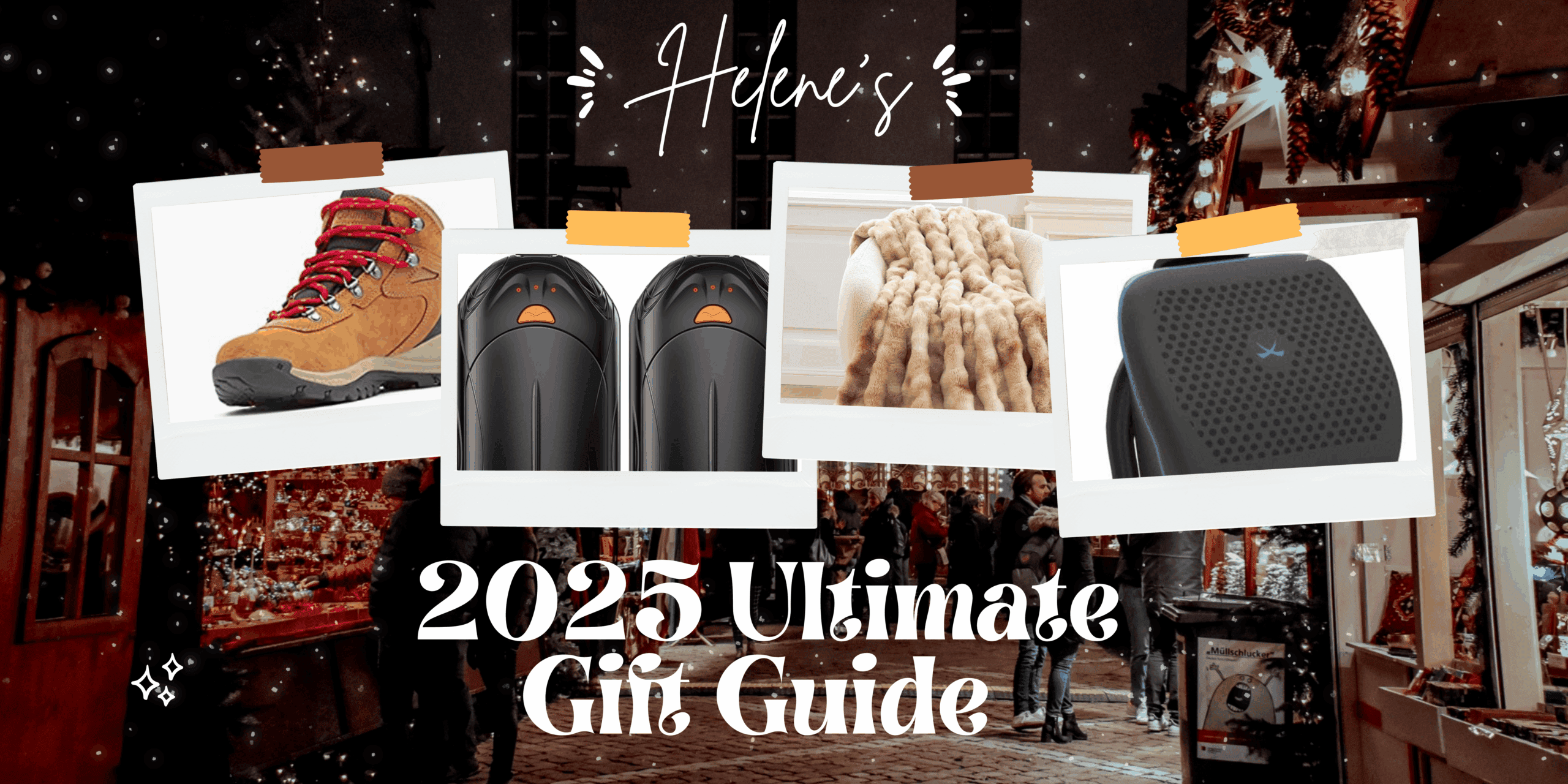
Furthermore, the "Barefoot Dreams Blanket" has maintained its status as a "cult favorite" splurge item. Despite its premium price point, the product’s longevity and social media ubiquity have solidified its place as a staple of the luxury home goods market.
Social Media as a Retail Catalyst: The TikTok Effect
The influence of social media, particularly TikTok and Instagram, on holiday purchasing cannot be overstated. Products that gain viral status often see a 200% to 500% increase in search volume within a 48-hour window. In 2024, "trending" gifts are defined by their "shareability" and aesthetic appeal.
A primary example of this phenomenon is the Lululemon Align Legging. While positioned at a higher price point than generic competitors, the brand’s policy of offering free repairs for damaged goods has fostered intense brand loyalty. Consumers increasingly view these purchases as long-term investments rather than disposable fashion. Statements from retail analysts suggest that the "cost-per-wear" metric is now a significant factor for Gen Z and Millennial shoppers, who are willing to pay more upfront for a product that lasts a decade.
Personalization also remains a key trend. Products like the "Personalized Mug" or custom coffee tumblers cater to the consumer’s desire for unique, identity-focused gifting. This segment of the market leverages the "Unboxing Experience," where the visual presentation of the gift is as vital as the item itself.
Prestige Beauty and the "Lipstick Effect"
The beauty sector continues to benefit from the "Lipstick Effect"—an economic theory suggesting that consumers are more likely to purchase small, luxury items during times of economic uncertainty. In 2024, this has manifested in a surge of interest in "Discovery Sets" and high-performance hair care.
The "Slip Silk Discovery Set," featuring silk pillowcases and eye masks, highlights a convergence of beauty and wellness. Silk products are marketed not just as luxuries but as functional tools for hair and skin health. Similarly, the "Olaplex Hair Treatment" sets and "Hourglass Ambient Lighting Palettes" have become high-demand items due to their reputation for professional-grade results.
Innovation in beauty tools, such as ionic hair dryers and heatless curling rods, reflects a consumer move toward "salon-at-home" routines. This shift is supported by data showing a 14% increase in the prestige beauty market, as shoppers redirect funds from expensive professional services toward high-quality home kits.
The Homebody Economy: Smart Tech and Domestic Utility
As remote and hybrid work models remain entrenched, the home has become the central hub for both productivity and leisure. This has led to the rise of "Unique and Splurge" home gifts that integrate technology with daily rituals.
The "Ember Temperature Controlled Mug" and various smart wine chillers are representative of this "Smart Home" evolution. These products address specific, minor inconveniences—such as coffee losing its heat—with high-tech solutions. While once considered niche, these items have moved into the mainstream as essential "splurge" gifts for the 2024 season.
In the culinary space, there is a renewed interest in "slow living" tools. The enameled cast iron cookware and high-quality popcorn makers mentioned in recent consumer guides indicate a return to home-based entertainment. The "Atlas of Christmas," a book detailing global holiday traditions, further suggests that consumers are seeking "intellectual" and "experiential" gifts that provide value beyond physical utility.
Analyzing the "Hard-to-Shop-For" Demographic
Gifting for men remains one of the most challenging segments for retailers. Market data shows that male-targeted gifting is heavily skewed toward high-utility, "specific-use" items. Products like the Braun Electric Razor and heavy-duty button-up shirts are consistently top performers because they fulfill a practical need while maintaining a premium feel.
Additionally, "adventure tech"—such as high-lumen headlamps for road trips and outdoor activities—has seen a rise in popularity. This suggests that the "Modern Outdoorsman" aesthetic continues to influence retail, even for consumers who may primarily use these tools for domestic tasks or emergency preparedness.

Economic Implications and Retailer Responses
The 2024 holiday season serves as a critical barometer for the health of the global retail economy. Retailers have responded to fluctuating consumer confidence by emphasizing "Value-Added" services. This includes extended return windows, complimentary gift wrapping, and robust loyalty programs.
Industry experts observe that the "middle market" is under the most pressure. Consumers are either "trading down" to budget-friendly essentials (like Aerie socks) or "trading up" to definitive luxury items (like the Apple Watch). The "Splurge" category remains surprisingly strong, as shoppers choose to buy one high-quality item rather than multiple lower-cost gifts.
"The 2024 shopper is more informed and more selective than ever before," says a senior retail analyst for a major global firm. "They are looking for products that offer a narrative of wellness, comfort, and durability. The brands that are winning this season are those that can prove their value through quality and social proof."
Conclusion: Looking Toward 2025
As the holiday season concludes, the data suggests that the trends established in 2024 will likely persist into the new year. The emphasis on "self-care," "smart domesticity," and "long-term value" reflects a fundamental shift in the global consumer psyche. Retailers who successfully pivoted to meet the demand for "cozy" luxury and functional tech are expected to report strong Q4 earnings, setting a high benchmark for the 2025 fiscal year.
The legacy of the 2024 holiday season will be defined by the "thoughtful consumer"—one who balances the impulse for viral trends with a grounded requirement for quality and comfort. Whether it is a silk pillowcase for better sleep or a temperature-controlled mug for a better workday, the most successful gifts of the year are those that enhance the daily lived experience of the recipient.