The Evolution of Madrid as a Global Cultural Hub
Madrid’s transformation from a medieval fortress into a global metropolis is anchored in its unique geography and long-standing role as the seat of the Spanish monarchy. The city’s core, often referred to as the "Landscape of Light," was designated a UNESCO World Heritage Site in 2021. This designation encompasses the Paseo del Prado and the Buen Retiro Park, acknowledging the area as a landscape of arts and sciences that has evolved since the 16th century.

Statistically, Madrid’s tourism sector has seen a consistent upward trajectory. According to data from the National Institute of Statistics (INE), the city regularly hosts millions of international visitors annually, with cultural institutions like the Prado Museum reporting attendance figures that place them among the most visited art galleries worldwide. The city’s strategic investment in infrastructure, including the modernization of the Adolfo Suárez Madrid-Barajas Airport and the expansion of the high-speed rail network (AVE), has further facilitated this growth.

A Five-Day Chronological Itinerary for Urban Exploration
To effectively manage the city’s vast array of offerings, a structured approach is recommended to ensure both efficiency and depth of experience.

Day One: The Golden Triangle of Art
The initial phase of a visit should prioritize the "Golden Triangle of Art," comprising the Prado, the Reina Sofía, and the Thyssen-Bornemisza museums. The Prado Museum, established in 1819, holds the world’s most comprehensive collection of Spanish painting, including the works of Diego Velázquez and Francisco de Goya. The Reina Sofía, housed in a former hospital, provides a stark contrast, focusing on 20th-century art, most notably Pablo Picasso’s 1937 masterpiece, Guernica. For travelers, the key is to avoid "museum fatigue" by selecting specific wings or periods of interest rather than attempting to view the entire catalog in one sitting.

Day Two: Gastronomic Heritage and Neighborhood Life
Madrid’s culinary identity is defined by its markets. The Mercado de San Miguel, an iron-structured landmark from 1916, serves as a primary example of how historic architecture has been repurposed for modern culinary tourism. The district of La Latina represents the city’s oldest urban fabric, characterized by narrow, winding streets dating back to the Middle Ages. Analysis of local dining trends indicates a shift toward "gastro-markets," where traditional tapas culture is blended with gourmet, international influences.

Day Three: Royal Legacy and Green Spaces
The Retiro Park, spanning 125 hectares, serves as the "green lung" of the city. Originally designed for the exclusive use of the Spanish monarchy, it was opened to the public in the late 19th century. The park features the Crystal Palace, an iron and glass structure built in 1887 to house exotic flora from the Philippines. Adjacent to the park is the Royal Palace, the largest functioning royal palace in Western Europe, featuring over 3,000 rooms. Its architectural significance, blending Baroque and Neoclassical styles, mirrors the historical influence of the Bourbon dynasty.

Day Four: Religious History and Architectural Preservation
The city’s ecclesiastical architecture, particularly the Almudena Cathedral, provides a timeline of Spanish religious and political shifts. Construction on the cathedral spanned over a century, beginning in 1883 and concluding in 1993. This delay resulted in a unique architectural hybrid of Neo-Gothic and Neo-Classical styles. Beyond the cathedrals, the Monastery of Las Descalzas Reales offers an intimate look at the art collections maintained by the religious orders, often containing works of immense historical value that are frequently overlooked by casual tourists.

Day Five: Modern Infrastructure and Leisure
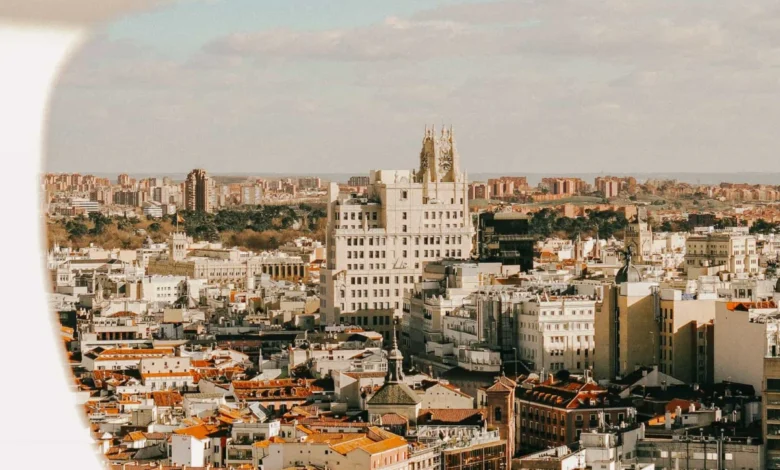
The final day allows for exploration of larger peripheral areas such as the Casa de Campo. This expansive park, which is significantly larger than New York’s Central Park, provides a panoramic view of the Madrid skyline from the Garabitas Hill. It serves as a testament to the city’s ability to integrate vast recreational spaces within a dense urban environment.

Economic and Social Implications of Tourism
The influx of visitors to Madrid carries significant economic implications. The city’s reliance on tourism necessitates a delicate balance between preserving local heritage and managing the demands of mass travel. Official responses from the Madrid City Council (Ayuntamiento de Madrid) emphasize the promotion of "sustainable tourism," encouraging visitors to explore districts beyond the traditional tourist center, such as Chamberí or Salesas, to distribute the economic benefits more equitably across the city’s various neighborhoods.

Furthermore, the integration of digital tools and apps, such as those provided by official tourism boards, has become standard practice. These tools provide real-time updates on events, exhibition capacities, and transport alerts, reflecting the city’s ongoing commitment to "Smart City" initiatives. By leveraging technology, the municipal government aims to optimize visitor flow and enhance the overall efficiency of the urban experience.

Expert Recommendations for Travelers
Travel professionals and local historians consistently offer a few key pieces of advice for navigating the capital:

- Advance Booking: For high-demand sites like the Royal Palace and specific museum wings, booking time slots in advance is not merely a suggestion but a necessity during peak seasons.
- Seasonal Planning: Madrid experiences extreme temperature fluctuations, with very hot summers and chilly winters. The shoulder seasons—spring and autumn—are widely considered the most conducive to outdoor exploration and walking tours.
- Local Etiquette: Adapting to the local schedule—which typically involves later lunch and dinner times compared to other European capitals—is essential for accessing the best dining experiences and fully immersing oneself in the city’s social rhythm.
- Transit Utilization: The Madrid Metro is one of the most efficient and extensive subway systems in the world. Utilizing public transport is the most cost-effective and time-efficient way to traverse the city’s diverse neighborhoods.
Conclusion
Madrid stands as a city that rewards the patient observer. Whether one is analyzing the brushstrokes of a Velázquez masterpiece, sampling regional wines in a historic cellar, or observing the sunset from the Temple of Debod, the city provides a profound look into the Spanish narrative. By following a structured, five-day approach, travelers can move beyond the surface-level attractions and gain a comprehensive understanding of what makes Madrid a cornerstone of European culture and history. As the city continues to modernize, it remains firmly rooted in its identity, ensuring that it retains its status as an indispensable destination for those seeking a deeper connection to the history and heart of Spain.
Related posts: