The Allure of the Petal: Reflecting on the 2026 Moroccan Festival of Roses in Kalaat M’Gouna

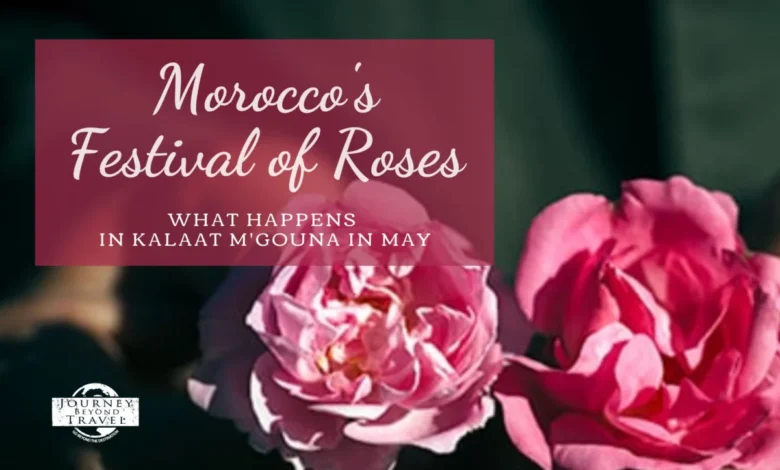
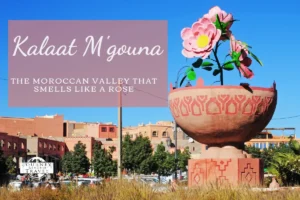
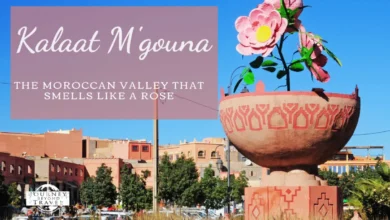
In ancient Roman mythology, the rose was said to have sprung from the blood of Adonis, a symbol of beauty, tragedy, and ephemeral grace. While centuries have passed, the reverence for this delicate bloom remains firmly anchored in the cultural landscape of Morocco. Each spring, the Dades Valley—specifically the town of Kalaat M’Gouna—transforms into a vivid tapestry of pink as the region celebrates the annual harvest of the Rosa Damascena. The 2026 edition of the Festival of Roses concluded on May 10th, marking a four-day convergence of tradition, agriculture, and commerce that continues to solidify the valley’s status as the heart of Morocco’s floral industry.
The Geography of the Harvest
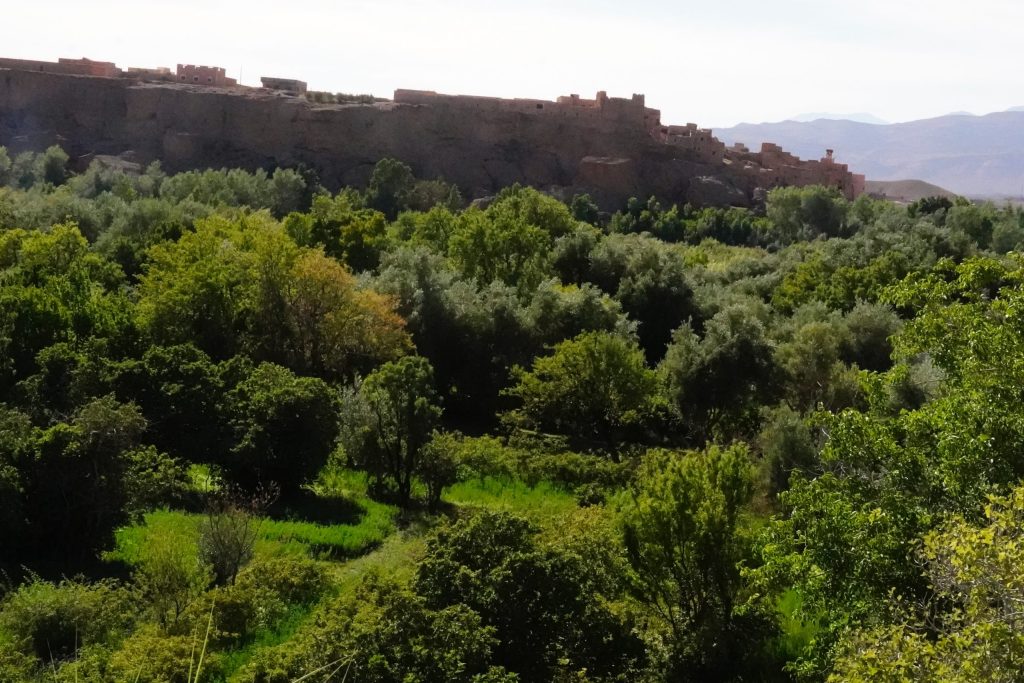
Kalaat M’Gouna, situated approximately 80 kilometers northeast of Ouarzazate, serves as the epicentre for the production of Moroccan rose oil and rosewater. The geography here is unique; the high-altitude climate and the fertile soils of the Dades Valley provide the ideal environment for the Centifolia rose to thrive. The industry is not merely a tourist attraction but a cornerstone of the regional economy.
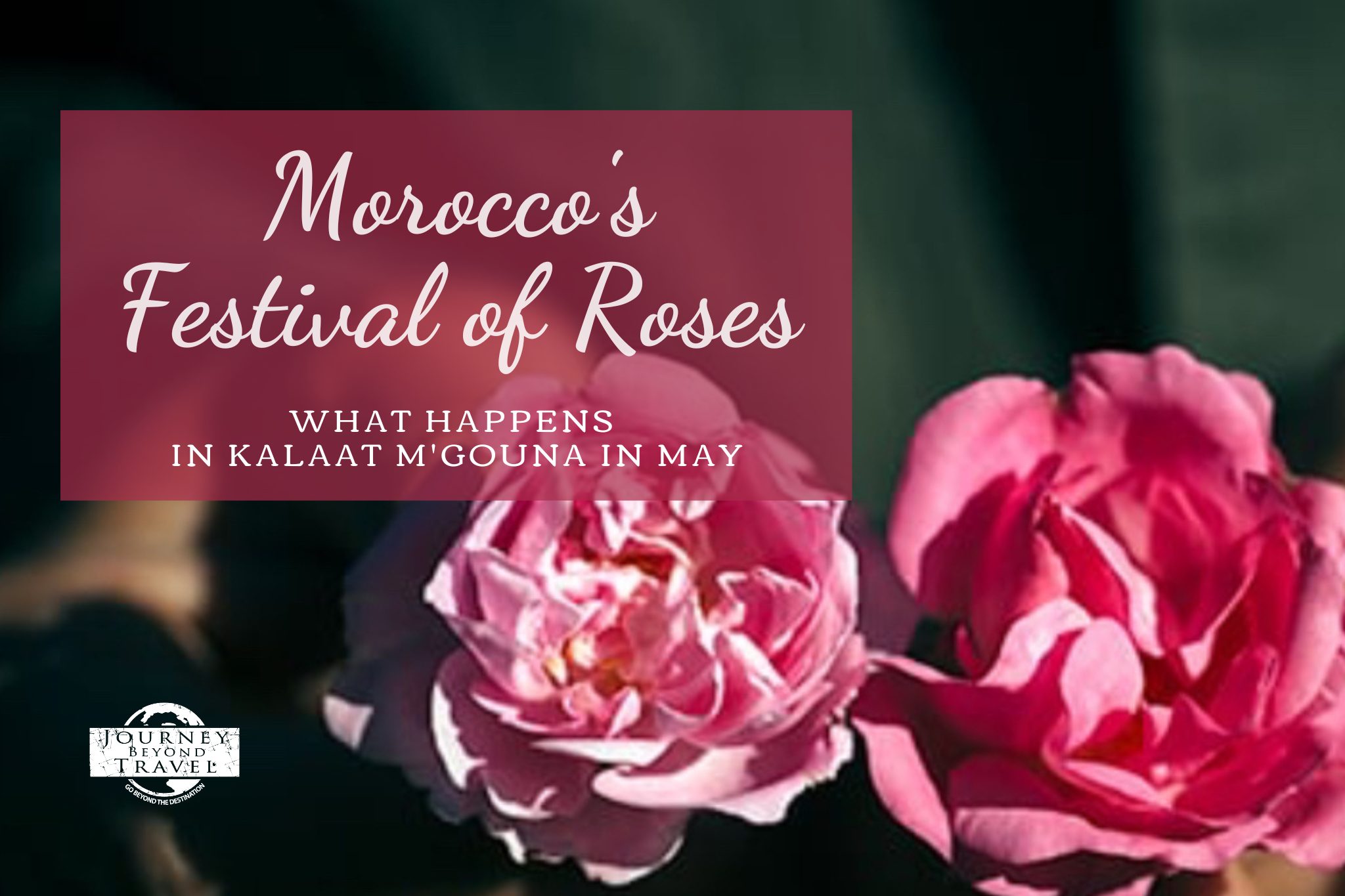
The logistical requirements of this industry are immense. To produce a single kilogram of pure rose oil, or attar, it takes approximately 3,000 to 4,000 kilograms of hand-picked petals. The harvest must occur in the early morning hours, before the sun’s intensity can evaporate the precious essential oils contained within the petals. This delicate, time-sensitive process dictates the rhythm of life in the valley throughout the spring. By the time the festival commences, the air is heavy with the scent of millions of blooms being processed in local distilleries, creating an olfactory experience that draws researchers, perfumers, and cultural enthusiasts from across the globe.
A Chronological Overview of the 2026 Festival
The 2026 Salon International de la Rose à Parfum, held under the high patronage of King Mohammed VI, offered a structured look at the industry’s past, present, and future.
The festivities began on May 7th with a formal opening ceremony that emphasized the economic importance of the rose trade. Government officials, local agricultural cooperatives, and industry stakeholders gathered to sign new conventions aimed at improving yield sustainability and water management in the valley. The afternoon was marked by the introduction of traditional Amazigh music and the Ahwach dance, ensuring that the cultural heritage of the indigenous Berber population remained at the forefront of the event.
By May 8th, the focus shifted to the scientific and commercial dimensions of the harvest. A series of conferences held at the Salle des Conférences provided a platform for agronomists and entrepreneurs to discuss the challenges facing the Rosa Damascena, including the impacts of climate volatility and the need for more efficient irrigation methods. These sessions highlighted that the festival is, at its core, an industrial summit masquerading as a celebration.
The weekend saw a transition to public festivities. On May 9th, the town of Kalaat M’Gouna hosted the signature carnival parade along Boulevard Mohammed VI. The parade, featuring the crowning of the Rose Queen, serves as the visual highlight of the event, showcasing the communal spirit of the valley. Local artisans and cooperatives utilized the high volume of foot traffic to showcase regional crafts, including silver jewelry, intricate leatherwork, and, of course, a vast array of rose-derived consumer products.
The event concluded on May 10th with a winding-down of the exhibition halls, allowing for final commercial transactions and a transition back to the standard agricultural cycle of the valley.
Economic Implications and Industry Standards
The rose industry in Morocco supports thousands of livelihoods, ranging from small-scale farmers to specialized chemists in large-scale distilleries. Analysis of the 2026 market indicates a growing demand for high-purity rose oil in the European and North American cosmetic sectors. However, this growth has brought scrutiny to supply chain transparency.
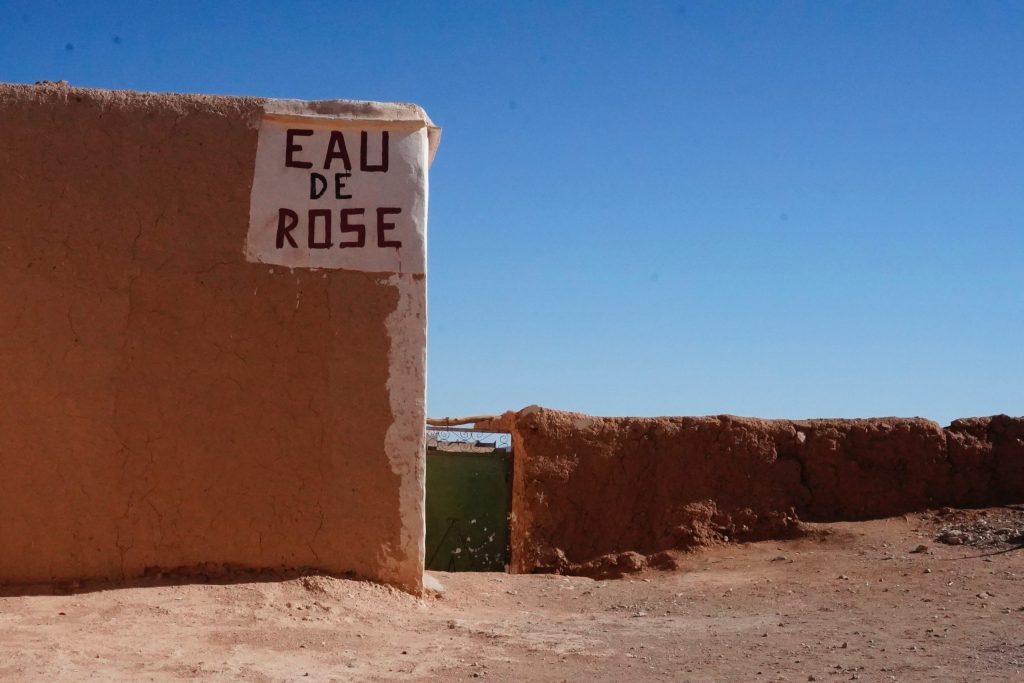
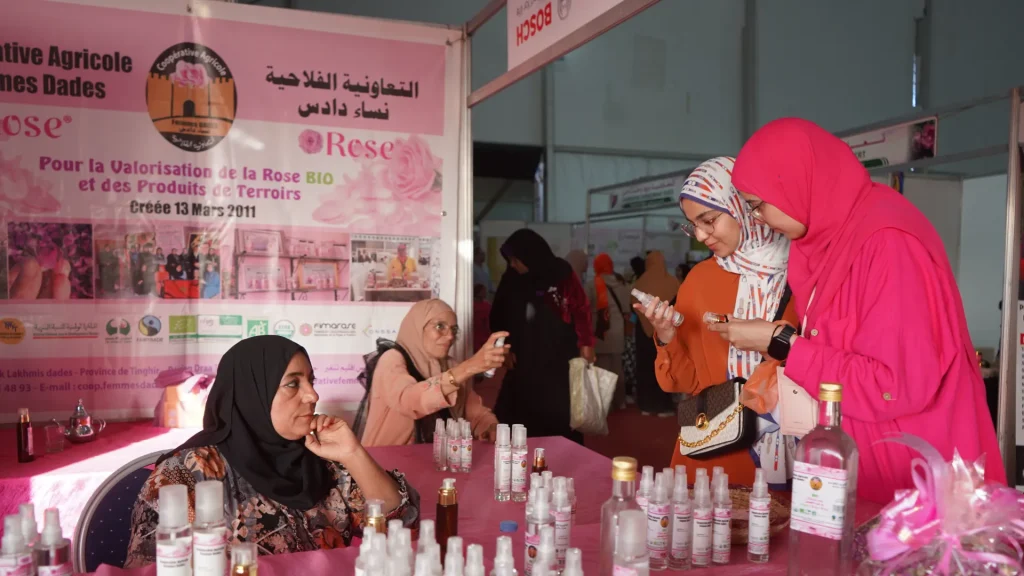
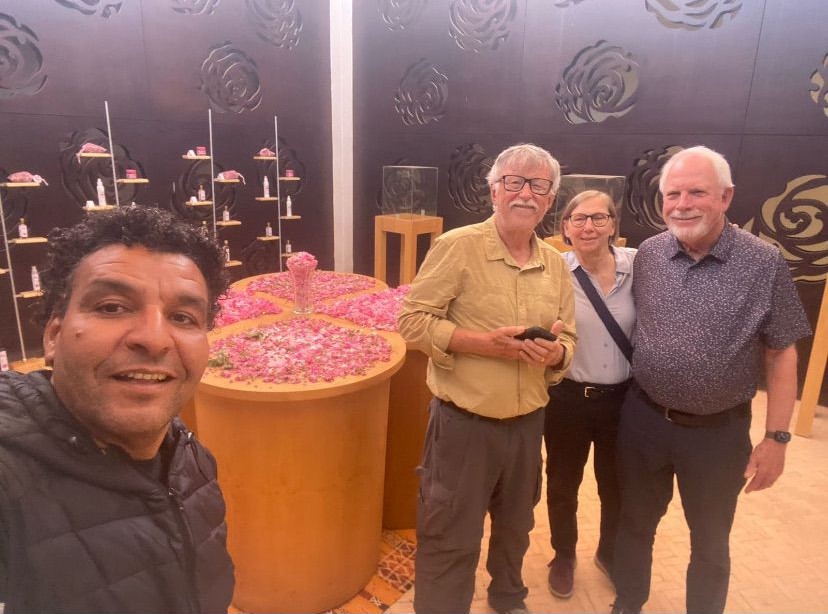
A primary concern addressed during the 2026 festival was the prevalence of synthetic imitations. Industry leaders used the event as a platform to educate the public: authentic, high-quality rosewater is always clear. The prevalence of dyed, pink-hued liquids sold as "rosewater" in many tourist markets represents a significant challenge to the brand integrity of the Dades Valley producers. The festival’s exhibition stands provided a venue where consumers could purchase directly from certified producers, ensuring both the quality of the product and the fair compensation of the growers.
Perspectives from the Field
For the local population, the festival is not merely a performance for outsiders; it is an annual validation of their agricultural heritage. Omar, a local guide and expert on the Dades Valley, notes that the festival provides a crucial bridge between the secluded life of the mountain farmers and the global marketplace.
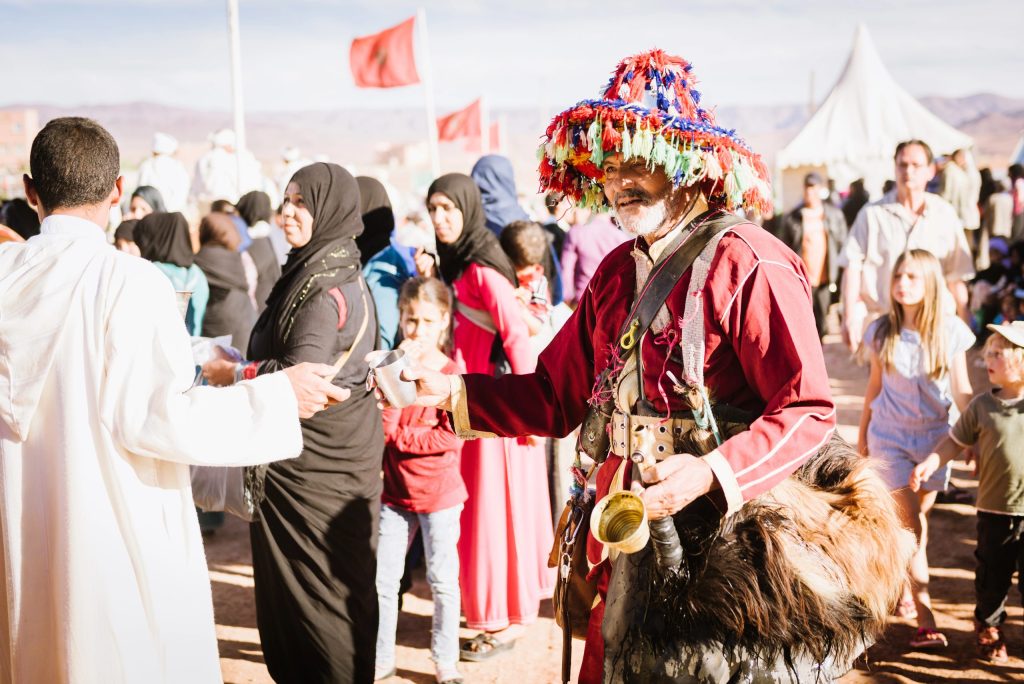
"The festival is the heartbeat of the valley," he explains. "When visitors come to see the harvest, they are witnessing a tradition that has been passed down since the 10th century. When they buy from a local cooperative, they are ensuring that the money stays within these villages, allowing families to continue tending to the hedgerows that define our landscape."
While international visitors are welcome, the event maintains a distinctly local character. The emphasis on communal meals, traditional dance, and agricultural education ensures that the focus remains on the preservation of the land rather than the commodification of the culture.
Strategic Planning for Future Attendance
As the festival dates are determined by the harvest cycle rather than a static calendar, prospective attendees are encouraged to monitor the regional climate and the bloom timing as early as March.
For those planning for the 2027 season, industry experts recommend a minimum stay of three nights. Arriving prior to the peak weekend allows visitors to observe the pre-festival activities, including the transport of tons of petals to the factories and the early-morning harvest in the fields. These quieter, more labor-intensive days provide a deeper insight into the reality of the rose trade than the crowded, festive atmosphere of the weekend parade.
Accommodation remains a logistical hurdle. Kalaat M’Gouna’s capacity is limited, and guesthouses often reach full occupancy months in advance. Many travelers choose to use Ouarzazate as a base of operations, though this requires a commute of nearly 85 kilometers. For a fully immersive experience, booking directly within the Dades Valley is highly recommended, as it allows for easier access to local distillery tours and early-morning hikes through the almond and rose groves.
Broader Context and Regional Impact
The Moroccan Festival of Roses is part of a larger, regional effort to promote sustainable tourism in the Drâa-Tafilalet area. By linking the festival to the broader southern Morocco circuit—which includes the Todra Gorge and the dunes of the Sahara—local authorities hope to extend the economic benefits of the harvest season into the surrounding districts.
The success of the 2026 festival suggests that the interest in "slow tourism" and authentic, source-based products is on the rise. As modern travelers seek to distance themselves from mass-market experiences, events that emphasize the connection between the land and the finished product, such as the rose harvest in the Dades Valley, are likely to see continued growth.
In summary, the Festival of Roses remains a vital, authentic, and historically significant event. It is a rare example of a local agricultural tradition that has successfully adapted to the requirements of the modern world without sacrificing its identity. For those interested in the nexus of botany, history, and commerce, the journey to the Dades Valley in early May offers a unique opportunity to witness one of the world’s most fragrant and delicate industries in full bloom.