Navigating the Gateway to Africa: A Comprehensive Guide to Ferry Travel to Morocco

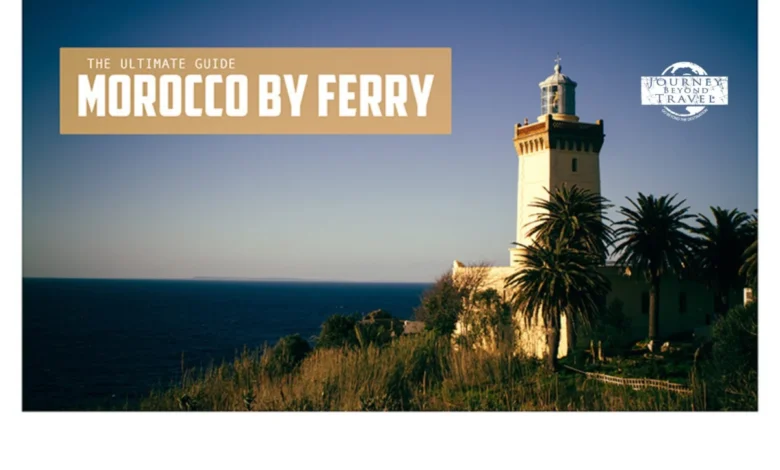
While numerous airlines offer convenient access to Morocco’s bustling airports, a distinct and often more enriching alternative awaits those seeking a journey steeped in adventure and flexibility: ferry travel. This mode of transport transcends the mere act of crossing a border; it offers a unique blend of practical advantages and scenic beauty, particularly as one traverses the historically significant Strait of Gibraltar. Passengers can enjoy unparalleled freedom from restrictive baggage allowances, the invaluable convenience of bringing their own vehicle for extensive exploration, and the captivating panoramic views afforded by the maritime passage between two continents. For the discerning traveler contemplating this immersive approach to Moroccan discovery, a detailed understanding of the available routes, ports, and operational nuances is essential.
Morocco’s Strategic Maritime Gateways
Morocco’s northern coastline is punctuated by several vital port cities, serving as key entry points for ferry passengers. The primary destinations for most European ferries are Tangier, its larger commercial counterpart Tangier Med (situated approximately 30 kilometers from the city center), and Nador further to the east. Additionally, the Spanish enclaves of Ceuta and Melilla, though not technically Moroccan territory, act as highly practical disembarkation points for travelers aiming to enter Morocco. These enclaves are seamlessly integrated into the regional transport network, offering straightforward connections to Moroccan cities.
From the bustling ports of Tangier, Tangier Med, and Ceuta, travelers can swiftly access a wealth of Moroccan destinations. For those with a vehicle, the charming city of Tetouan is merely an hour and a half’s drive away. The iconic blue-walled town of Chefchaouen, a photographer’s dream, can be reached in just over two hours. The nation’s capital, Rabat, lies less than three hours by road. Longer excursions open up the possibility of driving directly to Casablanca (approximately 4 hours), the ancient imperial city of Fez (around 4 hours 30 minutes), or the historic Meknes (4 hours). Travelers arriving in Nador or Melilla, situated further east, will find themselves closer to destinations like Oujda and the eastern Rif region, with travel times to the aforementioned cities naturally increasing.
For those not utilizing their own car, Morocco’s extensive intercity bus and train networks provide excellent onward connectivity from Nador and Tangier. Upon arrival in Ceuta, a short taxi ride can connect passengers to nearby Tetouan or Tangier. From Melilla, the most practical first step is to travel to Nador, from where broader national connections are available. Morocco’s national railway company, ONCF, and major bus operators like CTM offer reliable and affordable options for internal travel, ensuring that the journey continues smoothly beyond the port.
The Historical and Economic Significance of the Strait of Gibraltar
The Strait of Gibraltar, a narrow waterway connecting the Atlantic Ocean to the Mediterranean Sea and separating Europe from Africa, is more than just a geographical feature; it is a historical crossroads. For centuries, it has served as a critical maritime passage, facilitating trade, cultural exchange, and migration between continents. Its strategic importance continues today, making it one of the world’s busiest shipping lanes. For ferry operators, this strait represents the most direct and frequently utilized link between the Iberian Peninsula and North Africa, underpinning the robust network of services connecting Spain to Morocco. The high volume of maritime traffic underscores the strait’s enduring role as a vital artery for both passenger and commercial transport, reinforcing Morocco’s position as an accessible destination from Europe.
Primary Ferry Routes to Morocco from European Nations
Ferries operate daily into Morocco from three key European countries: Spain, France, and Italy. The choice of route is often dictated by a traveler’s starting point in Europe, preferred travel style, and desired Moroccan entry port. Regardless of the chosen path, securing tickets in advance is highly recommended, especially when traveling with a vehicle or during the off-season (September to May), when frequencies may be reduced. During the peak summer months, increased ferry schedules generally offer greater flexibility for last-minute bookings.
Routes from Spain: The Closest Link
Spain, due to its geographical proximity, offers the most frequent and diverse ferry connections to Morocco. Departures originate from various Spanish ports, including Tarifa, Algeciras, Barcelona, Malaga, and Almeria. The array of ferry companies, pricing structures, and specific routes necessitates careful consideration.
-
Tarifa to Tangier Ville: This route is widely regarded as the optimal choice for travelers heading directly into Tangier city center. It boasts the shortest crossing time, typically around 1 hour, and disembarks passengers within convenient walking distance of Tangier’s historic medina. Following the cessation of FRS’s long-standing service in May 2025 (acquired by DFDS), Balearia and Africa Morocco Link (AML) have effectively stepped in, ensuring the route remains exceptionally well-served with approximately 10-14 daily sailings between them. The average price for a passenger ticket ranges from €30-€50.
-
Algeciras to Tangier Med: For those traveling with a vehicle or prioritizing maximum departure frequency, the Algeciras-Tangier Med route is often preferred. However, it’s crucial to note that Tangier Med is a large commercial port situated 30-45 minutes outside Tangier city, requiring an additional transfer to reach urban areas. This route, with a crossing time of approximately 1.5 hours, offers 15 or more daily sailings through operators like DFDS, Balearia, Naviera Armas, and AML. Prices typically range from €40-€150, varying significantly based on vehicle inclusion and season.
-
Algeciras to Ceuta: Another frequent option from Algeciras, this route takes about 1 hour and has 15-19 daily sailings. Companies such as Balearia, DFDS, and Naviera Armas operate this service, with average passenger fares between €38-€150. From Ceuta, travelers can take a taxi to connect with Moroccan cities like Tetouan or Tangier.
-
Malaga to Melilla: This route, primarily served by Balearia, offers a longer journey of approximately 6 hours, with 7-10 weekly sailings. Average prices for a passenger can range from €53-€91. Melilla provides access to Morocco’s eastern regions, typically via Nador.
-
Almeria to Nador: With a crossing time of 6-9 hours, this route is serviced by Balearia and Naviera Armas, offering 7-14 weekly departures. Passenger tickets average €70-€90. Nador is a key gateway to eastern Morocco.
-
Barcelona to Tangier Med: For travelers originating from northeastern Spain or further afield in Europe, this extended route offers a significant maritime journey of 28-36 hours. Operated by Grandi Navi Veloci, it typically runs 2-5 times weekly, with prices starting from €90. This route provides a more leisurely approach to reaching Morocco, often with onboard amenities akin to a cruise.
Routes from France: A Longer Mediterranean Passage
For those starting their journey further north in Europe or seeking a more extended sea voyage, France offers direct ferry connections to Morocco. Grandi Navi Veloci operates services from Sète, a port near Marseille, providing up to 4 weekly departures during high season, though frequency can drop to roughly one every four days off-season. These longer crossings are ideal for travelers who appreciate the experience of spending time at sea and have a few days to spare.
- Sète to Tangier Med: This route, taking between 35 and 48 hours, is operated by Grandi Navi Veloci. Prices start from €90 for a basic passage, escalating significantly (up to €300+) for cabin accommodations, which are often necessary for such extended journeys.
- Sète to Nador: Also serviced by Grandi Navi Veloci, this crossing typically lasts 24-29 hours. Similar to the Tangier Med route, prices start from €90, with cabin costs adding to the overall fare.
Routes from Italy: The Epic Mediterranean Voyage
For the ultimate Mediterranean sea adventure, ferries from Italy provide the longest direct links to Morocco. These journeys, spanning two to three days, depart from Genoa or, seasonally, from Civitavecchia (near Rome). The direct Livorno-Tangier service appears to have been discontinued or significantly reduced, with Civitavecchia now serving as the primary seasonal Italy-Morocco link.
- Genoa to Tangier Med: This extensive crossing, ranging from 48 to 54 hours, is operated by Grandi Navi Veloci. With 2-3 weekly departures, prices begin around €89, potentially soaring to over €500 during peak season for cabin bookings and vehicles.
- Civitavecchia (Rome) to Tangier Med: Available seasonally (June-August), this route offers one weekly departure, with a journey time of 53-55 hours. Grandi Navi Veloci manages this service, with fares starting from approximately €110. This option caters to summer travelers seeking a direct link from central Italy.
Onboard Experience and Practical Considerations
The allure of transporting one’s own vehicle to Morocco and the freedom from typical airline baggage restrictions are significant draws of ferry travel. However, the experience varies considerably depending on the route and operator. Shorter crossings, such as Tarifa-Tangier, often utilize fast ferries with limited amenities beyond basic seating and cafes. Longer routes from Spain, France, and Italy, however, typically employ larger cruise ferries equipped with a wider range of facilities including restaurants, bars, shops, children’s play areas, and various cabin options ranging from basic bunks to luxurious suites. Passengers on these longer journeys can anticipate a more comprehensive onboard experience.
Customs and Immigration Procedures: A notable advantage of some longer ferry routes is the possibility of completing immigration formalities onboard, often facilitated by Moroccan police officers during the crossing. This can streamline the disembarkation process upon arrival. For all routes, passengers will need a valid passport, and while many Western travelers (including US, UK, and EU citizens) do not require a visa for stays under 90 days, checking specific nationality requirements before booking is essential. Vehicle owners must present their registration documents, valid insurance (often requiring a "Green Card" for international coverage), and a valid driving license.
Challenges and Expectations: While the benefits are clear, travelers should be aware of potential drawbacks. Long hours or days at sea may not appeal to everyone, and onboard amenities, while improving, can still be limited on some vessels. Ferry schedules, despite being published, are not always strictly adhered to, and delays can occur due to weather conditions, port congestion, or operational issues. This unpredictability can be problematic for travelers with tight onward connection schedules. Furthermore, the cost of ferry travel, especially when including a vehicle and reserving cabins during peak season, can sometimes exceed that of air travel, making it less budget-friendly in certain scenarios.
Analyzing the Broader Impact and Implications
Ferry travel to Morocco holds significant economic and cultural implications. It underpins a substantial portion of the tourism sector, particularly for those from Europe seeking multi-country road trips or extended stays. The ability to bring a personal vehicle fosters a different kind of tourism, encouraging deeper exploration of Morocco’s diverse landscapes, from coastal towns to mountain villages and desert expanses, without the constraints of rental cars. For the Moroccan diaspora in Europe, these ferry routes are vital arteries for family visits and cultural reconnection, especially during holiday periods like summer and Eid.
From an environmental perspective, while ferries contribute to emissions, the ability to transport multiple vehicles and passengers simultaneously can, in certain contexts, be argued as a more energy-efficient alternative to numerous individual car journeys across the continent followed by air travel. As the maritime industry increasingly focuses on sustainability, new technologies and cleaner fuels are being adopted, which may further enhance the environmental profile of ferry travel.
The Future of Ferry Travel to Morocco
The demand for ferry connections between Europe and Morocco remains robust, driven by both tourism and the needs of the diaspora. Industry trends suggest a continued focus on improving onboard comfort, increasing service frequency, and enhancing logistical efficiency at ports. As sustainability becomes a more prominent factor in travel decisions, ferry operators are likely to invest further in greener technologies and more environmentally friendly operations to appeal to a growing segment of conscious travelers. The dynamic nature of the market, as evidenced by recent operator changes like the FRS/DFDS transition, indicates a competitive environment that generally benefits consumers through improved services and competitive pricing.
Practical Advice for Your Ferry Journey
Choosing your ferry route is just one step in planning an unforgettable trip to Morocco. Understanding what awaits you upon arrival will ensure a smoother transition from sea to land.
FAQ: Ferry Travel to Morocco
- Do I need a visa to enter Morocco by ferry? Most Western travelers (including US, UK, and EU passport holders) typically do not require a visa for stays under 90 days, regardless of whether arrival is by air or ferry. However, it is imperative to check specific requirements for your nationality before booking, as regulations can change.
- Can I bring my own car into Morocco on the ferry? Yes, the vast majority of operators on these routes accommodate vehicles. You will need to present your vehicle registration, valid international insurance (often a "Green Card"), and a valid driving license.
- Should I land at Tangier Ville or Tangier Med? Tangier Ville disembarks you directly in the city, offering immediate access to the medina and urban amenities. Tangier Med, a commercial port, is located 30-45 minutes outside the city and is generally better suited for drivers prioritizing sailing frequency over a short port transfer.
- How early should I arrive at the port before departure? Most operators recommend arriving 1-2 hours before scheduled sailing. This window should be extended, particularly to 2-3 hours, if you are traveling with a vehicle or during peak summer months when ports experience significant congestion.
- What amenities are available on board? On shorter routes, amenities might be limited to basic seating and a café. Longer routes (from Spain, France, Italy) often feature a range of facilities including restaurants, bars, shops, children’s play areas, Wi-Fi (often for a fee), and various cabin accommodations.
Disclaimer: These routes and their operational details are accurate as of the time of publishing (June 2026). Travelers are strongly advised to double-check with the specific ferry providers directly before departing to verify the most current schedules, prices, and requirements. Prices listed are approximate ranges derived from multiple booking aggregators and are subject to significant variation based on season, booking window, cabin type, and whether a vehicle is included. Always confirm final pricing and conditions directly with the ferry operator.
About the Author
Written by Morocco expert, award-winning author, and photographer Lucas Peters. After spending years driving a combination of rental cars and an old Honda CRV to the distant corners of Morocco, he pens the popular Moon Morocco. He lives in Morocco with his family… and these days drives a 2022 Jeep Wrangler 4XE plug-in electric, to and from Europe and all around Morocco.