The United Kingdom boasts a sophisticated and diverse amusement park industry, contributing significantly to the national tourism economy. From historic coastal pleasure grounds to modern, high-intensity thrill-ride destinations, the sector offers a wide range of experiences that cater to both domestic families and international visitors. With the industry heavily concentrated in England, particularly within reach of major urban hubs like London, Manchester, and the West Midlands, theme park operators continue to invest heavily in intellectual property, infrastructure, and immersive technology to maintain competitive advantages.

The Evolution and Economic Context of UK Theme Parks
The history of theme parks in the UK dates back to the Victorian era, when seaside resorts such as Blackpool established permanent fairgrounds to entertain the growing working-class population. Over the last century, this model has shifted from traditional amusement arcades and static attractions to high-capacity, multi-million-pound resorts. According to industry analysis, the UK theme park market is dominated by major international players, most notably the Merlin Entertainments Group, which operates several of the most iconic sites across the country.

The economic implications are substantial; these parks serve as anchor attractions for regional tourism, supporting local employment and hospitality sectors. In recent years, operators have shifted toward "resort-style" models, incorporating on-site hotels and waterparks to extend visitor dwell time and maximize per-capita spending.

Major Industry Landmarks and Operational Profiles
Alton Towers Resort, Staffordshire
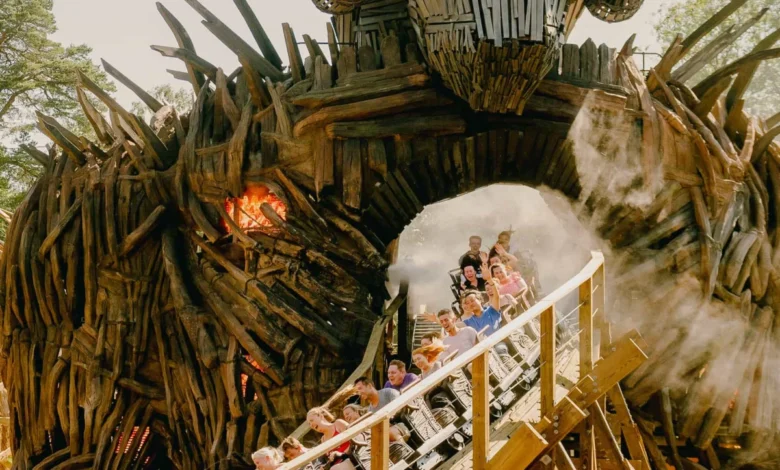
Often cited as the UK’s premier destination for thrill-seekers, Alton Towers is situated on the site of the historic Alton Abbey. The park is unique due to local planning restrictions that prohibit the construction of structures that rise above the surrounding tree line, forcing engineers to design roller coasters that utilize the natural topography—often by building underground or into excavated valleys. Iconic installations such as Nemesis Reborn and the Wicker Man highlight the park’s focus on thematic storytelling. Industry experts note that the park’s ability to weave narrative backstories into its rides significantly enhances the guest experience compared to traditional "carnival" style parks.

Thorpe Park, Surrey
Located within the Greater London metropolitan area, Thorpe Park is the flagship destination for high-speed, high-intensity attractions. The recent addition of Hyperia, now the tallest roller coaster in the UK, signals a strategic pivot toward breaking national records to attract a younger, thrill-focused demographic. Its proximity to Heathrow Airport and central London makes it a critical component of the capital’s tourism infrastructure.

Paultons Park, Hampshire
Paultons Park represents a distinct segment of the market: the family-oriented, younger-demographic focus. The park’s sustained growth is largely attributed to its strategic partnership with the Peppa Pig franchise, creating the "Peppa Pig World" attraction. This model illustrates the "IP-led" strategy that has become standard in modern theme park development, ensuring long-term brand loyalty among families with children under the age of 10.

Legoland Windsor, Berkshire
As a specialized destination, Legoland Windsor leverages the global recognition of the LEGO brand. Beyond its mechanical attractions, the site serves as an educational and interactive hub, featuring model-building workshops and a "Miniland" that replicates global landmarks. The integration of a resort hotel has successfully transitioned the park from a day-trip destination to a short-break resort, significantly increasing its market resilience.

Chessington World of Adventures, Greater London
Chessington is a prime example of the "hybrid" model, combining a traditional theme park with a zoo and an aquarium. This diversity of offering provides a buffer against seasonal volatility and broadens the appeal to multi-generational families. The addition of the "World of Jumanji" area showcases the current trend of utilizing film studio partnerships to revitalize older sections of the park.

Operational Challenges and Strategic Adjustments
The primary challenge facing UK theme park operators is the management of peak-day capacity. The industry has seen a widespread transition toward dynamic pricing and mandatory pre-booking systems. This shift, accelerated by the post-pandemic recovery, allows operators to better manage crowd flow and reduce the strain on infrastructure.

Queue management has become a point of contention for visitors. While the introduction of "Fast-track" and "Reserve and Ride" systems has provided a solution for those willing to pay a premium, it has also raised discussions regarding accessibility and the "two-tier" guest experience. From an operational standpoint, these systems are essential for maximizing throughput and revenue during high-occupancy periods, such as summer holidays and bank weekends.

Secondary and Coastal Attractions
The UK market also sustains a vibrant secondary tier of parks that hold significant cultural value. Blackpool Pleasure Beach remains a cornerstone of British leisure history. Despite the changing face of the tourism industry in Blackpool, the park continues to innovate, as evidenced by the introduction of the ICON roller coaster. The park’s status as a family-owned entity differentiates it from the corporate-heavy landscape, preserving a sense of heritage that many modern, sterile theme parks lack.

Similarly, parks like Flamingo Land in Yorkshire and Pleasurewood Hills in Suffolk provide critical regional access. Flamingo Land’s dual function as a zoo and a theme park offers a balanced experience that is highly popular in Northern England. Margate’s Dreamland stands as a unique case study in urban regeneration, having been restored from a dilapidated state into a "vintage-chic" park that prioritizes aesthetic appeal and cultural events alongside traditional rides.

The Role of Non-Traditional Attractions
The Warner Bros. Studio Tour (The Making of Harry Potter) in Watford has redefined what constitutes a "theme park" in the UK context. While it lacks high-speed roller coasters, it functions as an immersive, narrative-driven experience. The success of this attraction demonstrates a shift in consumer demand toward "experiential" tourism, where the focus is on behind-the-scenes access and intellectual property immersion rather than kinetic thrills.

Broader Implications and Future Outlook
The outlook for the UK theme park industry is characterized by a drive toward sustainability and digital integration. Operators are increasingly looking at ways to reduce their carbon footprint, manage waste, and improve accessibility for guests with disabilities—a requirement that is becoming a central pillar of corporate social responsibility.

Furthermore, the integration of mobile applications for real-time ride wait times, food ordering, and itinerary planning is becoming standard. This digital transformation is expected to continue as parks look to compete with international destinations like Disneyland Paris. As the UK continues to position itself as a global destination for family entertainment, the investment in high-fidelity ride systems and immersive "dark rides" will remain the primary differentiator between successful resorts and those struggling to maintain relevance in a competitive leisure market.

In conclusion, while the UK theme park landscape is diverse, it is united by a commitment to innovation and brand-led entertainment. Whether through the record-breaking heights of Hyperia at Thorpe Park or the meticulously curated sets of the Harry Potter studios, the industry continues to adapt to the changing preferences of the modern visitor, ensuring its place as a pillar of the nation’s leisure economy for the foreseeable future.