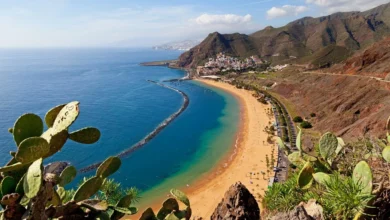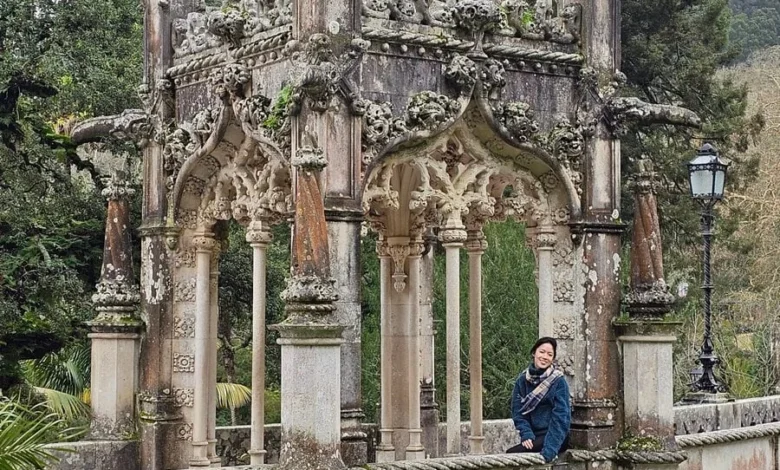
Most visitors arriving in Sintra focus their attention exclusively on the vivid yellow and red towers of Pena Palace, capturing a standard photograph before departing under the assumption that they have experienced the entirety of the destination. However, local tourism experts and seasoned guides emphasize that this hurried approach overlooks a vast, atmospheric landscape hidden just beyond the primary palace circuit. A comprehensive day trip from Lisbon to Sintra and Cascais, when executed at a measured pace, reveals an entirely different dimension of the Portuguese coastline and mountains—one characterized by quiet forest roads, historic estates, indigenous vineyards, and dynamic microclimates.
Main Facts and Itinerary Overview
The standard tourist trajectory through Sintra typically involves navigating dense crowds to access Pena Palace and Quinta da Regaleira. In contrast, alternative itineraries curated by regional private operators, such as Heart & Soul Tours, offer a more expansive exploration. A typical private excursion spans approximately seven hours, originating with an 8:00 AM hotel pickup in Lisbon. Accommodating groups of two to six individuals, these private tours generally encompass early morning access to Pena Palace to circumvent peak congestion, followed by visits to the historic village center, lesser-traveled sections of the Moorish Castle, Monserrate Palace, the Colares wine region, and the coastal drive concluding in Cascais.
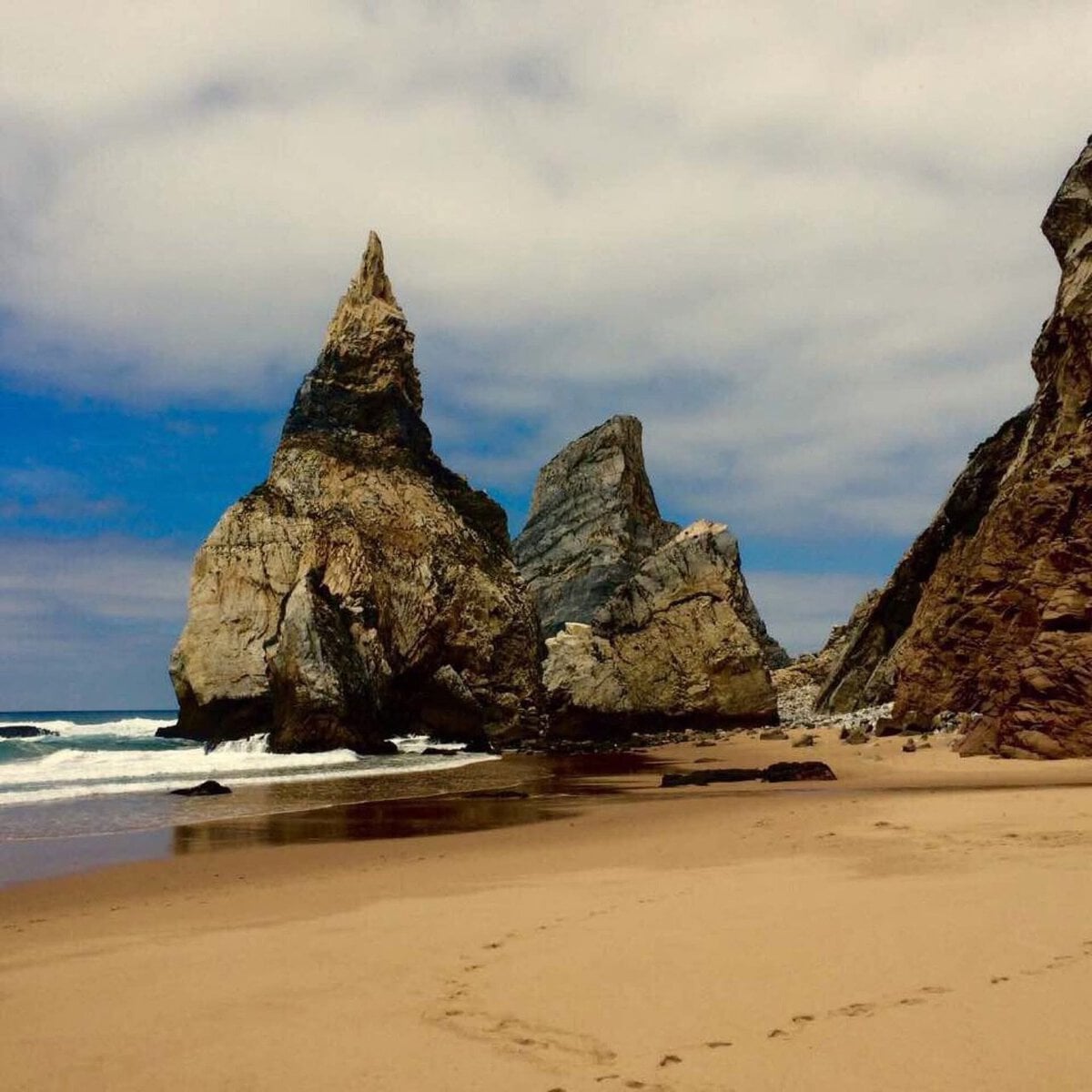
Priced at approximately €300 for two participants and €570 for six participants (as recorded in late 2026), these private packages include air-conditioned transport, fuel, tolls, parking, bottled water, and onboard Wi-Fi, while monument entry tickets remain a separate out-of-pocket expense. This logistical framework aims to mitigate the common pitfall of over-ambitious itineraries that attempt to string together excessive destinations—such as Sintra, Cascais, Óbidos, and Nazaré—within a single day, a practice that travel analysts note frequently degrades the quality of the visitor experience due to transit congestion and time constraints.
Chronology and Spatial Geography
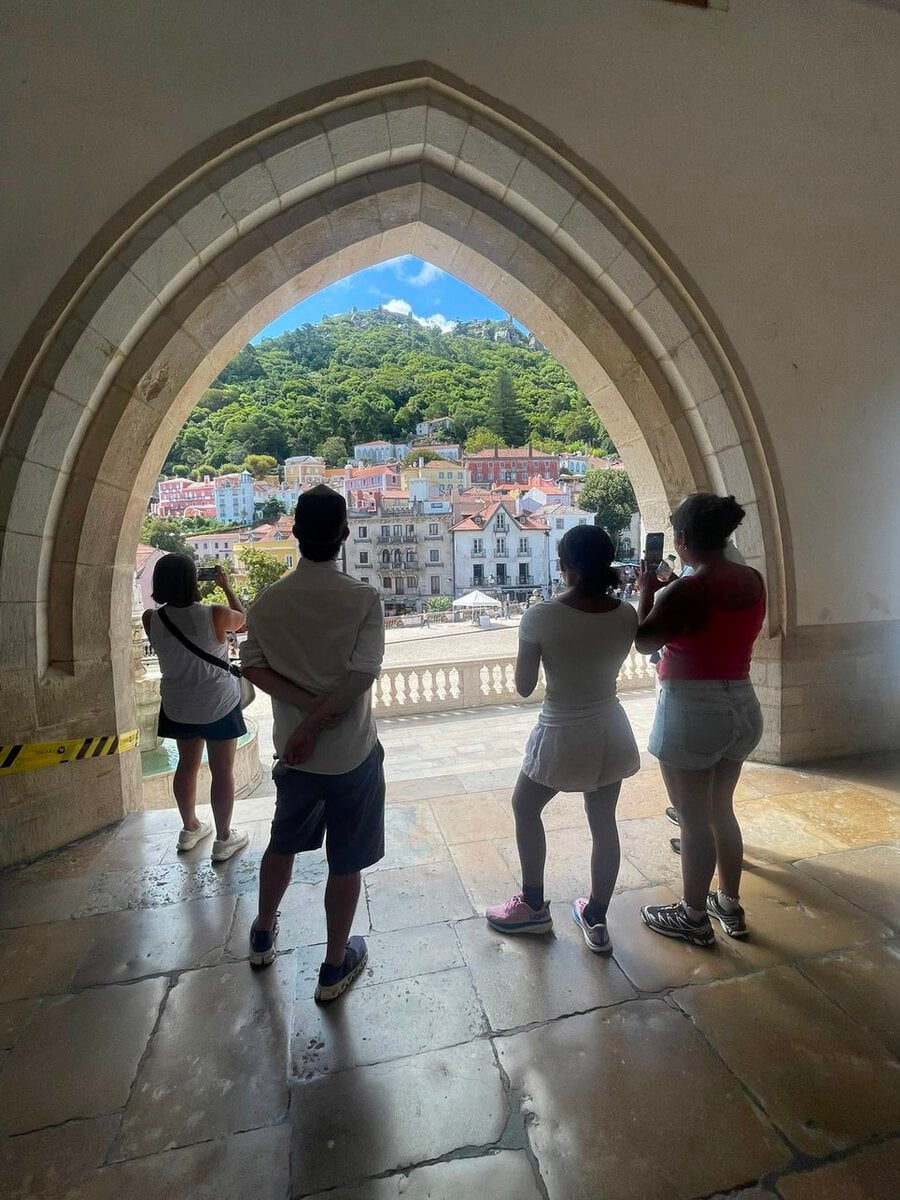
The historical development of Sintra as a royal and literary retreat dates back centuries, driven largely by its unique topography and climate. Unlike the sun-drenched, urban environment of Lisbon located roughly 30 minutes away, Sintra’s elevation and proximity to the Atlantic Ocean foster a distinct microclimate. The hills regularly trap oceanic moisture, blanketing the pine, eucalyptus, and moss-laden forests in sudden mist and fog.
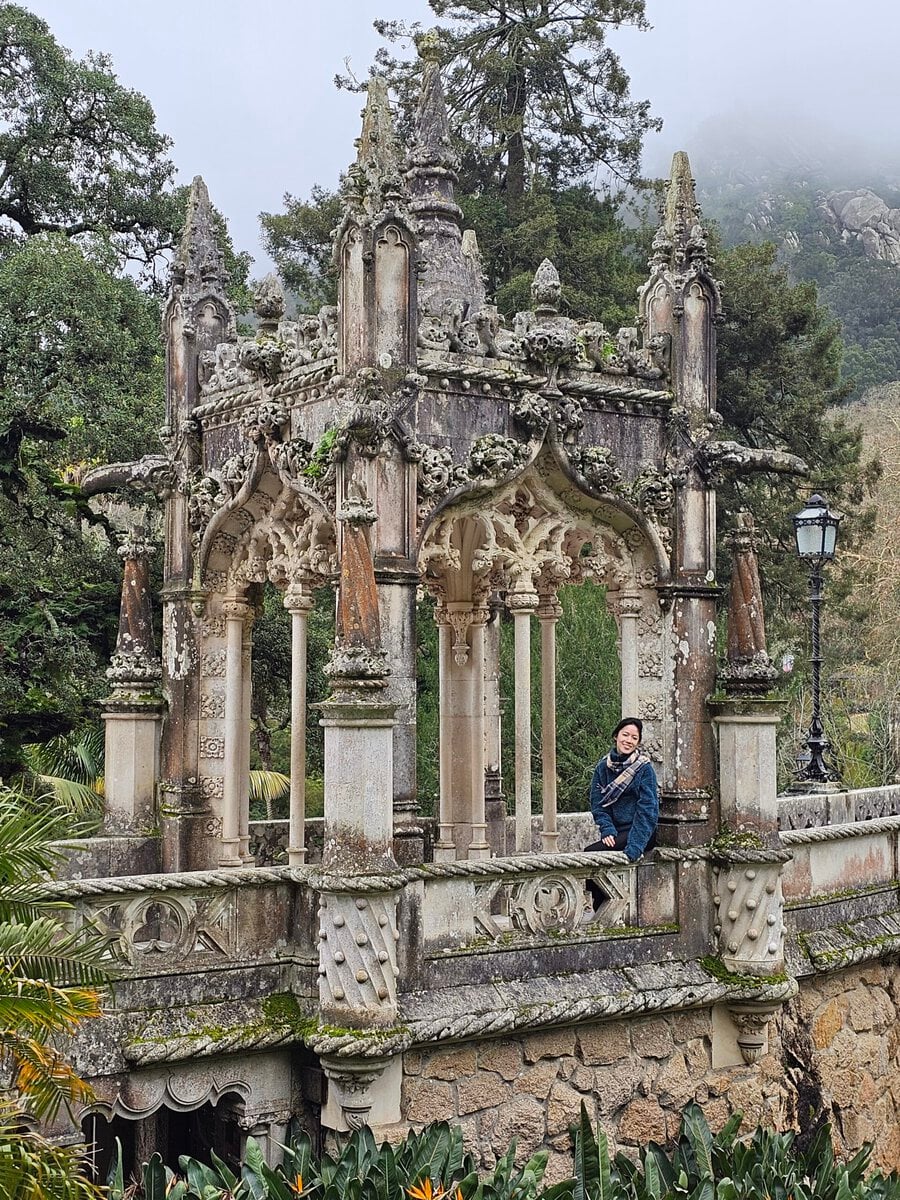
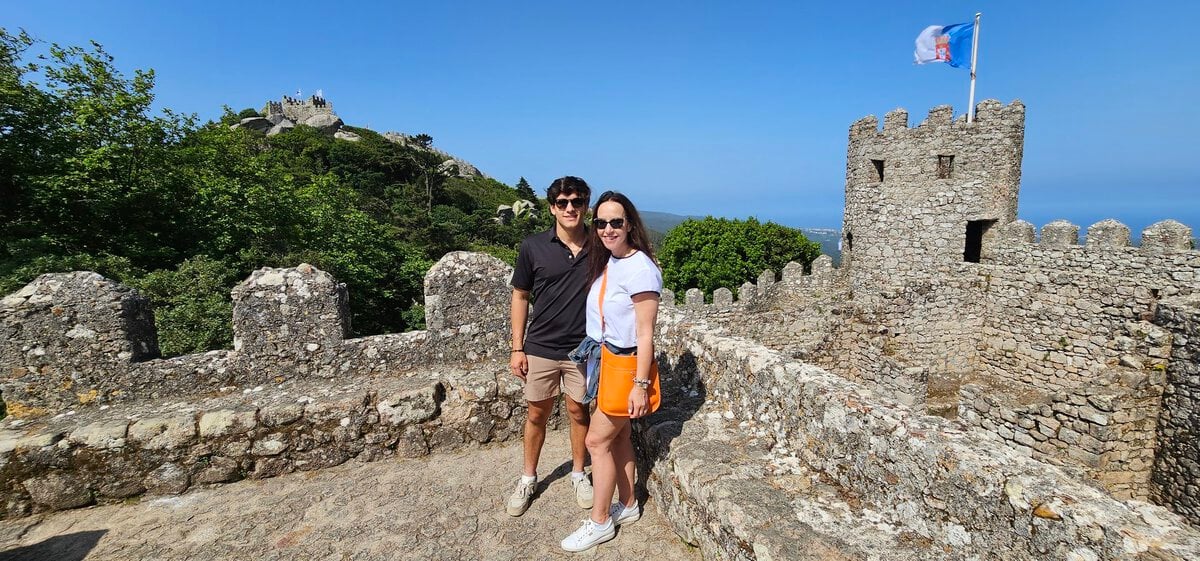
Historically, this cooler, damp environment attracted nobility and poets who sought refuge from the summer heat of the capital. The architectural footprint reflects this heritage, expanding outward from the medieval village center into the surrounding hillsides. While the historic center features narrow stone streets and traditional cafes, the surrounding landscape is punctuated by architectural milestones like Monserrate Palace. Built far from central thoroughfares to ensure absolute privacy, Monserrate and its surrounding botanical gardens require a separate admission ticket, a factor that naturally deters mass tour groups and preserves its tranquil atmosphere. Similarly, the western ramparts of the Moorish Castle offer sweeping vistas of the unbroken forest rather than the congested courtyards facing Pena Palace, shifting the visitor’s focus from manufactured spectacle to natural topography.
Supporting Data and Agricultural Heritage
Beyond its architecture, the region holds distinct agricultural and viticultural significance, most notably through the Colares wine appellation. Situated near the Atlantic dunes, the vineyards of Colares represent one of the most unusual wine-producing regions in Europe. During the nineteenth-century phylloxera epidemic that devastated vineyards across the continent, the native vines of Colares survived due to their ability to thrive in deep sandy soils, which acted as a natural barrier against the root-destroying pest. Today, a small cadre of traditional winemakers continues to cultivate these vines using centuries-old agricultural methods. Tastings at local producers provide empirical insight into the region’s deep economic and ecological ties to the Atlantic Ocean.
Culinary traditions also play a defined role in the local economy. The historic village center is defined by regional pastry production, specifically the competition between two distinct items: the travesseiro—a pillow-shaped puff pastry filled with an almond and egg cream—and the queijada de Sintra, a dense, cinnamon-dusted pastry composed of fresh cheese, sugar, and eggs. These items form a stable component of the local culinary tourism sector, generating steady economic activity for small, family-owned establishments operating within the historic district.
Broader Impact and Implications

The logistical management of Sintra remains a central topic of discussion among regional urban planners and tourism authorities. With millions of international travelers visiting the Lisbon metropolitan area annually, heritage sites like Pena Palace experience severe capacity strains during peak travel seasons. Environmental and heritage conservationists have increasingly advocated for dispersal models—such as promoting visits to Monserrate Palace, the Colares wine region, and the coastal transition toward Cascais—to alleviate foot-traffic pressure on fragile historical infrastructure.
By encouraging travelers to extend their geographic scope beyond the primary palace complex, regional operators and tourism boards aim to distribute economic benefits more evenly across the municipality while preserving the aesthetic and environmental integrity of the Sintra-Cascais Natural Park. Experts suggest that sustainable tourism frameworks in the region must rely on these slower, geographically cohesive itineraries rather than high-density, multi-city day tours that contribute to localized congestion and infrastructural wear.