Planning a Wellness Trip to Kenya: A Safari and Beach Holiday With Wellness Built In

Kenya has long stood as an iconic destination for wildlife enthusiasts, drawing travelers from across the globe with promises of vast savannahs, charismatic megafauna, and untamed wilderness. However, a major paradigm shift is underway in East African tourism. Rather than adhering to the traditional, breakneck itinerary of dawn-till-dusk vehicle game drives, modern travelers increasingly seek to integrate restorative wellness practices into their expeditions. Industry insiders at tour operators like Karibu Kenya report that the most resonant memories for contemporary visitors are rarely limited to high-speed predator sightings. Instead, travelers prize the intentional contrasts of a journey: transitioning from the adrenaline of tracking lions in the Masai Mara to unwinding with a restorative massage overlooking the plains, practicing dawn yoga on the forested slopes of Mount Kenya, or engaging in mindful meditation followed by an afternoon swimming with dolphins in the Indian Ocean.
This comprehensive guide examines how to seamlessly architect a 10-to-14-day wellness-centric itinerary across Kenya’s three distinct geographic ecosystems—the savannah, the mountain, and the coast—while balancing physical exertion, deep relaxation, and ecological immersion.
The Convergence of Safari and Wellness: A Paradigm Shift
Historically, African safaris have been marketed almost exclusively as high-octane wildlife expeditions. Visitors spend hours confined to 4×4 vehicles, navigating bumpy tracks in pursuit of the "Big Five." While this remains a cornerstone of the travel experience, tourism boards and high-end conservation camps are responding to a growing consumer demand for holistic travel. Modern wellness tourism emphasizes mental reset, physical restoration, and a deeper, slower connection to the natural environment.
Integrating wellness into a Kenyan itinerary does not dilute the adventure; rather, it enhances the body’s capacity to absorb it. Prolonged exposure to the African sun, bone-jarring vehicle tracks, and early morning wake-up calls create physical fatigue and muscular tension. By alternating high-intensity wildlife tracking with guided nature walks, horseback riding across private conservancies, and evening spa rituals, travelers experience a more balanced holiday. According to travel industry analysts, this multi-faceted approach appeals strongly to wellness-oriented demographics looking to optimize both their physical health and their psychological well-being during extended international travel.
Ecosystem One: Safari and Spa in the Masai Mara
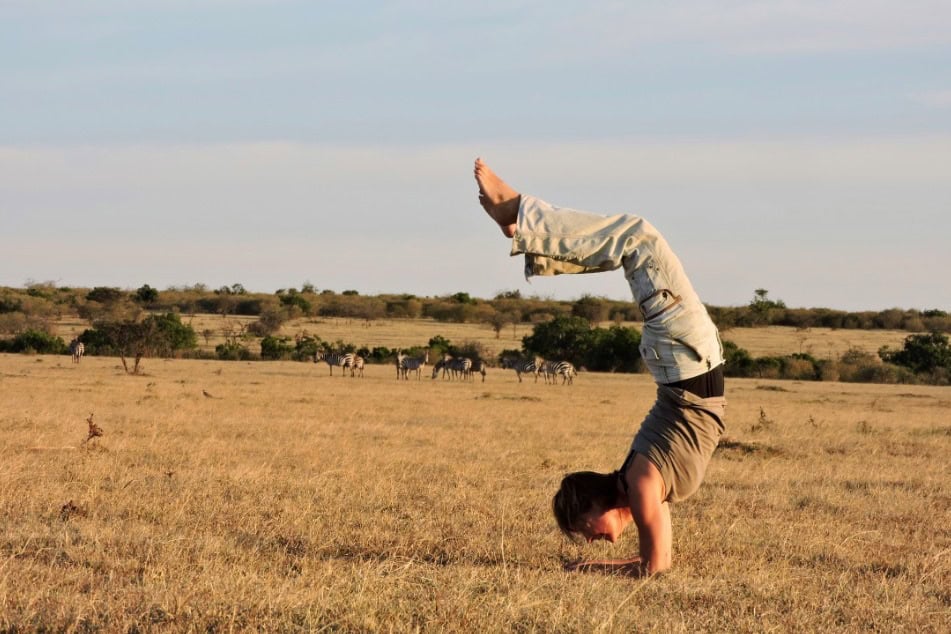
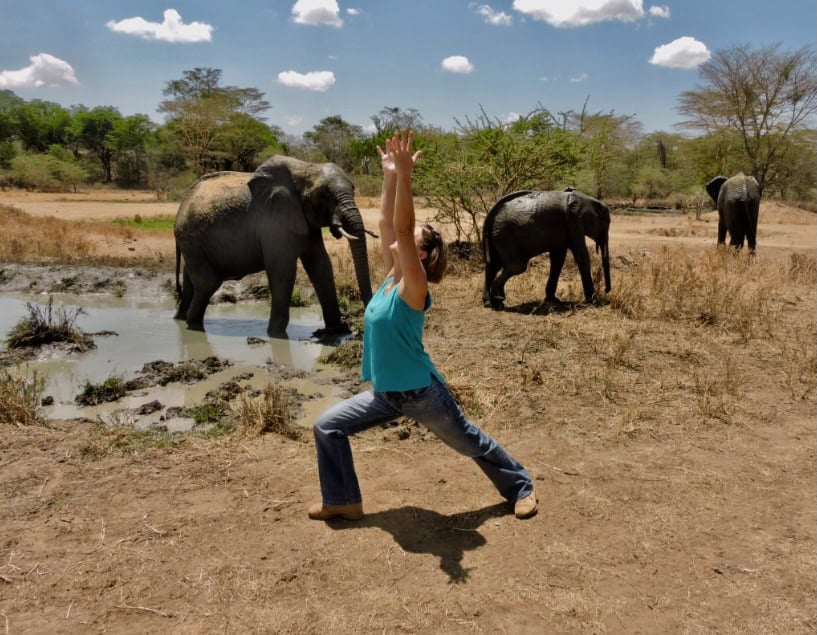
The journey traditionally begins in the world-renowned Masai Mara, an ecosystem synonymous with raw, unfiltered nature. Days here are defined by sensory overload: the fine, reddish-brown dust that settles into clothing and hair; the crisp, biting chill of sunrise over the Mara River; and the patient art of tracking a pride of lions through golden tall grass.
While the wildlife viewing is exhilarating, it is physically demanding. Bracing oneself against the rugged terrain of vehicle tracks causes cumulative strain on the back and legs. Consequently, incorporating an evening spa session directly onto the savannah serves a vital physiological purpose.
The Great Migration and Sustainable Alternatives
For travelers visiting between July and October, the Masai Mara plays host to the Great Migration, one of the planet’s most dramatic wildlife spectacles. Millions of wildebeest, zebras, and gazelles thunder across the Mara River, drawing massive concentrations of predators and safari vehicles.
To preserve the tranquility required for a wellness-focused itinerary, forward-thinking operators recommend booking stays in private conservancies adjacent to the main reserve. These exclusive areas permit off-road driving, night game drives, guided walking safaris, and horseback excursions. These low-impact activities offer an intimate encounter with the landscape without the congestion and engine noise characteristic of peak migration viewing points.
Ecosystem Two: Mountain Hiking and Yoga on Mount Kenya
Moving away from the sun-drenched plains, the itinerary shifts toward the dramatic topography of Mount Kenya, Africa’s second-highest peak. The lower slopes of the mountain present an entirely different sensory profile: cool, damp air thick with the scent of dense Afro-alpine forest, towering bamboo groves, and ancient giant lobelias.
While serious mountaineers target Point Lenana—the highest trekking peak at 4,985 meters, where nightly frosts and altitude acclimatization are major factors—wellness travelers typically focus on the lower forested elevations. Based out of ecological lodges or private cottages, visitors embark on moderate day hikes through protected nature trails, returning in the evening to crackling open fires.
The Morning Practice
The integration of wellness peaks the following morning. Practitioners unroll their yoga mats facing the misty mountain slopes, participating in guided flows that gently warm muscles stiffened by the previous day’s hike. Accompanied by birdsong and crisp alpine breezes, this slower, mindful start alters the psychological rhythm of the trip, preparing the mind and body for the final leg of the journey.
Ecosystem Three: Coastal Meditation and Marine Exploration on the South Coast
The final movement of the comprehensive 14-day itinerary transports travelers to Kenya’s sun-drenched south coast, where life operates at a distinctly unhurried pace. Centered around Diani Beach and the historic town of Shimoni, the Indian Ocean offers the ultimate counterweight to the altitude of Mount Kenya and the dust of the Mara.
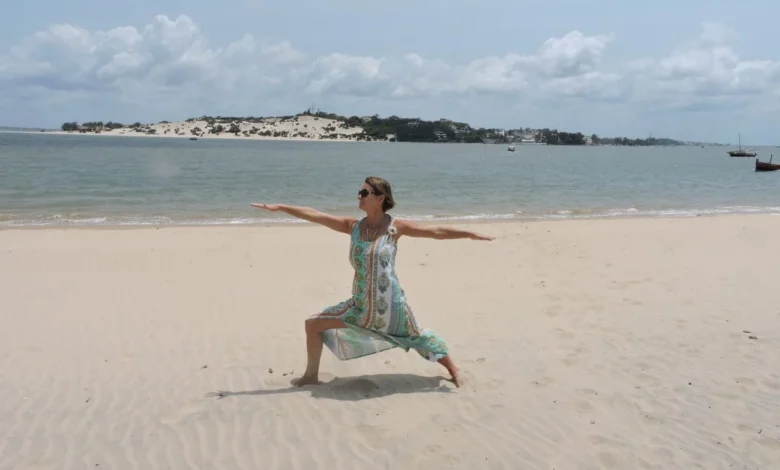
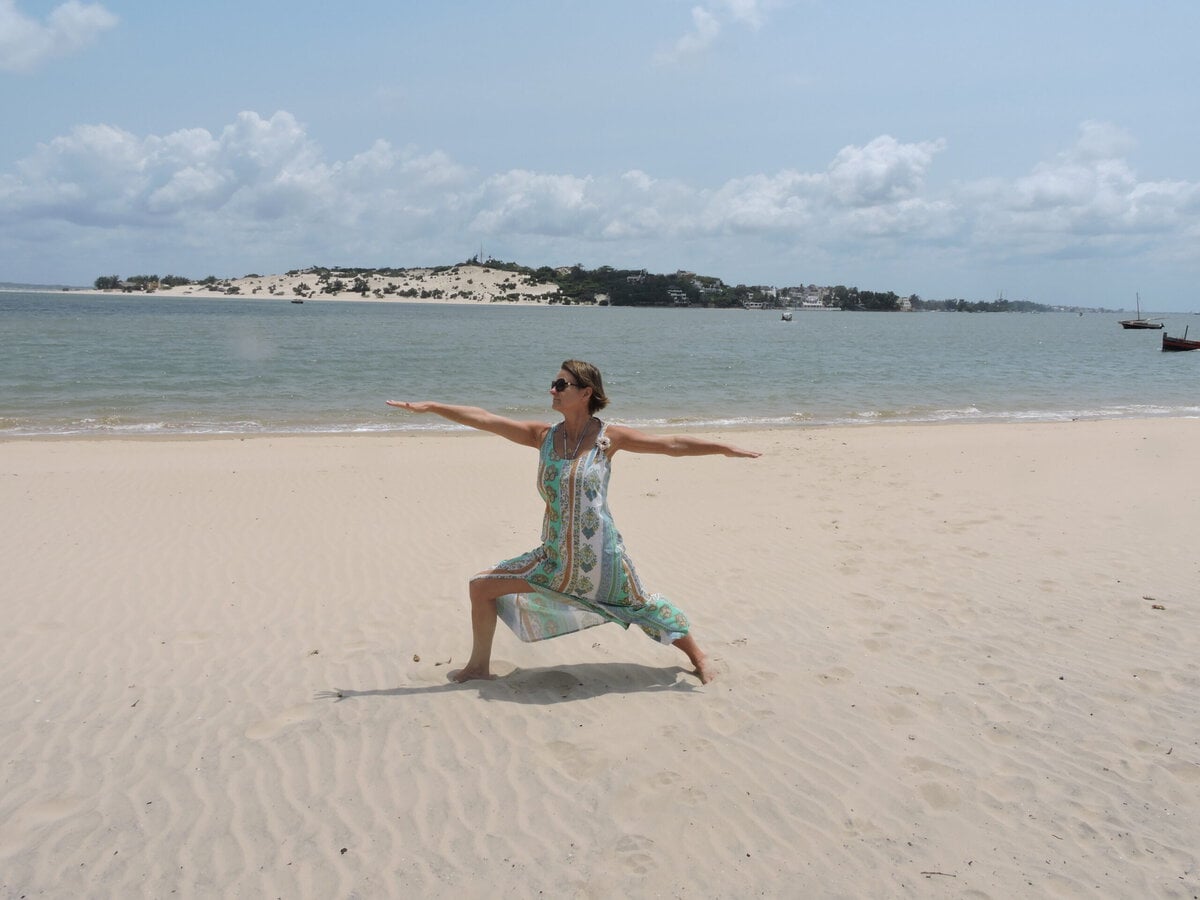
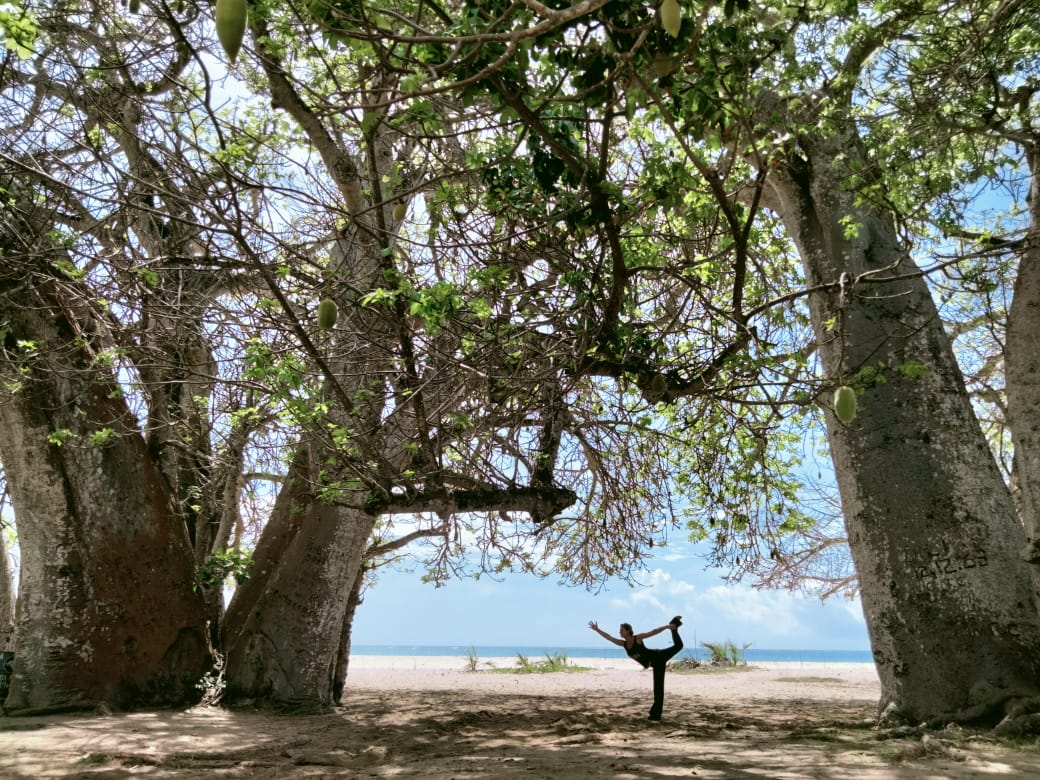
Dawn meditation on east-facing beaches allows travelers to sit in silence as the sky transitions from deep indigo to vibrant amber. As the ocean tide laps against the shore, the rhythmic sound of the waves aids breathwork and mental centering before daytime temperatures and humidity rise.
Marine Biodiversity at Kisite-Mpunguti Marine Park
Later in the day, traditional wooden dhows set sail from Shimoni toward the Kisite-Mpunguti Marine Park, a protected 39-square-kilometer marine sanctuary off Wasini Island. The waters here are renowned for pods of wild bottlenose and humpback dolphins. While responsible tourism guidelines dictate that visitors observe these marine mammals respectfully from the vessel rather than aggressively pursuing or touching them in the water, snorkeling excursions over the coral reefs offer close encounters with green sea turtles, colorful reef fish, and pristine coral gardens. This dynamic shift from silent beach meditation to active marine exploration provides the ultimate psychological contrast.
Crafting the Itinerary: Logistics and Sequencing
Designing a seamless 10-to-14-day itinerary across these three distinct climates requires careful logistical planning to prevent transit fatigue from overshadowing the wellness components. Industry experts recommend the following sequential flow:
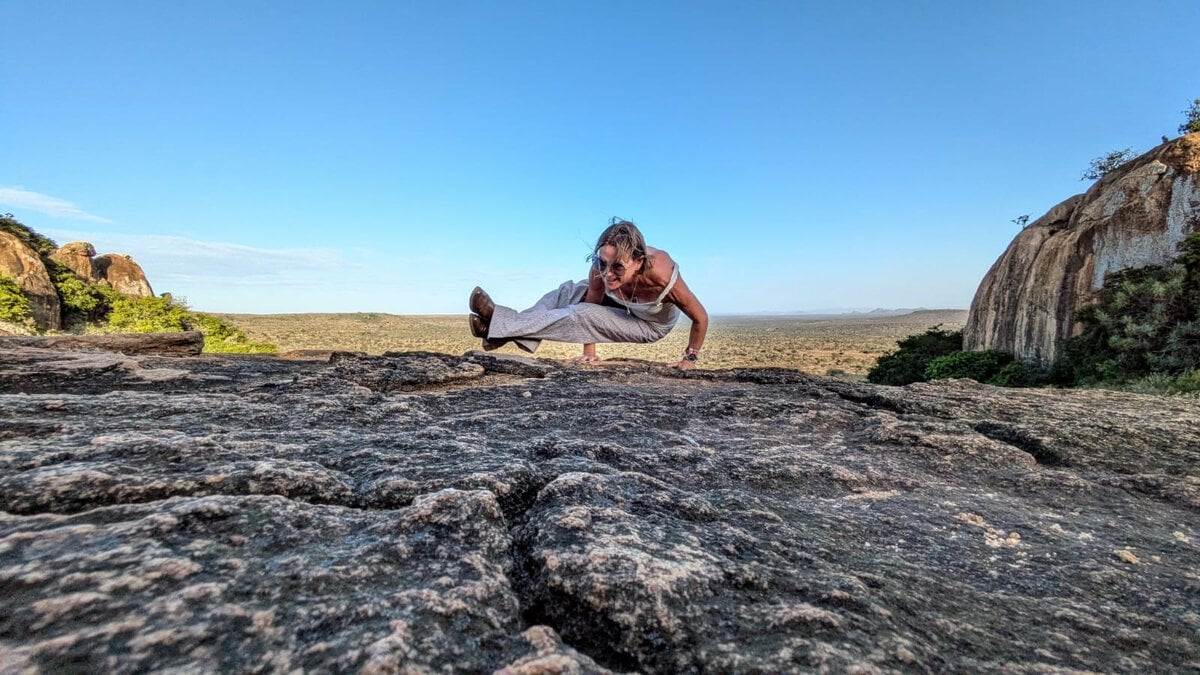
- Arrival and Acclimatization (Nairobi / Mount Kenya): Begin on the forested slopes of Mount Kenya to ease into the country’s time zone, engage in light hiking, and establish a foundation of mountain yoga.
- The Wilderness Phase (Masai Mara): Transition to the savannah for wildlife tracking, game walks, and evening spa treatments overlooking the plains.
- The Coastal Finale (South Coast): Conclude the journey on the Indian Ocean, dedicating the final days to beach meditation, dhow sailing, and marine conservation experiences.
Travelers must build dedicated buffer days into their schedules, particularly between the mountain and the coast, to allow the body to adjust safely to the dramatic shifts in altitude, barometric pressure, and humidity.
Practical Information for Travelers
Best Time to Visit
Kenya functions as a year-round destination, though optimal weather varies by region rather than a singular national calendar. The dry seasons (January to March and July to October) offer ideal conditions for wildlife viewing and mountain trekking, while the coastal region remains warm and tropical throughout the year.
Managing Multiple Climates
Packing requires strategic versatility. A successful wardrobe must accommodate:
- The Plains: Lightweight, breathable layers for intense midday heat and cool early morning game drives.
- The Mountain: Thermal layers, windbreakers, and sturdy, broken-in hiking boots to combat nightly frosts.
- The Coast: Swimwear, reef-safe sunscreen, and loose, airy garments for high humidity.
Transportation Infrastructure
To maximize relaxation and minimize time lost in transit, utilize domestic air charters or coordinate overland transfers through licensed operators. For travelers opting for scenic overland routes from Nairobi to the coast, the Madaraka Express passenger train operates daily services to Mombasa, taking approximately 5 to 6 hours with economy tickets priced around KSh 1,500 and first-class fares at KSh 4,500.
Entry Requirements and Health Preparations
Most international visitors require an approved Electronic Travel Authorization (ETA) prior to boarding flights to Kenya, which must be applied for online well in advance. Additionally, travelers should consult travel health specialists regarding routine vaccinations, malaria prophylaxis, and region-specific health precautions before embarking on an East African safari.
Frequently Asked Questions
How many days are recommended for a combined safari and beach holiday?
A standard safari and coast itinerary can be comfortably executed in 7 to 8 days. However, incorporating a mountain or highland wellness retreat necessitates extending the trip to 10 to 14 days to prevent exhausting transit schedules.
Is prior yoga or meditation experience required?
No prior experience is necessary. Wellness instructors at partner lodges routinely adapt their practices to accommodate all skill levels, tailoring rigorous flows or gentle restorative sessions to the specific needs of the group.
Can visitors swim directly with wild dolphins?
Conservation guidelines prioritize the welfare of marine wildlife. Operators facilitate respectful distance viewing from traditional dhows, while swimming and snorkeling are conducted within designated coral reef zones of marine parks where green turtles and tropical fish are prevalent.
Is summiting Mount Kenya mandatory for a wellness trip?
Not at all. Comprehensive wellness itineraries intentionally bypass technical mountain climbing, focusing instead on accessible day hikes through the lower forested slopes and alpine meadows.