The Secret Tide: Why Noirmoutier and the Vendée Coast Represent the New Frontier of French Coastal Luxury

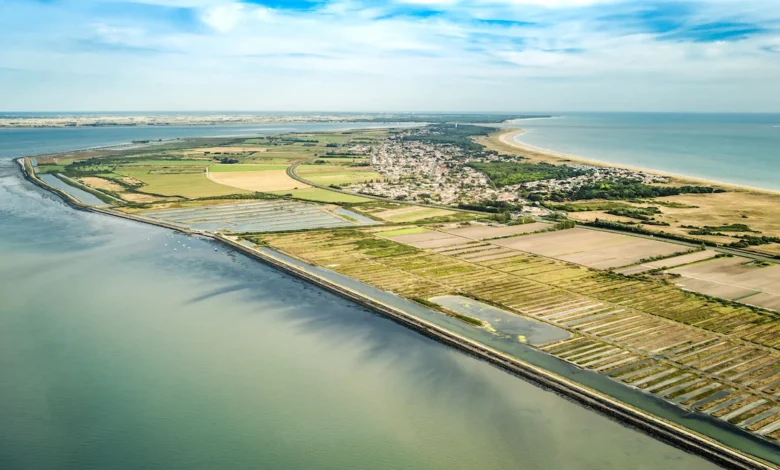
Twice a day, the Atlantic Ocean performs a rhythmic, liquid vanishing act, revealing the Passage du Gois—a 2.5-mile natural causeway that serves as the only terrestrial tether between the French mainland and the island of Noirmoutier-en-l’Île. This tidal road, which remains submerged for the majority of the day, acts as a natural gatekeeper, insulating the island from the frenetic pace of modern tourism. While global travelers frequently gravitate toward the established glitz of the Côte d’Azur or the fashionable shores of Biarritz, a growing cohort of discerning visitors is looking toward the Vendée department, seeking an understated, authentic, and profoundly quiet luxury.
The Geography of Exclusion: The Passage du Gois
The Passage du Gois is more than a mere thoroughfare; it is a geological anomaly that has defined the character of Noirmoutier for centuries. Connecting the mainland commune of Beauvoir-sur-Mer to the island, the road is accessible only during low tide, usually for a window of one to three hours depending on the lunar cycle.
Historically, this passage was the only way to reach the island before the construction of a modern bridge in 1971. Today, while the bridge provides consistent access, the Gois remains a cultural touchstone. For the local population and repeat visitors, the "bouncing" of the tide acts as a natural curfew. It enforces a slower pace of life, where schedules are dictated by the lunar calendar rather than the demands of a high-speed world. This inherent exclusivity—enforced by the ocean itself—has protected the island from over-development, preserving its pine-fringed dunes and salt marshes in a state that feels increasingly rare in 21st-century Europe.
Gastronomy as a Local Religion
Noirmoutier’s reputation as a culinary destination is not built on international chains or imported delicacies, but on an almost militant adherence to hyper-locality. The island’s economy is deeply intertwined with its natural yields, specifically its sea salt and its world-renowned potatoes.
The "La Bonnotte" potato, which grows in the sandy, iodine-rich soil of the island, is widely considered the most expensive potato on the planet. Its cultivation is a testament to agricultural precision; the tubers are harvested in a short, intense window during May. Because the crop is fragile and limited in quantity, prices at auction have historically climbed to as much as $600 per kilogram. This premium is not merely for the rarity of the tuber, but for its unique, delicate flavor profile, often described by gourmands as possessing notes of lemon and sea salt.

Beyond the fields, the island’s maritime bounty is curated by chefs such as Alexandre Couillon of La Marine. Holding three Michelin stars, the restaurant operates on a philosophy of absolute proximity. Seafood is sourced directly from the fish auction house located mere steps away, while vegetables are plucked from the chef’s own organic kitchen garden. For those wishing to secure a table, the logistical planning required—with reservations often opening years in advance—reflects the global demand for this specific, island-centric culinary experience.
The Oyster Economy of La Guérinière
The commune of La Guérinière serves as the epicenter of the island’s oyster farming tradition. The Gendron family, operators of Les Petits Bassets, have successfully pivoted toward "experiential hospitality" by repurposing traditional oyster huts into seasonal tasting cabins, such as Le Bouclard.
This shift from purely industrial production to direct-to-consumer culinary tourism is emblematic of the broader economic trend in the Vendée. By inviting visitors to tour the salt marshes and oyster beds with the harvesters themselves, the producers are creating a transparent supply chain. This transparency allows the consumer to appreciate the biological complexity of the environment—specifically the influence of the Atlantic tides on the flavor profile of the shellfish—while ensuring that the economic benefits of tourism remain within the local community.
Architectural Preservation and the Bois de la Chaise
On the northeastern coast of the island lies the Bois de la Chaise, a protected pine forest that serves as a living museum of 19th-century architectural history. During the Belle Époque, the island became a favored summer retreat for the French aristocracy and the merchant class of Nantes. This period of prosperity left behind grand, white-painted villas that remain in the possession of families who have held these properties for generations.
Unlike the rapidly changing landscapes of other coastal regions, the Bois de la Chaise has avoided the encroachment of modern, high-density residential developments. Regulations governing these lands prioritize the preservation of the landscape, ensuring that the visual character of the coastline remains unchanged. Plage des Dames, with its iconic white wooden beach huts, remains one of the few places in Western Europe where one can find a sense of absolute seclusion during the height of the summer season.
The Vendée: A Region of Resilience and Light
As climate trends shift, leading more travelers to look north of the Mediterranean, the Vendée is emerging as a critical alternative. Known as the Côte de Lumière (Coast of Light) due to its high annual sunshine hours, the region offers a geography that is as varied as it is expansive. Stretching 155 miles, the coastline is home to diverse ecosystems, from the sand dunes of the islands to the inland marshes known as "Green Venice."

This region is also home to significant cultural and industrial markers. Most notably, the city of Les Sables d’Olonne is the departure point for the Vendée Globe, a non-stop, solo, round-the-world sailing race. This event, which occurs every four years, highlights the region’s long-standing relationship with the ocean. The race is widely considered the pinnacle of solo sailing, attracting the world’s most elite navigators and underscoring the rugged, adventurous spirit of the Vendée coastline.
St. Gilles Croix de Vie: The Sardine Capital
The town of St. Gilles Croix de Vie provides a distinct contrast to the quiet exclusivity of Noirmoutier. As a Site Remarquable du Goût, the town has built its identity around the sardine. The sardine industry here is not merely a commercial activity; it is a celebrated heritage. The spring sardine festival and the dedicated L’Atelier de la Sardine museum serve to educate visitors on the history of the canning industry, which once sustained the region’s economy.
The town has integrated this history into its tourism infrastructure, including a 1.5-mile walking trail marked with blue sardine icons that guide visitors through 14 sites of historical significance. This approach to "heritage tourism" ensures that visitors understand the labor and history behind their food, reinforcing the region’s commitment to local industry.
Broader Implications and Future Outlook
The Vendée’s trajectory suggests a move toward sustainable, high-value, low-impact tourism. While the South of France struggles with the environmental and social pressures of mass tourism, the Vendée maintains a model of "quiet luxury." By leaning into its festivals, its agricultural traditions, and its environmental regulations, the region has created a product that appeals to a demographic seeking authenticity over artifice.
However, the challenge for the region remains balancing the influx of capital from second-home buyers—mostly from Paris and Nantes—with the needs of the permanent, working-class population. The high cost of real estate, particularly in areas like the Bois de la Chaise, mirrors broader European trends of displacement in coastal zones. Nevertheless, the emphasis on local festivals, such as the various celebrations of chocolate, flowers, and astronomy, suggests that the region is committed to maintaining a cohesive, year-round community culture.
In summary, the Vendée—and specifically the island of Noirmoutier—represents a shift in the definition of a high-end destination. It is a place where "luxury" is measured not by the density of five-star resorts, but by the ability to access a quiet, pristine, and historically rich environment. As the Passage du Gois emerges and recedes with the rhythm of the Atlantic, it serves as a constant reminder that the most exclusive experiences are often those that require the traveler to adapt to the natural order, rather than demanding the environment adapt to them.