Arizona, often referred to as the Grand Canyon State, occupies a unique position in the American Southwest, defined by its stark geological contrasts, rich cultural heritage, and rapidly expanding urban centers. Spanning over 113,990 square miles, the state serves as a primary hub for both domestic and international tourism, drawing millions of visitors annually to its diverse landscapes—ranging from the high-altitude ponderosa pine forests of the north to the arid, saguaro-studded Sonoran Desert in the south. This report examines the primary destinations, their historical contexts, and the economic implications of Arizona’s tourism sector.
The Geological and Historical Significance of the Grand Canyon
At the center of Arizona’s tourism profile is the Grand Canyon National Park. Formed over six million years by the erosion of the Colorado River, the canyon provides an unparalleled window into Earth’s geological history, exposing nearly two billion years of rock strata. Since its designation as a National Park in 1919, the site has evolved into a cornerstone of the state’s identity.
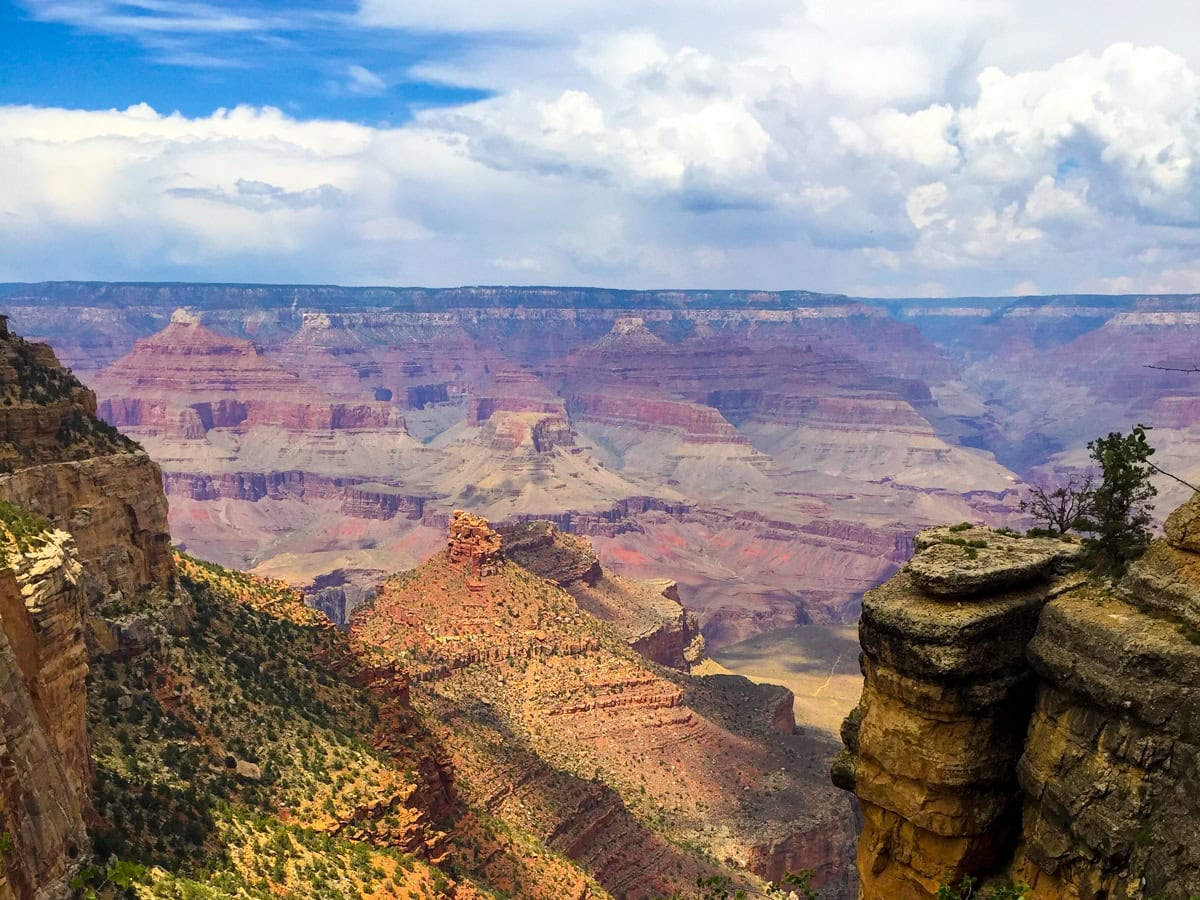
Statistical data from the National Park Service indicates that the South Rim, situated roughly 90 minutes from Flagstaff and four hours from Phoenix, consistently hosts the vast majority of the park’s five million annual visitors. The infrastructure surrounding the park, including the historic Bright Angel Lodge and the transit hub of Williams, reflects the early 20th-century development of the American West. The West Rim, managed in part by the Hualapai Tribe, offers a distinct experience, featuring the Grand Canyon Skywalk, a horseshoe-shaped glass bridge that extends 70 feet over the canyon floor, providing a unique vantage point that has become a focal point for day-trippers traveling from Las Vegas.
Urban Development and the Phoenix Metropolitan Area
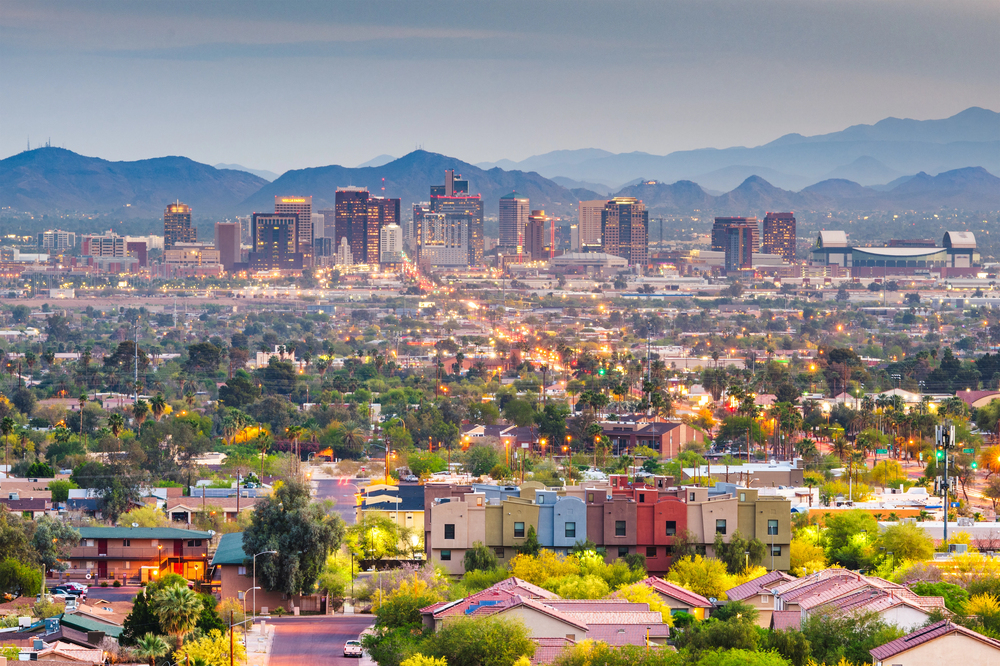
Phoenix, the state capital and the fifth-most populous city in the United States, represents the economic engine of Arizona. As a sprawling metropolis, Phoenix serves as the administrative and cultural hub of the Valley of the Sun. Recent census data shows the metropolitan population exceeding 4.8 million residents, a growth trajectory that has catalyzed the development of world-class cultural institutions, including the Musical Instrument Museum and the Heard Museum, which specializes in Native American art and history.
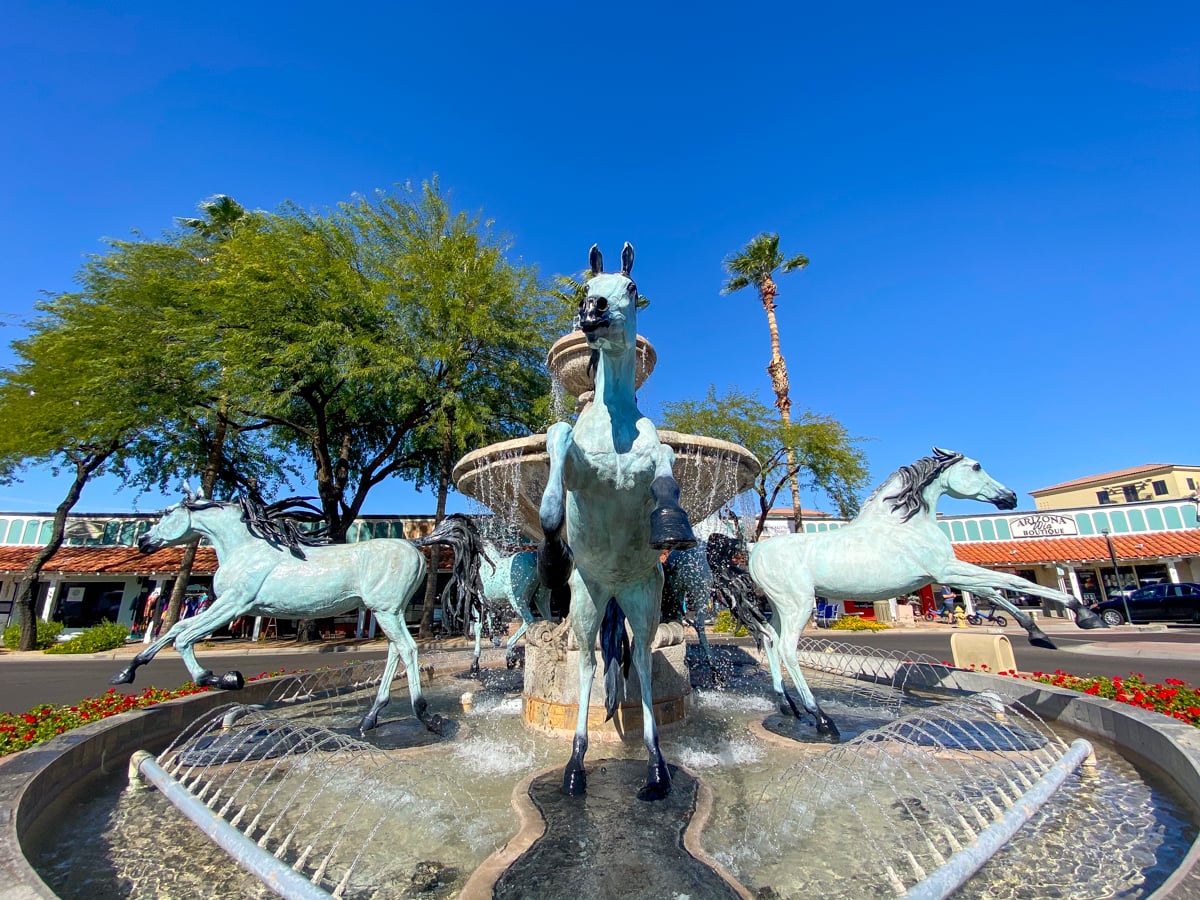
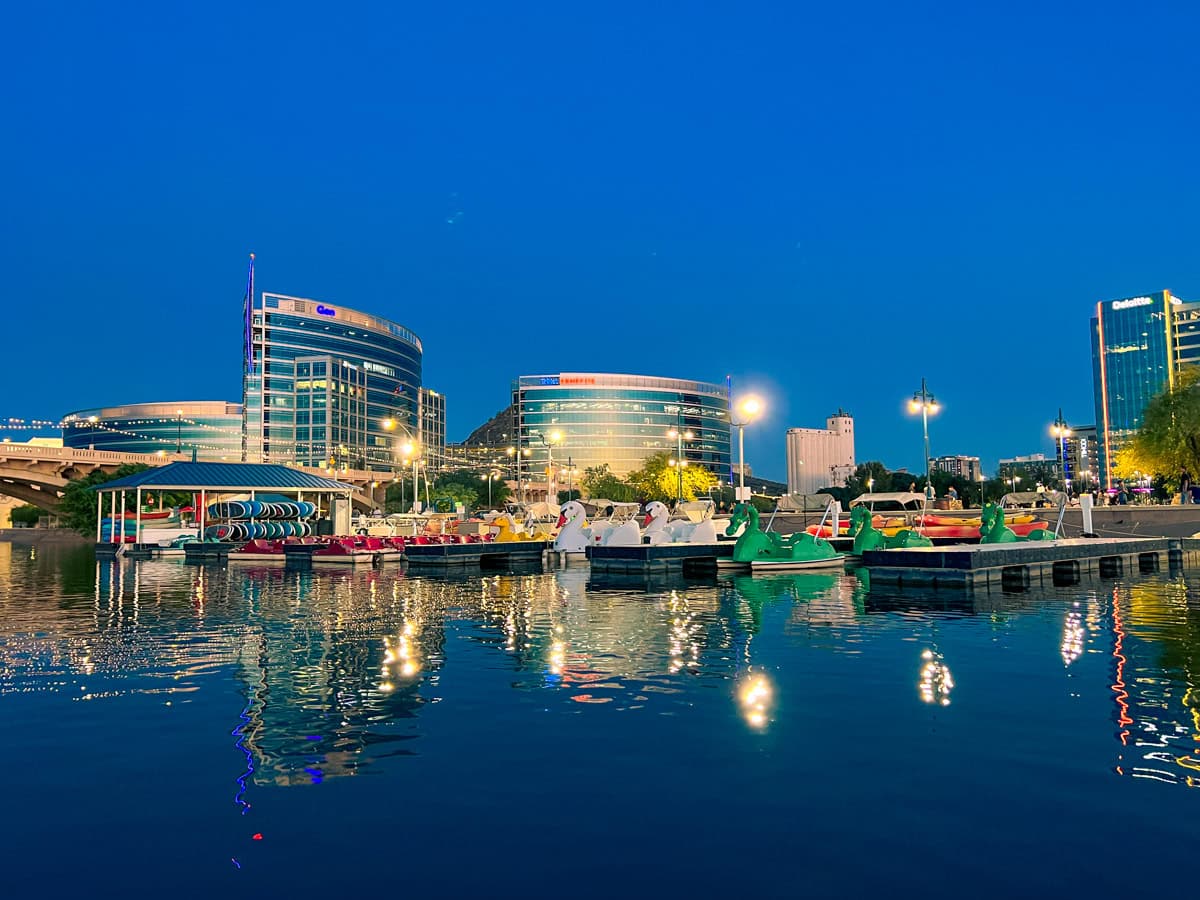
The adjacent city of Tempe, anchored by Arizona State University, functions as a secondary economic node. The university, which currently enrolls over 140,000 students across its campuses, drives significant regional activity. Tempe Town Lake, a man-made reservoir created in 1999, has successfully transformed a dry riverbed into a central recreational corridor, illustrating the state’s broader strategy of integrating water-based recreation into desert urban planning.
Northern Arizona: Climate and Cultural Diversification
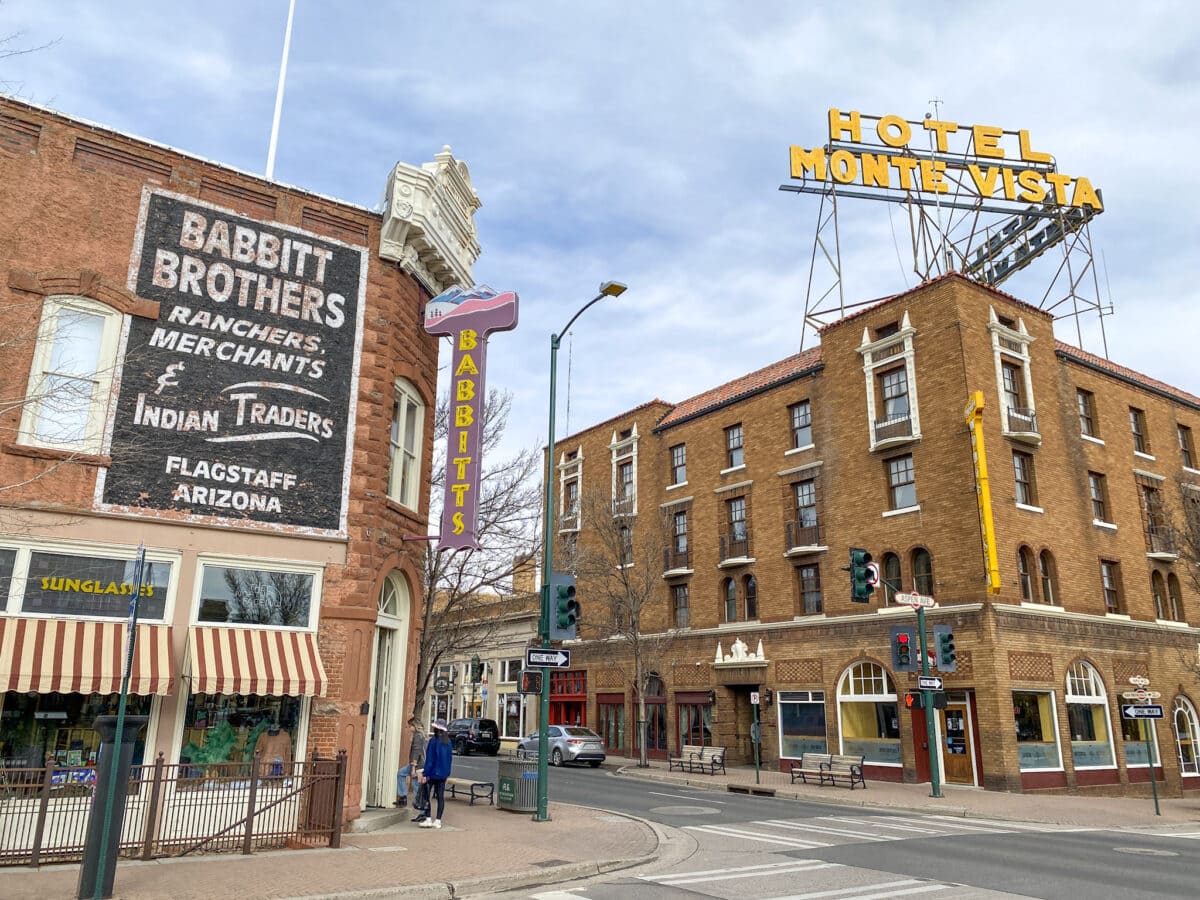
While the southern regions are characterized by extreme heat, Northern Arizona offers a distinct climate, with Flagstaff serving as the gateway to the Colorado Plateau. Sitting at an elevation of 7,000 feet, Flagstaff experiences a four-season climate, making it the state’s primary destination for winter sports and summer mountain tourism.
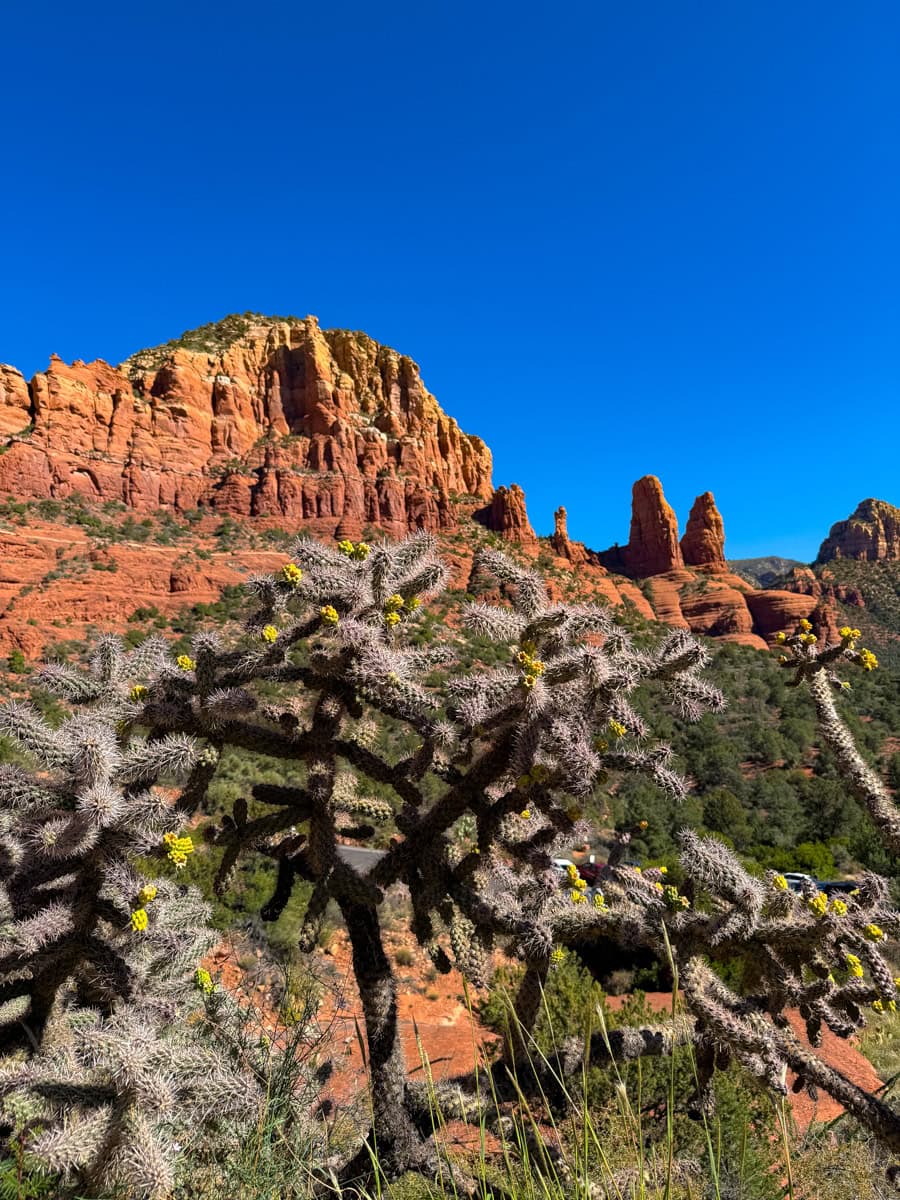
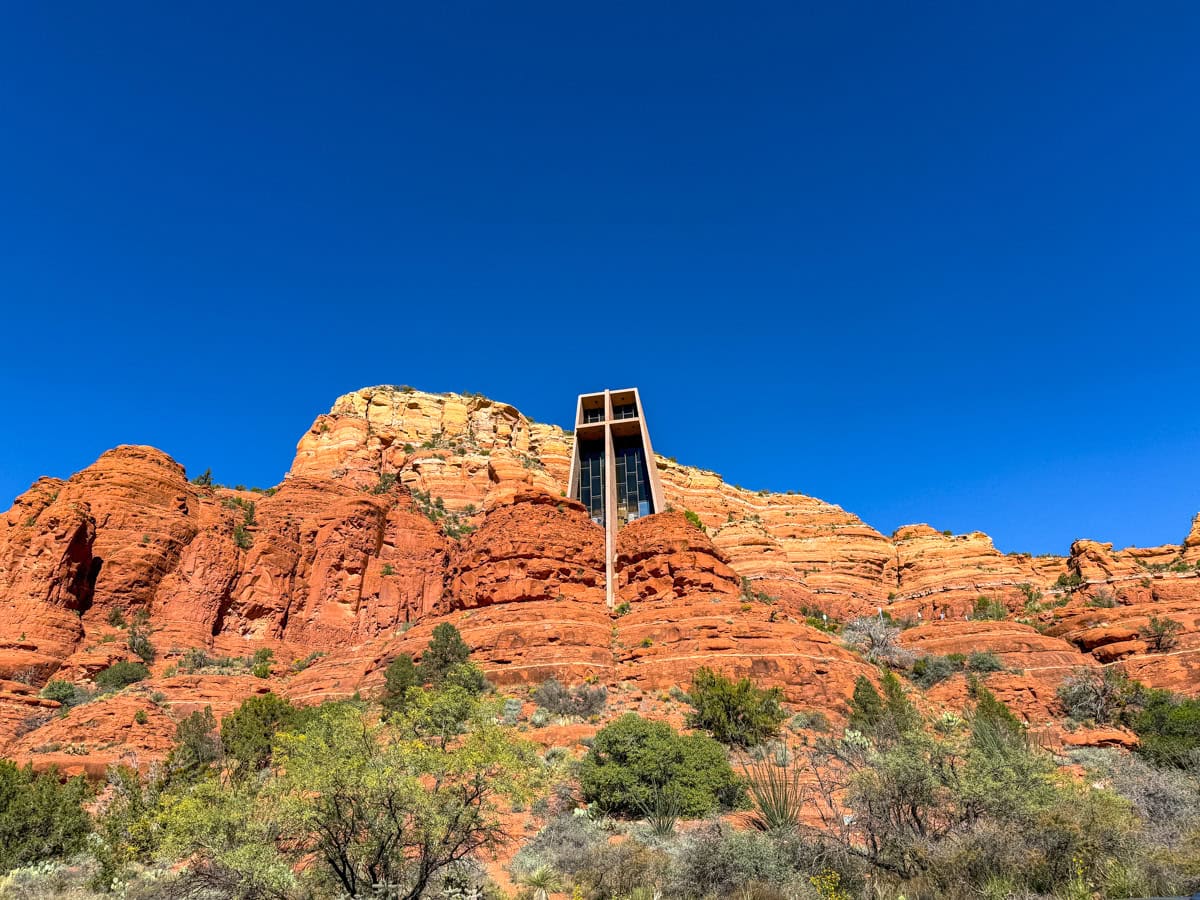
The nearby city of Sedona, world-renowned for its red rock formations, has become a global destination for both recreational hikers and those interested in the cultural phenomenon of "energy vortices." Geologically, the shift from the Sonoran Desert to the high-desert vegetation—juniper, agave, and pinyon pine—marks the transition into the plateau country. Sedona’s economy, once reliant on ranching and mining, has successfully pivoted to a high-end tourism model, supported by luxury infrastructure and proximity to Slide Rock State Park, a site that showcases the intersection of environmental preservation and public access.
Historical Preservation and the Mining Legacy
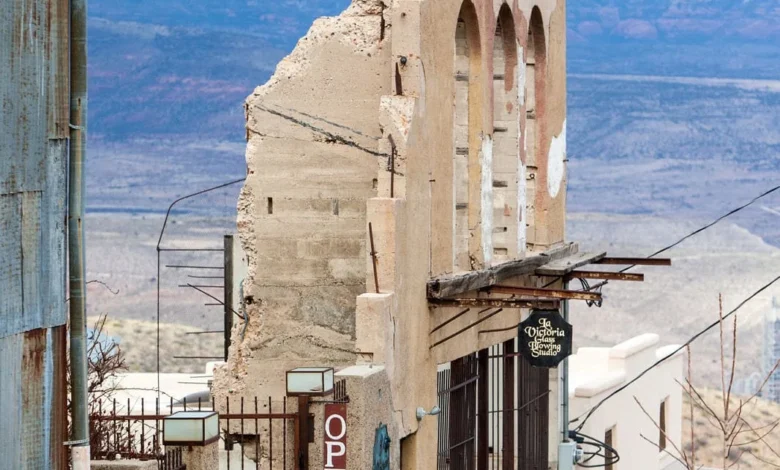
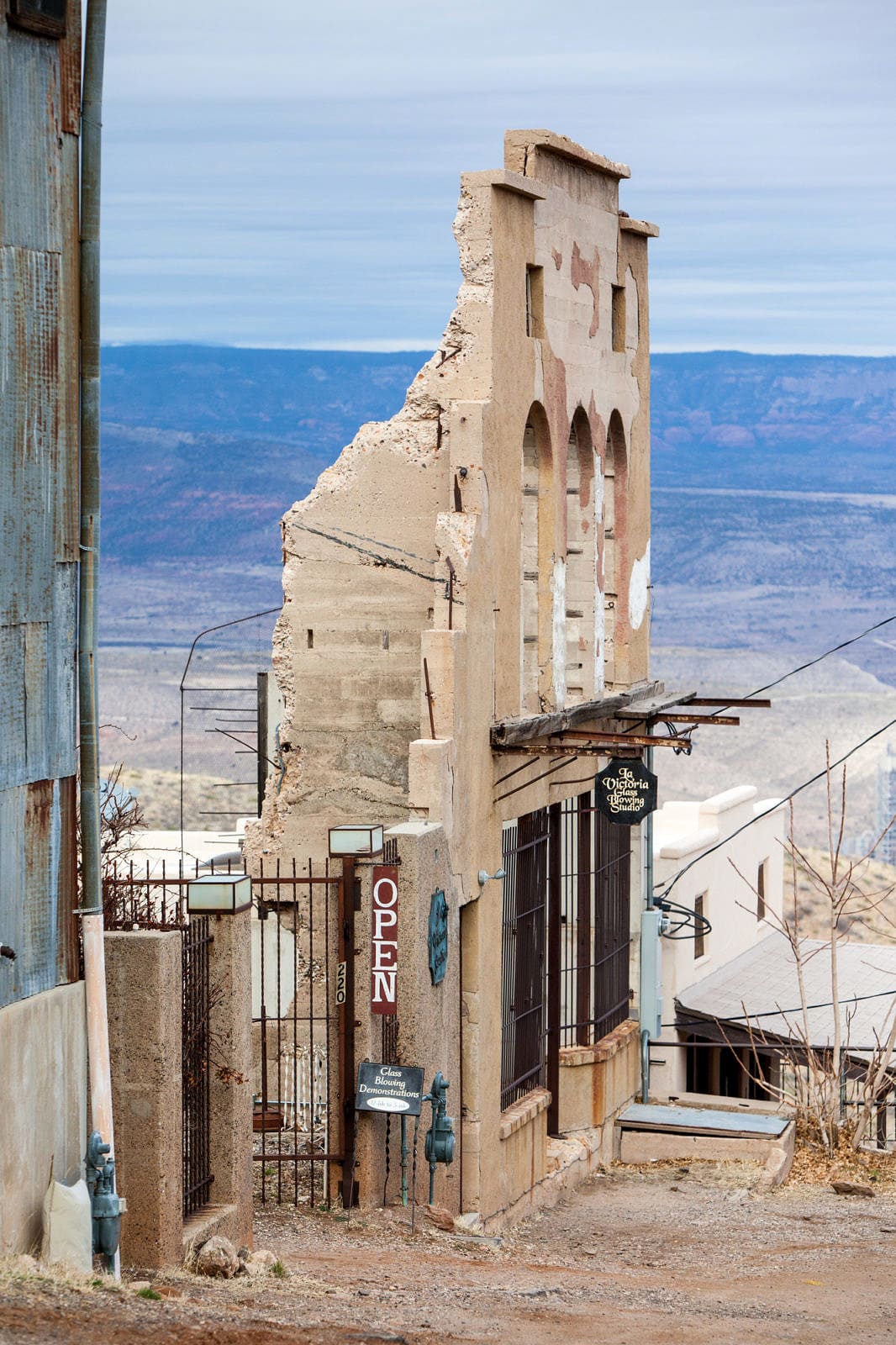
Arizona’s history is inextricably linked to the "Copper Era," a period of intense mining that defined the late 19th and early 20th centuries. Towns such as Jerome and Bisbee offer critical insights into this industrial past. Jerome, once known as the "Wickedest Town in the West," experienced a population collapse following the closure of its mines in 1953, with its resident count plummeting from 15,000 to a few hundred. Today, these towns serve as National Historic Districts, where the preservation of Victorian-era architecture and mining infrastructure provides a tangible connection to the state’s frontier development.
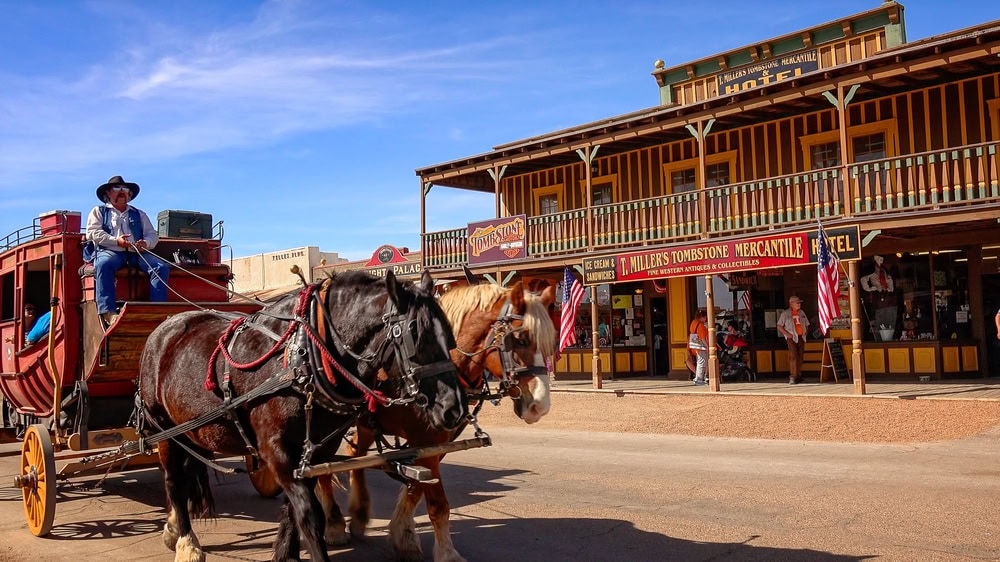
Similarly, Tombstone—the site of the 1881 gunfight at the O.K. Corral—continues to operate as a living museum of the Old West. The town’s focus on historical reenactment and preservation of the Allen Street streetscape provides a significant economic stimulus for Cochise County, demonstrating the long-term viability of heritage-based tourism.

The Northern Frontier: Page and the Navajo Nation
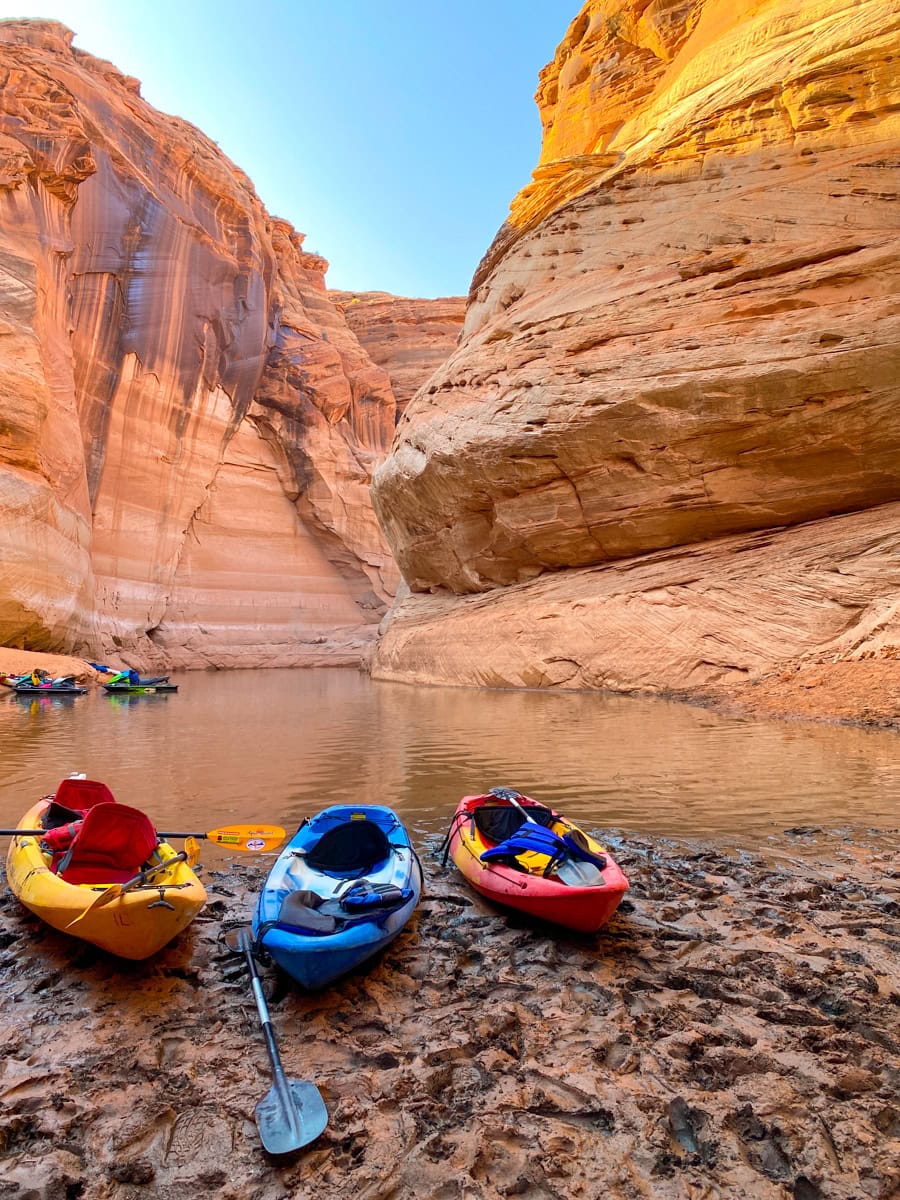
Page, located in the northernmost reaches of the state, represents a significant success story in collaborative land management. Situated near the Utah border, Page acts as the access point for Antelope Canyon and Horseshoe Bend. These sites, located on Navajo Nation land, require careful management to balance high tourist volume with environmental and cultural sensitivities. The collaboration between local tribal governments and federal agencies ensures that these natural landmarks remain protected while providing essential economic revenue to the Navajo Nation.
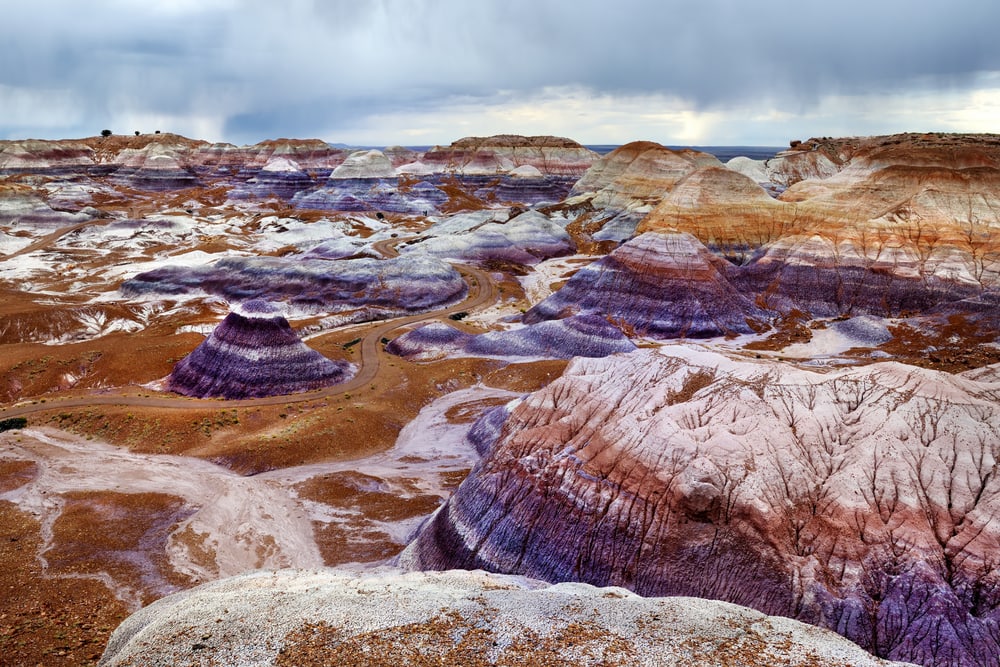
Furthermore, the Petrified Forest National Park in northeastern Arizona offers a unique pedagogical perspective on deep time. The park’s 28-mile scenic drive allows visitors to traverse the Painted Desert, where the unique mineral composition of the landscape creates a vivid, shifting color palette. This area, located near the town of Holbrook, remains one of the more remote, yet essential, components of the state’s national park system.
Analysis of Economic Implications
The tourism sector is a vital component of Arizona’s gross domestic product. According to recent reports from the Arizona Office of Tourism, the industry generates billions in tax revenue, which supports state infrastructure, public education, and conservation efforts. The diversification of these destinations—from the luxury resort markets in Scottsdale to the outdoor-focused economies of Flagstaff and Page—provides a resilient framework that protects the state against sectoral downturns.
The integration of "bleisure" (business and leisure) travel, particularly in the Phoenix and Scottsdale areas, has led to an increase in long-term stays at high-end properties like the Fairmont Scottsdale Princess. This shift suggests that Arizona’s appeal is moving beyond traditional vacationing toward a more holistic integration of work, lifestyle, and tourism.
Challenges and Future Considerations
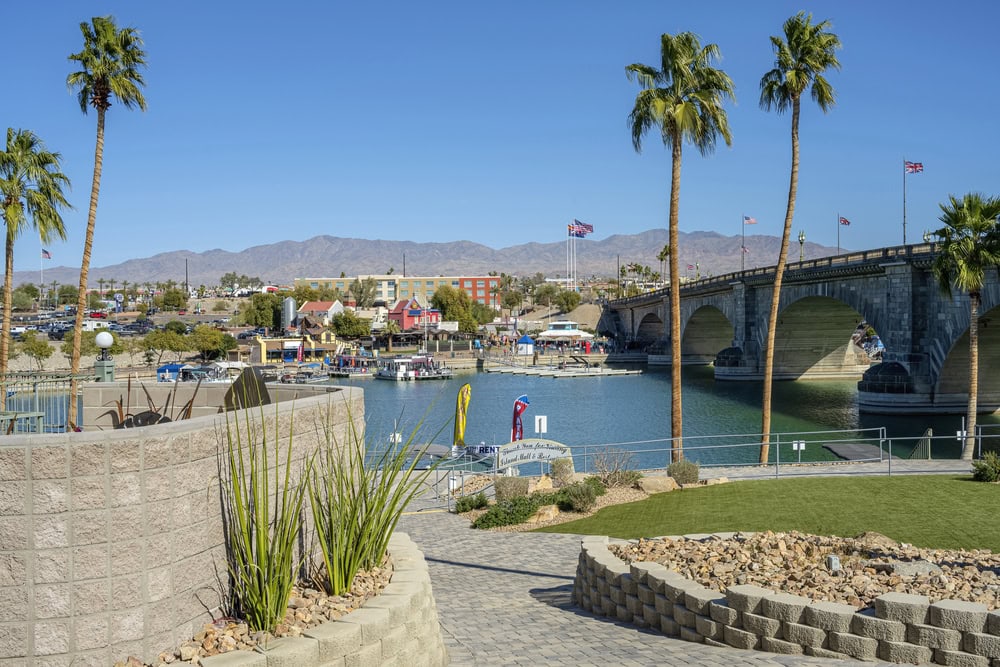
Despite its robust growth, Arizona faces significant challenges, primarily concerning water security and climate change. The reliance on the Colorado River for both residential consumption and tourism-based recreation (such as at Lake Powell and Lake Havasu) requires long-term water management strategies. Furthermore, the rising temperatures in the desert valleys have prompted a shift in travel patterns, with peak visitor seasons increasingly concentrated in the spring and autumn months to avoid the extreme heat of mid-summer.
The sustainability of these destinations depends on the continued cooperation between state, federal, and tribal stakeholders. As the state moves toward 2030, the focus remains on enhancing infrastructure while preserving the delicate ecological balance of the Sonoran Desert and the Colorado Plateau.
Conclusion
Arizona continues to be a premier destination due to its ability to offer a diverse array of experiences within a relatively compact geographical area. From the deep, silent majesty of the Grand Canyon to the bustling urban environment of Phoenix and the quirky, historical charm of towns like Bisbee and Jerome, the state offers a comprehensive cross-section of the American experience. As infrastructure continues to modernize and tourism management strategies become more sophisticated, Arizona remains a vital contributor to the regional identity of the American Southwest. The state’s success in balancing its industrial history with a forward-looking tourism model ensures its position as a global destination for decades to come.