Tracing the Legacy of Crocodile Dundee: Forty Years of Cultural and Ecological Stewardship in Kakadu National Park

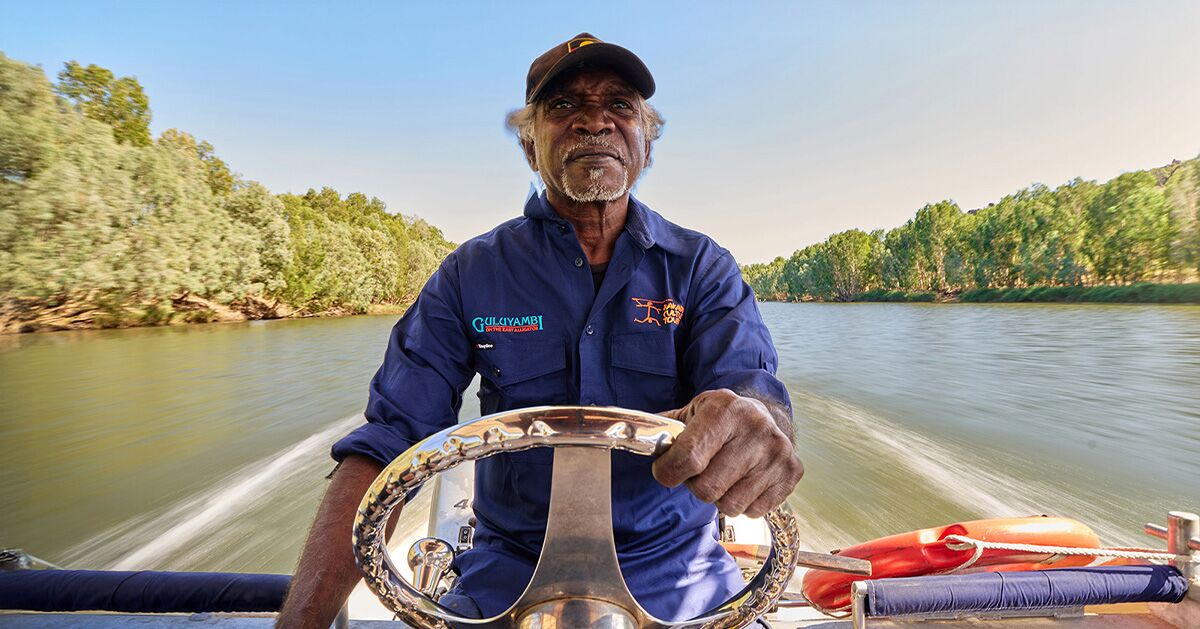
The 1986 release of Crocodile Dundee marked a watershed moment for Australian cinema, catapulting the Northern Territory into the global consciousness as the rugged, untamed heart of the Antipodes. As the film celebrates its 40th anniversary, the narrative surrounding this cinematic milestone has shifted from mere box-office triumph to a complex examination of cultural representation, environmental stewardship, and the enduring significance of Aboriginal Country. For the Traditional Owners of Kakadu National Park—the Bininj in the north and the Mungguy in the south—the film remains a double-edged sword: a pop-culture artifact that brought international attention to their ancestral lands, yet one that necessitated decades of work to ensure that the indigenous voice remains central to the region’s identity.
A Chronology of Cinematic Impact and Land Management
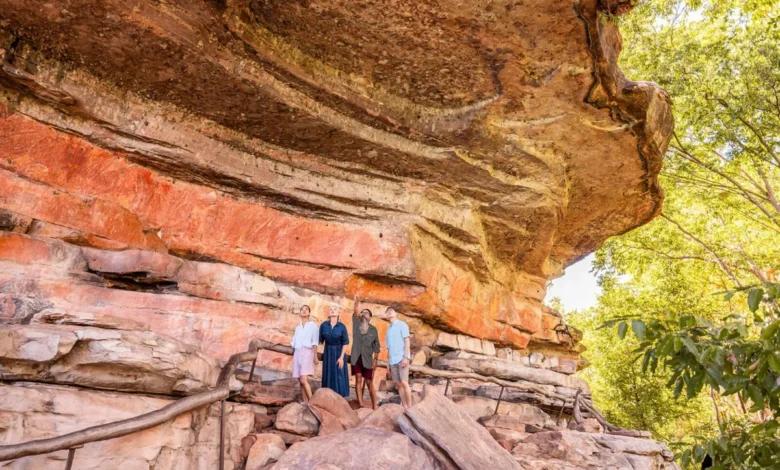
The production of Crocodile Dundee in the mid-1980s was an ambitious undertaking that required unprecedented cooperation between the Australian film industry and local Aboriginal families. Key locations—including the Ubirr rock art galleries, the sandstone formations of Burrungkuy (Nourlangie), and the pristine plunge pools of Gunlom—were selected for their visual majesty. However, the logistical challenges were immense. Producers, including the late John Cornell, were tasked with constructing rudimentary infrastructure in remote areas where none existed, effectively pioneering tourism access to regions that were previously inaccessible to the general public.
In 1988, the sequel’s production further embedded the crew into the Northern Territory’s landscape. This period marked a transition in how the region was perceived by outsiders; it was no longer just a backdrop for adventure but a living, breathing landscape with a history spanning over 65,000 years. Bill Neidjie, a respected Traditional Owner and grandfather of current cultural leaders like Natasha Nadji, played a pivotal role during this era. By acting as a liaison, Neidjie bridged the gap between the film’s production team and the local clans, ensuring that the filming process respected sacred sites and adhered to traditional protocols.
Data and Environmental Stewardship
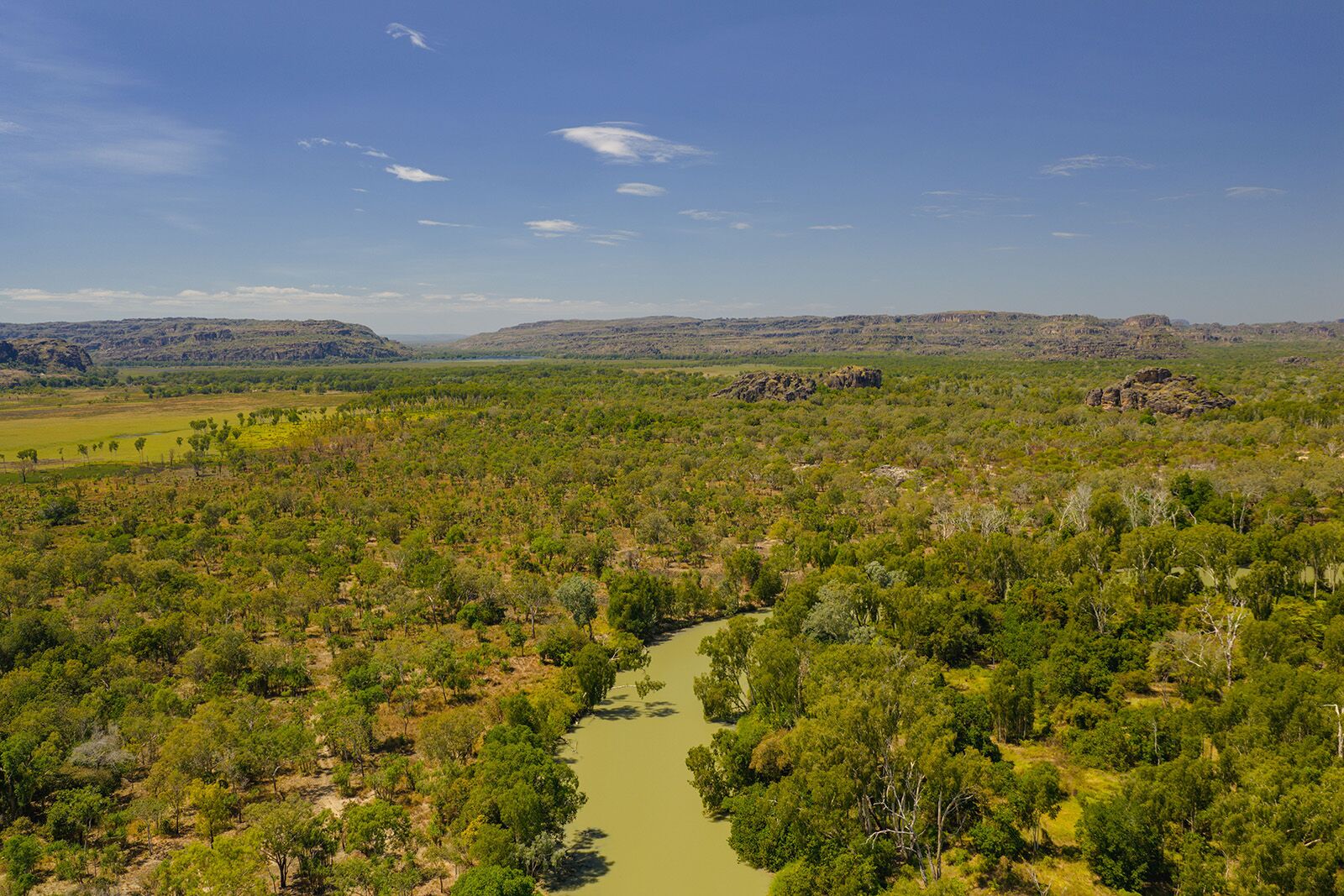
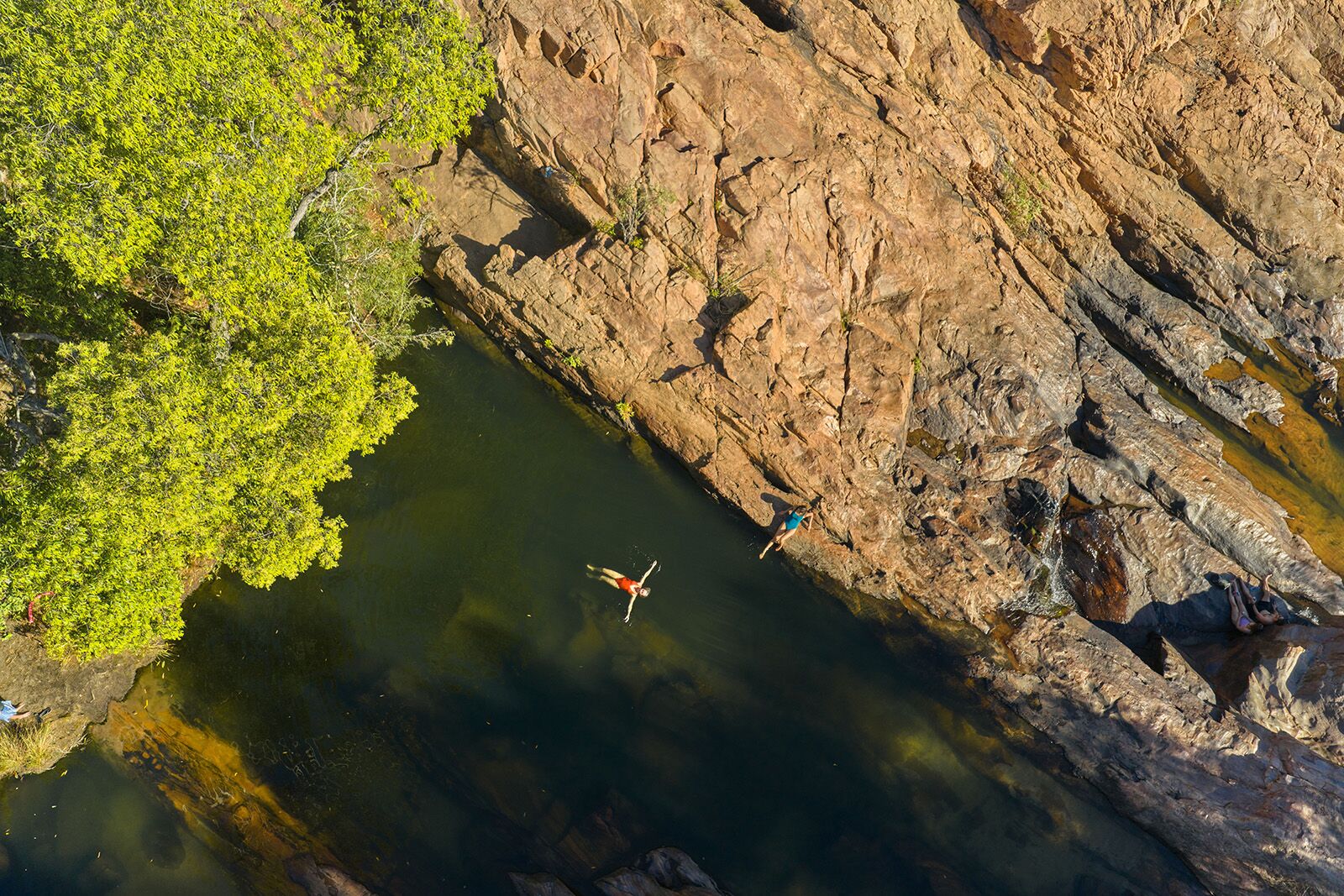
Kakadu National Park, a UNESCO World Heritage-listed site, covers nearly 20,000 square kilometers. The management of this vast area involves a delicate balance between catering to international tourism and preserving irreplaceable cultural heritage. According to park management data, the influx of visitors—partially stimulated by the "Dundee effect"—necessitated the development of sophisticated conservation measures.
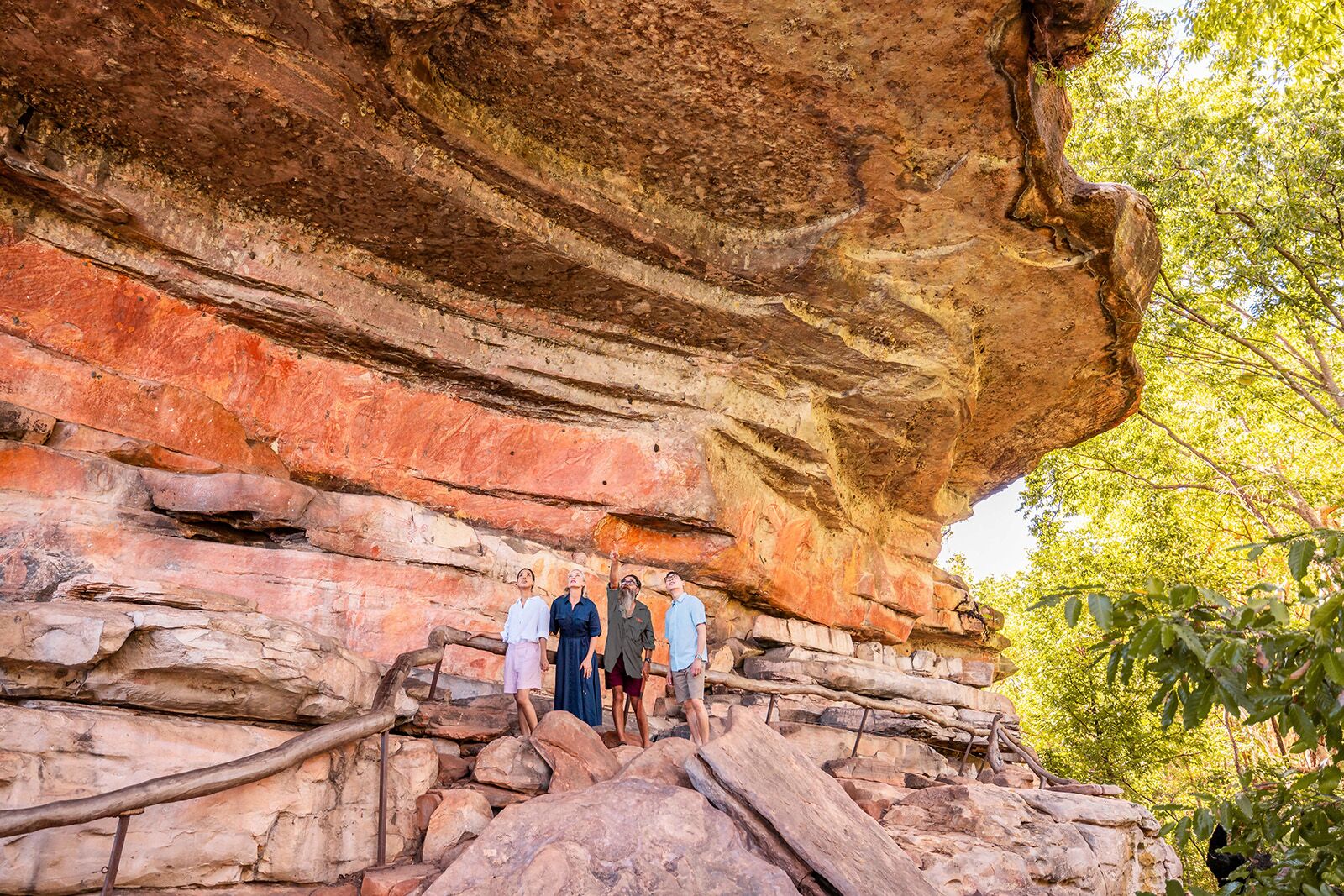
Mandy Muir, a guide with nearly four decades of experience, has been at the forefront of this conservation effort. Her work, alongside that of her peers, involves the technical maintenance of ancient rock art galleries. Techniques such as the installation of silicone drip lines are employed to mitigate the damage caused by the intense tropical monsoon seasons. Furthermore, the rising temperatures associated with climate change present a new, long-term threat to the integrity of the sandstone canvases. These conservation efforts are not merely aesthetic; they are essential for protecting the spiritual record of the Bininj and Mungguy people.
Cultural Representation and the Evolution of Narrative
The portrayal of Aboriginal people in the film has been a subject of academic and community discourse for decades. While critics have often pointed to the simplification of Aboriginal life within the film’s narrative, the perspective from within the community is nuanced. For many, the film serves as a historical document that captures a moment when their families were visible on a global stage.
Natasha Nadji characterizes the film as a "love story for Country," emphasizing that for the families involved, the screen reflects familiar faces and ancestral lands. The educational value of these interactions cannot be understated; stories passed down through generations—such as those of the Mimih spirits, the slender beings said to inhabit rock fissures—are now shared with visitors to provide a deeper understanding of the landscape. These narratives serve as a framework for the "caring for Country" philosophy, which mandates that every visitor and resident respect the ecological and spiritual boundaries of the region.
The Role of Cultural Institutions
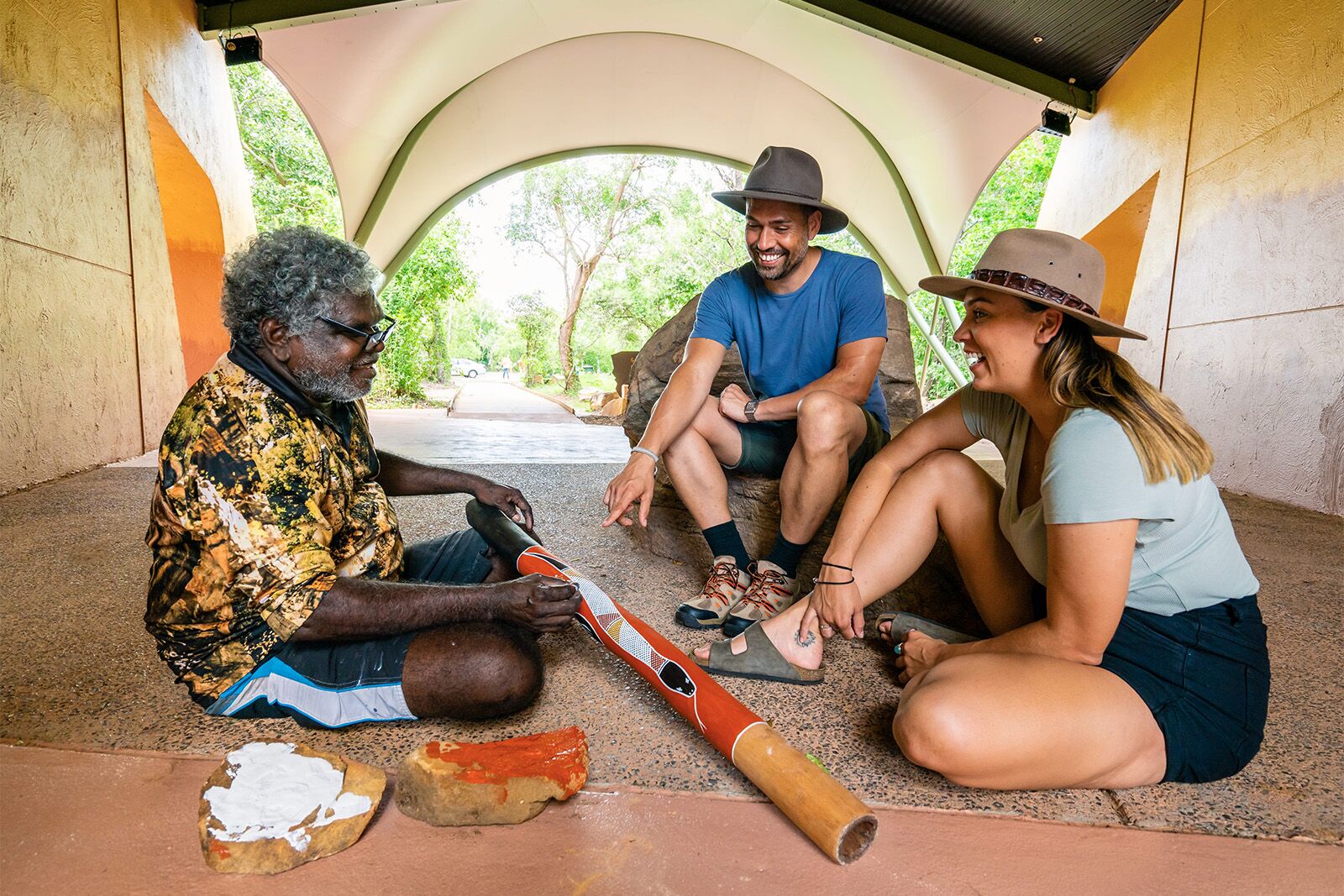
The establishment of the Warradjan Aboriginal Cultural Centre and the recent opening of the Larrakia Cultural Centre in Darwin reflect a broader trend toward institutionalizing indigenous knowledge. These centers act as custodians of personal and collective history, offering a counter-narrative to the romanticized version of the Outback seen on screen.
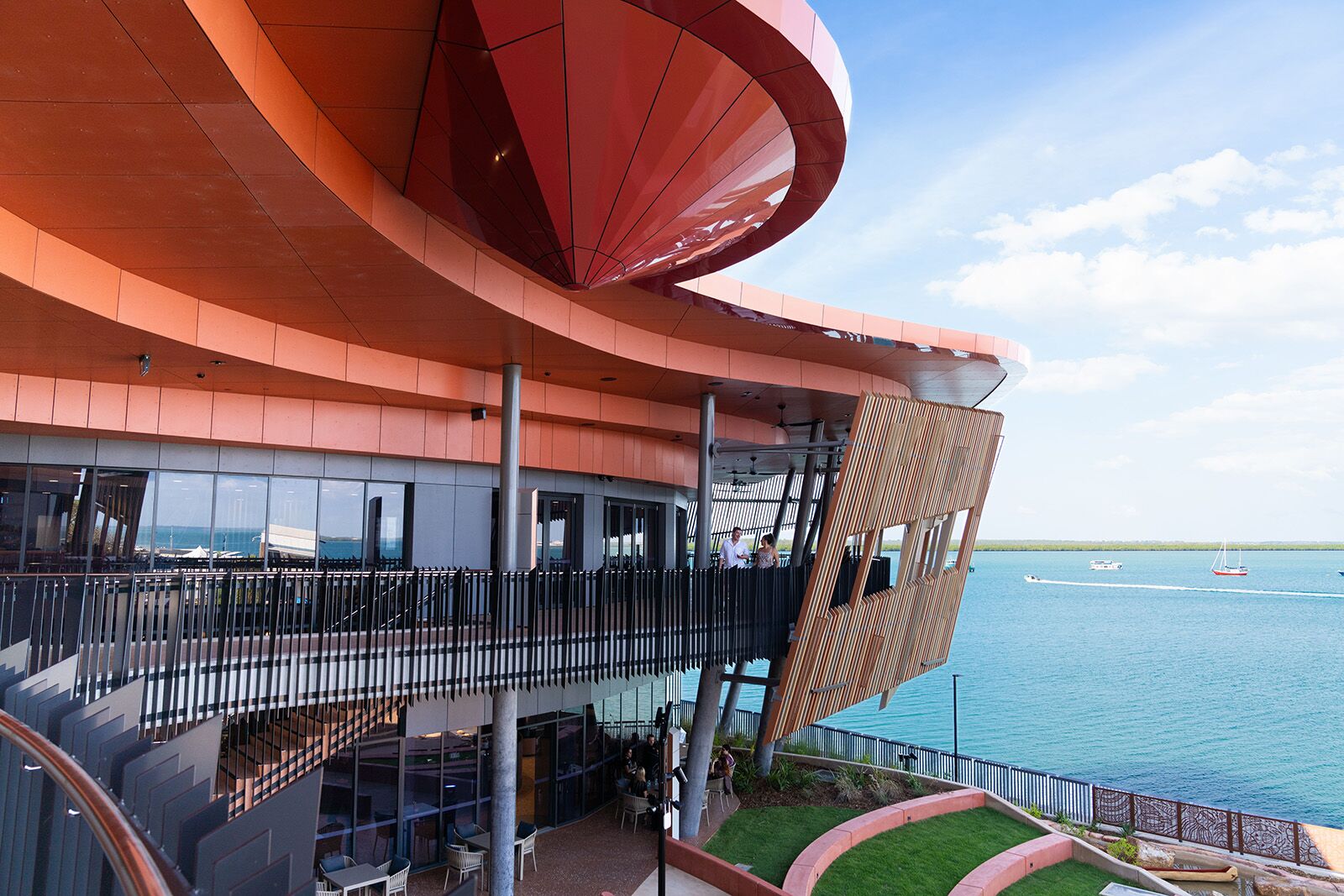
The Larrakia Cultural Centre, in particular, demonstrates the modern shift toward indigenous-led tourism. By showcasing cultural belongings, traditional tools, and oral histories, the center ensures that the narrative of Darwin and the surrounding territories remains under the stewardship of its Traditional Owners. Visitors are encouraged to engage with these institutions as a prerequisite to exploring the natural wonders of the park, fostering a more informed and respectful form of tourism.
Economic and Social Implications of Tourism
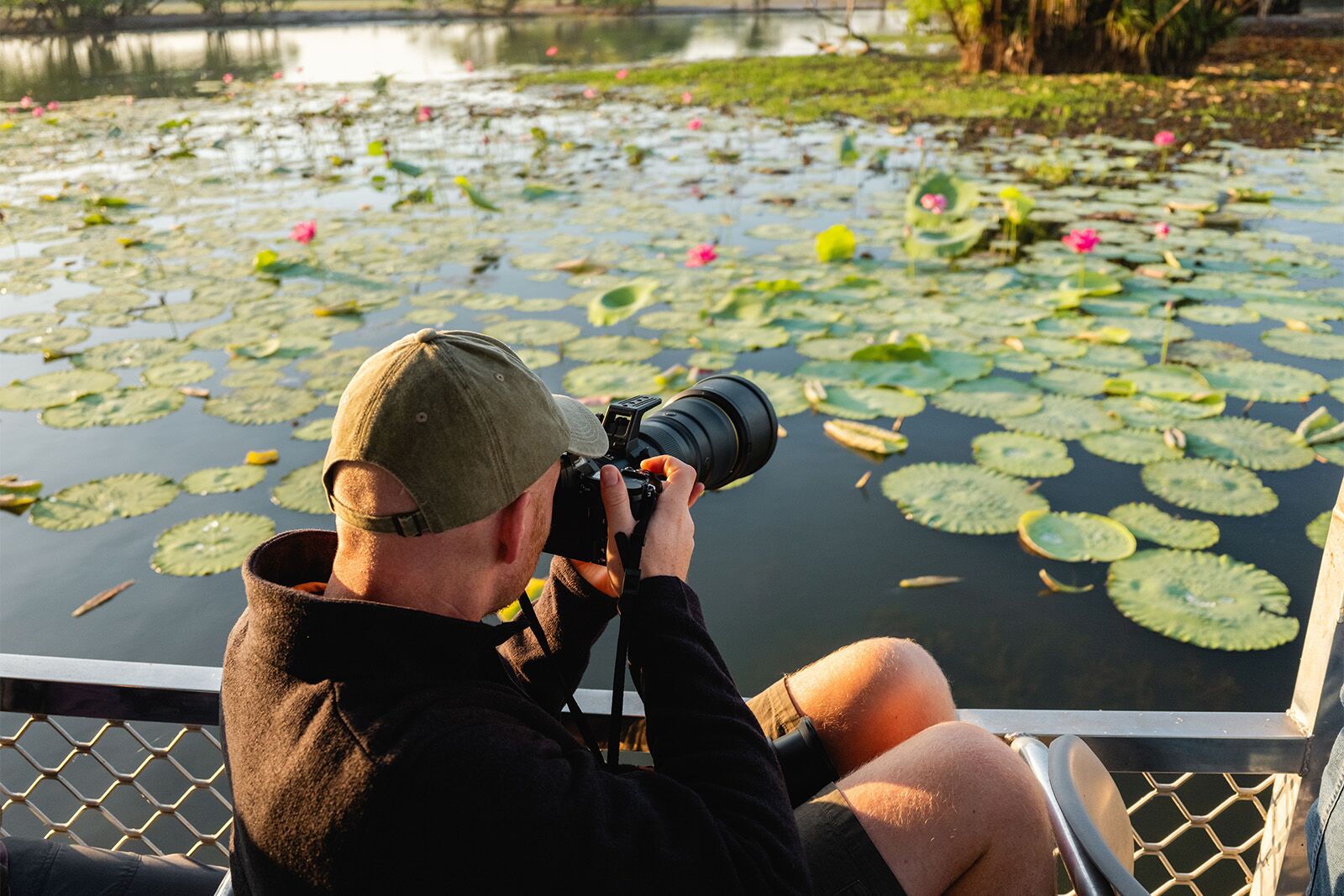
The tourism economy in the Northern Territory has evolved significantly since 1986. Infrastructure, such as the Kakadu Crocodile Hotel in Jabiru and the Cooinda Lodge, has transitioned from serving transient crews to hosting a global demographic seeking authentic experiences. The economic model has shifted toward a more sustainable approach that prioritizes local employment and the integration of indigenous perspectives into every facet of the visitor experience.
For example, businesses like the Aboriginal-owned label KingKing at Rapid Creek Market demonstrate the commercial potential of cultural expression. By incorporating patterns and stories rooted in ancestral memory into modern consumer goods, these entrepreneurs are asserting agency over their cultural intellectual property, ensuring that the financial benefits of the region’s popularity remain within the community.
Analyzing the Long-Term Legacy
The legacy of Crocodile Dundee is best understood as a catalyst that accelerated the Northern Territory’s integration into the global tourism market. However, the subsequent 40 years have proven that the true value of the region lies not in its cinematic fame, but in the resilience of its cultural and natural systems.
The analytical consensus among cultural observers is that the film provided the "hook," but the work of people like Mandy Muir, Natasha Nadji, and Dennis Miller provides the "depth." The transition from a site of film production to a center for cultural education is a testament to the community’s ability to reclaim the narrative. As visitors continue to flock to Ubirr and Gunlom, they are increasingly doing so not just to walk in the footsteps of a fictional character, but to learn from the original inhabitants of the land.
The future of tourism in the Northern Territory depends on this continued alignment of interests. As the park faces the dual pressures of increased visitation and environmental degradation, the role of the Aboriginal guide becomes even more critical. They serve as the primary educators, translating the complex relationship between the land, the spirits, and the people for a global audience.
In conclusion, the 40-year milestone offers an opportunity to look beyond the silver screen. While the film may have provided the initial impetus for international travel to the Top End, it is the stewardship of the Bininj and Mungguy people that ensures the experience remains meaningful. By prioritizing the preservation of rock art, the sharing of traditional stories, and the promotion of indigenous-led enterprises, the Northern Territory has successfully transformed a pop-culture moment into a sustained, culturally significant legacy that continues to educate and inspire. The "Dundee" era has ended, replaced by an era of cultural sovereignty and sophisticated environmental management that defines the modern Kakadu experience.