
Navigating the Turbulence: A Comprehensive Guide to Managing Flight Cancellations and Travel Disruption

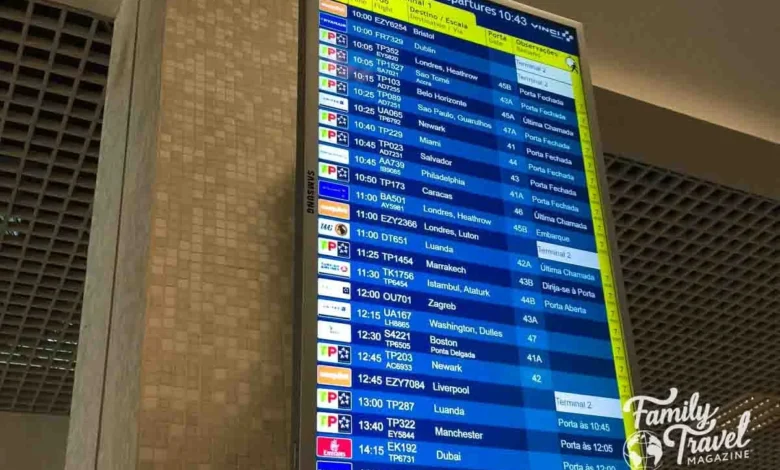
Global air travel has experienced a significant escalation in operational volatility over recent years, leaving millions of passengers grappling with unexpected flight cancellations, lengthy tarmac delays, and missed connections. Driven by a combination of severe meteorological events, persistent staffing shortages across airline and air traffic control sectors, and antiquated infrastructure, flight reliability has become a critical operational challenge for the commercial aviation industry. According to data compiled by the Bureau of Transportation Statistics (BTS), domestic flight cancellation rates fluctuate sharply depending on seasonal pressures, peaking during winter storm cycles and summer convective weather patterns. When a flight is abruptly grounded, the window to secure alternative routing narrows rapidly, placing the burden on the traveler to act decisively. Understanding the systematic protocols required to handle disrupted itineraries can mean the difference between reaching a destination on schedule and enduring days of travel gridlock.
The Chronology of Disruption: From Advance Notice to Airport Chaos
The lifecycle of a flight cancellation generally follows one of two trajectories: an advance notification issued hours or days prior to departure, or a last-minute cancellation encountered while the passenger is physically present at the terminal. Each scenario demands a distinct strategic response.
When a cancellation occurs days in advance—frequently triggered by forecasted severe weather systems such as nor’easters, blizzards, or major hurricanes—airlines typically issue travel waivers. These administrative decrees allow passengers to alter their itineraries without incurring standard change fees. Industry analysts recommend monitoring forecasts closely and utilizing this window of opportunity to proactively modify travel plans. Shifting a departure forward by 24 to 48 hours can successfully bypass the systemic paralysis that occurs when hundreds of flights are grounded simultaneously. Furthermore, managing these alterations online or via mobile applications prevents passengers from becoming trapped in protracted telephone queues or airport service lines.
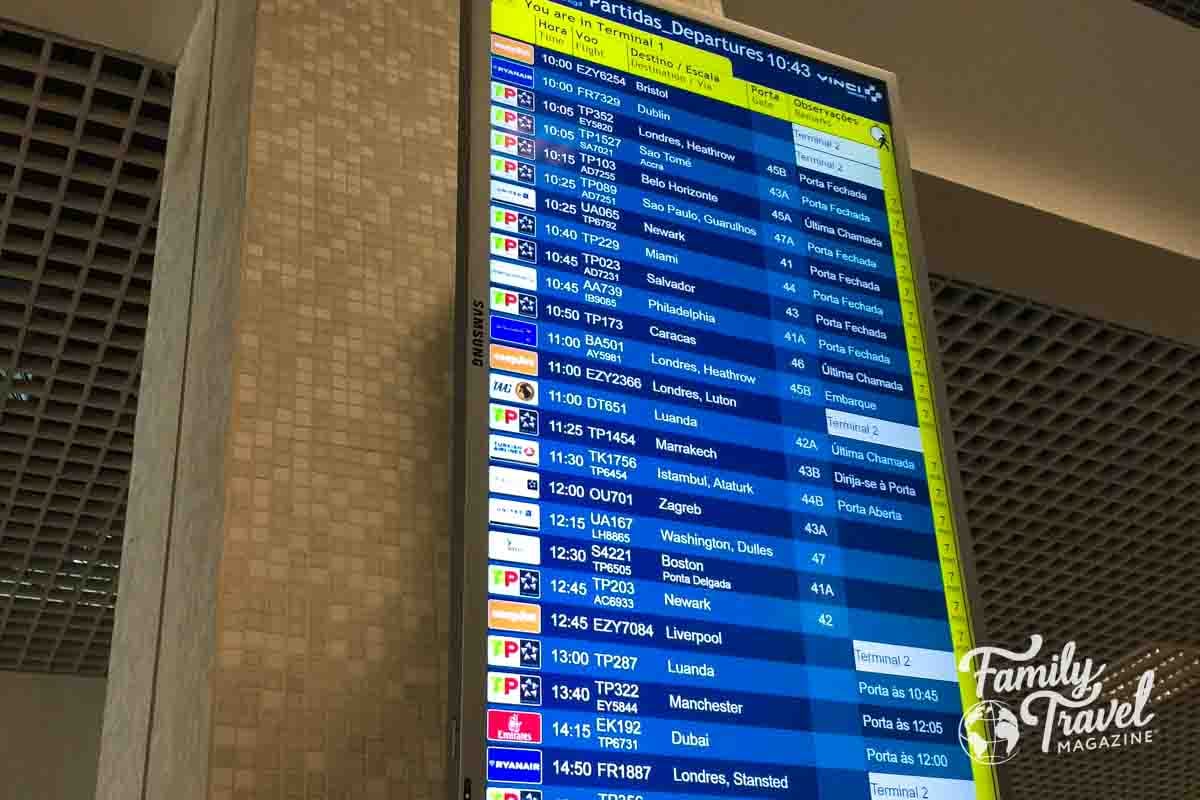
Conversely, same-day cancellations demand immediate, multi-channel intervention. If a cancellation is announced before leaving for the airport, travelers should immediately verify their status via airline applications or specialized flight-tracking tools. If the carrier has not automatically rebooked the itinerary, contacting customer service agents via phone or digital chat is the primary course of action. When stranded at the airport, however, passengers face a race against time. Because gate agents and customer service desks are immediately overwhelmed by stranded travelers, industry experts advise a dual-track approach: standing in line for physical assistance while simultaneously dialing the airline’s reservation hotline. Securing a representative on the phone often yields alternative seating options long before a physical queue clears.
Core Action Protocol for Canceled Flights
When confronted with a sudden flight cancellation, passengers must execute a structured checklist to mitigate further travel friction:
- Audit Automatic Rebooking: Review automated notifications from the carrier to determine if a replacement itinerary has already been generated. Assess whether the routing aligns with travel requirements.
- Establish Immediate Contact: Initiate phone contact with the airline while simultaneously seeking in-person assistance at the airport to secure available seats before capacity runs out.
- Evaluate Routing Alternatives: Remain flexible regarding connecting hubs, alternate airlines operating interline agreements, or flying into secondary airports located within reasonable proximity to the intended destination.
- Inspect Seat Assignments: Confirm that original seating arrangements, particularly family seating blocks, have been successfully transferred to the new aircraft configuration.
- Verify Baggage Custody: Inform airline representatives if checked luggage has already been ingested into the baggage handling system, ensuring that routing tags are updated to match the new flight path.
- Assess Long-Term Needs: For extensive delays or mandatory overnight stays, request lodging vouchers and review personal travel insurance policies to determine coverage thresholds for incidental expenses.
Technological Integration and Flight Monitoring
To counter the inherent unpredictability of modern airline schedules, frequent flyers increasingly rely on dedicated flight-tracking technologies. While major commercial airlines maintain proprietary applications designed to alert passengers of schedule adjustments, third-party software applications such as Flighty and TripIt have gained prominence for aggregating real-time aviation data, weather radar overlays, and inbound aircraft tracking.
These applications allow passengers to track the physical trajectory of their assigned aircraft long before it arrives at their departure gate. By observing whether an inbound flight is delayed at its origin, travelers can anticipate downstream cancellations and begin formulating alternative routing strategies proactively. In addition to monitoring software, aviation authorities and consumer advocacy groups stress the importance of maintaining updated contact profiles within airline reservation systems. Ensuring that mobile telephone numbers and email addresses are correctly linked to the passenger name record (PNR) guarantees receipt of urgent operational broadcasts.

Infrastructure Realities and Passenger Rights
The operational framework governing flight cancellations is largely defined by carrier contracts of carriage and, in specific jurisdictions, statutory passenger rights. In the United States, Department of Transportation (DOT) regulations mandate that passengers are entitled to a full cash refund if their flight is canceled for any reason and they choose not to travel on a rescheduled itinerary. However, unlike European Union regulation EU 261—which enforces strict statutory compensation for delays and cancellations within its purview—U.S. carriers are not legally mandated to provide financial compensation for weather-related or air traffic control cancellations.
Consequently, the financial burden of extended airport stays, ground transportation, and lodging frequently falls upon the traveler unless specific protections have been secured in advance. This operational reality has driven increased consumer interest in third-party travel insurance policies. Comprehensive insurance plans frequently cover non-refundable hotel bookings, missed cruise departures, and emergency out-of-pocket expenses resulting from carrier interruptions. Experts advise travelers to carefully review policy exclusions, as acts of war, civil unrest, and certain pre-existing weather events may carry specific restrictions.
Managing Extended Delays and Terminal Infrastructure
When flight disruptions stretch from hours into days, passengers must navigate the physical limitations of airport terminals or secure off-site accommodations. Under standard industry practices, airlines are generally not obligated to provide hotel vouchers or meal allowances for cancellations or delays stemming from weather events or external factors beyond their control, such as air traffic control ground stops. For mechanical or crew-related cancellations within the airline’s control, however, carriers are increasingly pressured by regulatory bodies to cover reasonable hotel accommodations and ground transfers.
For travelers facing lengthy daytime layovers without overnight lodging provisions, airport hotels increasingly offer day-use room packages. These options provide access to private facilities, workspace, and recreational amenities, allowing families and business travelers to escape the high-density environment of terminal concourses. Furthermore, seasoned travelers emphasize the necessity of packing essential electronics, chargers, medications, and infant supplies within carry-on baggage. Ensuring that critical items remain accessible prevents acute discomfort during prolonged operational disruptions.
Broader Economic and Industrial Implications
The rising frequency of flight cancellations highlights systemic vulnerabilities within the global aviation ecosystem. Commercial airlines continue to grapple with structural constraints, including pilot and technician labor shortages, delivery delays for new aircraft manufacturing, and an increasingly congested airspace managed by aging radar and communication infrastructure. Concurrently, changing global climate patterns are intensifying the frequency of severe weather events, introducing greater volatility into scheduling algorithms.
Industry analysts project that until foundational investments in air traffic control modernization and workforce expansion reach maturity, flight disruptions will remain a persistent feature of commercial travel. For the consumer, navigating this volatile landscape requires a combination of strategic foresight, technological utilization, and comprehensive preparation. By understanding the mechanisms of airline operations and exercising proactive itinerary management, travelers can significantly reduce the friction associated with unexpected aviation disruptions.