Navigating London with a Toddler: A Comprehensive Guide to Visiting the British Capital with Young Children


London stands globally recognized as a historic, iconic, and intensely royal metropolis, drawing millions of international visitors annually to landmarks such as Tower Bridge, Westminster Abbey, and Buckingham Palace. Beyond these monumental sights, the city boasts a vibrant cultural infrastructure that includes Shakespeare’s Globe, the National Gallery, and the Tate Modern, all interspersed among charming neighborhoods characterized by independent flower shops, quaint cafes, and contemporary establishments. While international family travel with infants and toddlers frequently evokes concerns regarding logistical friction, industry data and experienced family travel consultants confirm that visiting London with a toddler is not only entirely feasible but also uniquely rewarding. Navigating the British capital with a young child requires a deliberate adjustment of daily expectations, yet doing so offers a fresh perspective on the city that can deeply enrich the family travel experience.
Early childhood development specialists frequently emphasize that toddlers are inherently curious and intrepid explorers. In a dense urban environment like London, a toddler’s uninhibited sense of wonder transforms routine transit—such as walking down a new pedestrian pathway, greeting a stranger, or riding the London Underground with unbridled enthusiasm—into memorable milestones. Although managing a vast metropolis with a stroller demands heightened patience and flexibility, witnessing a young child react with awe to a passing red double-decker bus or discover the sprawling play structures at Kensington Gardens yields lasting value. To successfully bridge the gap between adult sightseeing ambitions and toddler developmental needs, families must implement strategic planning regarding itineraries, accommodations, and pace.
Historical Context of London’s Public Spaces and Parks

The integration of expansive green spaces within central London is no accident of modern urban planning; rather, it is rooted in centuries of royal and municipal decree. Historically established as royal hunting grounds and private estates, London’s premier parks—such as Hyde Park, Regent’s Park, and Kensington Gardens—were gradually opened to the public over the course of the 19th and 20th centuries, transforming the city into one of the greenest capitals in the world. Today, these parks cover thousands of acres, serving as essential ecological and recreational lungs for residents and tourists alike.
For families traveling with toddlers, these historic parks function as vital operational buffers against sensory overload. Hyde Park, spanning 350 acres and established by King Henry VIII in 1536, provides an expansive environment where young children can safely disembark from strollers, expend physical energy, and observe local wildlife such as waterfowl and swans. Similarly, Kensington Gardens houses the newly renovated Diana Princess of Wales Memorial Playground. Following a £3 million capital investment project, this Peter Pan-inspired facility incorporates accessible wooden galleons, sensory water play features, and dedicated zones for children under the age of three, offering a masterclass in modern, inclusive urban park design.
Furthermore, specialized horticultural and zoological institutions within the city offer structured engagement for younger demographics. Kew Gardens, formally known as the Royal Botanic Gardens, features a dedicated Children’s Garden tailored to children aged two to twelve, blending botanical education with active play. Meanwhile, zoological attractions such as the historic ZSL London Zoo in Regent’s Park and the intimate Battersea Children’s Zoo in Battersea Park cater specifically to the stamina limits of the stroller-bound demographic, ensuring shorter walking distances and up-close animal encounters.
Adapting Major Historic Sites and Cultural Institutions for Young Families
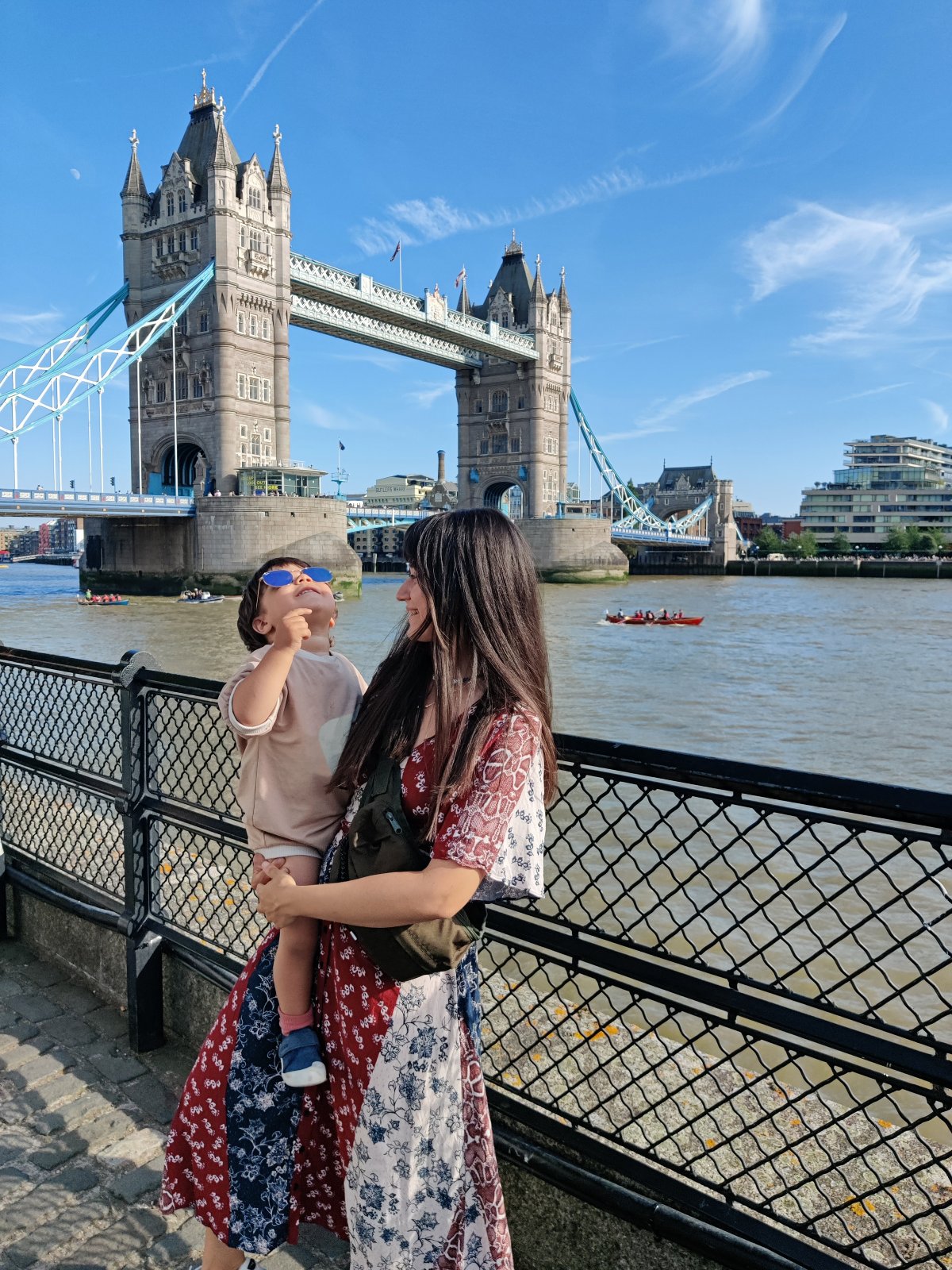
Traditional sightseeing in London often presents logistical hurdles for parents due to stringent security protocols, architectural barriers, and the quiet decorum expected within historic interiors. Consequently, family travel experts advise substituting high-impact adult tours with toddler-friendly alternatives that retain the educational and cultural essence of the destination without inducing behavioral stress.
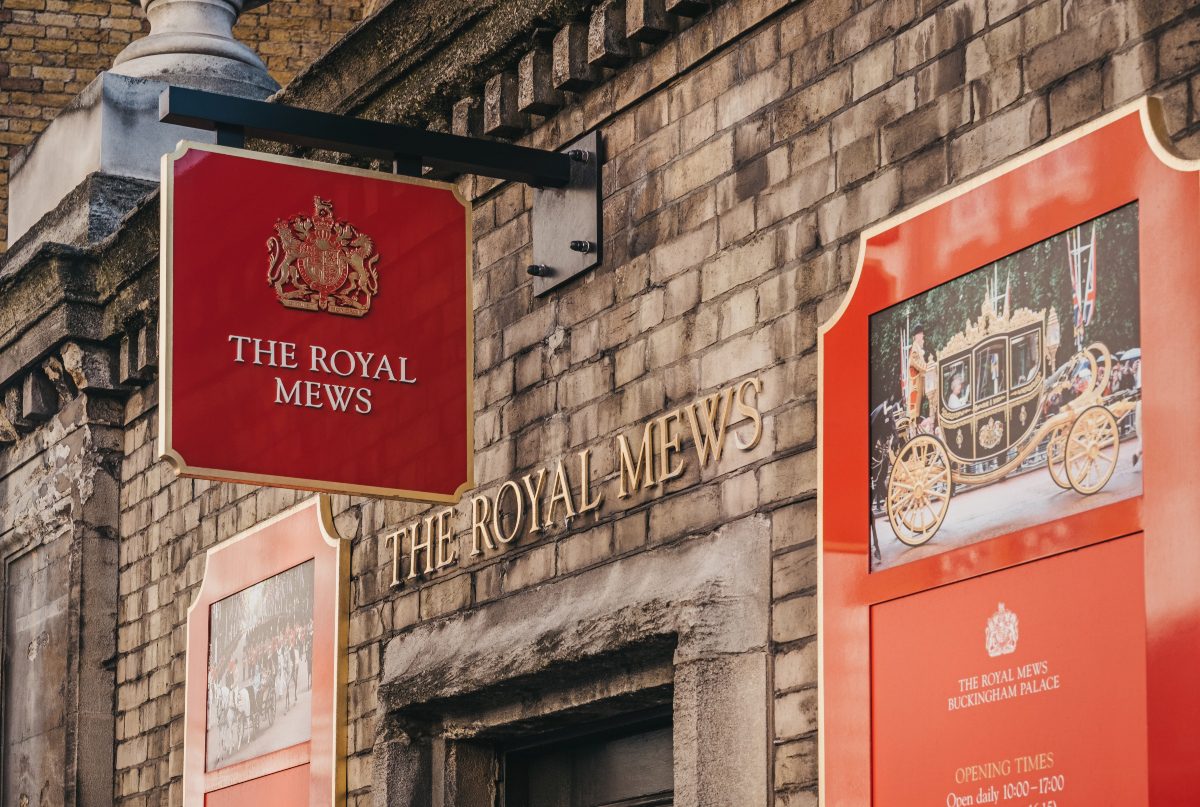
A prime example involves substituting the interior tour of Buckingham Palace with a visit to the Royal Mews. Located adjacent to the palace, the Royal Mews functions as the working stables and garage of the British monarch. Exhibiting the sovereign’s collection of historic state carriages, motor vehicles, and working Windsor Grey and Cleveland Bay horses, the Mews naturally captivates young children with an affinity for transport and animals. Similarly, navigating pedestrianized river crossings such as the Millennium Bridge, taking a rotation on the London Eye, or observing street performers in Trafalgar Square offer high visual stimulation without the constraints of enclosed museum galleries.
For museum visits, London offers several world-class institutions with admission-free policies that eliminate financial pressure if a toddler’s schedule requires an abrupt departure. The Young V&A in Bethnal Green—a specialized branch of the Victoria and Albert Museum—features a dedicated Play Gallery equipped with sensory installations, tactile building zones, and dress-up areas specifically designed for early childhood development. In South Kensington, while the adjacent Natural History Museum attracts large crowds, the Science Museum offers specialized multisensory play zones aimed directly at toddlers. Additionally, the London Transport Museum in Covent Garden chronicles two centuries of municipal transit history, allowing young visitors to physically board vintage double-decker buses, early underground trains, and Edwardian trams.
Evolution of Retail and Culinary Experiences for Families

London’s commercial and dining sectors have progressively adapted to the family travel market, transforming traditional adult pastimes into multi-generational experiences. Retail flagships such as Hamleys, the venerable seven-story toy emporium operating on Regent Street since 1760, actively encourage tactile exploration by permitting children to test toys throughout the various departments, culminating in top-floor displays such as miniature royal family figures constructed entirely from Lego bricks.
In the culinary sphere, the traditional British afternoon tea has undergone a family-friendly revolution. Establishments such as the Ampersand Hotel in South Kensington offer a science-themed afternoon tea where children can mix effervescent beverages in laboratory beakers and excavate chocolate archaeological finds. For families seeking elevated views paired with literary nostalgia, the Aqua Shard serves a Peter Pan-themed tea thirty-one floors above the city, featuring presentation stands modeled after Captain Hook’s vessel.
To resolve the challenge of keeping restless toddlers seated during extended meals, mobile dining concepts have emerged as a premier alternative. Brigit’s Bakery operates vintage Routemaster afternoon tea bus tours that loop past major architectural monuments including Big Ben and Tower Bridge. Accompanied by onboard children’s entertainers and themed audio guides featuring characters such as Paddington Bear and Peppa Pig, these tours successfully merge municipal sightseeing with culinary hospitality, removing parental anxiety regarding restaurant decorum.
Broader Economic and Tourism Implications of Family Travel
The conscious adaptation of London’s tourism infrastructure toward families with infants and toddlers carries significant economic implications for the hospitality and travel sectors. Tourism authorities and economists note that family travel represents a highly resilient segment of the leisure market, characterized by longer average lengths of stay and higher per-capita spending compared to solo travelers or independent backpackers.
By investing in accessible infrastructure—such as step-free underground station access, family-oriented museum galleries, and specialized dining experiences—London reinforces its position as a globally competitive family destination. Travel industry analysts project that continuous municipal and private investment in child-friendly tourism assets will further stabilize visitor numbers, ensuring that the capital remains welcoming to successive generations of international travelers. Ultimately, viewing London through the lens of a toddler not only renders the monumental city accessible to young families but also revitalizes the travel experience for adults, proving that historic exploration and early childhood development can coexist harmoniously.
Related posts: