Choosing the Best Stateroom on a Cruise Ship: A Comprehensive Guide to Cabin Types, Locations, and Amenities

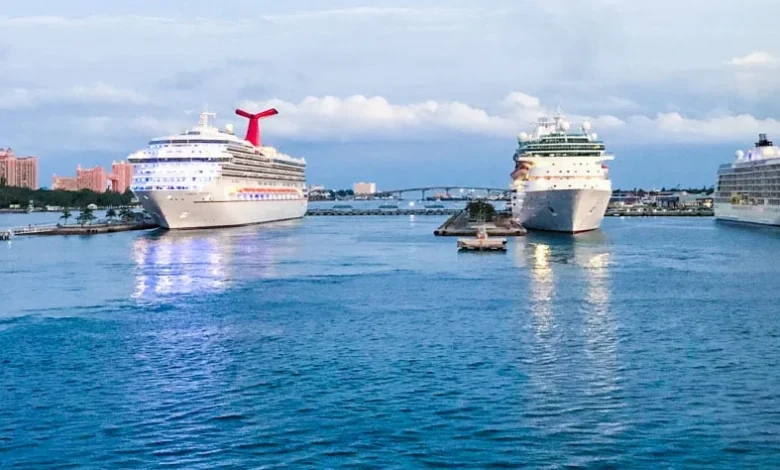
The global cruise industry has seen a significant resurgence in recent years, with the Cruise Lines International Association (CLIA) reporting that passenger volume reached 31.7 million in 2023, surpassing pre-pandemic levels. As travelers return to the seas in record numbers, the complexity of booking a maritime vacation has increased, particularly regarding the selection of onboard accommodations. Choosing a stateroom—the nautical equivalent of a hotel room—is a critical decision that influences both the cost of the voyage and the overall guest experience. Unlike traditional hotels, cruise ships are mobile environments where factors such as ship motion, proximity to public spaces, and vertical positioning play a vital role in passenger comfort. Understanding the nuances of stateroom categories and locations is essential for modern travelers navigating the diverse offerings of major cruise lines.
The Evolution of Maritime Accommodations
Historically, cruise ship cabins were often cramped, functional spaces designed primarily for sleeping. However, as ships have evolved into "floating resorts," staterooms have undergone a transformation. Modern vessels, such as Royal Caribbean’s Oasis-class ships or the luxury-oriented Virgin Voyages fleet, offer a variety of configurations tailored to different demographics, including solo travelers, multigenerational families, and high-net-worth individuals.
The process of selecting a stateroom typically follows the selection of the cruise line, the specific vessel, and the itinerary. Because a cruise ship is a self-contained ecosystem, the cabin serves as a private sanctuary amidst thousands of other passengers. Industry analysts note that while passengers spend a significant portion of their time in public areas or at ports of call, the quality of the stateroom remains a top factor in guest satisfaction surveys.
Categorizing Stateroom Types: From Interior to Luxury Suites
Cruise lines categorize staterooms into four primary tiers, with various sub-categories based on size, view, and amenities.
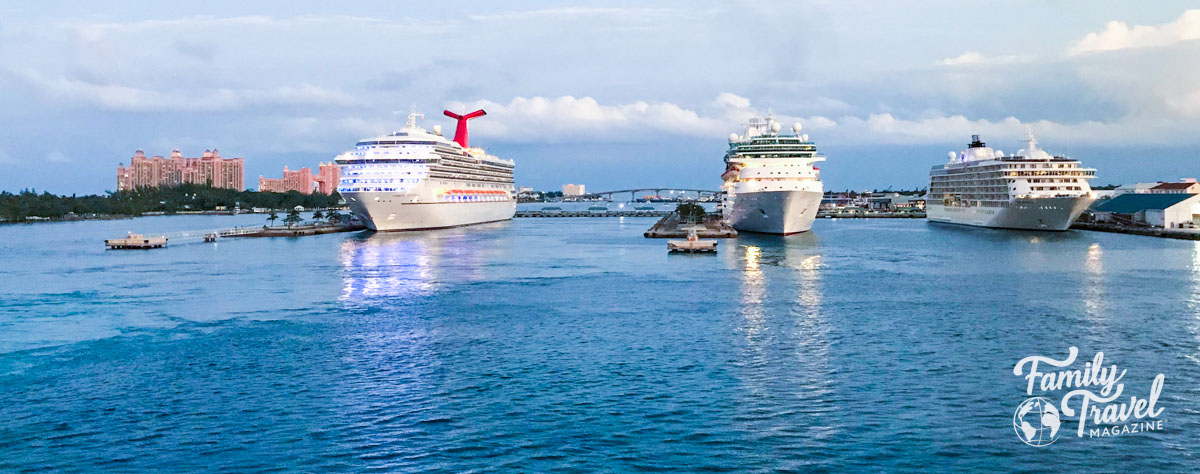
Interior Staterooms
Interior or "inside" cabins are located in the ship’s core and do not feature windows or balconies. These are traditionally the most economical options, appealing to budget-conscious travelers or those who plan to spend minimal time in their rooms. To combat the lack of natural light, some modern lines have introduced "virtual balconies"—large LED screens that stream real-time views of the ocean from exterior cameras. Despite the cost savings, industry experts warn that interior rooms can be disorienting for some passengers due to the absence of a natural day-night cycle.
Porthole and Oceanview Staterooms
Oceanview cabins provide a window to the outside world, typically through a non-opening porthole or a larger picture window. These rooms offer natural light and a sense of connection to the sea without the higher price point of a balcony. However, travelers should be aware of "obstructed view" designations. These rooms may have their sightlines partially or fully blocked by lifeboats or ship infrastructure. While usually discounted, these rooms still offer the benefit of natural light.
Balcony and Verandah Staterooms
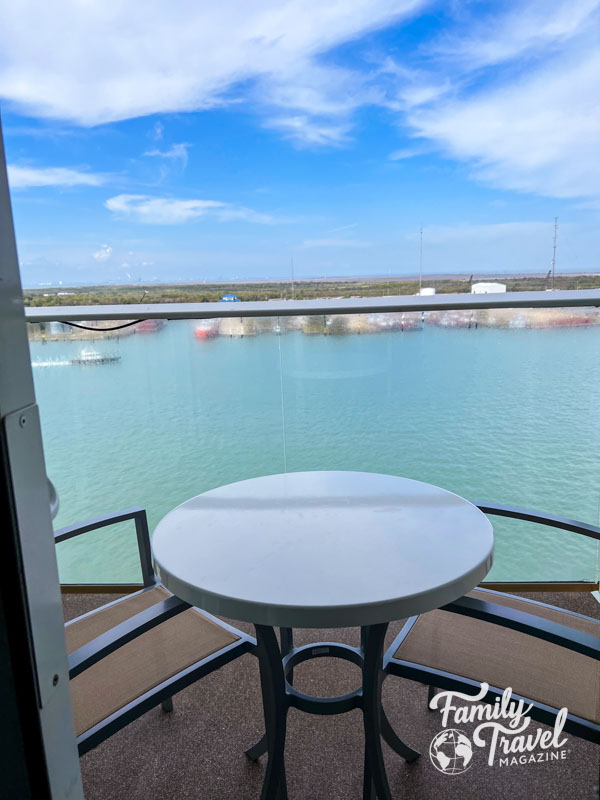
Balcony cabins, sometimes referred to as verandahs (a term popularized by Disney Cruise Line), have become the industry standard for modern cruising. These rooms feature a private outdoor space with seating, allowing guests to enjoy fresh air and scenic views without visiting public decks. Data from cruise booking platforms suggests that balcony rooms are the most frequently searched category, as they provide a private retreat for morning coffee or evening relaxation.
Cruise Suites and Concierge Level
At the top of the hierarchy are suites, which range from "Junior Suites" with extra square footage to sprawling multi-bedroom villas. Many cruise lines have adopted a "ship-within-a-ship" concept, such as MSC Cruises’ Yacht Club or Norwegian Cruise Line’s The Haven. These areas offer suite guests exclusive access to private lounges, pools, and restaurants, along with butler and concierge services. While significantly more expensive, these accommodations cater to the growing luxury segment of the cruise market.
Strategic Location: The Science of Ship Positioning
Once a cabin type is selected, the physical location of the room on the ship becomes the next major consideration. The ship’s layout is divided into three sections: forward (front), midship (middle), and aft (rear).
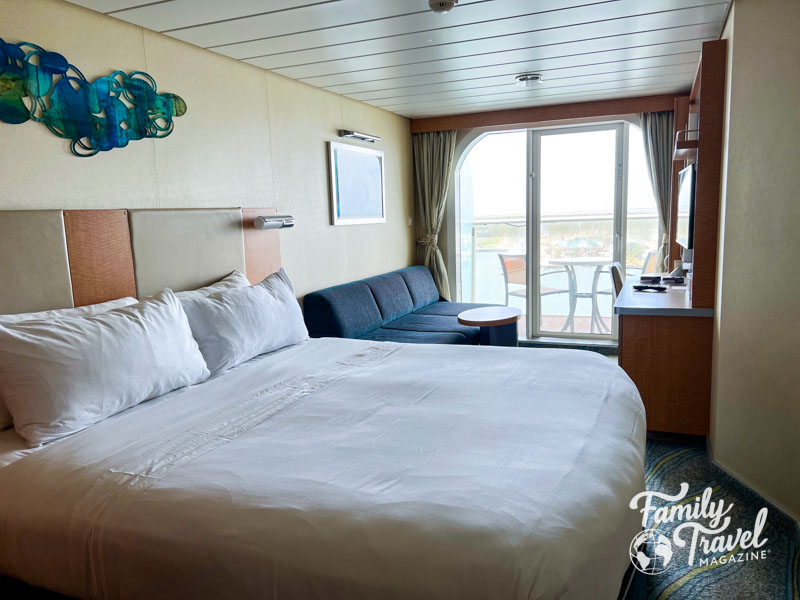
Stability and Motion
For passengers prone to motion sickness, midship cabins on lower decks are statistically the most stable. Because the ship pivots around its center, the middle experience less "pitch" (the up-and-down motion of the bow and stern) and "roll" (side-to-side motion). Forward cabins are most susceptible to the movement of waves, while aft cabins may experience more vibration from the ship’s engines and propellers.
Proximity to Amenities
The choice of deck level often involves a trade-off between convenience and noise. Higher decks are generally closer to pool decks, buffets, and sports courts, making them attractive for families. However, being located directly beneath a busy lido deck or a 24-hour gym can result in noise disturbances. Journalistic investigations into passenger complaints often highlight "cabin noise" from dragging deck chairs or late-night entertainment venues as a primary grievance.
The "Guaranteed" Cabin Strategy
Many cruise lines offer a "Guaranteed" (GTY) rate, where the passenger pays a lower price for a specific category but allows the cruise line to assign the exact room number later. While this often results in a lower fare—and occasionally a free upgrade—it carries the risk of being assigned a room in an undesirable location, such as near an elevator bank, a laundry room, or directly above a loud nightclub.
Onboard Amenities and Spatial Planning
Regardless of the category, cruise staterooms are designed with extreme spatial efficiency. Marine architects utilize every square inch, often incorporating hidden storage under beds and "split-bath" configurations to allow multiple people to get ready simultaneously.
Key amenities that travelers must evaluate include:
- Power and Connectivity: Older ships may have limited electrical outlets. Newer vessels are increasingly equipped with USB-A and USB-C ports, though international travelers should still verify the voltage and plug types (typically US or European standards).
- Bed Configurations: Most staterooms feature two twin beds that can be pushed together to form a king-size bed. For families, many rooms include "Pullman" beds that drop from the ceiling or sofa beds.
- Climate Control: Unlike many European hotels, virtually all modern cruise ships feature individual stateroom thermostats.
Economic Implications and Industry Trends
The diversification of stateroom types is a calculated economic strategy for cruise lines. By offering a wide range of price points, they can fill large-capacity vessels like Royal Caribbean’s Wonder of the Seas, which can hold nearly 7,000 passengers.
A notable trend in the industry is the rise of solo cabins. Historically, solo travelers were forced to pay a "single supplement," effectively paying for two people to occupy one room. Recognizing the growth of the solo travel market, lines like Norwegian Cruise Line and Virgin Voyages have introduced dedicated studio cabins designed for one person, often paired with exclusive solo-traveler lounges.
Furthermore, environmental regulations are influencing cabin design. New ships are increasingly powered by Liquefied Natural Gas (LNG), which reduces engine vibration and noise, potentially making aft cabins more desirable than they were on older, diesel-powered vessels.
Expert Recommendations for Prospective Cruisers
Travel industry consultants recommend a multi-step verification process before finalizing a stateroom booking.
- Consult Deck Plans: Travelers should study the ship’s deck plan to see what is located directly above and below their potential room.
- Research Ship Reviews: Websites such as Cruise Critic or the Cruise Deck Plan database provide passenger-submitted photos and reviews of specific cabin numbers, which can reveal issues like obstructed views or localized noise that are not mentioned in official brochures.
- Assess Itinerary Needs: For scenic cruises, such as those through the Alaskan Inside Passage or the Norwegian Fjords, a balcony is often considered essential. For port-intensive itineraries in the Mediterranean where the ship is docked most of the day, an interior room may offer better value.
The decision-making process for a cruise stateroom reflects a broader trend in the travel industry toward personalization and tiered service. As cruise ships continue to grow in size and complexity, the "one-size-fits-all" approach to maritime lodging has been replaced by a highly segmented market, allowing travelers to prioritize budget, luxury, or physical comfort based on their individual needs. In an era of record-breaking cruise volume, the savvy selection of a stateroom remains the foundation of a successful voyage.