Navigating the Waters of Expedition Cruising: A Comprehensive Evaluation of National Geographic and Lindblad Expeditions for Family Travel

The landscape of family vacation planning has undergone a significant transformation in recent years, shifting away from generic resort stays and mega-ship cruises toward immersive, educational travel. Among the prominent operators in this specialized sector are National Geographic Expeditions, which operates in strategic partnership with Lindblad Expeditions. Designed to merge rigorous academic exploration with remote-access maritime travel, these voyages target families seeking deep dives into marine biology, geology, anthropology, and regional culture.
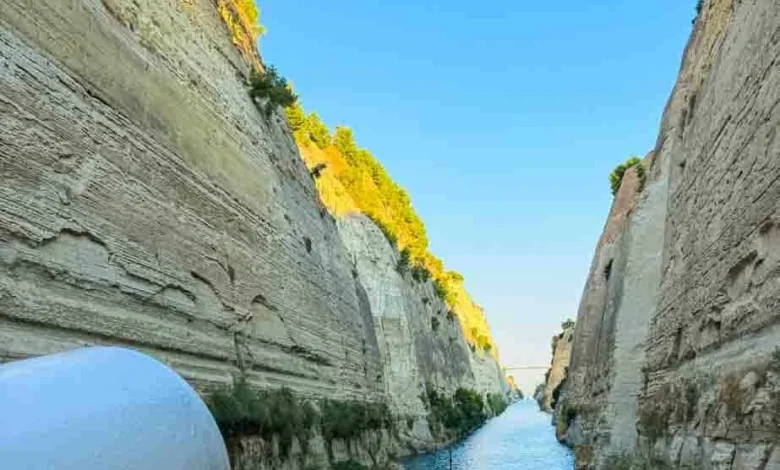
Evaluating the viability of such an investment requires a granular understanding of what these itineraries entail. A recent summer voyage aboard the National Geographic Orion through the Ancient Mediterranean—spanning coastal and island destinations across Greece, Albania, and Croatia with young adult children aged 20 and 22—provides a comprehensive case study for prospective travelers. While these high-end expeditions offer unparalleled access to historical and natural landmarks, industry analysts and seasoned travelers emphasize that they cater to a very specific demographic, making a careful cost-benefit analysis essential prior to financial commitment.
Main Facts and Operational Framework
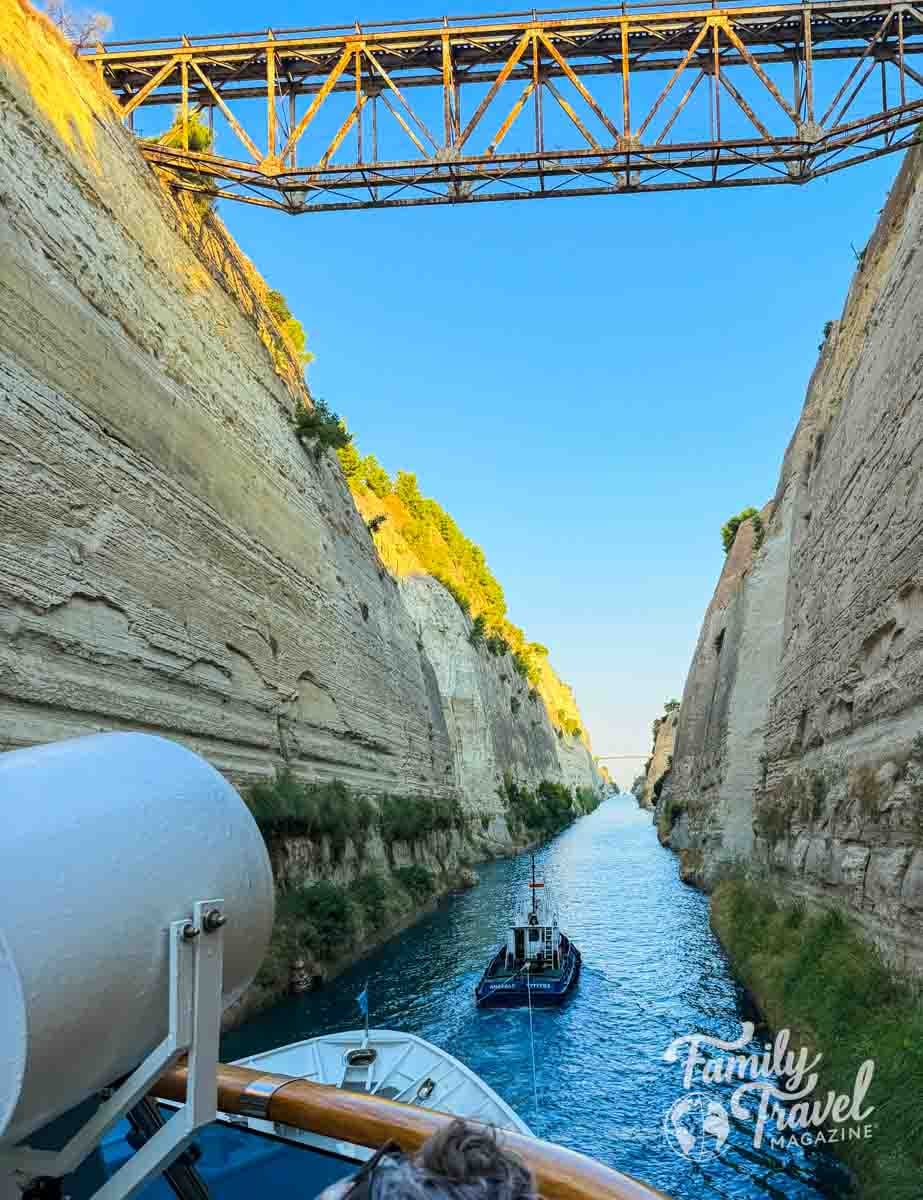
Unlike traditional commercial cruise liners that prioritize onboard entertainment, water parks, casinos, and sprawling theatrical productions, National Geographic-Lindblad vessels are engineered strictly as exploratory platforms. The National Geographic Orion, along with sister ships in the fleet, is notably smaller than standard cruise ships. This compact architectural footprint serves a deliberate operational purpose: it allows the vessels to navigate narrow waterways, dock at remote piers, and anchor in secluded bays inaccessible to mass-tourism liners.
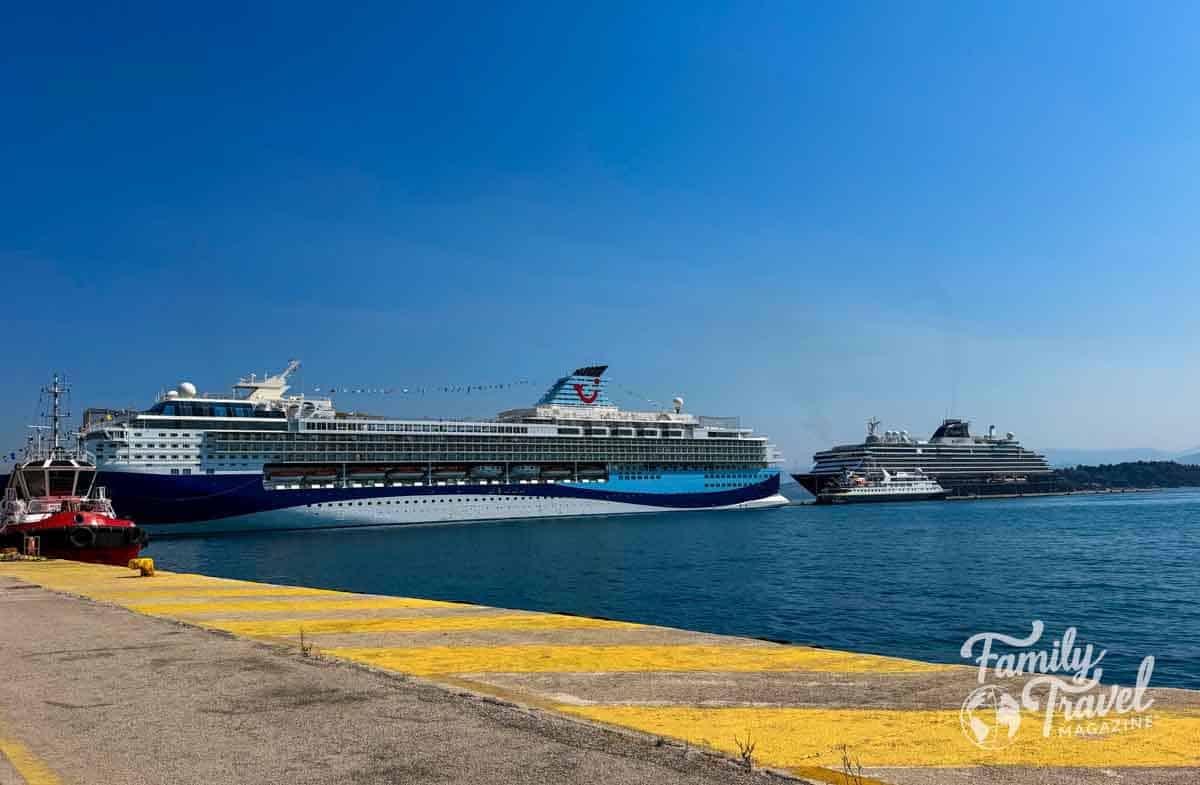
However, this design philosophy comes with distinct operational trade-offs. The ships do not feature swimming pools, sports decks, dedicated children’s clubs, arcades, or structured youth programming. Consequently, while the voyages are technically family-friendly, they do not cater specifically to younger children through built-in childcare or adolescent-focused recreation. Instead, the onboard environment emphasizes quiet relaxation, communal dining, and intellectual engagement.
Daily life aboard the ship is structured around experiential learning. Passengers are typically provided with a menu of daily excursions days in advance, allowing them to rank-order their preferences. Upon boarding, finalized schedules are distributed. These excursions often feature multiple tiers of physical activity, ranging from leisurely historical walking tours to more strenuous hikes. In certain locations where docking facilities are unavailable, passengers must disembark offshore via Zodiac inflatable boats—a logistical detail that requires a basic level of mobility and physical confidence from all participating family members, including teenagers and young adults.
Chronology and Daily Itinerary Structure
A typical day on a Lindblad-National Geographic expedition follows a regimented, activity-dense timeline designed to maximize destination immersion. Mornings generally begin early with an open-seating buffet breakfast in the main dining room. Following breakfast, passengers receive instructions for disembarkation, which is systematically coordinated by excursion groups to ensure smooth transitions onto Zodiacs or pier facilities.
Depending on the specific port of call, excursions may consume an entire day or just a few hours. Midday meals are frequently served back on board the ship, though certain itineraries incorporate field lunches ashore to allow for uninterrupted exploration of inland archaeological sites or cultural centers. Upon returning to the vessel, afternoons often coincide with transit times between ports, during which the expedition team hosts a series of educational lectures. These presentations cover diverse academic disciplines, including regional geology, marine ecosystems, geopolitical history, and applied smartphone photography.
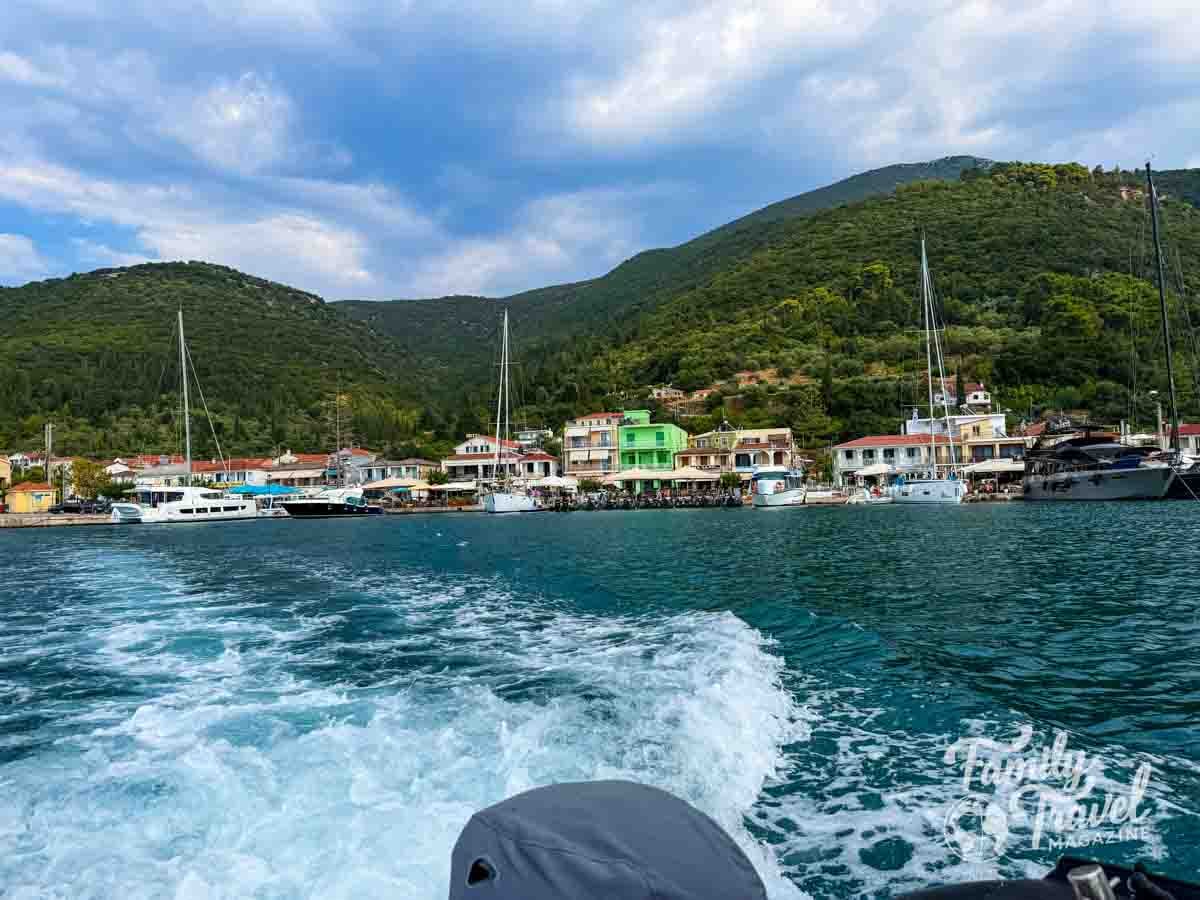
Evenings center around formal, a la carte dinners served simultaneously in the main dining room. Maintaining an open-seating policy, the dining structure encourages social interaction among passengers, allowing families to dine independently or join other travelers and expedition experts. Following dinner, recap sessions are frequently held to review the day’s discoveries and preview the agenda for the following day.
Accommodation and Stateroom Configurations
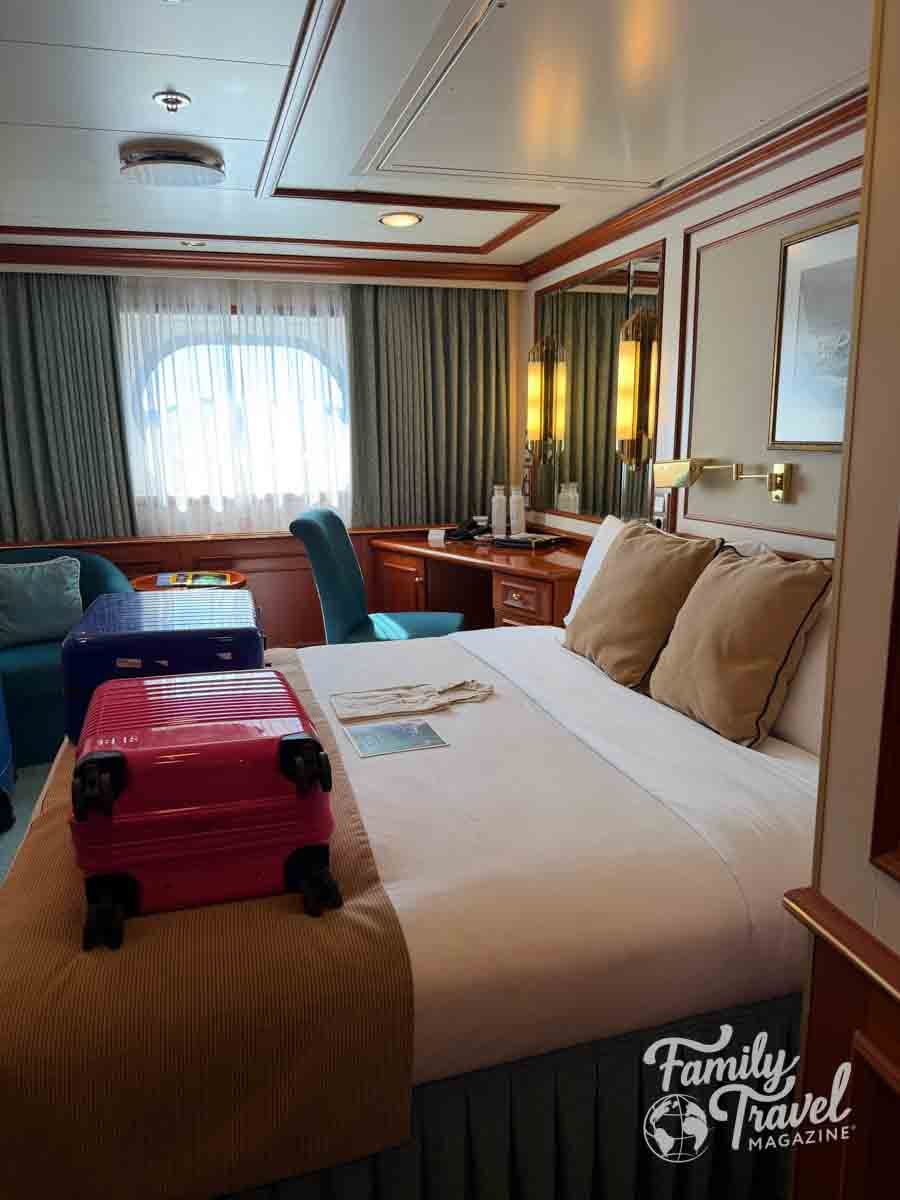
Accommodations aboard the National Geographic Orion vary according to stateroom category, square footage, and deck placement. For multi-person families, booking requires careful coordination, as traditional multi-room family suites with internal connecting doors are limited or non-existent on certain vessels within the fleet.
For instance, a family of four typically requires two separate staterooms. While these rooms are frequently situated adjacent to one another, standard safety protocols dictate that cabin doors remain unlocked only by internal preference rather than featuring automated exterior common-area vestibules. This structural layout allows family members to transition easily between adjacent rooms, though parents traveling with younger children must account for the physical separation. Select vessels and upgraded cabin tiers do offer triple-occupancy arrangements or limited connecting options, necessitating precise review of deck plans at the time of booking.
Financial Considerations and Economic Value
Expedition cruising occupies the ultra-premium tier of the global travel market, with upfront pricing that significantly exceeds standard commercial cruise fares. However, industry experts note that these expeditions operate on a near-all-inclusive financial model, which alters the ultimate value proposition.
The comprehensive fare structure typically covers:
- Gratuities for shipboard crew and expedition staff
- All off-ship excursions, guided tours, and equipment usage (such as snorkeling gear and kayaks)
- Full board, including all meals, snacks, coffee, and specialty teas
- Alcoholic beverages, encompassing house wines, beers, and standard spirits (with premium reserve lists excluded)
- Port charges, taxes, and transfer fees associated with the main itinerary
When evaluating the cost against traditional land-based multi-destination travel—which requires separate bookings for regional flights, intercity trains, hotel accommodations, private guides, and daily dining—the pricing differential narrows. Furthermore, operators occasionally run promotional initiatives, such as specialized family-focused incentive programs (exemplified by Lindblad’s "Bringing the Kids" offerings), which feature reduced rates or savings for younger travelers sharing a cabin with full-fare adults.
Broader Impact and Industry Implications
The growing popularity of expedition-style cruising reflects a broader macroeconomic shift in consumer behavior. Modern travelers, particularly multi-generational families and households with older teenagers and young adults, increasingly prioritize experiential education and authentic cultural immersion over passive entertainment.
This trend has driven significant capital investment into small-ship expedition fleets globally. By partnering with authoritative scientific and educational institutions like National Geographic, cruise operators can leverage trusted branding to attract affluent, intellectually curious demographics. For destinations, particularly smaller coastal communities in the Mediterranean, Adriatic, and polar regions, small-ship tourism offers a more sustainable economic model compared to mega-ships, as passenger volumes are naturally restricted by the physical capacity of Zodiac boats and local infrastructure.
Strategic Guidance for Prospective Travelers
Determining whether a National Geographic-Lindblad expedition aligns with a family’s vacation objectives requires an honest assessment of individual preferences, academic interests, and physical capabilities.
Advised For:
- Families with older tweens, teenagers, and young adults who demonstrate a genuine interest in history, wildlife, geography, or marine science.
- Travelers who value expert-led interpretation, lectures by resident naturalists and historians, and structured, active outdoor exploration.
- Those seeking to visit complex, multi-country coastal itineraries efficiently without the logistical fatigue of packing, unpacking, and navigating commercial transit hubs.
Not Advised For:
- Families whose primary vacation goals include resort-style amenities, water parks, pools, supervised youth clubs, theatrical stage shows, or independent nightlife.
- Travelers with younger children who require continuous dedicated entertainment or structured peer socialization.
- Individuals with severe mobility limitations who might struggle with uneven terrain, steep historical staircases, or offshore transfers via inflatable Zodiac boats in variable sea conditions.
Ultimately, while the financial investment is substantial, families who match the target profile often find that the depth of access, expert mentorship, and seamless logistical execution deliver a transformative educational travel experience.