May has historically established itself as one of the premier months for European travel, marked by mild weather, blooming landscapes, and a plethora of cultural and culinary events. For travel writer and chronicler Kate, the month was characterized by a split itinerary: the majority of the time was spent enjoying the quintessential spring offerings of Prague, Czech Republic, followed by a six-day excursion to the United Kingdom. This transatlantic positioning highlights a growing trend among long-term expatriates and travel professionals who balance local community engagement in base cities with targeted, high-interest regional reporting abroad.
Prague Spring Offerings and Local Engagements

The month began in the Czech capital, where the local spring calendar provides a dense array of activities ranging from urban hiking to specialized gastronomic festivals. Prague in May benefits from daylight hours extending past 8:30 PM and average temperatures hovering in the comfortable mid-20s Celsius (upper 70s Fahrenheit), creating an optimal environment for outdoor exploration.
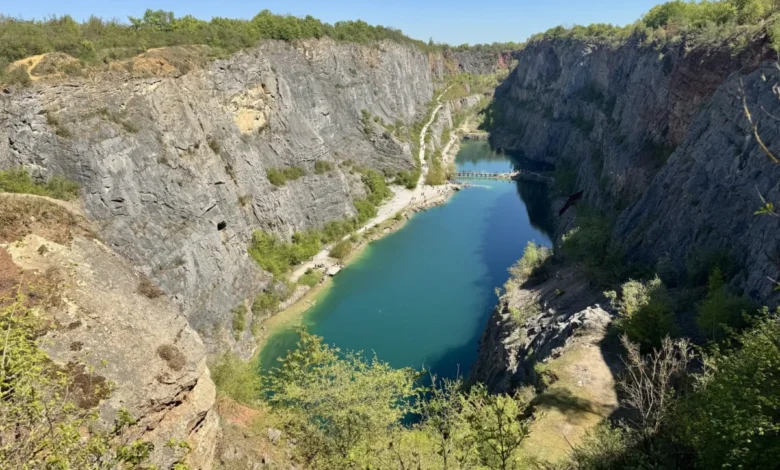
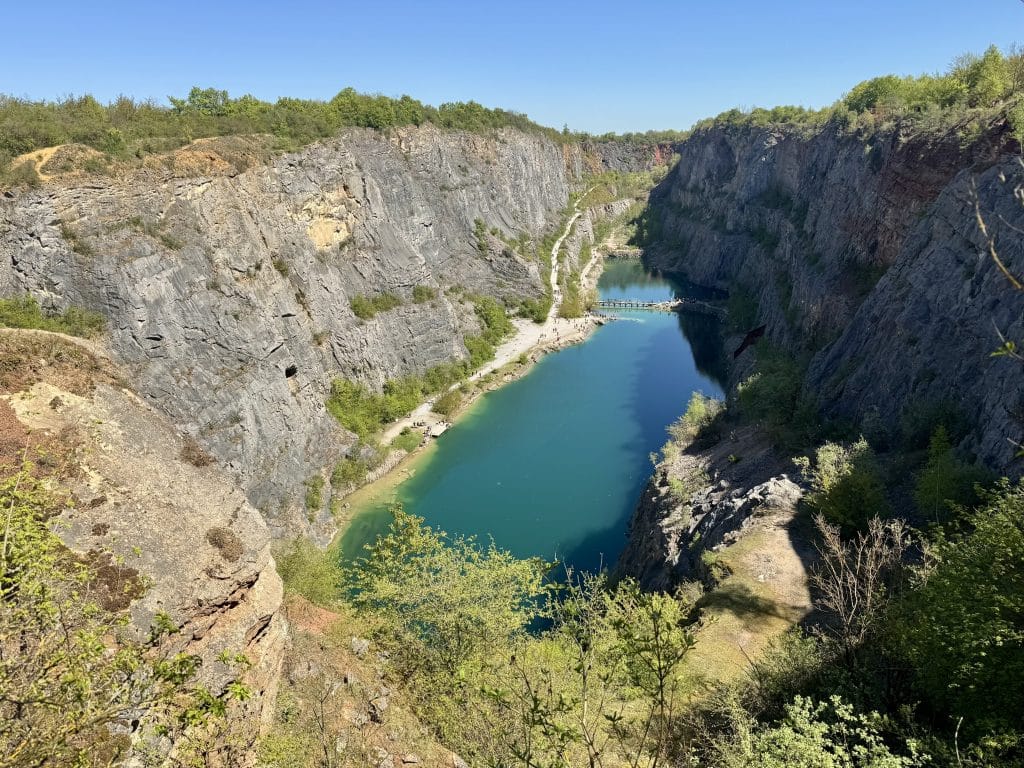
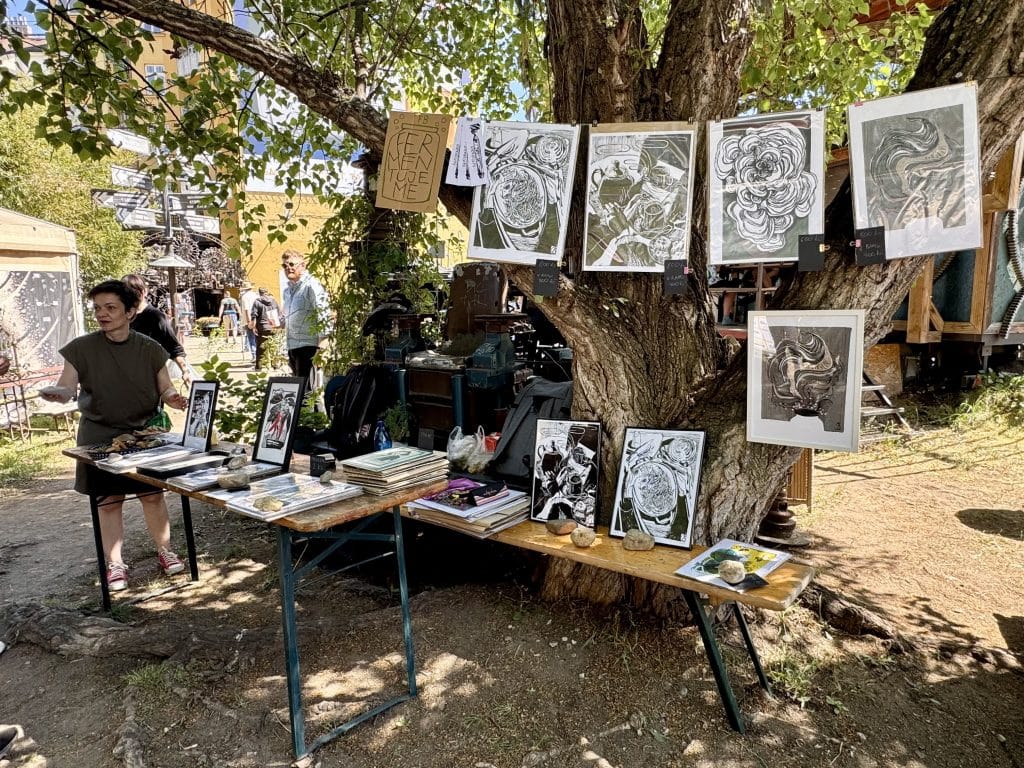
Local events during this period included the annual spicy and fermented foods festival held in the Holešovice district. Such culinary gatherings reflect Prague’s evolving food scene, which has transitioned from traditional hearty Central European fare to a cosmopolitan hub for artisanal makers, international flavor profiles, and avant-garde dining. In addition to the festival circuit, urban green spaces and nearby geological formations served as primary hiking routes. Expeditions included a trek to Velká Amerika—often referred to as the "Czech Grand Canyon"—an abandoned limestone quarry featuring striking turquoise water located near Karlštejn Castle. A second major urban hike utilized the Divoká Šárka nature reserve, situated entirely within Prague’s municipal limits near the international airport, offering rugged gorge trails and dense forests just minutes from the urban core.
Culinary highlights in the capital featured the annual dining reservation at El Camino, a Spanish tapas establishment known for progressive culinary techniques that challenge traditional definitions of small-plate dining.

UK Excursion: Cotswolds, Bristol, and the Cooper’s Hill Cheese-Rolling
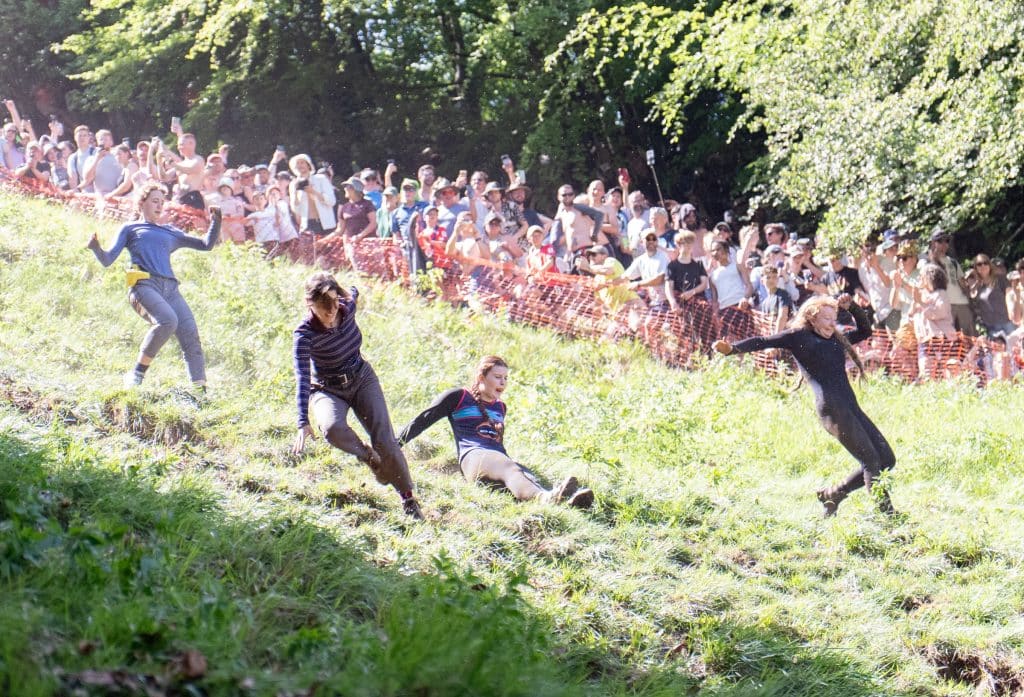
Mid-month activities shifted to a six-day journey across England, diverging from standard travel routes that typically concentrate solely on London. The primary catalyst for the UK leg was attendance at the historic Cooper’s Hill Cheese-Rolling and Wake, an annual event held near Gloucester in the Cotswolds.
The Cooper’s Hill Cheese-Rolling is a traditional event dating back centuries, where participants chase a nine-pound wheel of Double Gloucester cheese down a steep 1:2 gradient hill. Due to the extreme incline and the high velocity attained by the rolling cheese—reaching speeds up to 70 miles per hour—injuries among competitors are frequent. The event has grown from a local Gloucestershire tradition into an international spectacle, drawing spectators and media coverage from across the globe. While the spectacle provided a unique anthropological case study in British eccentricities, organizers and attendees alike note the inherent physical risks, suggesting the event remains a singular bucket-list viewing rather than a recurring itinerary staple.
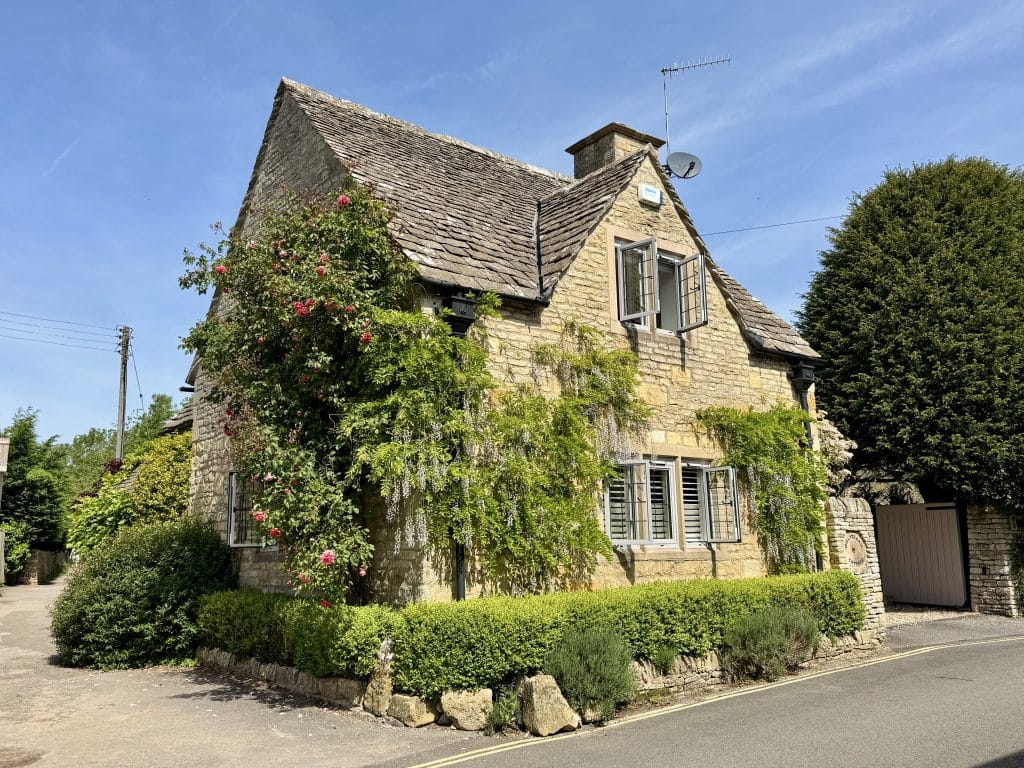
Following the cheese-rolling, the itinerary moved through the Cotswolds region, characterized by honey-colored limestone villages, thatched-roof cottages, and historical dry-stone walls. Notable stops included Bourton-on-the-Water, noted for its low bridges spanning the River Windrush; the twin villages of Upper and Lower Slaughter; and Cirencester, the capital of the Cotswolds, which maintains a distinct local commercial identity distinct from surrounding tourist-heavy hamlets.
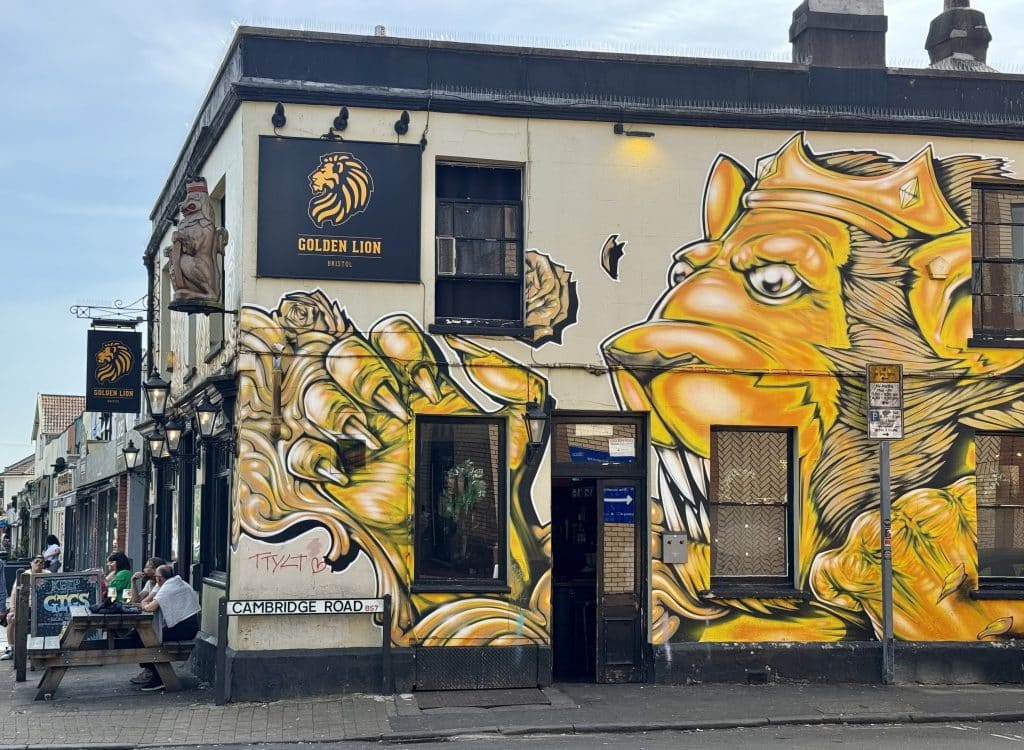
The final major stop on the UK tour was Bristol, a southwestern port city with a reputation for industrial heritage, maritime history, and a vibrant contemporary arts and music culture. Bristol’s Clifton Suspension Bridge, engineered by Isambard Kingdom Brunel and opened in 1864, served as a primary architectural landmark. Furthermore, the city’s status as a mural and graffiti capital—fostered in part by its association with street artist Banksy—was evident in neighborhoods such as Stokes Croft and Bedminster.
Culinary Recognition and Fine Dining Economics
A standout moment of the UK trip was dinner at Wilson’s, a Michelin-starred restaurant located in Bristol. The establishment, which has garnered international attention following a feature on the Apple TV+ series Knife Edge, operates on a hyper-seasonal, sustainable farm-to-table model.
The economic model of regional fine dining in the UK continues to attract culinary tourists seeking high-end gastronomy outside of London’s inflated price corridors. Wilson’s offered a seven-course tasting menu priced at approximately 78 British Pounds (GBP). In comparison to equivalent Michelin-starred establishments in London or New York—where multi-course tasting menus frequently exceed 150 to 200 GBP—regional venues of this caliber represent exceptional value within the contemporary global culinary market. This pricing structure has incentivized travelers to incorporate secondary cities like Bristol into broader travel logistics, utilizing nearby airports and rail networks to bypass the capital’s congestion.
Domestic Challenges and Veterinary Infrastructure in Prague
While travel operations proceeded smoothly, domestic life in Prague presented minor hurdles, notably involving feline health care. A sudden behavioral shift in one of the household cats, Murray—characterized by lethargy, tachypnea (rapid breathing), and loss of appetite—prompted an emergency veterinary consultation.
Subsequent diagnostic procedures, including radiography, ultrasonography, and comprehensive blood panels, revealed no underlying pathology, with clinicians attributing the symptoms to mild heat exhaustion. The incident underscored the evolving landscape of pet care infrastructure for expatriates living in Central Europe. The accessibility of English-speaking veterinary professionals operating on a 24/7 basis within a five-minute transit radius highlights significant improvements in municipal services, contrasting with historical reliance on fragmented clinic networks where language barriers and extended waiting times were common.
Comparative Urban Analysis: Gloucester vs. Cheltenham
As part of the regional exploration surrounding the Cotswolds, an afternoon was dedicated to visiting Gloucester, primarily to view Gloucester Cathedral, famed for its medieval fan vaulting and prominence as a filming location for the Harry Potter film series. However, the urban environment outside the cathedral precinct received critical evaluations regarding municipal upkeep and commercial vibrancy.
Comparative urban assessments suggest that neighboring Cheltenham offers a more cohesive and visually appealing destination for travelers based in the area. Cheltenham, renowned for its Regency architecture and extensive public parks, contrasts with the post-industrial and infrastructural challenges facing parts of central Gloucester. Travel planners frequently recommend allocating transit time to Cheltenham over Gloucester for overnight stays or extended walking tours.
Cultural Consumption: Music History and Literature

Cultural consumption during May was dominated by structured long-form projects, specifically a systematic review of Rolling Stone magazine’s updated list of the 500 Greatest Albums of All Time. Progressing through entries 68 to 51, the listening schedule yielded notable critical insights regarding the historical curation of popular music.
Key discoveries included David Bowie’s 1976 album Station to Station, recognized as a pivotal transitional work bridging classic rock instrumentation with emerging disco and funk grooves. The analysis also addressed systemic curation issues within canonical music lists, specifically highlighting the historical underrepresentation of female artists during specific chronological spans—notably a significant statistical gap between Liz Phair’s 1993 release Exile in Guyville (ranked 56th) and Amy Winehouse’s 2006 album Back to Black (ranked 33rd). Furthermore, critical commentary was directed toward the inclusion of exhaustive compilation box sets, such as James Brown’s four-hour-and-forty-five-minute Star Time, which distorts the traditional album format standard applied to the remainder of the curated list.
Literary pursuits focused on contemporary non-fiction, specifically Belle Burden’s 2025 memoir Strangers: A Memoir of Marriage. The text details the systemic financial control and subsequent marital dissolution experienced by the author within a high-net-worth socioeconomic bracket. Critics and legal analysts have noted the book’s broader cultural relevance as a cautionary text emphasizing the necessity of financial literacy and transparency within long-term partnerships, irrespective of initial socioeconomic status or educational background.
Outlook for June 2026
Operations for the upcoming month involve a relocation to the United States, focusing primarily on regional travel across Massachusetts and New York. Strategic travel planning for the domestic leg emphasizes slower pacing and localized immersion over extensive geographic coverage, targeting seasonal coastal environments in New England.
Urban walking initiatives are scheduled to continue, transitioning from European capitals to American metropolises. Planned routes include traversing Boston’s Emerald Necklace—a 1,100-acre chain of parks linked by parkways and waterways designed by Frederick Law Olmsted—and completing a continuous walking transit of Broadway in Manhattan.
The month will conclude back in Europe with attendance at a live musical performance in Prague, marking the transition from early summer North American travel back to the Central European operational base.