Lunch With the Grandmother: Tasting Chianti at the Wineries Where Families Still Pour

The evolution of modern oenotourism in Tuscany has created a stark dichotomy between high-volume commercial wine estates and independent, family-run vineyards. While major industrial producers frequently feature mechanized steel fermentation tanks, high-speed automated tasting bars, and expansive retail spaces designed for rapid visitor turnover, a growing segment of travelers is rejecting these standardized itineraries. In response to this commercialization, specialized regional operators are curating hyper-local experiences that redirect visitors away from mass-market tasting rooms and into the heart of artisanal production. A prime example is the full-day Chianti wine tour operating out of Florence, which focuses exclusively on small-scale, organic producers within the prestigious Chianti Classico denomination. This immersive journey offers a distinct counter-narrative to mass tourism, prioritizing generational heritage, sustainable farming, and direct consumer engagement with the winemakers themselves.
The Geographical and Historical Significance of Chianti Classico
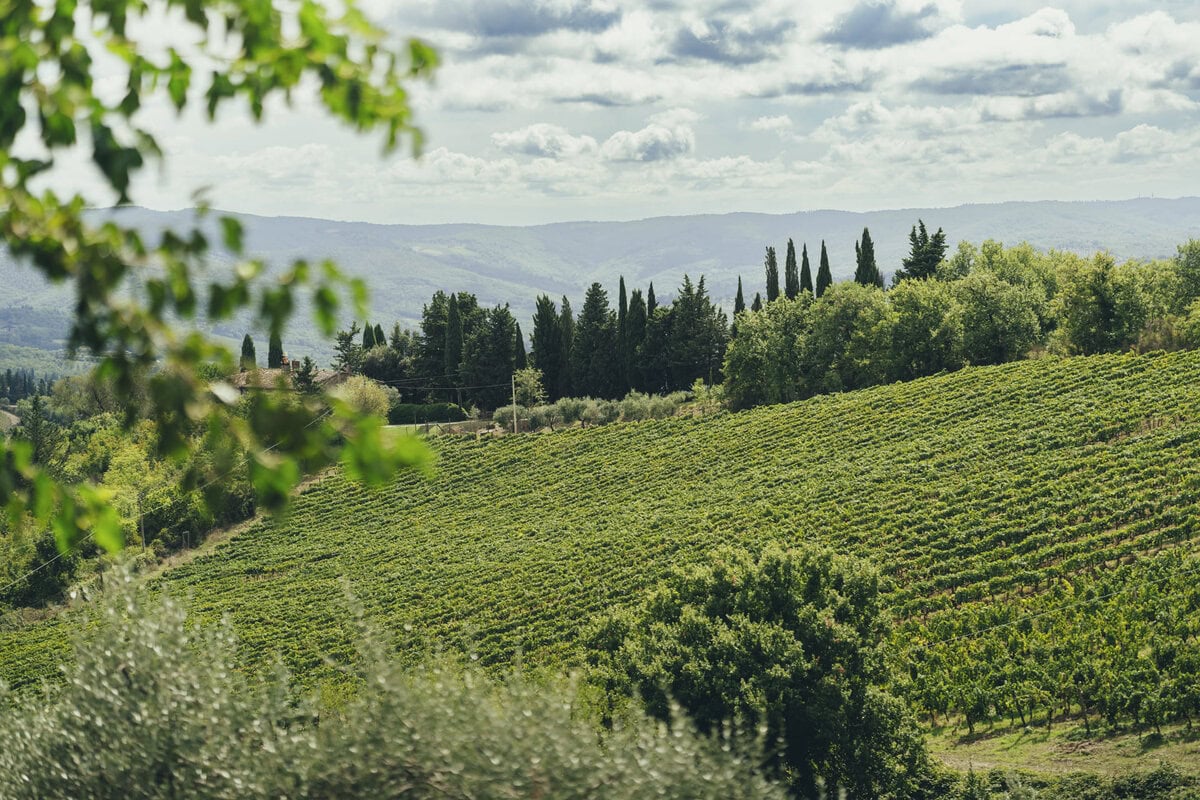
To understand the value of an artisanal vineyard tour, one must examine the specific parameters of the region. The Chianti Classico zone is a strictly regulated historical viticultural area spanning approximately 7,000 hectares of registered vineyards nestled in the picturesque hills between Florence and Siena. Established as an independent wine consortium with its own distinct identity separate from the broader Chianti production zone, Chianti Classico is defined by strict geographical boundaries and rigorous regulatory standards.
By law, any wine bearing the prestigious Black Rooster (Gallo Nero) seal on its label must originate exclusively from this historic core and consist of a minimum of 80 percent Sangiovese grapes. The terroir is characterized by a complex matrix of altitude variations, microclimates, and unique soil compositions—predominantly galestro (a crumbly schistous clay) and alberese (a hard limestone)—which impart distinct minerality and structure to the wine. Because the entire zone is relatively compact, traversing it allows agricultural experts and wine enthusiasts alike to observe firsthand how minor shifts in elevation and soil composition dramatically alter the flavor profile of a single varietal over a relatively short distance.
Chronology of an Immersive Eight-Hour Oenological Expedition
The standard operational timeline of the small-group Chianti excursion is meticulously structured to balance educational depth with leisurely cultural immersion. The typical itinerary spans approximately eight hours, commencing at 10:00 AM from a designated central meeting point in Florence. Utilizing air-conditioned small vans capped at a maximum capacity of eight participants, the tour emphasizes a boutique approach that prevents overcrowding and fosters a personalized dynamic.
Morning: Departure and the First Organic Producer
Departing Florence southward along historic routes such as the SR222 Chiantigiana, the expedition leaves the urban bustle behind within forty minutes, ascending into the rolling hills of Greve in Chianti. Every excursion is led by a certified sommelier or regional wine expert who remains with the group throughout the day, providing continuous context regarding viticultural practices, regional history, and tasting methodologies.
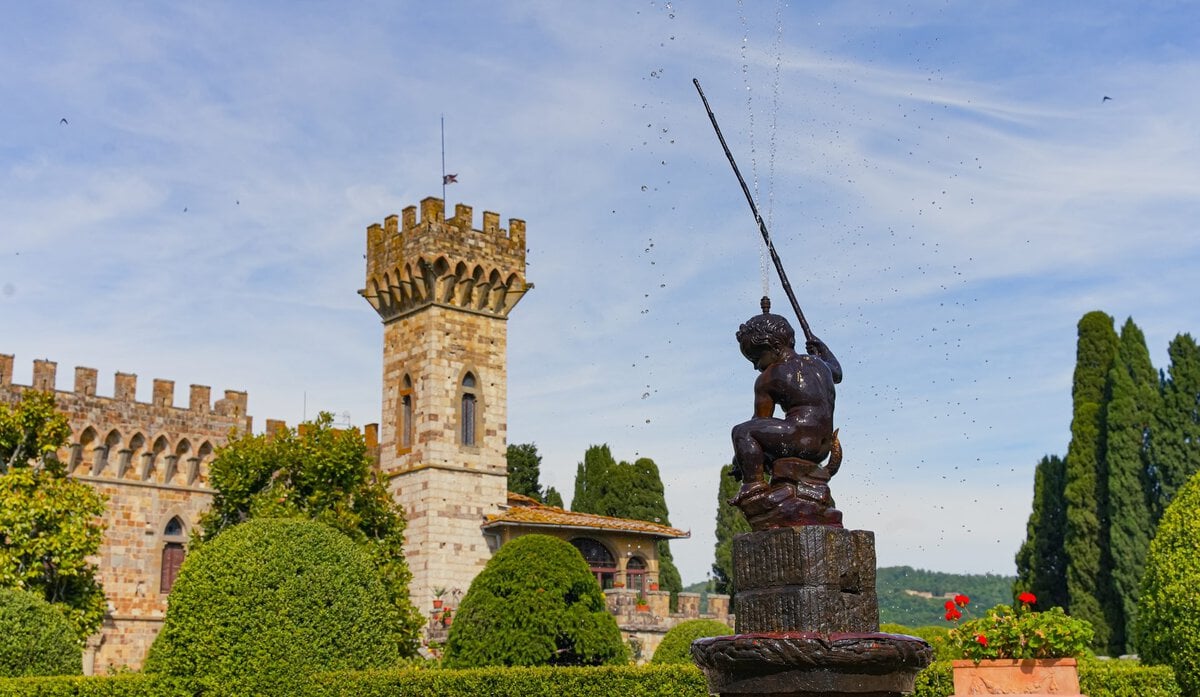
Upon arrival at the first family-run estate, guests are introduced to the sensory realities of small-scale organic farming. Unlike automated industrial plants, independent vineyards often integrate agricultural work directly into the visitor experience. Depending on the agricultural calendar—most notably the harvest season spanning from September through October—visitors may observe freshly harvested grapes arriving at the cellar doors or agricultural machinery operating in adjacent plots. At this initial stop, participants engage in their first structured tasting, guided directly by the producer or estate manager, establishing a direct link between physical labor and the contents of the glass.
Midday: The Culinary Integration and Generational Heritage
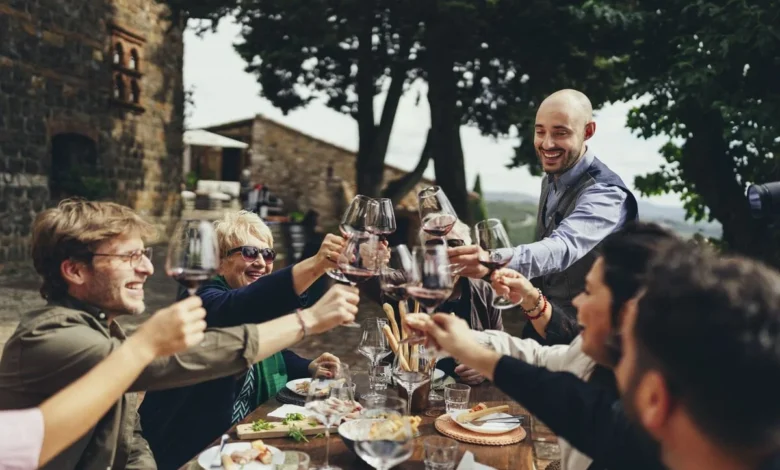
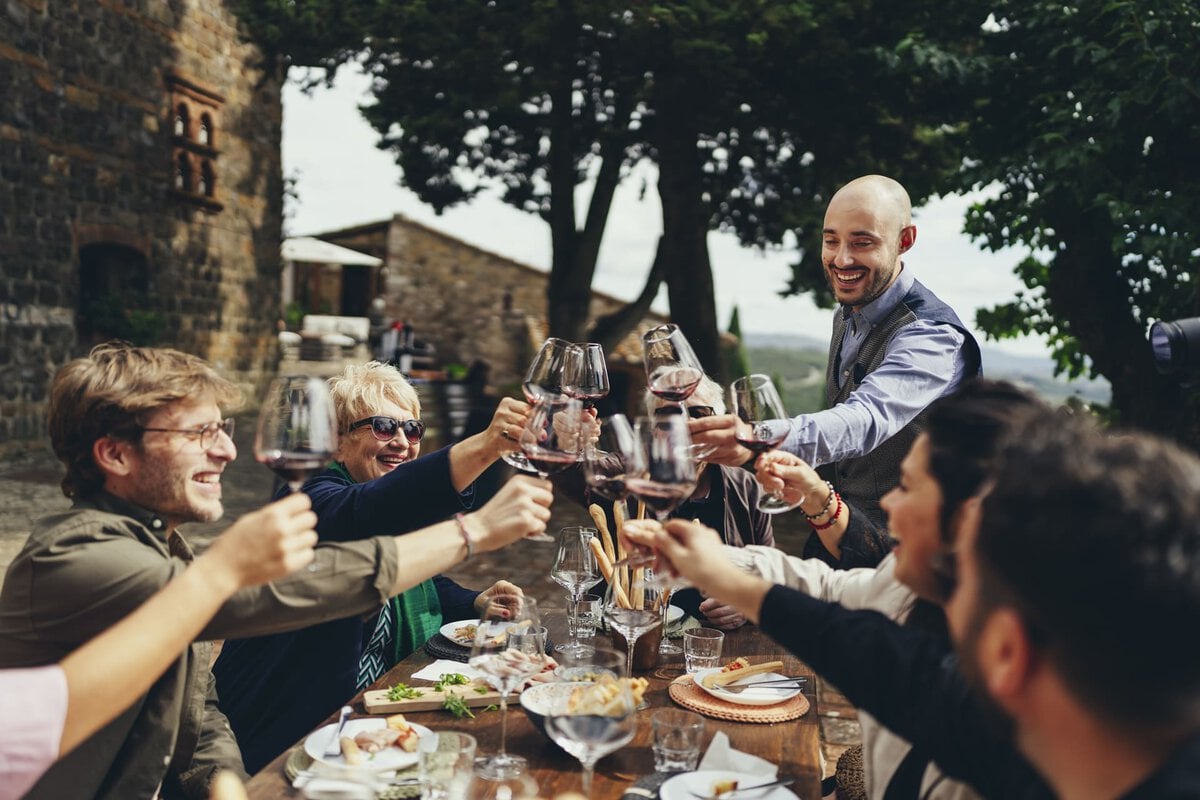
The emotional and cultural apex of the tour occurs at the second destination, where the itinerary transitions into a deeply personal communal gathering. At these micro-estates, agricultural preservation is inextricably linked to familial legacy. While the patriarch of the family guides visitors through the surrounding vineyards to explain the nuances of the local terroir, microclimate influences, and vine management techniques, elder family members—frequently referred to affectionately by guests as the estate’s matriarch—prepare a traditional Tuscan lunch in the family kitchen.
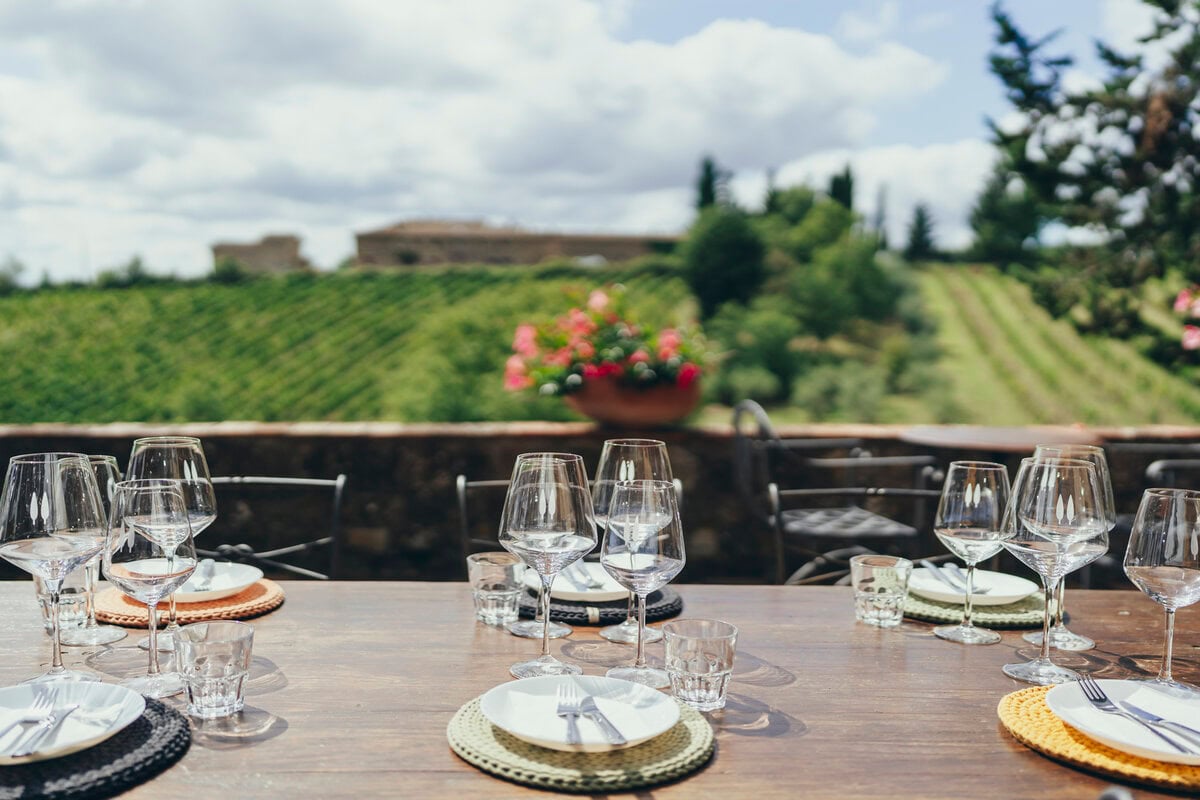
This culinary component is not merely a meal, but an authentic cultural exchange. The menu features regional staples crafted from locally sourced ingredients, intentionally paired with the estate’s current vintage portfolio. This intimate setting allows travelers to experience Italian agriturismo in its purest form: dining at a private family table with views overlooking the very vines that yielded the wine in their glasses. Vegetarian and dietary accommodations are routinely integrated upon request, ensuring universal access to the culinary experience.
Afternoon: Comparative Analysis and Return to Florence
The final phase of the expedition involves a third boutique winery, allowing participants to synthesize the knowledge accumulated throughout the day. By engaging in sequential comparative tastings across three distinct micro-estates, guests develop a sophisticated palate capable of discerning subtle variances in acidity, tannin structure, aging methods (such as the use of traditional large Slavonian oak barrels versus French barriques), and regional flavor profiles.
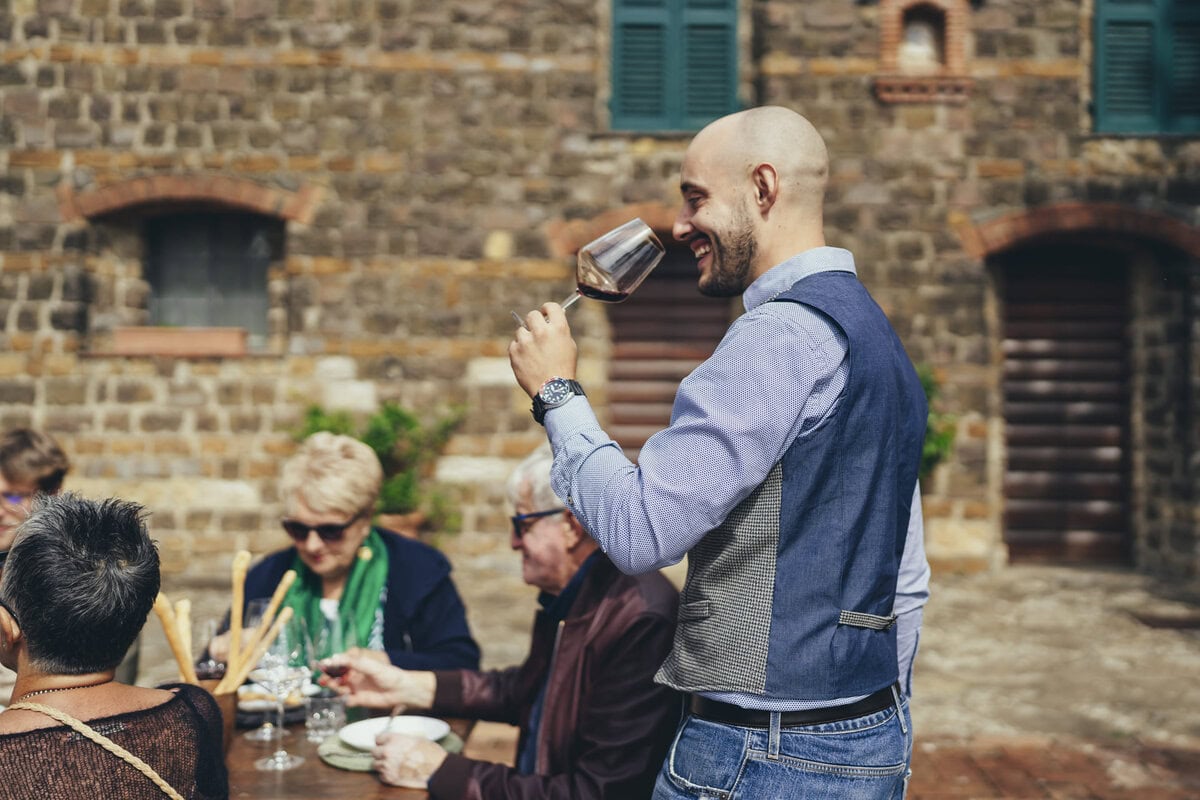
The sommelier facilitates this educational process, teaching participants how to analyze a wine’s legs, assess aromatic complexity, and articulate tasting notes effectively. The tour concludes with a return journey to Florence, dropping passengers off in the Sant’Ambrogio district by approximately 5:30 PM.
Economic and Logistical Framework for Travelers
For prospective participants planning an excursion into the Chianti hills, several practical and financial considerations govern the experience. Current pricing structures for the small-group sommelier-led tour are established at approximately €210 per adult and €165 for children up to 16 years of age, reflecting the premium nature of small-batch organic tastings, private chef-prepared dining, and expert-guided logistics. Optional hotel pickup and drop-off services within Florence are available upon request for an additional fee of €80.
Physical Demands and Accessibility
The physical exertion level required for the itinerary is classified as low. Walking is generally restricted to short, manageable distances between the transport vehicle, historical cellars, and dining areas. However, travelers should note that historic agricultural estates frequently feature uneven gravel courtyards, cobblestone paths, and subterranean cellar staircases, necessitating sensible footwear. Furthermore, because a significant portion of the day is conducted outdoors or in natural, unheated stone cellars, participants are advised to carry weather-appropriate outer layers to counter the naturally cool microclimate of wine-aging cellars, even during the peak summer months.
Alcohol Consumption and Safety Regulations
Given that the core itinerary involves tasting approximately twelve distinct wine pours across three separate venues over an eight-hour period, professional operators prioritize safety by completely removing the burden of driving from the participants. The provision of private transport ensures that guests can fully enjoy the oenological offerings without legal or safety liabilities. Additionally, pacing strategies—such as hydrating with water between stops and utilizing spittoons or leaving pours unfinished—are fully supported by the professional guides.
Broader Industry Implications and the Shift Toward Sustainable Tourism
The burgeoning popularity of hyper-local, small-producer agricultural tours reflects a broader structural shift within the global tourism industry. Modern travelers are increasingly abandoning passive sightseeing in favor of transformative, education-driven experiences that emphasize sustainability, authenticity, and direct economic support for local communities.
By bypassing massive commercial conglomerates, visitors contribute directly to the financial sustainability of multi-generational family farms that practice organic agriculture. This direct-to-consumer model not only preserves traditional farming heritage and protects regional biodiversity against industrial homogenization, but it also empowers travelers to become informed consumers. Armed with the knowledge of how to identify authentic designations like the Black Rooster seal, and equipped with a foundational understanding of sustainable viticulture, guests carry home educational takeaways that permanently alter their engagement with wine culture long after their departure from Tuscany.