Beyond the Gates of Morocco: A Comprehensive Guide to Expanding Your North African Itinerary Across Borders and Seas

Many travelers arrive in Morocco captivated by the sensory richness of the medinas and the sweeping vistas of the Atlas Mountains, often failing to realize that this North African nation serves as a strategic gateway to a diverse array of neighboring territories. The geographic position of Morocco, perched at the crossroads of the Atlantic Ocean and the Mediterranean Sea, offers a unique opportunity for travelers to expand their horizons. By utilizing established ferry networks, short-haul aviation, and overland corridors, visitors can seamlessly transition from the historic alleys of Fez or Marrakech into the European Union, the British Overseas Territories, or the expansive reaches of the Sahara.
The Strait of Gibraltar: A Historic Maritime Corridor
The connection between Morocco and Spain is perhaps the most significant logistical link in the region. Separated by a mere 14 kilometers (roughly nine miles) at the narrowest point of the Strait of Gibraltar, the maritime transit between the two continents has served as a conduit for trade, culture, and migration for millennia. Today, this route is one of the most efficient international transit corridors globally.
For the modern traveler, the transit is remarkably straightforward. Citizens of the European Union, the United Kingdom, the United States, and Canada, among others, generally require only a passport valid for six months beyond their date of departure to enter the Schengen Area. No advance visa is required for stays of up to 90 days. The ferry infrastructure is robust, with major operators such as FRS (DFDS), Balearia, and Armas facilitating daily transit between ports like Tangier Med, Tangier Ville, and Nador on the Moroccan side, and Algeciras, Tarifa, and Motril on the Spanish side.

The economic and social implications of these crossings are profound. According to data from the Spanish Port Authority, millions of passengers cross the Strait annually, a figure that surges during the seasonal "Operation Crossing the Strait" (Operación Paso del Estrecho), where Moroccan expatriates return home for the summer. This maritime artery is not merely a tourist route; it is the backbone of the Mediterranean’s logistics, connecting the vibrant economies of the Maghreb with the European market.
Spanish Exclaves: The European Union in Africa
A unique geopolitical reality exists in the form of the Spanish autonomous cities of Ceuta and Melilla. These two urban centers, located on the North African mainland, represent the only land borders between the European Union and the African continent.
Travelers approaching these cities should be prepared for formal border procedures that mirror those found at any international Schengen border. Crossing into Ceuta or Melilla is technically entering Spanish soil, and therefore, EU territory. This creates a fascinating, albeit complex, cultural juxtaposition: one can have breakfast in a traditional Moroccan souk and, within hours, be walking through a distinctly Spanish plaza, complete with tapas bars and European civil law. Historically, these territories have served as points of tension and transition, with their status frequently discussed in bilateral talks between Madrid and Rabat. Understanding that these are not merely "border towns" but fully integrated European municipalities is essential for any traveler planning an itinerary that includes them.
The Canary Islands: An Atlantic Extension
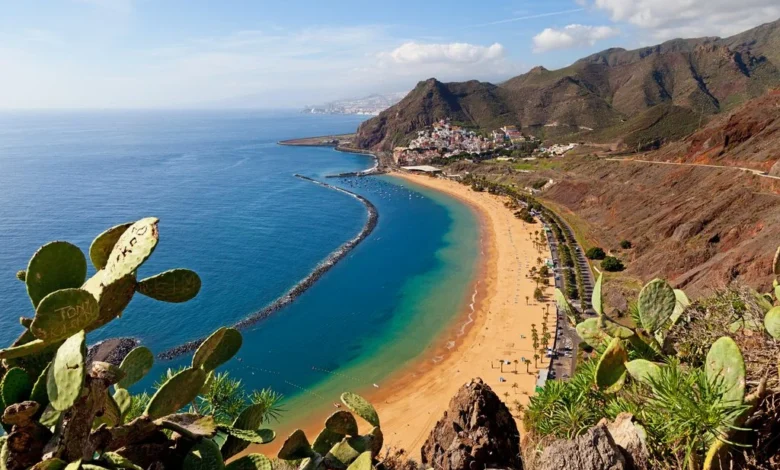
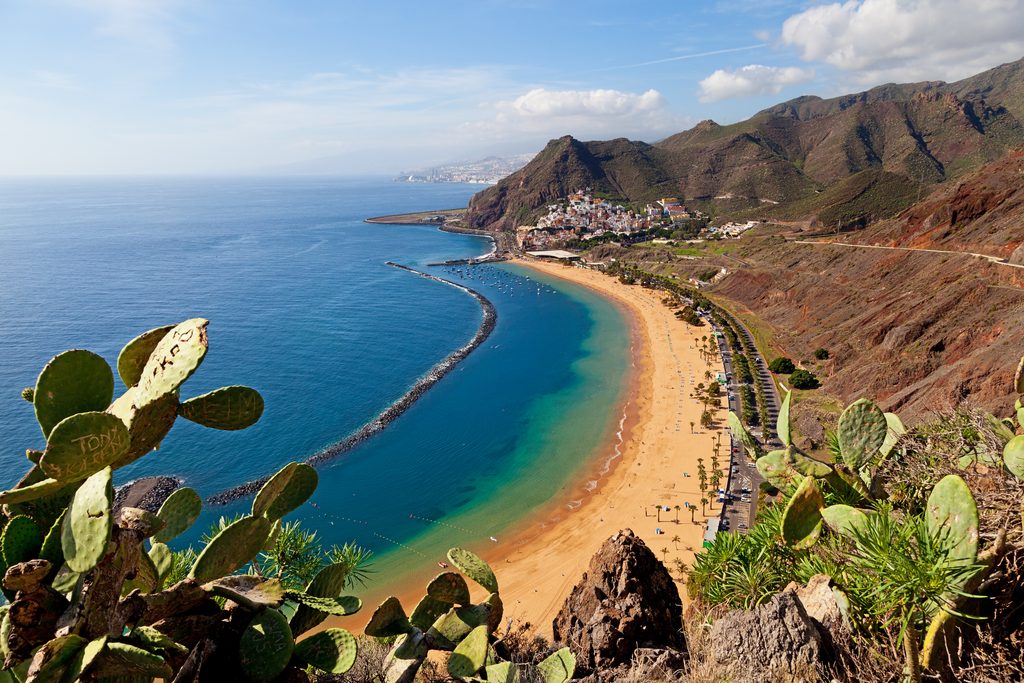
Extending further into the Atlantic, the Spanish Canary Islands sit geographically closer to the coast of Western Sahara and southern Morocco than they do to mainland Spain. Tenerife, Gran Canaria, Lanzarote, and Fuerteventura are linked to Morocco through a dense network of short-haul flights and, to a lesser extent, regional maritime links.

From a climatological and geological perspective, the Canaries serve as a natural extension of the Moroccan Atlantic experience. Volcanic landscapes, similar to those found in the Anti-Atlas, meet the subtropical climate of the Atlantic. Aviation statistics show a consistent demand for these routes, particularly from hubs like Marrakech and Casablanca, as tourists increasingly combine the cultural density of Morocco with the resort-based leisure infrastructure of the Canaries.
The Strategic Importance of Gibraltar
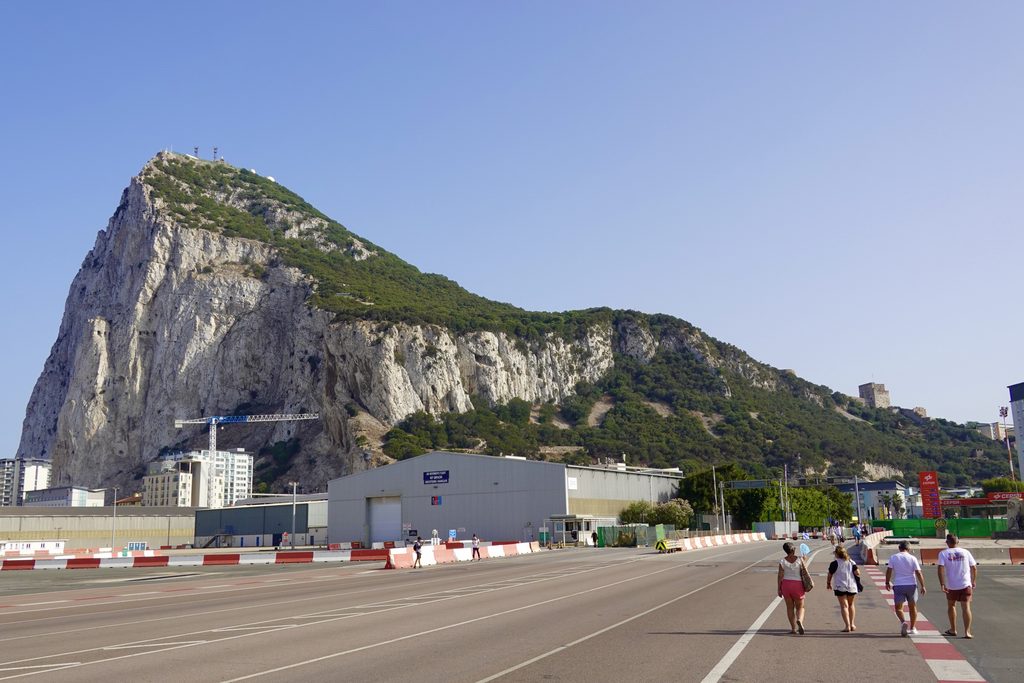
To the north of the Strait lies the British Overseas Territory of Gibraltar. Known historically for its strategic military value, "The Rock" remains a major focal point for regional tourism and trade. For the traveler, entering Gibraltar from Morocco usually involves transit via Spain.
The cultural contrast is striking; the presence of British architecture, the use of the British pound, and the unique history of the limestone fortress provide a distinct experience compared to the surrounding Iberian and Maghreb cultures. Visitors often find that the proximity of Gibraltar to the southern Spanish coast allows for a convenient day-trip or a multi-day stopover before returning to Morocco or moving deeper into Europe.
The Southern Frontier: Western Sahara and Mauritania
Venturing south into the Western Sahara and toward the Mauritanian border represents a significant shift in the travel experience. Unlike the northern routes, this region demands rigorous logistical planning and a heightened awareness of regional stability.
Western Sahara is a territory with a complex political status, largely administered by Morocco. Major coastal hubs such as Dakhla have transformed into international destinations, particularly for those interested in high-end kitesurfing and desert ecology. However, travelers should note that while the coastal regions are generally stable, remote border regions remain sensitive. It is highly recommended that travelers consult the latest diplomatic travel advisories issued by their home countries, as the situation in the Saharan interior can evolve rapidly.
Crossing into Mauritania is an endeavor reserved for the seasoned traveler. The border crossing at Guerguerat is the primary, and often only, functional land route. Mauritania offers an immersive experience into the heart of the Sahara, characterized by ancient caravan towns and nomadic traditions. However, the logistical challenges—including the requirement for visas, the scarcity of infrastructure, and the necessity of navigating remote desert terrain—cannot be overstated. Prospective travelers should ensure they have sufficient fuel, water, and reliable communication equipment, and should strictly adhere to local safety guidance provided by border authorities.
The Geopolitical Reality: The Morocco-Algeria Border
A critical aspect of regional planning is the understanding of existing political constraints. The land border between Morocco and Algeria has been closed since 1994, following a period of heightened diplomatic tension and a subsequent visa dispute. This closure remains one of the longest-standing border closures in the modern world.
The implications for travel are absolute: there is no possibility of a direct land crossing, and direct flights between the two nations are not available. This reality necessitates that travelers wishing to visit both countries must route their travel through a third-party hub, most commonly in Europe or Tunisia. This geopolitical stalemate serves as a reminder that in North Africa, the ease of movement is subject to the fluctuations of international relations.
Conclusion: A Regional Perspective
The decision to extend a Moroccan itinerary beyond its national borders is an exercise in appreciating the interconnectedness of the Mediterranean and Saharan worlds. Whether crossing the Strait of Gibraltar to explore the heritage of Andalusia, or navigating the coastal reaches of the Atlantic toward the Canary Islands, the traveler gains a clearer understanding of how geography and history have shaped the current landscape of the region.
The maritime routes, the European enclaves, and the Saharan gateways are not just transit points; they are historical markers of the convergence of Africa and Europe. For those willing to navigate the logistical requirements and the unique cultural landscapes of these neighboring territories, the reward is a broader, more nuanced perspective on one of the most historically significant regions on Earth. As travelers plan their routes, they should prioritize up-to-date documentation, monitor diplomatic communications, and respect the local customs and regulations of each sovereign territory they encounter. By doing so, the traveler does not merely visit a collection of countries; they experience the living, breathing reality of a region that continues to serve as the world’s most vibrant crossroads.