Holafly Launches Global Subscription-Based eSIM Plan Targeting Digital Nomads and Frequent International Travelers

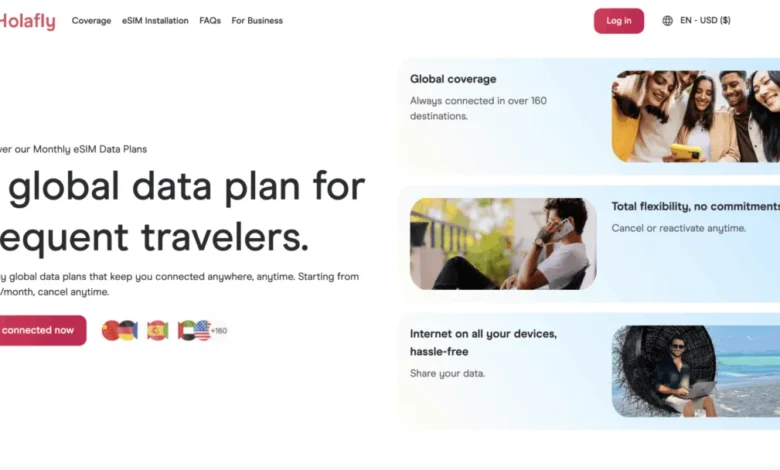
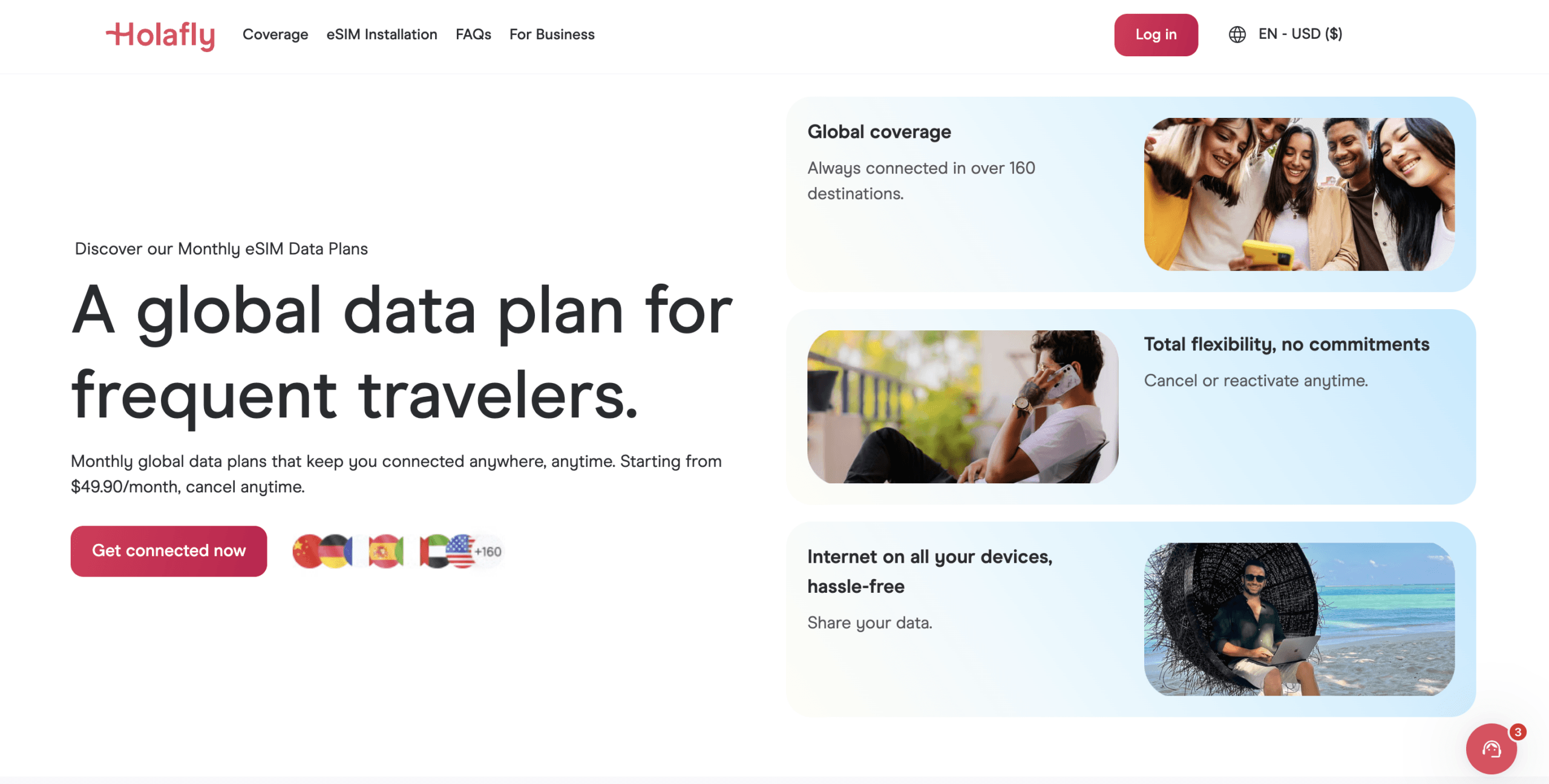
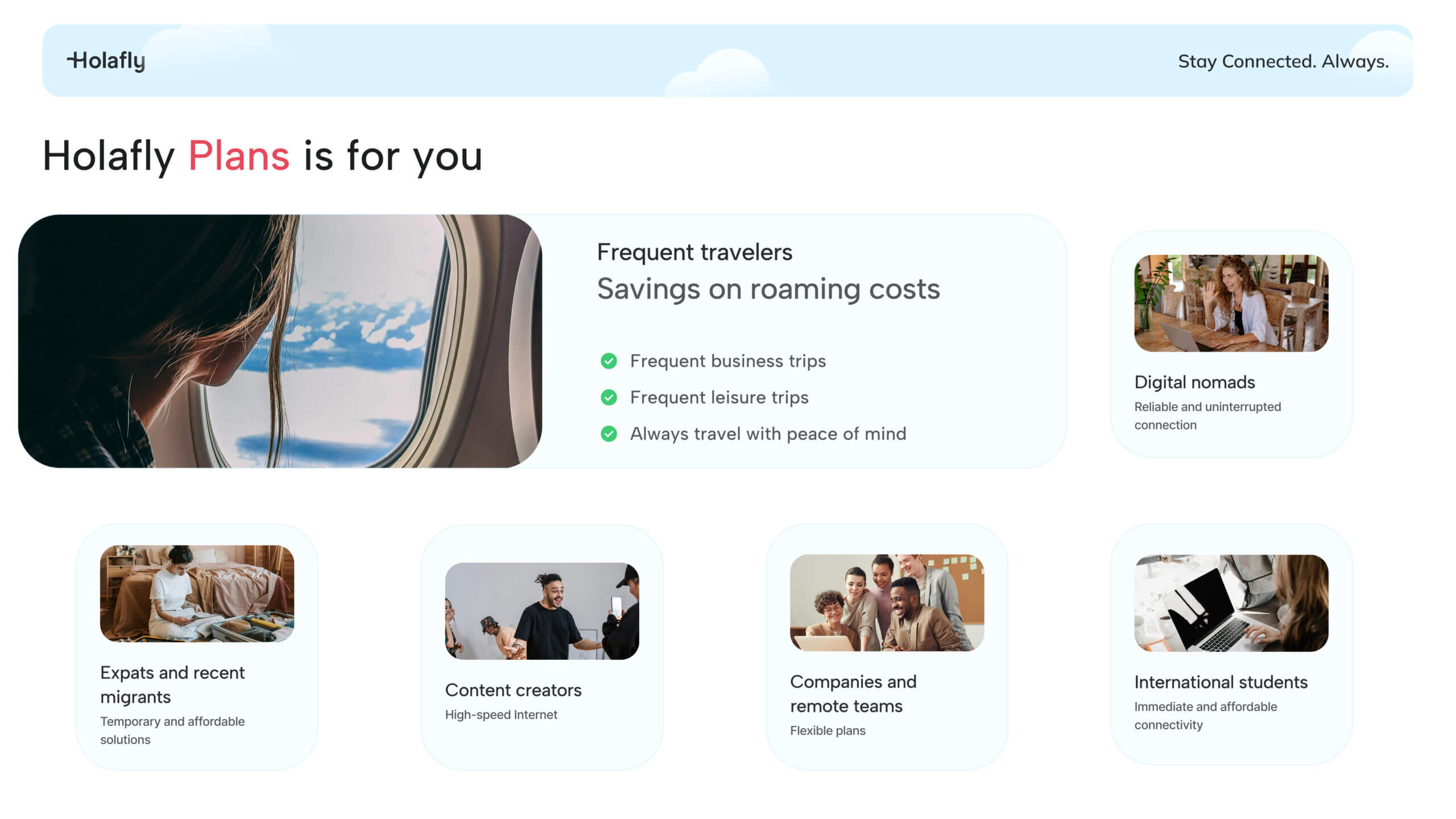
The international telecommunications and travel technology sector has witnessed a significant shift with the introduction of subscription-based, multi-destination eSIM (embedded subscriber identity module) services. Travel technology provider Holafly has officially launched its new product line, designated as Holafly Plans, designed to offer continuous, cross-border data connectivity under a single ongoing subscription. This development marks a departure from traditional, single-destination prepaid digital SIM cards, addressing long-standing connectivity challenges faced by long-term travelers, digital nomads, and frequent international commuters.
Background and Industry Context
For decades, international travelers relied on physical roaming passes provided by domestic carriers, local SIM cards purchased upon arrival, or, more recently, single-trip digital eSIMs. While traditional roaming passes offered convenience, they have historically been characterized by prohibitive daily fees—often ranging from $10 to $20 per day—coupled with strict data throttling after small daily allowances. Conversely, acquiring local SIM cards in foreign markets requires navigating language barriers, verifying identity documentation regulations specific to each country, and physically swapping chips or activating new profiles upon every border crossing.
The advent of eSIM technology mitigated some of these physical hurdles by integrating subscriber profiles directly into smartphone hardware, allowing users to install multiple digital profiles simultaneously. However, until recently, consumers traveling across multiple countries within a short timeframe still had to purchase separate regional or country-specific packages repeatedly. Holafly Plans seeks to resolve this fragmentation by introducing a centralized, multi-destination subscription model spanning over 160 countries.
Product Architecture and Service Tiers

The newly introduced subscription model functions similarly to a traditional domestic mobile carrier service but is structured specifically for global mobility. Consumers can select from monthly, quarterly, or annual billing cycles, with options for cancellation at any time without long-term penalty contracts.
The service is divided into two primary tiers:
-
The Light Plan: Tailored for moderate users, this tier provides 25 gigabytes of high-speed monthly data, includes mobile hotspot capabilities to tether secondary devices such as laptops, and maintains coverage across the full network of over 160 destinations.
-
The Unlimited Plan: Aimed at remote workers, digital content creators, and heavy data consumers, this tier removes data caps entirely and includes unrestricted hotspot usage. Furthermore, the Unlimited tier incorporates a local phone number originating from the United States, the United Kingdom, or Canada, enabling subscribers to receive incoming SMS messages while abroad.
Both tiers incorporate Holafly’s "Always On" feature, which automatically allocates one gigabyte of backup data monthly across supported networks. This backup functionality remains active for life, even if the primary subscription is subsequently terminated by the user.
Comparative Market Analysis and Cost Implications
Financial evaluations of international roaming options indicate substantial cost disparities between traditional carrier solutions and emerging global eSIM subscription models. Major telecommunications providers in North America and Europe typically bill international roaming add-ons at approximately $100 to $300 per month, frequently imposing speed restrictions after initial data thresholds are met.
In contrast, Holafly’s Unlimited subscription tier is priced at approximately $55 per month when secured on an annual commitment, with quarterly and monthly options providing alternative pricing structures. Shorter-term commitments or monthly billing cycles command slight price variations, while quarterly and annual commitments yield incremental cost savings ranging from 10% to 15%.
Industry analysts note that while traditional single-destination prepaid eSIMs remain the most cost-effective option for isolated, short-duration vacations lasting one to two weeks, multi-destination subscription models significantly reduce administrative friction and overhead expenses for individuals crossing multiple national borders monthly.
Chronology of Deployment and Market Reception
The rollout of Holafly Plans follows years of iterative development within the digital travel infrastructure market. Initial iterations of travel eSIMs focused primarily on single-country coverage, expanding later to regional bundles (such as Europe-wide or Asia-wide packages). The transition to an automated, globally persistent subscription framework represents the logical next phase in matching the flexibility demanded by the modern remote workforce.
Market reception from travel technology commentators and digital nomad communities has centered largely on the reduction of operational friction. Users no longer need to monitor expiration dates of localized packages, search for reliable airport Wi-Fi to purchase subsequent data plans upon landing, or experience sudden connectivity drops when crossing international land borders.
Implementation and Technical Specifications
Activation of Holafly Plans relies on standard eSIM installation protocols. Upon purchasing a subscription through the provider’s digital interface, users receive a Quick Response (QR) code or direct in-app installation prompt. Once the digital profile is downloaded to a compatible smartphone, the device automatically detects and connects to partner cellular networks upon arrival in any covered destination.
Technical compatibility requires an eSIM-enabled smartphone—a specification standard across most flagship and mid-range devices manufactured within the past five years. Customer support infrastructure has been established on a 24/7 basis to assist users with potential network handoff issues or device configuration challenges.
Broader Implications for Global Connectivity
The expansion of subscription-based, borderless telecommunications products signals a broader trend toward the decoupling of mobile connectivity from domestic carrier monopolies. As remote work and international mobility continue to rise globally, travelers increasingly demand utility models that mirror domestic connectivity standards without incurring exorbitant roaming penalties or administrative overhead.
The introduction of products like Holafly Plans pressures traditional network operators to re-evaluate their international roaming pricing strategies. As digital-first alternatives gain market share, legacy carriers may face mounting pressure to offer transparent, competitively priced global data packages rather than relying on legacy tiered daily pass models.
Related posts: