The Ultimate Guide to Choosing the Best European eSIM Data Plans for International Travelers in 2024


As international travel rebounds to pre-pandemic levels, staying connected while navigating foreign countries has evolved from a luxury to a fundamental requirement. Historically, travelers arriving in Europe relied heavily on physical SIM cards acquired at airport kiosks or local convenience stores, or paid exorbitant fees for international roaming packages offered by their domestic home carriers. However, the telecommunications landscape has experienced a major paradigm shift with the mainstream adoption of embedded subscriber identity modules, commonly known as eSIMs. This digital technology allows smartphone users to download and connect to European cellular carriers remotely, bypassing the need to swap physical plastic cards.

The Technological Evolution of eSIMs in Modern Travel
The introduction of eSIM technology represents a monumental leap forward in mobile connectivity. Unlike traditional SIM cards, which are physical chips that must be manually inserted into a device’s hardware tray, an eSIM is a rewritable digital chip built directly into the motherboard of modern smartphones, tablets, and smartwatches. Major manufacturers have progressively phased out physical constraints in newer iterations; notably, domestic models of the iPhone 14 and iPhone 15 sold in the United States have eliminated the physical SIM tray entirely in favor of dual eSIM functionality.

This digital transition offers unprecedented flexibility for global travelers. Users can store multiple cellular profiles on a single device, enabling them to maintain their primary domestic phone number for emergency calls and two-factor authentication text messages while simultaneously utilizing a cost-effective local data plan abroad. Furthermore, the absence of physical logistics means travelers can purchase, download, and configure their European data plans weeks before departure, ensuring instant connectivity the moment their aircraft touches down on European soil.
Why Mobile Data is Indispensable in Contemporary Europe

Navigating modern European infrastructure without reliable high-speed mobile data is increasingly impractical. While public Wi-Fi hotspots are available in select cafes, hotels, and transit hubs, relying on them presents significant security risks, inconsistent connection speeds, and frustrating coverage gaps.
The daily mechanics of European society heavily rely on digital integration. Essential travel functions—ranging from purchasing high-speed rail tickets on platforms like Eurostar and Deutsche Bahn to hailing rides via Uber or local taxi applications—require continuous internet access. Furthermore, the post-pandemic hospitality industry has widely adopted contactless services. Traditional paper menus have largely been replaced by QR codes, municipal public transportation systems rely on real-time digital tracking applications, and an increasing number of restaurants and merchants mandate smartphone-based payment solutions. Consequently, securing a robust, high-speed data connection is no longer optional for a seamless journey.
Comparative Analysis: Third-Party eSIMs vs. Domestic Carrier International Plans
For travelers originating from North America, Australia, and other non-European regions, domestic mobile carriers typically market international roaming add-ons. While these plans promise convenience, a careful financial and technical analysis reveals significant drawbacks.

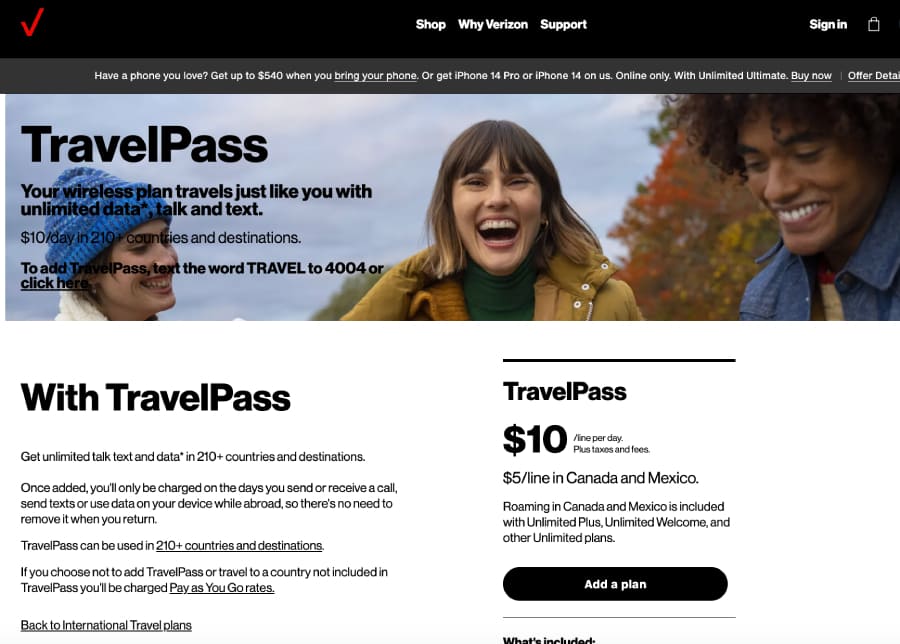
Major United States carriers, for instance, frequently charge steep daily access fees. Programs such as the AT&T International Day Pass and the Verizon TravelPass typically cost approximately $10 per day, accumulating to $300 per month for a single traveler. Moreover, carriers often impose strict throttling limits; Verizon, for instance, reduces connection speeds to sluggish 3G levels after just 2 gigabytes of high-speed usage per day. Meanwhile, while T-Mobile offers complimentary international data on select plans, speeds are routinely throttled down to archaic 2G rates after a cumulative 5-gigabyte threshold is reached, rendering bandwidth-heavy applications like navigation and video calling virtually unusable.
In stark contrast, prepaid third-party eSIM data plans tailored for the European market are significantly more cost-effective. Providers offer comprehensive packages ranging from $2 to $5 per day, translating to savings of up to 80 percent compared to traditional domestic roaming packages.
Top-Tier eSIM Providers and Plan Options for Europe
Because the European Union successfully outlawed intra-EU mobile data roaming fees, a data plan purchased from a carrier in one EU member state functions seamlessly across all other member territories. Travelers can purchase a French-based eSIM, for example, and utilize it effortlessly across Germany, Italy, Spain, and beyond. Industry experts and frequent travelers frequently highlight several standout options based on data allowances, validity periods, and network reliability:

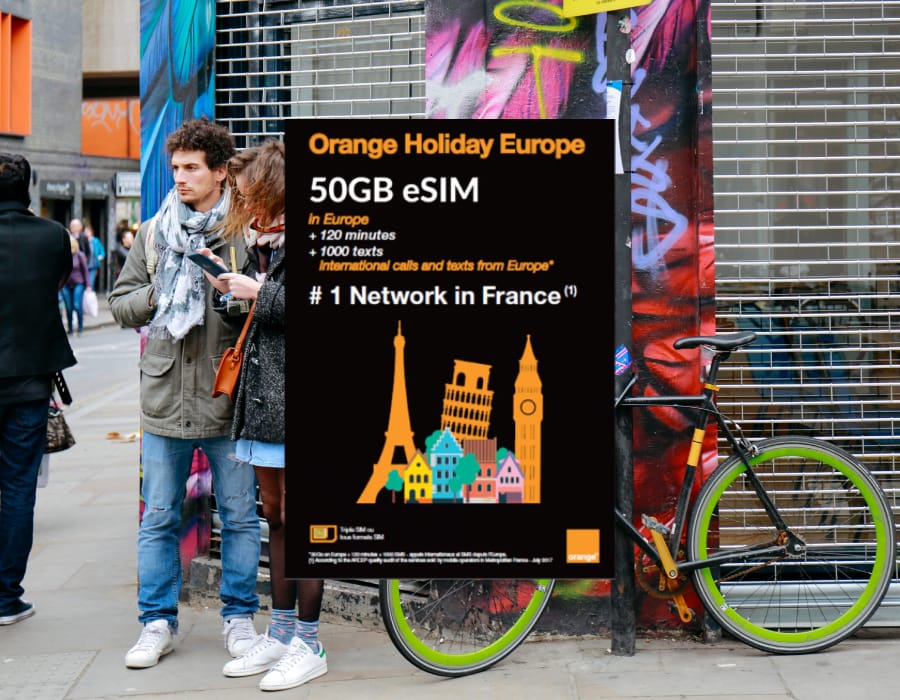
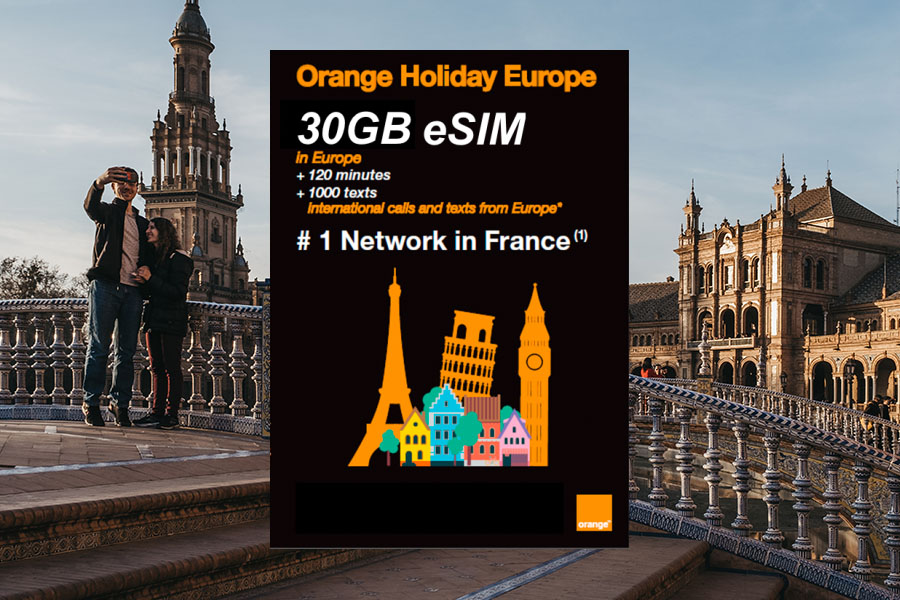
Orange Holiday Europe eSIM (50GB and 30GB Variants): Operated by Orange, one of Europe’s largest telecommunications conglomerates, these plans provide exceptional network coverage and rapid 5G speeds. The 30GB plan is valid for 14 days, while the upgraded 50GB plan extends validity to 28 days. Uniquely, these plans include a genuine French phone number, enabling unlimited voice calling and text messaging across Europe, alongside mobile hotspot tethering capabilities.
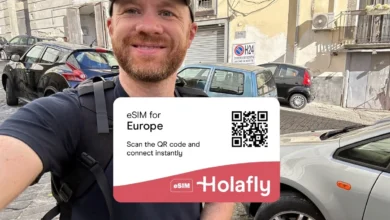
Holafly Europe eSIM with Unlimited Data: Tailored for heavy data consumers, Holafly provides flexible plan durations ranging from 1 to 90 days with truly unlimited data allowances. Headquartered in Europe, the provider ensures high-speed connectivity across multiple nations, eliminating anxiety over data caps, though mobile hotspot usage is typically restricted on unlimited tiers.
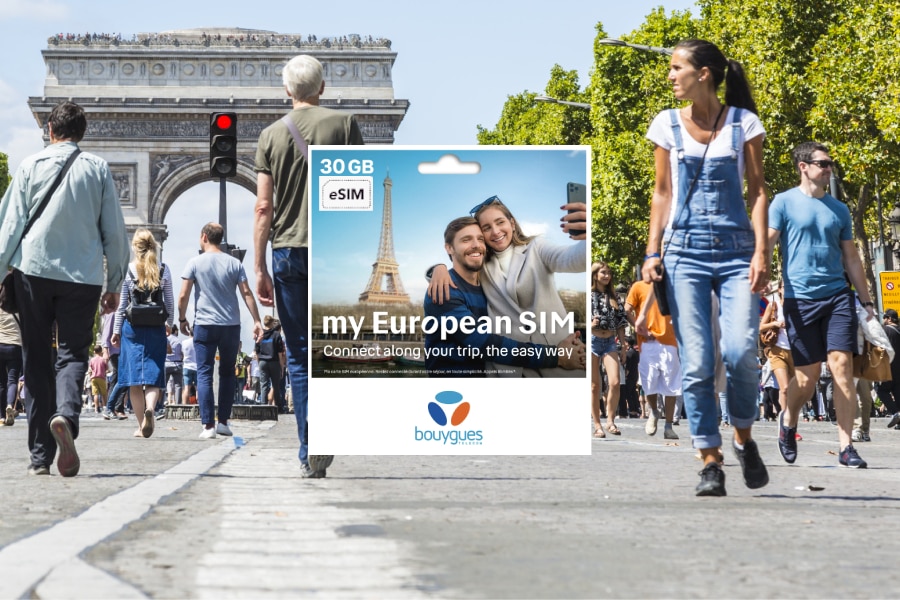
Bouygues My European eSIM: Another major French telecommunications provider, Bouygues offers a competitive 30-day plan featuring a generous 30GB data allocation and unlimited European calling. This option is particularly advantageous for mid-length vacations and digital nomads seeking reliable coverage backed by tier-one infrastructure.
Smart Comfort X eSIM: Designed as a budget-friendly, data-only alternative, this international eSIM provides a modest 5GB data pool without traditional voice or text services. Operating via partner networks in individual countries (such as O2 in Germany and WIND in Italy), it suits light data users who rely on internet-based messaging platforms like WhatsApp or Apple iMessage.
Crucial Technical Considerations and Regional Exceptions
While the European Union guarantees borderless roaming among its member states, travelers must remain mindful of prominent geographic exceptions. Switzerland and the United Kingdom are not members of the European Union. Consequently, certain third-party eSIM providers exclude these nations from their standard regional coverage maps. Consumers must carefully review individual plan terms to ensure seamless connectivity if their itinerary includes Zurich, London, or other non-EU destinations.
Additionally, device compatibility remains a prerequisite. Smartphones must be network-unlocked by the user’s domestic carrier before an international eSIM can be successfully installed and activated. Travelers are strongly advised to verify their device’s unlock status and eSIM capability well in advance of departure.
Practical Implementation and Activation Best Practices

Transitioning to an eSIM requires minimal technical proficiency, particularly following recent mobile operating system updates. Apple’s iOS 17.4 release introduced automated eSIM installation and activation features, streamlining the user experience significantly.
To ensure a frictionless transition, travelers should purchase their chosen eSIM plan online prior to departure, utilizing home Wi-Fi to complete the initial setup. Upon purchase, providers typically deliver a digital QR code via email. Users should install the carrier’s application and preload the profile onto their device before travel, but exercise caution regarding final activation. Because validity countdown timers—typically spanning 14 to 30 days—begin immediately upon the network’s initial activation, users should refrain from fully activating the service until they physically arrive at their European destination.

Furthermore, travelers can optimize their mobile experience by adopting practical data-management strategies. Downloading offline regional maps via applications like Google Maps, leveraging hotel Wi-Fi for heavy data tasks such as cloud backups or video streaming, and utilizing messaging platforms like WhatsApp help conserve data allowances while extending battery life. Carrying a portable external power bank, such as an Anker PowerCore, is also widely recommended to offset the rapid battery drainage associated with continuous GPS navigation and digital photography abroad.
Related posts: