Comprehensive Holafly eSIM Review: Real-World Testing, Pricing, and Performance Across Europe

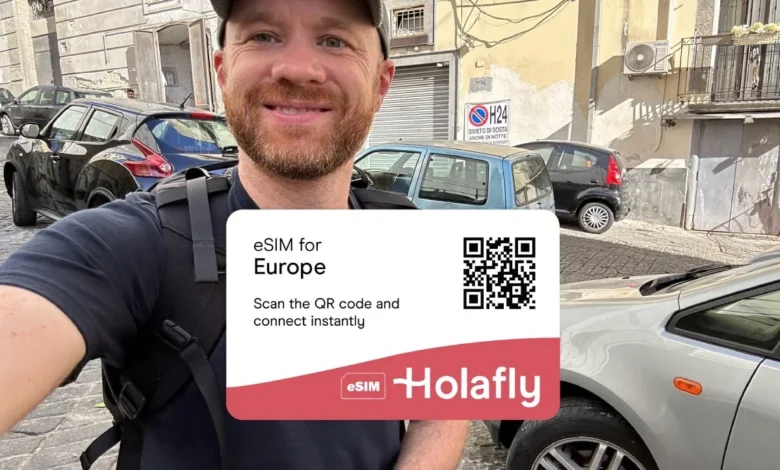
The modern landscape of international travel has undergone a radical transformation, driven largely by the proliferation of embedded subscriber identity module—commonly known as eSIM—technology. For decades, international travelers faced a frustrating logistical hurdle upon arriving at a foreign destination: navigating foreign kiosks to purchase physical SIM cards, swapping out fragile microchips using paperclips, or paying exorbitant daily roaming fees to domestic carriers that frequently capped data speeds or throttled bandwidth. Enter Holafly, a Dublin-based startup that has swiftly emerged as a notable player in the global connectivity market. Specializing in international data plans that emphasize unlimited usage, customizable durations, and competitive pricing, Holafly positions itself as a streamlined alternative to traditional roaming and physical prepaid cards.
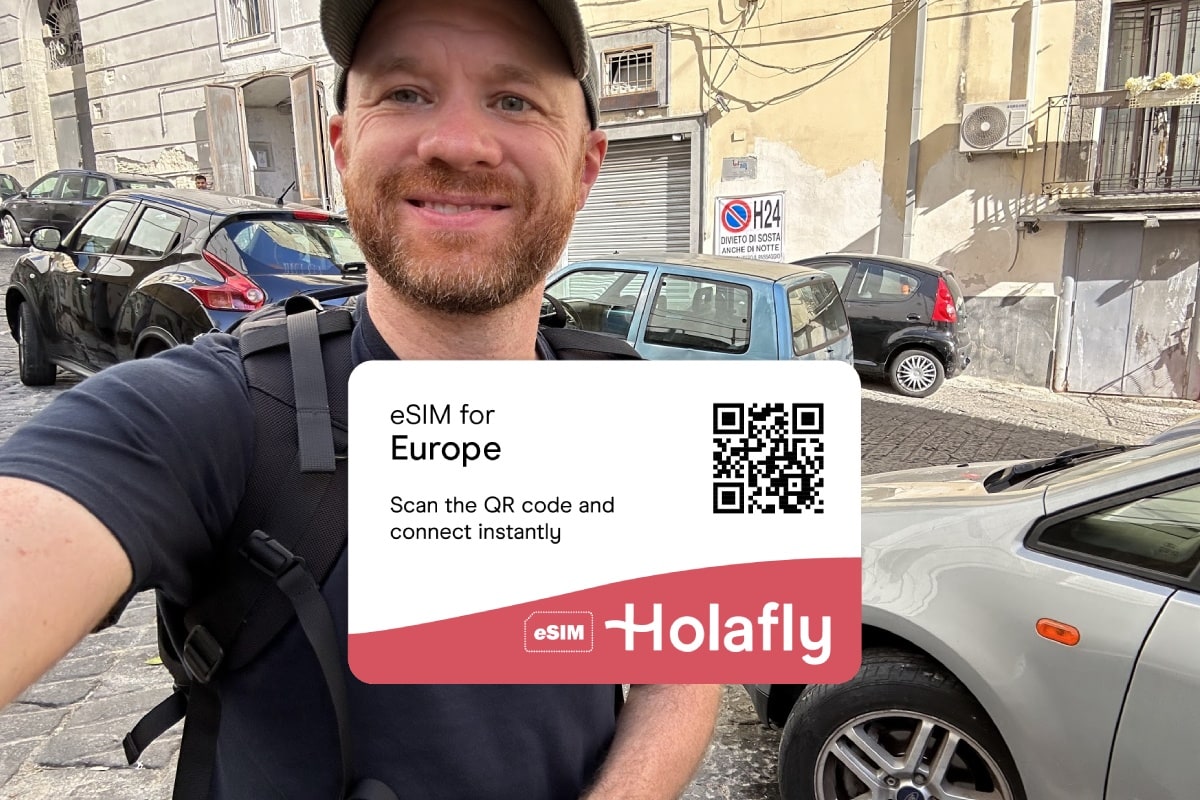
To evaluate the operational efficacy of this service under authentic travel conditions, a comprehensive, hands-on review was conducted utilizing a 15-day unlimited data eSIM plan installed on an iPhone 14 Pro during a two-week excursion across Italy. Spanning major metropolitan hubs such as Rome and Naples, as well as rural excursions and transit routes including the island of Capri, the ancient ruins of Pompeii, and high-speed regional rail lines, this testing period sought to determine whether Holafly’s marketing claims align with real-world technical performance.
Understanding eSIM Technology and Market Context
Before examining Holafly specifically, it is valuable to contextualize the broader shift toward digital SIM profiles within the telecommunications sector. Traditional roaming arrangements typically involve agreements between a traveler’s home carrier and foreign network operators. These legacy frameworks often result in punitive billing structures—frequently exceeding $10 per day for limited data allocations—which can accumulate rapidly over the course of a multi-week vacation or business trip. Conversely, local physical SIM cards purchased abroad often require an unlocked device and can expose users to language barriers and registration complications depending on local telecommunications regulations.
The introduction of eSIM technology mitigates these friction points entirely. Because the subscriber profile is downloaded directly onto the device’s hardware via software, users can purchase, install, and configure data packages before ever boarding their flight. Holafly capitalizes on this technological shift by acting as a mobile virtual network enabler (MVNE) or reseller, partnering with established domestic telecommunications giants across more than 200 global destinations. Rather than owning physical cell towers, Holafly leases bandwidth from primary local carriers—such as Wind Tre in Italy, SFR in France, AT&T in the United States, and T-Mobile in Germany—allowing travelers to access robust national networks without entering into direct contractual agreements with foreign providers.

Plan Structures, Pricing Models, and Regional Coverage
Holafly’s commercial offerings are structured around flexibility and duration. Unlike traditional prepaid plans that enforce rigid data caps—such as 5GB or 10GB allocations—Holafly’s regional plans for Europe and North America center primarily on unlimited data consumption. The pricing architecture is dynamically scaled based on the duration of the trip, offering customizable plans ranging from a single day up to 90 consecutive days.
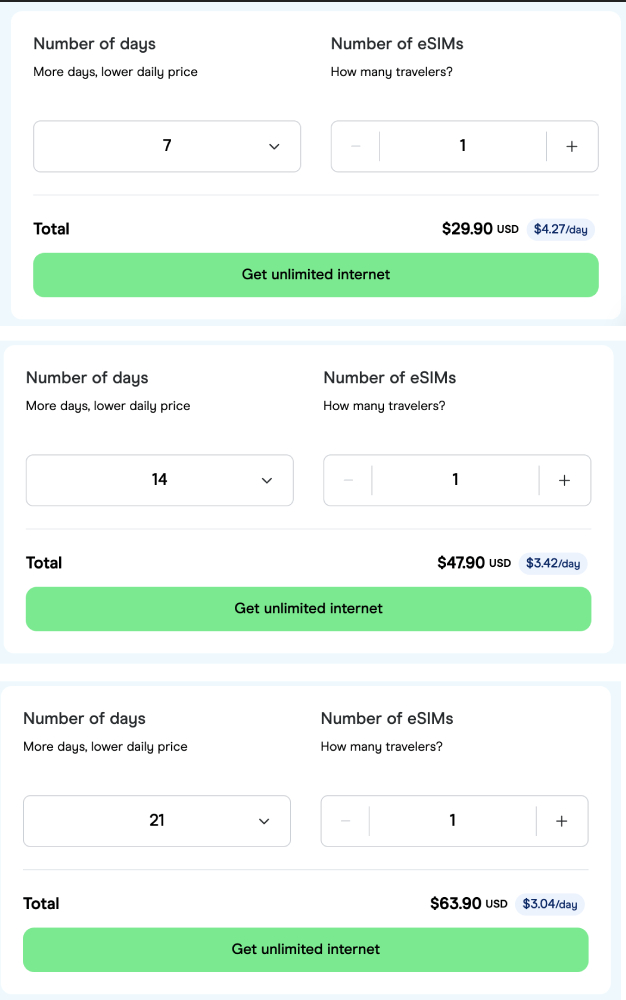
An analysis of the per-day cost reveals a sliding scale designed to incentivize longer durations. For instance, a short 7-day European package typically averages approximately $4.27 per day, while extended itineraries, such as a 21-day plan, reduce the average cost to roughly $3.00 per day. For the specific 15-day Italian deployment evaluated in this report, the total cost amounted to $50.90, translating to an effective rate of approximately $3.39 per day. When benchmarked against standard domestic carrier international daily fees, this pricing model yields substantial cost savings for the consumer.
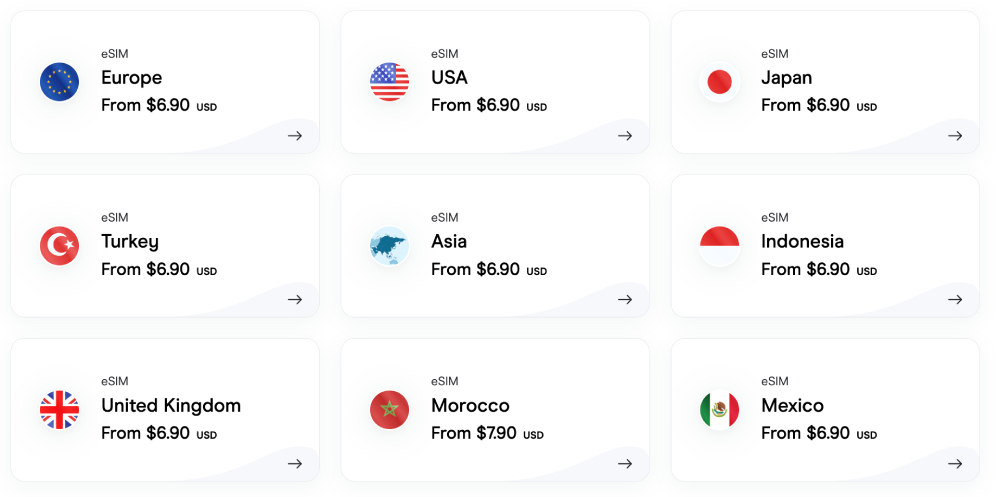
Geographically, Holafly’s coverage is extensive. The dedicated European regional eSIM encompasses over 40 distinct territories, including major economic and tourist destinations such as the United Kingdom, Spain, Italy, Switzerland, France, Germany, Greece, Portugal, the Netherlands, Sweden, and Iceland, alongside various non-EU nations.
However, industry analysts and experienced consumers often approach claims of "unlimited data" with a degree of healthy skepticism. In the telecommunications industry, unlimited data plans are frequently subject to Fair Usage Policies (FUP). While primary network operators may not hard-cap data volumes, they reserve the right to throttle connection speeds for users who generate disproportionately high traffic loads—such as through continuous high-definition video streaming or massive peer-to-peer file transfers. During the multi-week Italian testing phase, routine high-bandwidth activities were conducted, but intensive stress-testing involving continuous bulk video streaming was omitted; consequently, no explicit data throttling or speed degradation was observed by the tester.
Chronology of Installation, Activation, and Technical Setup
The procedural mechanics of acquiring and utilizing a Holafly eSIM have evolved in tandem with mobile operating system updates, simplifying what was once a multi-step manual configuration into a streamlined digital workflow.
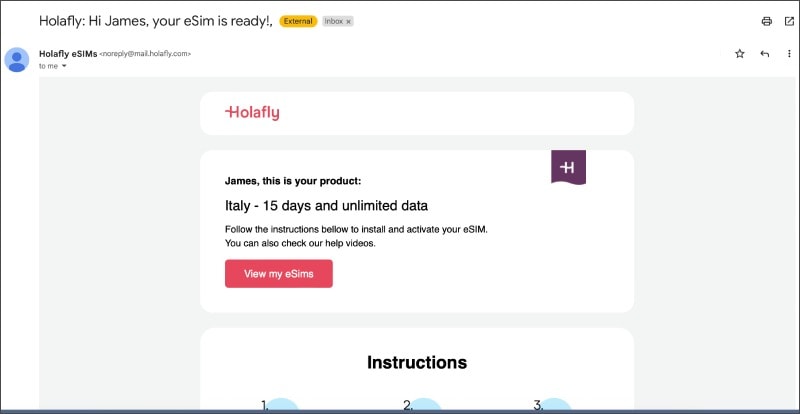
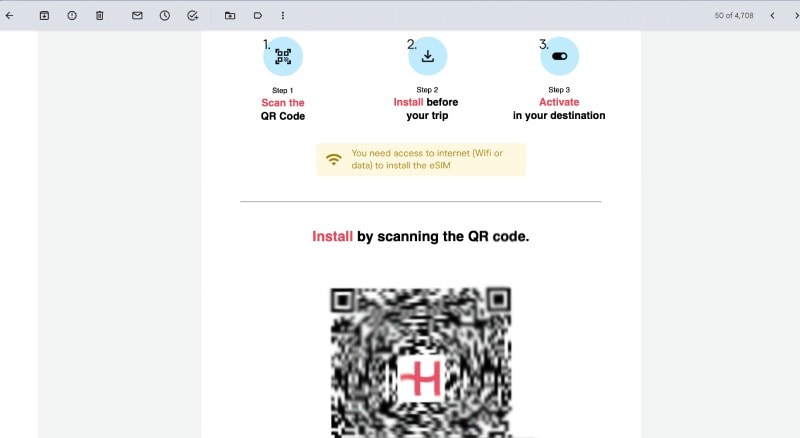
Upon completing a transaction on the Holafly platform, the user receives a confirmation email containing a digital QR code alongside manual setup parameters. Historically, activating these plans required precise timing to avoid prematurely triggering the validity period. However, modern smartphone operating systems—notably exemplified by Apple’s iOS 17.4 update released in early 2024—have introduced native, automated eSIM installation and management features. These updates allow devices to recognize incoming carrier profiles, guide the user through clear on-screen prompts, and finalize network handshakes with minimal manual intervention.
From a chronological standpoint, best practices dictate a specific sequence of operations:
- Purchase the desired destination package online prior to departure.
- Install the eSIM profile onto the compatible device while connected to a stable home Wi-Fi network (ideally on the morning of departure to prevent accidental activation).
- Keep the primary home carrier SIM active for emergency calls or two-factor authentication, while designating the Holafly eSIM as the primary source for cellular data.
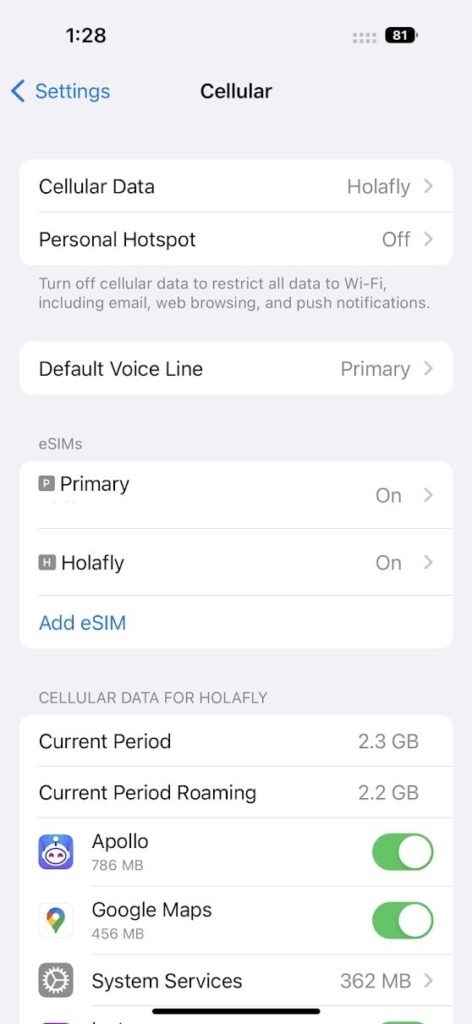
- Upon arrival at the international destination, enable data roaming specifically for the Holafly line, allowing the device to automatically handshake with the partner network (e.g., Wind Tre in Italy).
During the evaluation in Rome and Naples, the transition from home network to foreign partner network occurred seamlessly within moments of landing. The device registered a strong cellular signal immediately, eliminating the connectivity downtime commonly associated with physical airport kiosk purchases.
Real-World Performance and Field Testing in Italy
Evaluating an international data plan requires assessing performance across diverse geographic and structural environments. During the two-week field test in Italy, connectivity was monitored across dense urban centers, subterranean archaeological sites, and remote coastal settings.
In densely populated metropolitan environments like central Rome and downtown Naples, the Holafly eSIM consistently engaged 5G network bands provided by local partner infrastructure. Web browsing, real-time GPS navigation via mapping applications, and instant messaging services—including media-heavy file transfers via iMessage—operated without latency or packet loss. Social media uploading and cloud synchronization functions executed at speeds comparable to domestic broadband connections.
Transitioning outside major urban centers provided a more rigorous test of network resilience. While navigating the archaeological site of Pompeii and traveling via high-speed rail between regional hubs, the connection maintained stable LTE and 4G performance. Even during a day trip to the island of Capri, where tourism density places heavy strain on local cell towers, the connection remained reliable, demonstrating that the partner network prioritization afforded to Holafly users was functionally equivalent to that of native subscribers.
It is worth noting a historical feature adjustment regarding voice communication. In mid-2023, Holafly introduced a complementary European phone number inclusive of 60 minutes of outgoing calling credit for regional plans. However, industry monitoring indicates that this supplementary voice feature was phased out by the summer of 2024, returning the company’s core European product line to a strictly data-centric configuration. Travelers requiring traditional voice calls are therefore advised to rely on Voice over IP (VoIP) applications such as WhatsApp, FaceTime, or Skype, which utilize the continuous data stream efficiently.
Implications and Consumer Verdict
The empirical results of this hands-on evaluation suggest that Holafly delivers a highly dependable, cost-effective connectivity solution for international travelers. By eliminating physical SIM card logistics and offering predictable, unmetered data structures scaled to exact travel timelines, the service effectively addresses the historical pain points of global roaming.
For consumers weighing their options ahead of an overseas trip, the financial and operational calculus heavily favors digital eSIM providers over legacy domestic carrier packages. While edge-case limitations—such as the absence of traditional cellular voice minutes and the theoretical presence of network-level fair usage restrictions—must be kept in mind, the sheer convenience and sustained performance observed during rigorous field testing solidify Holafly’s position as a formidable competitor in the modern travel technology ecosystem.