
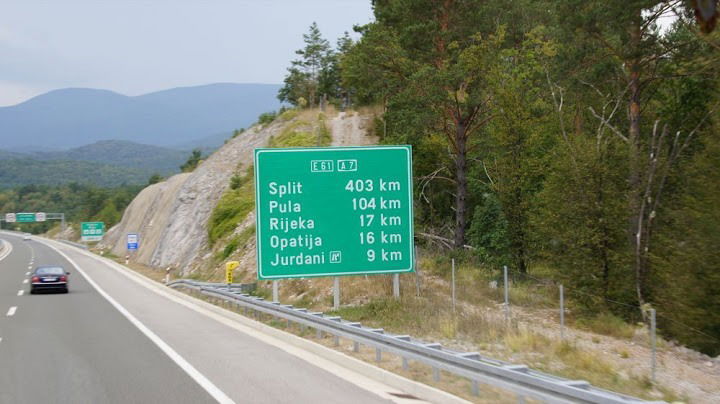
Motorists planning a journey across Croatia’s picturesque coastline and inland highways face a significant shift in how they navigate the nation’s infrastructure, as the government prepares to replace its decades-old physical toll collection booths with a modern, free-flow electronic network. Slated to launch nationwide on March 1, 2027, the incoming system—officially designated as Crolibertas—marks a pivotal modernization effort designed to alleviate the severe traffic congestion that routinely plagues the country’s primary motorways during the peak summer tourism season.
Under the current infrastructure, drivers navigating major thoroughfares must pull up to physical toll stations, retrieve a paper ticket, and wait in increasingly long queues to pay cash or process credit card transactions upon exiting. The transition to Crolibertas will eliminate these bottlenecks entirely. Overhead electronic gantries equipped with advanced optical sensors and vehicle-tracking technology will automatically register automobiles as they cruise along at highway speeds, seamlessly calculating fees based on distance traveled and vehicle classification.
While the new system promises a smoother, uninterrupted driving experience, it introduces new compliance protocols that domestic motorists and international travelers alike must navigate before embarking on their road trips.
Background Context and the Evolution of Croatian Infrastructure
The overhaul of Croatia’s motorway toll infrastructure has been a long-time coming. Managed primarily by state-owned operators such as Hrvatske autoceste (HAC), the country’s high-speed road network has expanded dramatically over the past two decades, connecting major economic hubs, agricultural regions, and coastal tourism hotspots like Split, Zadar, Rijeka, and Dubrovnik.
However, the rapid growth of European tourism has placed immense strain on legacy infrastructure. During peak summer months, weekend traffic jams stretching for kilometers outside major toll plazas have become a persistent frustration for commuters and holidaymakers. Transportation authorities have spent years evaluating alternative models, ultimately rejecting traditional time-based vignette systems—such as those utilized in Austria or Slovenia—in favor of a distance-based, free-flow electronic framework.

Crolibertas was conceived to retain fair, distance-sensitive pricing while stripping away the physical barriers that throttle traffic flow. By moving to overhead digital detection, Croatia aims to align its transport network with modern European Union interoperability standards, reducing vehicle emissions caused by idling in toll lines and significantly improving overall highway safety.
Timeline to Implementation and Transitional Phases
The rollout of Crolibertas is structured as a phased modernization project leading up to the hard launch date in the spring of 2027.
Until March 1, 2027, all existing toll collection infrastructure remains fully operational. Motorists driving through Croatia throughout the remainder of 2026 will continue to pull tickets and settle balances at traditional toll booths using current payment methods, including cash, major credit cards, and existing electronic toll collection (ENC) units.
Ahead of the 2027 go-live date, construction and installation teams will systematically equip the entire motorway grid with gantry-mounted cameras, RFID readers, and automated license plate recognition (ALPR) sensors. To assist motorists who arrive without pre-configured accounts, the state plans to establish roughly 140 rapid vehicle-registration lanes and designated service hubs near major border crossings and motorway entry points. These facilities are intended to streamline onboarding for international visitors, ensuring that drivers can swiftly link their vehicles to the system without facing severe administrative delays.
Payment Mechanisms: ENC vs. Automatic Licence Plate Recognition
When Crolibertas becomes active, eligible light vehicles—primarily passenger cars and motorcycles—will interact with the tolling grid via two primary methods: established ENC devices or automatic licence plate recognition.

The electronic toll collection (ENC) units, which are already widely adopted by frequent domestic commuters, will remain fully supported. Motorists who already possess an ENC transponder linked to their vehicle registration plate can continue utilizing the device without disruption, provided it remains properly mounted on the windshield while traversing the motorway network.
For motorists who do not own an ENC device, automatic licence plate recognition presents a streamlined alternative. High-definition cameras mounted on the overhead gantries will scan vehicle registration plates as they pass beneath. For this method to function legally and avoid penalties, the vehicle must be registered in the Crolibertas database prior to travel, with its license plate securely linked to a valid funding source, such as a credit card or digital wallet.
Implications for Foreign Motorists and International Road Trippers
Because Croatia is a premier destination for self-drive holidays, welcoming millions of foreign-registered vehicles each year from neighboring European nations such as Germany, Italy, Slovenia, Austria, and Hungary, the implications for international tourists are profound.
Foreign motorists are not exempt from the new toll requirements. Driving a vehicle registered outside of Croatia onto the motorway network without an active ENC device or a pre-registered license plate linked to a valid payment method will constitute a regulatory infraction.
Transportation officials have emphasized that while the rapid-registration lanes at borders and major junctions will accommodate last-minute sign-ups, international visitors are strongly encouraged to complete their vehicle registration online before departing their home countries. Doing so ensures a seamless entry into Croatia, preventing unnecessary stops and safeguarding travelers against potential fines for non-compliance.
Different Rules for Heavy Commercial Vehicles
While private passenger cars enjoy flexibility between ENC transponders and license plate recognition, commercial operators face stricter mandates.
Heavy commercial vehicles, including large trucks, articulated lorries, and select larger campervans falling into higher weight classifications (specifically the third and fourth vehicle categories), will be legally required to utilize dedicated ENC devices rather than relying solely on automated plate scanning. Fleet operators and commercial transport companies must audit their vehicle classifications and secure appropriate hardware well ahead of the 2027 launch to avoid operational disruptions and heavy financial penalties.
Cash Payments and the Elimination of Toll Booth Staff
The complete removal of physical toll booths will fundamentally alter the employment landscape and transactional habits associated with Croatian highways. Traditional toll collector positions will be phased out as lanes are automated.
However, the system will not completely abandon cash-paying customers. Designated physical sales points and automated kiosks will be strategically integrated into service areas and entry nodes, allowing motorists to purchase digital credit or settle accounts using physical currency if they do not utilize digital banking or credit cards. Nevertheless, transport analysts stress that electronic and automated methods will form the vast majority of transactions, making cash an auxiliary option rather than a primary convenience.
Broader Economic and Environmental Implications
The introduction of Crolibertas carries measurable benefits for both the national economy and environmental sustainability.

Economically, the elimination of physical toll plazas reduces maintenance costs associated with maintaining manual booths and lowers the administrative overhead of handling physical cash. Furthermore, smoother traffic flow reduces travel times between major industrial and touristic centers, boosting logistical efficiency for freight operators and improving the overall quality of transit for citizens.
From an environmental standpoint, removing bottlenecks at toll plazas directly addresses localized carbon emissions. Idling vehicles release significant quantities of greenhouse gases and particulate matter. By ensuring continuous, uninterrupted movement across the motorway grid, Croatia will make incremental strides toward its broader European climate and sustainability commitments.
Summary of Actionable Advice for Travelers
As the March 1, 2027 deadline approaches, motorists planning to drive in Croatia should keep several practical guidelines in mind:
- Do not assume a traditional vignette must be purchased; Croatia is implementing an electronic distance-based toll system, not a time-based sticker model.
- Check vehicle category requirements early, especially if traveling in a heavy van, campervan, or commercial truck, as these may mandate ENC transponders.
- Register foreign-registered passenger vehicles online prior to arrival if opting for the automatic license plate recognition method.
- Retain existing ENC devices if already owned, as they will remain fully compatible with the new Crolibertas infrastructure.
By understanding these upcoming adjustments, drivers can ensure a legally compliant, efficient, and stress-free journey across Croatia’s world-class motorway network.
Related posts: