Redefining Travel: From Passive Tourism to Immersive Engagement Through Working Holidays and Ethical Volunteering

Traditional tourism, often characterized by brief visits to iconic landmarks, pre-selected dining experiences, and limited interaction with local communities, is increasingly being challenged by a growing desire for more profound and integrated travel experiences. This prevailing model, frequently described as extractive and passive, sees travelers passing through destinations without establishing deep connections or contributing meaningfully to the local fabric. Even long-term travelers, aspiring to transcend the "tourist" label, often fall into similar patterns, albeit at a slower pace and with a focus on budget-conscious exploration.
The inherent nature of transient travel often precludes the development of genuine relationships. While many envision movie-like encounters with locals, the reality for most short-term visitors is limited interaction, as residents, understandably, do not typically seek friendships with those merely passing through. This observation underscores a fundamental shift in perspective: for truly transformative travel, sustained presence and active contribution are paramount.
The Paradigm Shift: Beyond Superficial Tourism
The concept of travel has undergone significant evolution since the Grand Tour era, moving through periods of mass tourism, the rise of backpacking, and more recently, the quest for "authenticity." However, a critical examination reveals that much of this evolution still revolves around consumption rather than contribution. Travelers capture photographs of familiar sights, dine at establishments catering to international palates, and engage in pre-packaged tours that, while informative, rarely facilitate a deep understanding of local life or foster genuine cross-cultural exchange.
Industry analysts suggest that the superficiality of traditional tourism has led to a sense of unfulfillment for many travelers. A 2023 survey by a prominent travel research firm indicated that over 60% of respondents sought "meaningful connections" and "cultural immersion" as primary travel goals, yet only 35% felt they consistently achieved these during their trips. This disparity highlights a gap between aspiration and reality, fueling the demand for alternative travel modalities that offer more than fleeting encounters. The economic implications of purely extractive tourism are also becoming clearer, with profits often flowing out of local economies rather than circulating within them.
Working Holidays: A New Frontier for Immersive Travel
A significant alternative emerging in the travel landscape is the working holiday. This model represents a departure from merely observing a destination to actively participating in its daily life. Instead of arriving with a pre-existing remote job, working holiday makers secure employment upon arrival, integrating directly into the local economy. This fundamental difference fosters a more grounded and authentic experience, enabling travelers to build routines, forge relationships with colleagues and community members, and contribute economically to their temporary home.
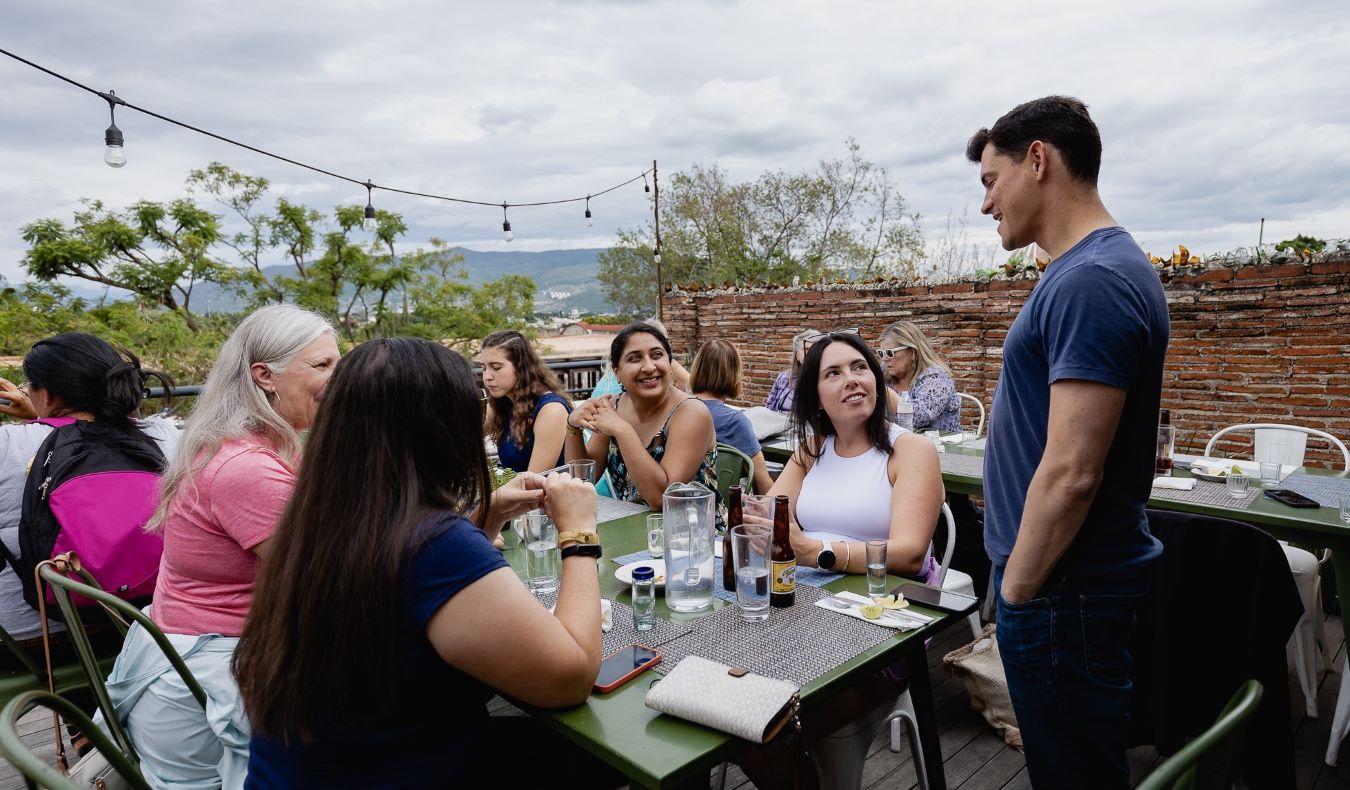
The benefits extend beyond mere financial sustenance. Working holidays facilitate profound cultural immersion. Living and working alongside locals provides unparalleled insights into societal norms, daily rhythms, and community values that are inaccessible to the short-term tourist. This extended engagement allows for the discovery of hidden gems, participation in local traditions, and a nuanced understanding of a place and its people. Furthermore, the experience often enhances resumes with international work experience, develops valuable transferable skills, and makes long-term travel significantly more affordable and sustainable. For many, a working holiday transforms travel from a fleeting vacation into a genuine lifestyle.
Digital Nomadism vs. Working Holidays: A Comparative Analysis
For the past decade, "digital nomadism" has been the aspirational benchmark for long-term, location-independent travel. The allure of working remotely, earning in a strong currency, and living in a cheaper destination captivated a segment of the global workforce. However, this model, while appealing, remains accessible to a relatively small subset of individuals. It typically requires a remote-compatible job, a specific income level, and often a degree of career stability that many younger or aspiring travelers have yet to attain.
Working holidays offer a more accessible and grounded alternative. Instead of floating above the local economy with an external income, participants become integral to it. This distinction fosters deeper community integration; connections are built through shared work experiences, rather than solely within transient hostel environments or co-working spaces. Working holiday makers build a semblance of a "life" in a new location, complete with colleagues, schedules, and a tangible reason to extend their stay beyond a few weeks. This approach offers a realistic pathway for a broader demographic to experience extended periods of living and working abroad, without the prerequisite of an established remote career or significant savings. It signifies a shift from "how do I work remotely?" to "how do I genuinely live and work abroad for a year?"
Ethical Volunteering: Contributing to Local Communities
Volunteering abroad, while noble in intent, has garnered a complex reputation. The proliferation of "voluntourism" programs, primarily profit-driven and sometimes offering questionable benefits to host communities, has rightly raised concerns. Critics point to programs that provide superficial engagement, displace local labor, or inadvertently create dependency. However, when structured ethically and thoughtfully, volunteering remains a powerful avenue for deep travel and meaningful contribution.
Genuine ethical volunteering is characterized by programs that are needs-driven, community-led, and sustainably impactful. This involves working alongside local populations on problems they themselves have identified as priorities, ensuring that efforts align with indigenous development goals. Examples include collaborating with local communities on conservation projects in Zanzibar, participating in wildlife and conservation initiatives in South Africa, or contributing to elephant rehabilitation efforts in Thailand. Such experiences not only provide tangible assistance but also offer volunteers profound insights into the true needs and struggles of local people and ecosystems. This active engagement fosters a shift in perspective, broadening one’s understanding of global challenges and the interconnectedness of human and natural systems. Organizations committed to ethical volunteering often channel additional resources directly into partner projects, extending the impact beyond individual placements and ensuring long-term sustainability.
Global Work & Travel: Facilitating Deeper Engagement
Navigating the complexities of working or volunteering abroad can be daunting, even for seasoned travelers. Securing employment, obtaining appropriate visas, arranging accommodation, and managing logistical challenges in an unfamiliar cultural context often act as significant barriers. Companies specializing in structured programs alleviate these hurdles, making immersive travel accessible to a wider audience.
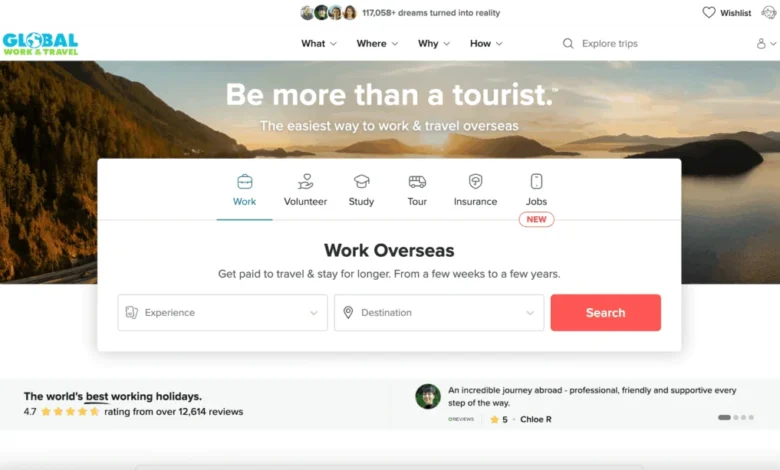
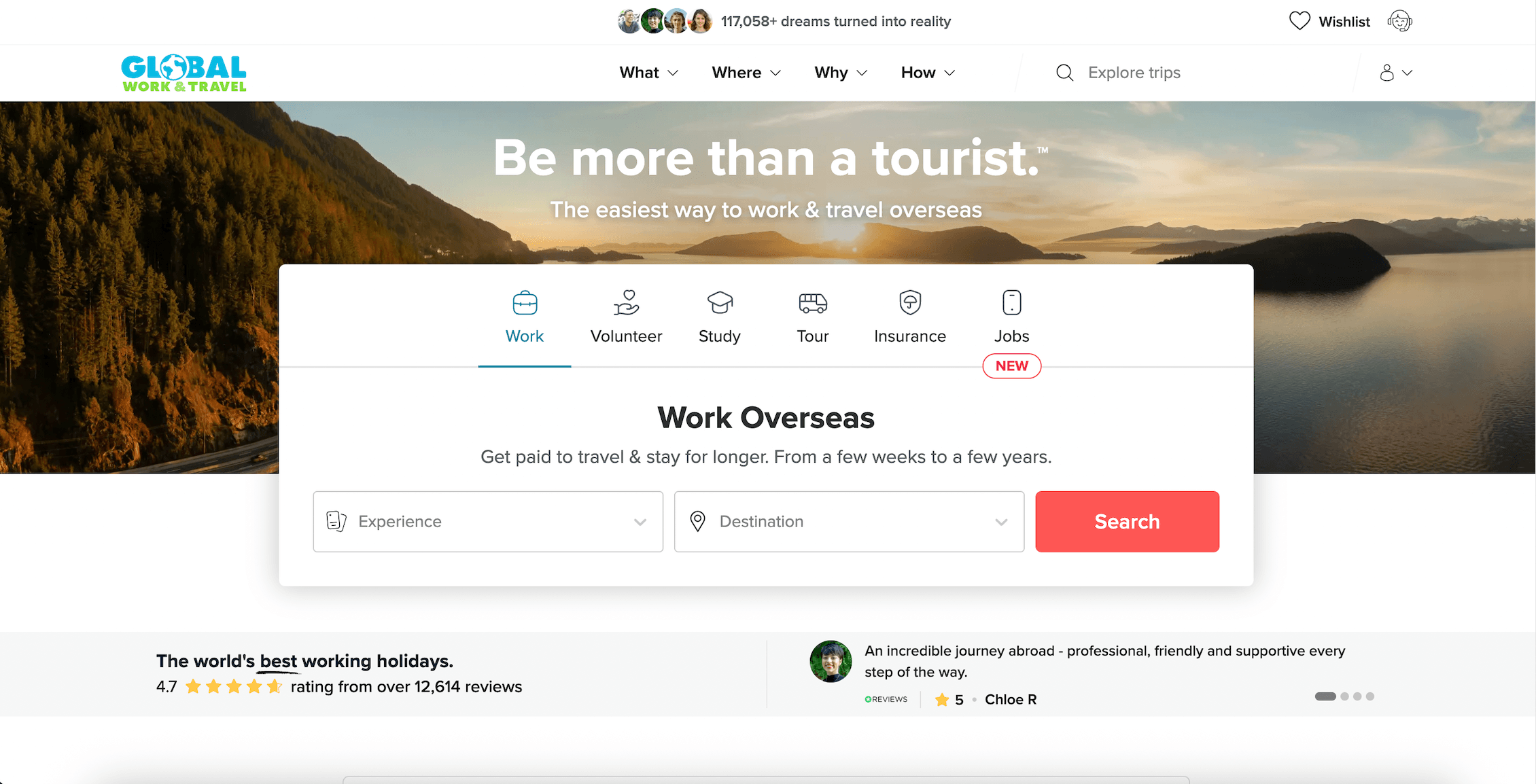
Global Work & Travel, established nearly two decades ago, stands as a prominent facilitator in this domain. As the world’s largest gap year company, it has successfully placed over 116,000 individuals in working holidays, volunteer programs, teaching positions, and internships across destinations in the UK, Europe, the Americas, Asia, Africa, and the Pacific. The company provides a crucial "scaffolding" or "safety net" for aspiring long-term travelers. Its comprehensive support system includes job matching, pre-departure assistance, visa guidance, placement services, and ongoing support through its proprietary gWorld portal – a personal trip management application designed to keep all logistical aspects organized. For first-time international workers or volunteers, this structured support can be the decisive factor in transforming an aspiration into a reality, mitigating the risks and uncertainties associated with independent planning.
Global Work & Travel’s commitment extends to ensuring the integrity of its programs. For volunteering opportunities, the company vets initiatives in areas such as wildlife conservation, community development, education, and healthcare to ensure they are legitimate and genuinely benefit local populations. This rigorous selection process addresses concerns about voluntourism, providing travelers with confidence that their efforts will contribute positively. Furthermore, its Global Animal Welfare Fund directly supports conservation projects at partner sites, amplifying the collective impact of volunteer efforts.
The company’s operational model addresses several common concerns for long-term travelers:
- Experience Requirements: For most working holiday programs, only basic work experience is needed. Teaching programs include necessary TEFL training, and many volunteer roles are open to individuals with no prior experience.
- Age Inclusivity: While working holiday visas typically have age caps (often around 35, depending on the country), volunteer and teaching programs are broadly accessible, welcoming participants from 18 to 80 years old.
- Planning Horizon: The company recommends booking trips 6-12 months in advance to allow for thorough planning, job matching, and visa processing, with flexible payment options available.
- Financial Security: Global Work & Travel offers a lifetime deposit policy, ensuring initial payments do not expire, and is a member of various consumer protection services to safeguard traveler investments.
- Solo Travel Support: A significant number of participants are solo travelers, and the gWorld Community platform facilitates connections among program members, fostering a supportive network from the outset.
Broader Implications and Future Trends
The shift towards working holidays and ethical volunteering carries significant implications for both travelers and host communities. For individuals, these experiences are often profoundly transformative, fostering resilience, adaptability, and a global perspective. The deep cultural immersion cultivates empathy and cross-cultural understanding, equipping participants with invaluable soft skills for an increasingly interconnected world. Personal growth often accelerates as travelers navigate new challenges, build diverse networks, and gain independence.
For host nations, this form of travel offers distinct advantages over traditional tourism. By integrating into the local economy through employment, working holiday makers contribute directly to local businesses, pay taxes, and spend money within the community, ensuring a more equitable distribution of tourism-related revenue. Ethical volunteering, when properly managed, provides targeted support for community development and conservation efforts, addressing specific local needs without creating dependency. This model represents a move towards more sustainable and responsible tourism, aligning with global efforts to minimize negative impacts and maximize positive contributions.
As global awareness of environmental and social responsibility grows, and as younger generations increasingly prioritize meaningful experiences over material possessions, the demand for immersive travel is projected to continue its upward trajectory. Structured programs that facilitate this deep engagement are poised to play an increasingly vital role in shaping the future of travel, making it accessible, impactful, and genuinely transformative for a broader segment of the global population. The moments that truly resonate and become enduring memories are rarely those spent queuing for a landmark; rather, they are the moments of connection, contribution, and genuine engagement with people and places. Global Work & Travel and similar organizations are making this profound form of travel more attainable than ever before.
Related posts: