A Comprehensive Guide to the Premier Coastal Destinations of Bali and the Evolution of the Island Maritime Tourism Infrastructure

The Indonesian island of Bali, historically referred to as the Island of the Gods, remains a central pillar of Southeast Asian tourism, contributing significantly to Indonesia’s national economy. As the provincial government targets an increasingly diversified demographic—ranging from luxury seekers and digital nomads to traditional surf enthusiasts—the island’s coastline has undergone a profound transformation. This report provides an analytical overview of Bali’s diverse beach ecosystems, the socio-economic factors driving their development, and the current state of the island’s maritime tourism infrastructure.
The Economic Context of Balinese Maritime Tourism
Bali’s tourism sector is the primary engine of its regional GDP, with the provincial government reporting that the industry accounts for approximately 60% to 70% of the island’s economic activity. According to data from the Bali Central Bureau of Statistics (BPS), foreign tourist arrivals in 2023 exceeded 5.2 million, surpassing initial government targets. A substantial portion of this traffic is concentrated along the southern coastline, where the variety of beach environments serves different market segments.
The evolution of these coastal areas is not merely a matter of natural beauty but of strategic infrastructure. From the high-end enclaves of Nusa Dua to the burgeoning "digital nomad" hubs in Canggu, Bali’s beaches are now classified by their utility: surfing, swimming, luxury lounging, or cultural immersion.

A Chronological Overview of Bali’s Tourism Development
To understand the current state of Bali’s beaches, one must examine the timeline of the island’s development:
- 1930s–1960s: Early cultural tourism focused on Ubud and the island’s interior. The coastline remained largely the domain of local fishing communities.
- 1970s: The "Discovery Era." Surfers from Australia and the United States identified Uluwatu and Kuta as world-class wave destinations. The 1971 opening of the Bali Hyatt in Sanur marked the beginning of large-scale international hotel presence.
- 1980s–1990s: The development of Nusa Dua as a planned, gated resort area intended to attract high-net-worth individuals and international conferences.
- 2000s–2010s: Post-crisis recovery and the rise of Seminyak as a luxury boutique destination. This era saw the introduction of the "beach club" culture.
- 2020–Present: The post-pandemic shift toward long-term residency and digital nomadism, centered primarily in Canggu and Pererenan, alongside a government push for sustainable "quality tourism."
Analytical Review of Bali’s Primary Coastal Zones
The Bukit Peninsula: The Surf Frontier
The southern tip of Bali, known as the Bukit Peninsula, is characterized by limestone cliffs and world-renowned surf breaks. Uluwatu, technically encompassing the Suluban Beach area, remains the gold standard for professional surfing. However, accessibility remains a challenge; the steep staircases required to reach the shore limit the demographic to able-bodied visitors.
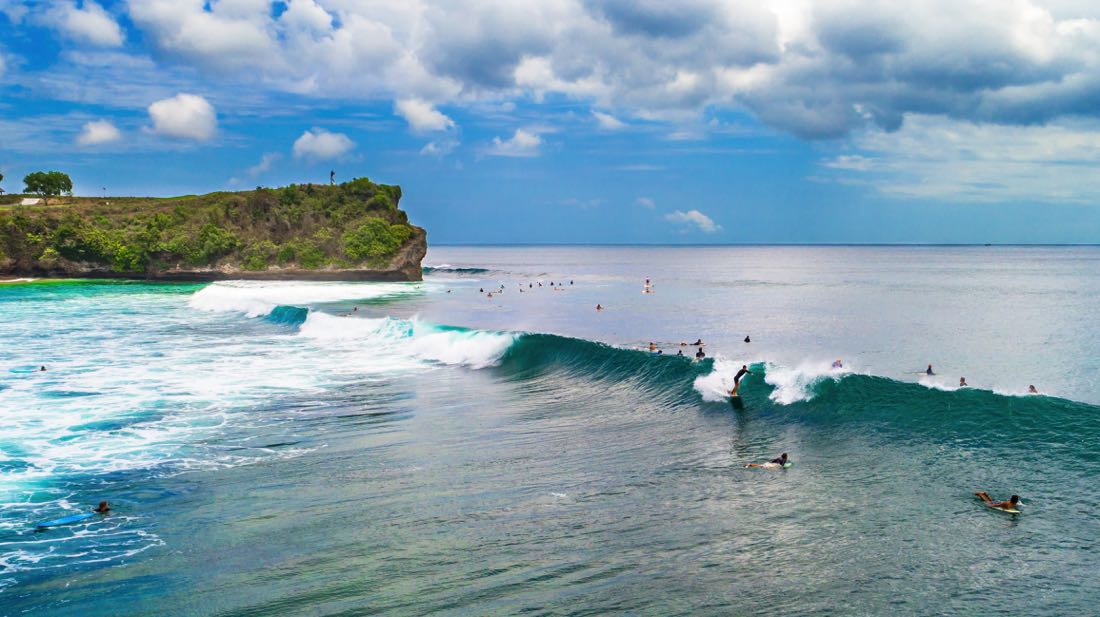
Adjacent to Uluwatu, Thomas Beach and Padang Padang offer more accessible alternatives. Padang Padang gained international notoriety following its inclusion in the 2010 film Eat Pray Love, leading to a surge in day-trippers. Analysts note that while these beaches retain their aesthetic appeal, the rapid construction of villas on the surrounding cliffs has raised concerns regarding soil erosion and waste management.
The Western Corridor: Seminyak and Canggu
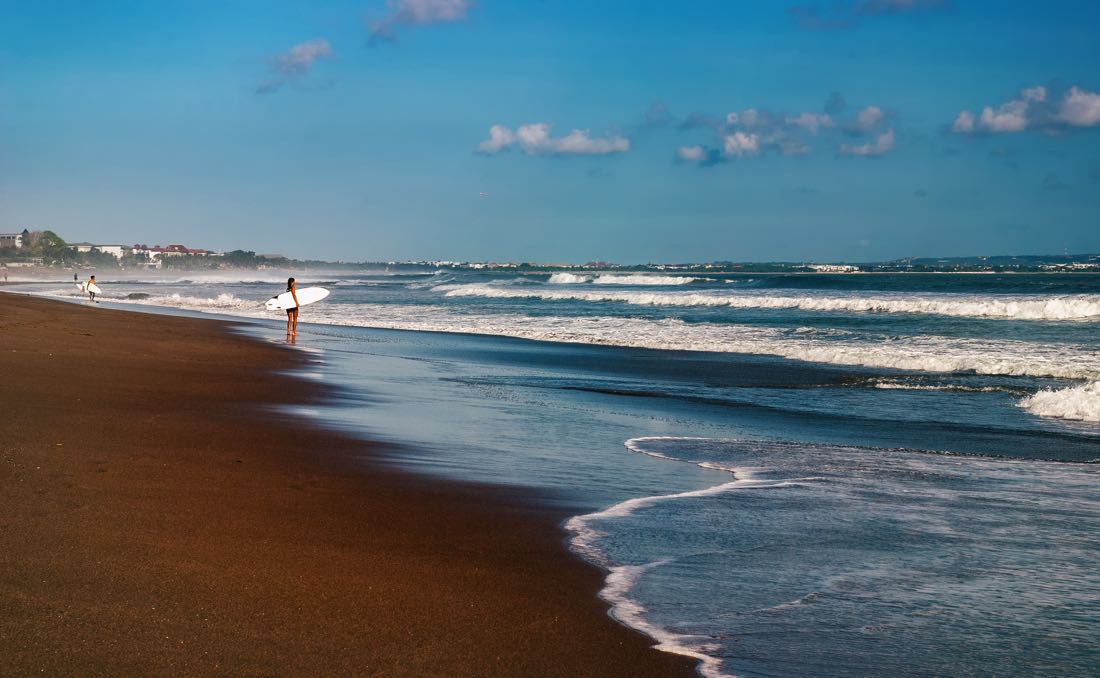
The stretch of coastline from Seminyak to Canggu represents the most commercially active zone in Bali. Seminyak, often referred to as "Double Six" in certain sections, is the hub for upscale dining and retail. The beach here is wide and sandy, making it suitable for intermediate surfing and recreational swimming.
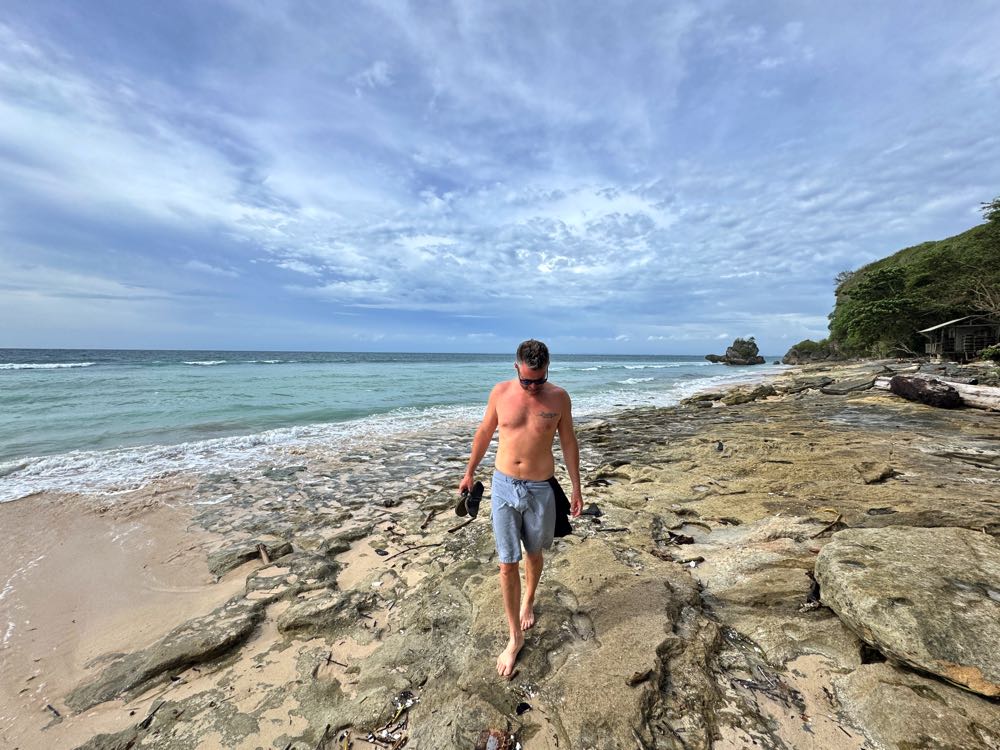
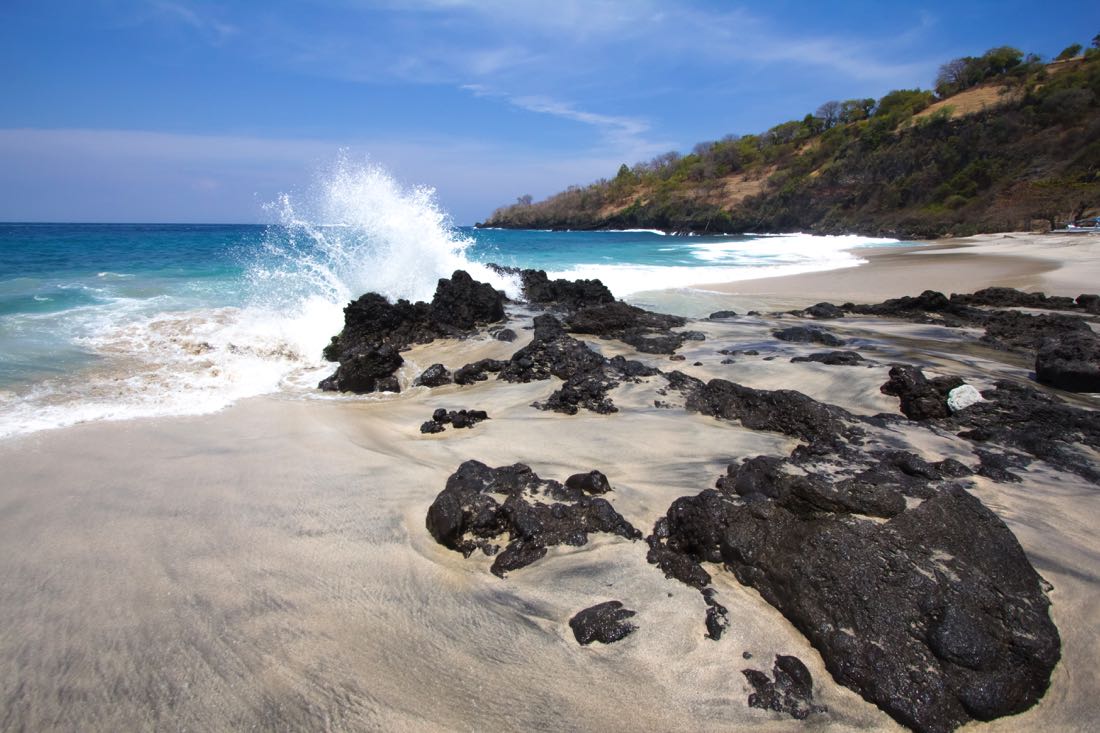
Further north, Canggu has eclipsed Kuta and Seminyak as the primary destination for the "millennial" and "Gen Z" demographics. This area—comprising Berawa, Batu Bolong, Echo Beach, and Pererenan—features volcanic black sand and heavy surf. Data from local real estate firms indicates that land prices in Canggu have increased by over 400% in the last decade, driven by the demand for "lifestyle" tourism. However, the rapid pace of development has outstripped infrastructure, leading to significant traffic congestion and water management issues.
The Eastern Enclaves: Sanur and Nusa Dua
Sanur represents the "classic" Bali experience. As a sleepy fishing village turned tourism hub, it offers calm, shallow waters protected by a reef, making it the preferred destination for families and retirees. The recent development of the Sanur Special Economic Zone (SEZ), which includes the construction of a state-of-the-art international hospital, signals a shift toward medical and wellness tourism in this region.
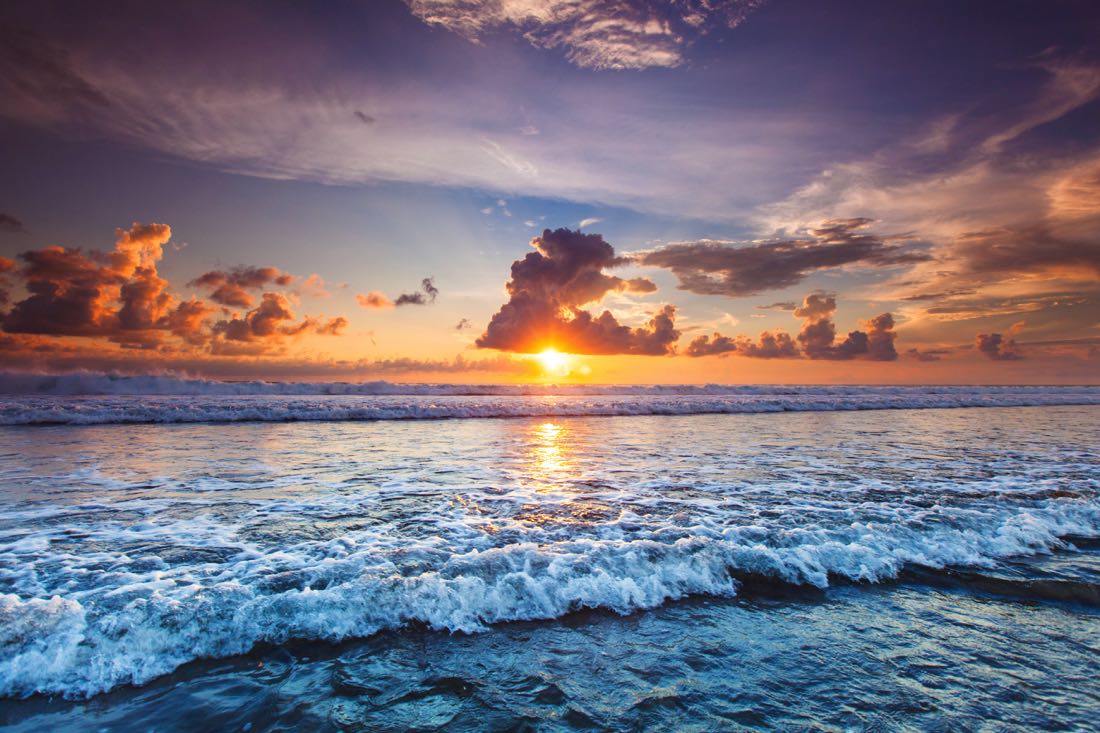
Nusa Dua, managed by the Indonesia Tourism Development Corporation (ITDC), remains the island’s most manicured environment. It is a gated zone featuring white sand and 5-star international resorts. From a journalistic perspective, Nusa Dua is often cited as a model for "controlled tourism," where security and environmental standards are strictly maintained, albeit at the cost of the "authentic" Balinese atmosphere found elsewhere.
The Remote North and East: Lovina and Virgin Beach
For visitors seeking a departure from the southern crowds, Lovina in the north and Virgin Beach (Pasir Putih) in the east offer a different pace. Lovina is famous for its dolphin-watching tours and volcanic sand, though it requires a three-hour transit across the island’s central mountains. Virgin Beach, located near Candidasa, is one of the few white-sand beaches on the east coast, sustained by local warungs (small businesses) rather than large corporate resorts.

Environmental and Structural Challenges
Despite the aesthetic appeal of these destinations, the Balinese coastline faces significant headwinds.
The Bingin Demolition and Infrastructure Gaps
In recent months, Bingin Beach has become a focal point for the tensions between development and preservation. Large-scale demolition projects, intended to clear space for modern beach clubs and luxury facilities, have left portions of the area in a state of transition. Local environmental groups have expressed concern that the "commercialization of the cliffs" is destroying the very natural beauty that attracts tourists.
The Kuta Decline
Kuta Beach, once the crown jewel of Balinese tourism, is currently viewed by many industry experts as a cautionary tale. Overdevelopment, persistent issues with plastic pollution during the monsoon season, and a reputation for aggressive touting have led to a decline in "high-value" visitors. The local government has initiated several "Kuta Reborn" programs to revitalize the area, but success remains measured.
The Plastic Crisis
Data from "Sungai Watch," an environmental organization active in Bali, highlights that a significant percentage of plastic waste found on Balinese beaches originates from inland rivers. During the "west monsoon" (December to March), ocean currents wash tons of debris onto the shores of Kuta, Legian, and Seminyak. This recurring environmental crisis poses a direct threat to the island’s brand as a "paradise."
Official Responses and Strategic Directions
The Indonesian Ministry of Tourism and Creative Economy, led by Minister Sandiaga Uno, has pivoted toward a "quality over quantity" strategy. This includes the introduction of the "Golden Visa" and "Second Home Visa" programs, designed to attract long-term residents who contribute more to the local economy than short-term backpackers.
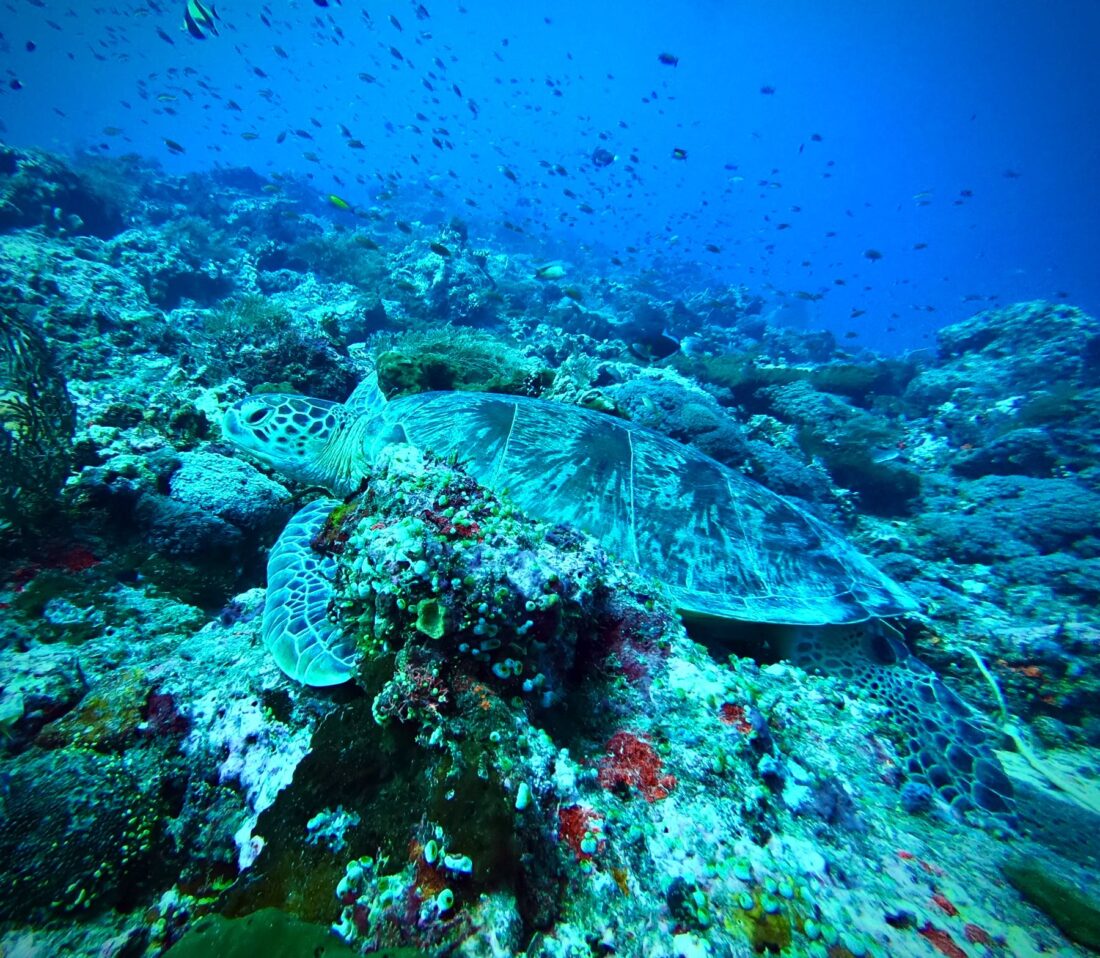
Furthermore, the provincial government has implemented a "Tourist Levy" of IDR 150,000 (approximately USD 10) per foreign visitor, effective as of early 2024. The revenue from this tax is officially earmarked for cultural preservation and environmental conservation, specifically targeting the protection of Bali’s beaches and coral reefs.
Broader Impact and Implications
The state of Bali’s beaches serves as a barometer for the health of the Indonesian tourism industry at large. As the island moves toward 2025, the focus is shifting from mere expansion to sustainable management. The success of these initiatives will depend on the government’s ability to balance the interests of international developers with the needs of local communities and the fragility of the island’s ecosystem.
For the international traveler, the "best" beach in Bali is no longer a singular destination but a choice based on specific needs:
- For Luxury and Safety: Nusa Dua remains the primary recommendation.
- For Professional Surfing: Uluwatu and the Bukit Peninsula are unmatched.
- For Long-term Residency: Canggu and Pererenan continue to dominate the market.
- For Cultural Tranquility: Sanur and Lovina offer the most consistent experience.
In conclusion, while the "magnetic power" of Bali remains intact, the island is at a critical juncture. The transition from a rugged surf destination to a sophisticated global hub requires careful stewardship of its most valuable asset: its coastline. The ongoing efforts in infrastructure improvement, waste management, and strategic zoning will determine whether Bali can maintain its status as a premier global destination in the decades to come.