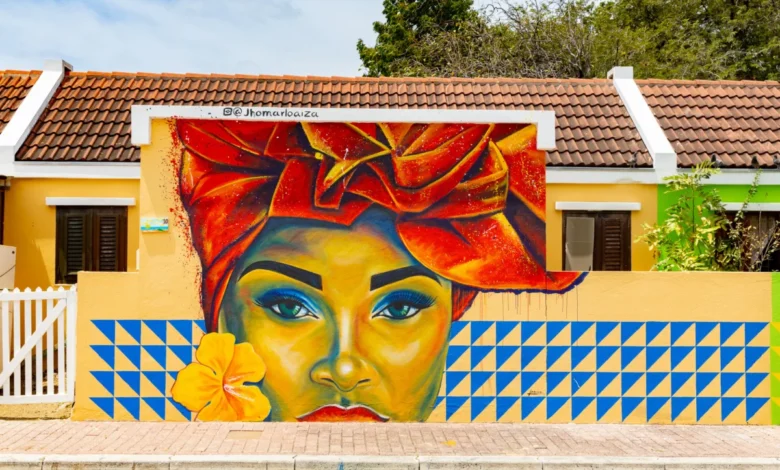
The island of Curaçao, a constituent country of the Kingdom of the Netherlands located in the southern Caribbean Sea, is currently undergoing a significant cultural and economic transformation. While historically recognized for its strategic maritime position and colonial architecture, the island is increasingly positioning itself as a premier destination for heritage-based tourism and contemporary artistic expression. This evolution is not merely a byproduct of modernization but a conscious effort by local stakeholders, historians, and artists to preserve the island’s complex 500-year narrative while fostering a sustainable future. From the meticulously restored colonial estates of the north to the vibrant, mural-clad corridors of Willemstad, Curaçao offers a multi-layered experience that transcends the traditional "sun, sand, and sea" tourism model.
The Urban Revitalization of Otrobanda through Muralism
At the heart of Curaçao’s artistic resurgence is Otrobanda, a historic district in the capital city of Willemstad. Translated literally as "the other side," Otrobanda was established in the early 18th century as the city expanded beyond the fortified walls of Punda. Today, this UNESCO World Heritage site is the epicenter of a grassroots movement using street art to drive urban renewal and social cohesion.
The district’s transformation is most visible in the proliferation of large-scale murals that have turned crumbling facades into a public gallery. Notable among these works are the "Rainbow Steps" at the summit of Van Lennepstraat, a project led by artist Avantia Damberg. This installation, along with the numerous murals decorating the passageways between Quintastraat and Cornelis Dirksweg, serves as more than just a visual attraction; it represents a reclaiming of public space. Local artists, including Garrick Marchena and Sander van Beusekom, have contributed works that often blend Caribbean motifs with contemporary social commentary.
This movement gained institutional momentum through the Kaya Kaya Street Party, a biennial festival held in August and December. Founded by the owners of the Bario Hotel + Bar and local community leaders, the initiative focuses on "placemaking"—the collaborative process of improving a neighborhood’s physical and social well-being. Before each festival, organizers work with residents to clean streets, restore buildings, and install new art, ensuring that the economic benefits of tourism reach the local population directly. According to regional urban planning analysts, such initiatives have led to a 15% increase in foot traffic and a measurable uptick in small business registrations within the district over the last five years.
Historical Preservation at the Savonet Museum
While Otrobanda represents the island’s future, the Savonet Museum provides a critical look at its foundational past. Located at the entrance of Christoffel National Park, the largest protected area on the island, the museum is housed within the former Savonet Plantation house. Built in 1662, this structure is one of the oldest and best-preserved "Landhuizen" (manor houses) in the Dutch Caribbean.
The Savonet Museum is unique in its pedagogical approach, offering a comprehensive timeline that begins with the first inhabitants of the island, the Arawak-speaking Caquetio people. Archaeological findings on the site date back over 4,000 years, providing evidence of early Caribbean civilization long before European contact. However, the museum’s primary focus is the plantation era, a period that defined Curaçao’s social and economic hierarchy for centuries.
Visitors are presented with a stark, factual account of the lives of both the plantation owners and the enslaved people who worked the land. The exhibits detail the daily operations of the plantation, the introduction of Catholicism, and the eventual 1863 emancipation. By utilizing original artifacts, oral histories, and architectural reconstructions, the museum facilitates a dialogue on how the legacy of the plantation system continues to influence modern Curaçaoan culture. Educational experts suggest that the Savonet Museum serves as a vital tool for national identity, receiving over 20,000 students annually as part of a government-mandated heritage curriculum.
The Maritime Legacy and Economic Foundation
Curaçao’s identity is inextricably linked to the sea. Its deep-water natural harbor, Schottegat, is one of the largest and most protected in the Caribbean, a fact that has dictated the island’s economic trajectory since the 17th century. The Curaçao Maritime Museum, located in a restored 19th-century mansion in the Scharloo district, chronicles this 500-year history with surgical precision.
The museum’s permanent exhibition tracks the evolution of the port from a strategic Dutch West India Company outpost into a global hub for trade and oil refining. Following the arrival of the Spanish in 1499 and the subsequent Dutch conquest in 1634, Curaçao became a central node in the transatlantic trade routes. The museum displays original 17th-century nautical charts, navigational tools, and ship models that illustrate the technical challenges of early Atlantic crossings.
A significant portion of the museum is dedicated to the 20th-century industrial boom, specifically the arrival of the Royal Dutch Shell refinery in 1915. This development shifted the island’s economy from transit trade to industrial production, attracting a diverse workforce from across the Caribbean and Europe. Today, the port remains a critical pillar of the GDP, with the Curaçao Ports Authority (CPA) reporting that maritime services, including dry-docking and cruise tourism, contribute approximately 18% to the island’s total economic output. The museum’s narrative underscores that while the industries have changed, the harbor remains the island’s most valuable asset.
Contemporary Art and the Blue Bay Sculptural Garden
The integration of art into the natural and built environment is perhaps most evident at the Blue Bay Sculpture Garden. Situated in Boca Samí at the Blue Bay Golf & Beach Resort, this open-air museum demonstrates the island’s commitment to high-concept contemporary art. The project, which began in 2017 with the installation of a ceramic totem by Ellen Spijkstra, has expanded to include more than 40 sculptures by 29 different artists.
The garden is notable for its use of local materials and its focus on the "Curaçaoan aesthetic." Artists such as Yubi Kirindongo, internationally renowned for his ability to transform scrap metal and recycled materials into fluid forms, have contributed significant pieces to the trail. Other featured artists, including Giovanni Abath and Hortence Brouwn, utilize limestone, bronze, and wood to explore themes of nature, spirituality, and human form.
From a development perspective, the Blue Bay Sculpture Garden represents a successful model of private-sector investment in the arts. By incorporating cultural assets into a commercial resort environment, the project enhances the "destination value" while providing local artists with a high-visibility platform. Art critics have noted that the garden serves as a bridge between the island’s traditional crafts and the global contemporary art market, attracting collectors and enthusiasts from North America and Europe.
Economic Data and Tourism Trends
The diversification of Curaçao’s tourism product into cultural and historical sectors is reflected in recent economic data. According to the Curaçao Tourist Board (CTB), the island saw a record-breaking year in 2023, with stayover arrivals surpassing 500,000 for the first time in history. This represents a 17% increase compared to the previous year.
A breakdown of the data suggests that "experience-seeking" travelers—those who prioritize museums, historical sites, and local art—now account for approximately 35% of the total visitor demographic. This shift is significant because these travelers typically stay longer and spend more in the local economy compared to traditional cruise passengers. The average daily expenditure for stayover tourists in Curaçao has risen to approximately $215, a 12% increase since 2019.
Furthermore, the government’s "Strategic Tourism Master Plan" (2022–2026) emphasizes the preservation of cultural heritage as a core pillar for growth. This includes tax incentives for the restoration of historic buildings in Willemstad and grants for local artists to participate in international exhibitions. The objective is to insulate the tourism industry from global volatility by creating a unique, non-replicable "brand" based on the island’s specific history and creative output.
Implications for the Future
The enrichment of Curaçao’s cultural landscape has broader implications for the Caribbean region. As islands face the dual challenges of climate change and economic over-dependence on a single industry, Curaçao’s model of heritage-led development offers a potential blueprint for resilience. By investing in its history and its artists, the island is not only attracting a more sophisticated class of traveler but also reinforcing its own social fabric.
The chronological progression from the indigenous Caquetios to the Dutch colonialists, and finally to the vibrant, multi-ethnic society of today, is a narrative of adaptation and survival. The institutions mentioned—the Savonet Museum, the Maritime Museum, and the various art collectives in Otrobanda—are the custodians of this narrative.
As Curaçao continues to navigate its role in the 21st century, the synergy between its past and its present will remain its greatest strength. The transition from a port of trade to a port of culture signifies a maturing society that recognizes the economic and intrinsic value of its own story. For the visitor, this means that a trip to Curaçao is no longer just a vacation, but an immersion into a living history that continues to unfold in every mural, every museum exhibit, and every sculpture along its shores.