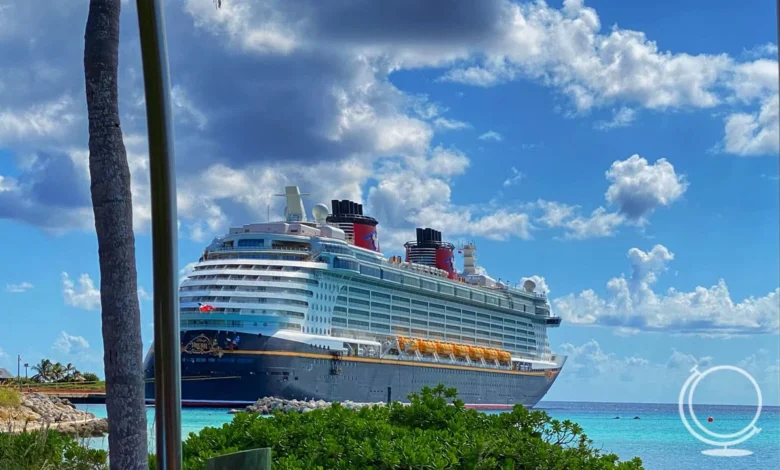
The decision-making process for booking a Disney Cruise Line (DCL) vacation involves a complex intersection of academic schedules, seasonal pricing fluctuations, regional weather patterns, and the specific age-based needs of children. Unlike a traditional visit to Walt Disney World or Disneyland, a Disney cruise offers a mobile experience of the brand’s intellectual property, combining high-end maritime hospitality with character-driven entertainment. As the cruise industry continues its post-pandemic expansion, understanding the nuances of the DCL calendar has become essential for families seeking to maximize both their financial investment and their vacation experience.
The Economic Architecture of Disney Cruise Pricing
The pricing model utilized by Disney Cruise Line is rooted in dynamic demand-based algorithms. Consequently, the most significant factor affecting the cost of a sailing is the time of year. Peak travel periods—specifically those aligned with the North American academic calendar—command the highest premiums. This includes the weeks surrounding Christmas and New Year’s Eve, Spring Break (typically late March through April), and the traditional summer vacation window from mid-June to late August.
Industry data suggests that travelers can expect to pay between 30% and 60% more for a stateroom during these peak windows compared to off-peak sailings. For families with older children in high school or college, these may be the only viable options due to rigid academic and athletic commitments. However, for those with toddlers or preschoolers not yet enrolled in formal education, the financial advantages of off-peak travel are substantial.
The most cost-effective months to sail on Caribbean and Bahamian itineraries are typically January, February, and September through early November. These periods coincide with the school year and, in the case of late summer and autumn, the peak of the Atlantic hurricane season. Travelers willing to accept the minor risk of weather-related itinerary changes often find the lowest entry-level fares for interior and ocean-view staterooms during these months.
Strategic Timing: The Month-by-Month Chronology
Determining the "best" time depends on the specific priorities of the traveling party. Below is a chronological analysis of the Disney Cruise Line calendar:
Winter (January – February)
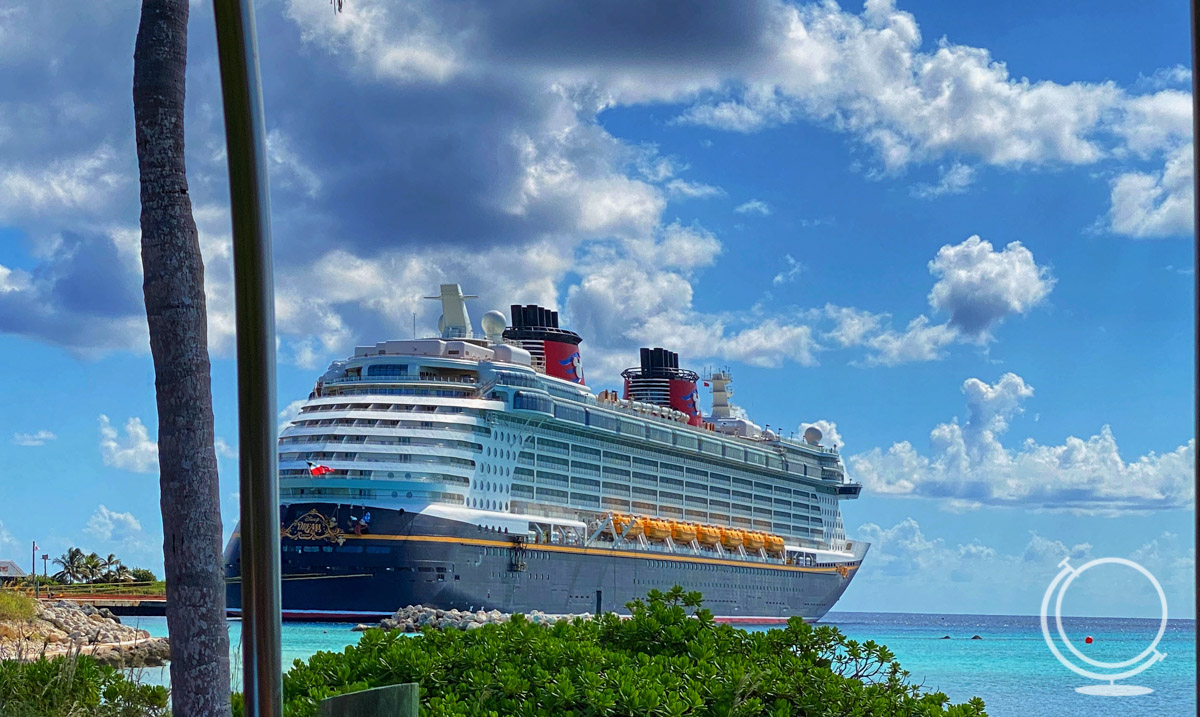
Following the holiday rush, January and February offer some of the most competitive pricing of the year. While the weather in the Bahamas can be occasionally brisk—with water temperatures at Disney’s private island, Castaway Cay, sometimes dipping below the ideal swimming range—the crowds are thinner. This is an optimal time for adults-only travelers or families with very young children.
Spring (March – May)
March and April are dominated by Spring Break crowds. While the weather is near-perfect, pricing reflects the high demand. May is frequently cited by industry experts as the "sweet spot" for Caribbean cruising. The weather is consistently warm, the hurricane risk remains zero until June 1, and the surge of summer travelers has not yet begun, resulting in a balance of pleasant conditions and moderate pricing.
Summer (June – August)
This is the primary window for Alaska sailings and Northern European itineraries. Due to the limited seasonal availability of these regions, Disney Wonder (Alaska) and other vessels deployed to Europe command premium rates. In the Caribbean, summer sailings are characterized by high humidity and the beginning of hurricane season, though the demand remains high due to school closures.
Autumn (September – November)
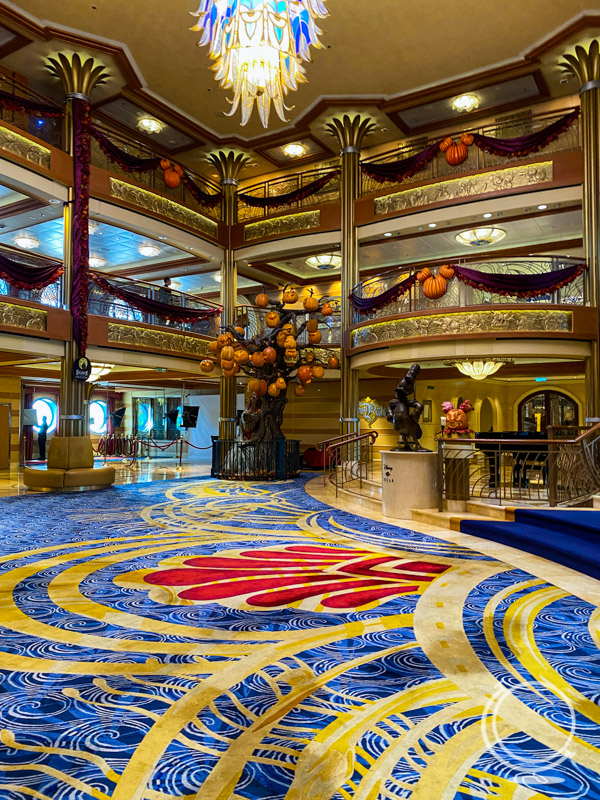
September is statistically the cheapest month to cruise, primarily due to the peak of hurricane activity and the return to school. Disney incentivizes travel during this window with themed sailings, such as "Halloween on the High Seas," which features themed deck parties, character costumes, and specialized décor.
Holiday Season (December)
The "Very Merrytime Cruises" begin in early November and run through the end of December. These sailings are highly sought after for their festive atmosphere, including a 24-foot Christmas tree in the atrium and "snow" flurries on deck. While the first two weeks of December offer relatively moderate pricing, the weeks of Christmas and New Year’s are consistently the most expensive sailings in the Disney fleet.
Weather and Itinerary Considerations
Weather is a pivotal variable in the maritime environment. For Caribbean and Bahamian sailings, the Atlantic hurricane season (June 1 through November 30) presents a logistical consideration. While Disney Cruise Line vessels are equipped with advanced meteorological tracking and can deviate from their planned course to avoid storms, such changes can result in missed ports or extra days at sea.
In 2019 and 2022, several DCL sailings were impacted by major hurricanes, leading to extended voyages for some guests and cancellations for others. Journalistic analysis of these events indicates that while Disney typically offers pro-rated refunds or future cruise credits in such instances, the emotional and logistical toll on families can be significant.
For those eyeing an Alaskan itinerary, the window is much narrower. These cruises only operate from May through September. Early May sailings offer the lowest prices but carry the risk of lingering ice preventing the ship from reaching certain glacial viewing areas. Conversely, July and August offer the best wildlife viewing opportunities but at the highest cost.
The Impact of Child Demographics on Timing
The developmental stage of a child significantly impacts the "value proposition" of a Disney cruise. Disney Cruise Line’s youth spaces—the Oceaneer Club and Oceaneer Lab—are designed for children aged 3 to 10. Industry experts suggest that the "prime age" for a first Disney cruise is between 5 and 9 years old. At this stage, children are old enough to navigate the clubs independently, meet height requirements for water slides like the AquaDuck or AquaMouse, and retain memories of character interactions.
For families with teenagers (ages 14-17), the "Edge" and "Vibe" lounges provide age-appropriate social environments. Even for families with adult children (ages 18-21), Disney’s expansion into more sophisticated adult-only dining (such as Palo and Remy) and secluded spa areas has made timing less about the "magic" and more about the "relaxation" offered during quieter, off-peak months.
Advanced Booking Strategies and Loyalty Benefits
Disney Cruise Line utilizes a tiered loyalty program known as the Castaway Club. Membership is automatic after the first sailing, with tiers (Silver, Gold, Platinum, and Pearl) based on the number of completed cruises. A significant advantage of higher-tier membership is the ability to book new itineraries before they are released to the general public.
The "Placeholder" Strategy
One of the most effective financial maneuvers for frequent cruisers is the "onboard placeholder." Guests currently on a cruise can pay a $250 deposit to secure a future sailing at a 10% discount, provided they sail within 24 months. This strategy allows families to lock in a lower rate even if they are undecided on the specific date or destination at the time of booking.
Third-Party Coordination
While booking directly through Disney is common, many travelers utilize specialized agencies. Organizations like Get Away Today often provide additional incentives, such as onboard credits (frequently ranging from $25 to several hundred dollars depending on the stateroom category), which can be used for shore excursions, spa treatments, or alcoholic beverages.
Broader Impact: Fleet Expansion and Market Trends
The "best time to go" is also being influenced by Disney’s aggressive fleet expansion. With the addition of the Disney Wish in 2022 and the upcoming launches of the Disney Treasure, Disney Destiny, and the massive Disney Adventure (based in Singapore), the company is significantly increasing its global capacity.
This expansion is expected to diversify the available itineraries, potentially easing the price pressure on traditional Caribbean routes. Furthermore, the development of "Lookout Cay at Lighthouse Point," Disney’s second private destination in the Bahamas, provides more year-round options for families, making the timing of a cruise less about destination scarcity and more about personal preference.
Conclusion and Strategic Recommendations
In summary, the optimal time for a Disney Cruise is a subjective determination based on a hierarchy of needs. For the budget-conscious traveler, the months of January, February, and September offer the highest value. For those seeking the best weather and environmental conditions, May and early June are unparalleled.
Professional travel analysts recommend that families begin the planning process at least 12 to 15 months in advance. By combining early booking with off-peak timing and leveraging loyalty benefits, families can experience the premium Disney maritime product without the peak-season financial strain. As Disney continues to expand its reach across the oceans, the window for "Disney magic at sea" is wider than ever, provided one navigates the calendar with precision.